


“Let the Glacier Cool” Serves as a Bridge for Conservation, Education, Science Outreach, and Cultural Exchange
How can we protect glaciers if we haven’t seen them or understood them? “Let the Glacier Cool” creates a unique connection with the public, becoming one of the best human interventions to address climate change. “Let the Glacier Cool” is more than just a slogan; it integrates lofty philosophies with practical actions—conservation, education, science outreach, and cultural exchange—allowing the public to have a deeper experience through “glacier journey”. It transforms glacier preservation, previously inaccessible to the general public, into a global engineering project in which everyone can participate.
The “Green-blueprint” is an innovative initiative that promotes environmental protection, social philanthropy, and ethnic integration. The initiative begins with “Let the Glacier Cool” and promotes the simultaneous protection of both land and oceans, safeguarding the health of the planet holistically. Will Legend has established the “Green-blueprint” based on the philosophy of integrating glaciers, land, and oceans, making it the core of conservation and education. It then bridges scientific research and corporate social responsibility, promoting green development and the ESG and SDG sustainable development goals through science outreach to address the climate crisis and poverty. Sustainable Health Service® and Reduce 96.7%™ low carbon products serve as everyday measures to combat climate change, protecting the health of the planet and the well-being of humanity, working together to embark on the path of integrating “humans, society, economy, and nature”.
People of Action
Can we truly live without nature? What essential elements of life can ensure a sustainable future for humanity? What seems like a given is often the most precious. These three essential elements are gifts from nature: water, food, and air. Only when these three elements coexist can humanity embrace peace, health, and prosperity for generations to come.
The “Let the Glacier Cool” platform, once its gears are set in motion, will enable enterprises/organizations to share their economic achievements in exchange for corporate social responsibility and ESG performance; scientists to share their research results and theories on the platform in exchange for resources to continue their research and to better gain public acceptance of their ideas; and teachers and students to actively support the platform’s activities in exchange for knowledge accumulation and to help the next generation plan their own “Green-blueprint” for the future. Through the interaction and contributions of these three main groups, the public will be able to more easily grasp how to change their daily lives as everyday measures to combat climate change, better protect glaciers, land, and oceans, and promote sustainable development for both humans and nature.
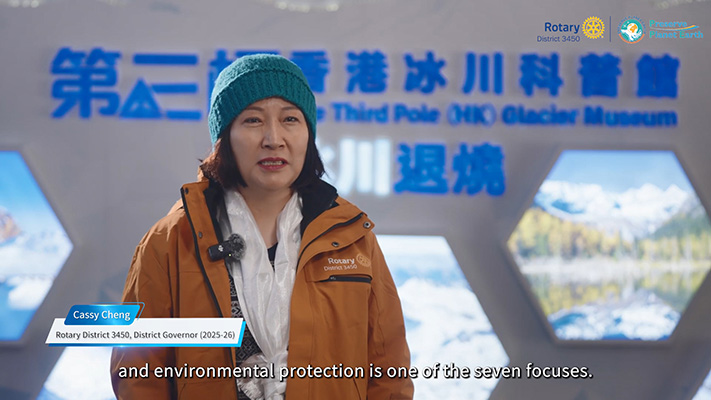
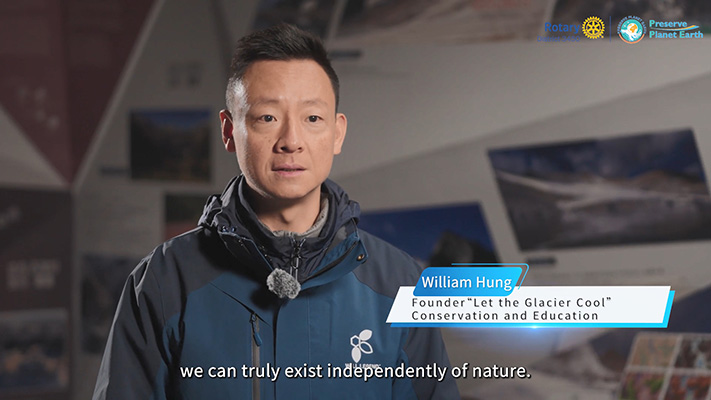
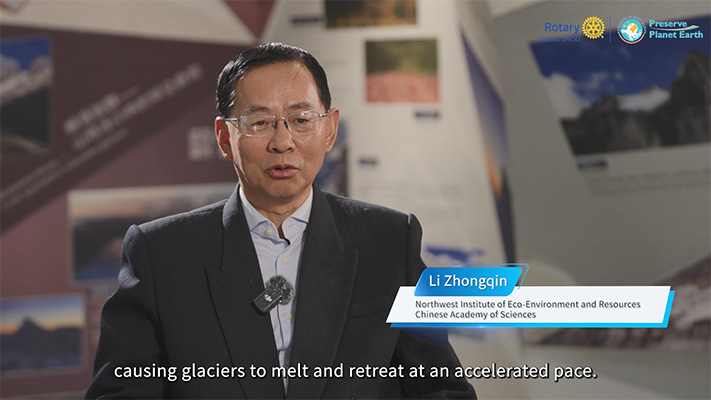
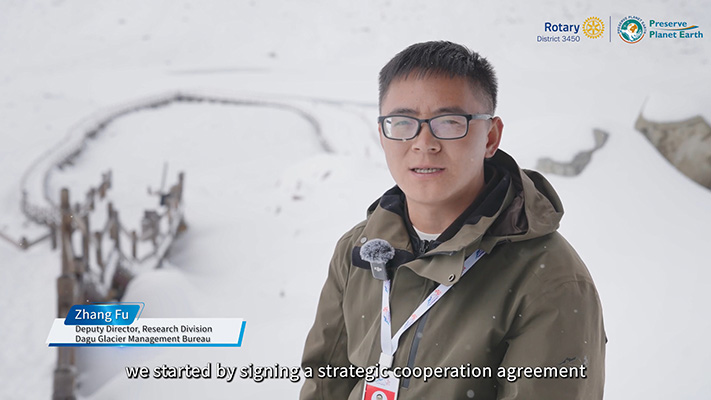
Since 2025, the “Let the Glacier Cool” has received support and participation from charitable organizations and businesses. Last October, a joint Hong Kong-Mainland of China glacier conservation action was held at Dagu Glacier in Sichuan. William Hung, the founder of the “Let the Glacier Cool” programme, collaborated with the Northwest Institute of Eco-Environment and Resources, Chinese Academy of Sciences, the Dagu Glacier Administration Bureau, and Rotary District 3450 to produce the “Let the Glacier Cool” conservation, education, science outreach, cultural exchange programmes, putting words into action to protect glaciers and water. We thank Rotary District 3450 for their support and hope that together with all sectors, we can become a new force driving the world towards a better future!
Rotary International District 3450 Advocating “Let the Glacier Cool”
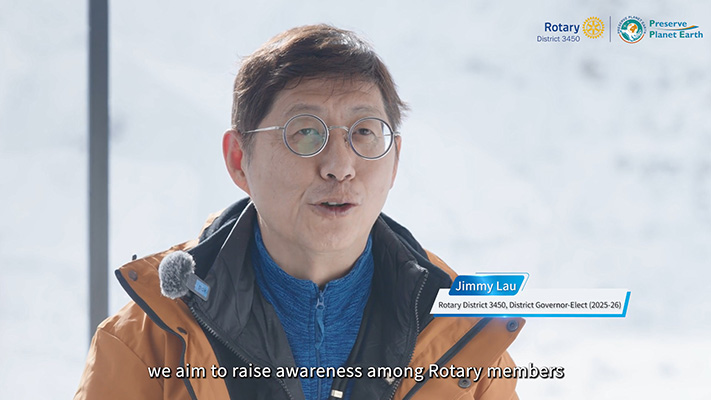
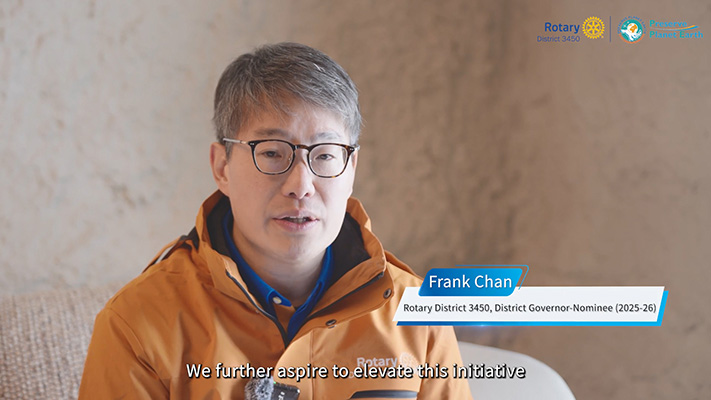
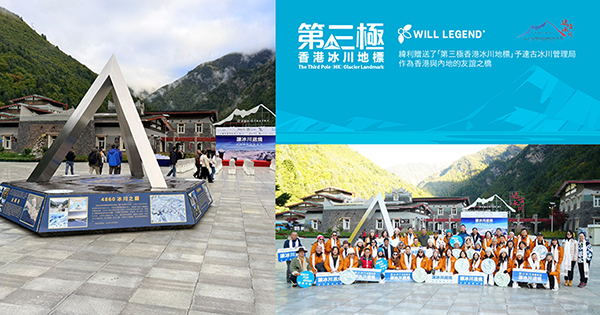
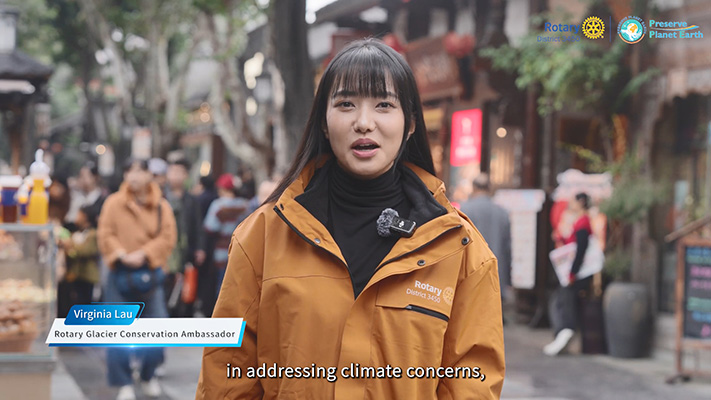
On October 28, 2025, Will Legend, the Northwest Institute of Eco-Environment and Resources, Chinese Academy of Sciences, the Tianshan Glacier Station, and Rotary District 3450 jointly signed a Declaration of Cooperation at the Dagu Glacier “Third Pole Hong Kong Glacier Landmark” square. Rotary District 3450 then became the first comprehensive collaborative partner of the “Let the Glacier Cool” Conservation and Education Programme.
After that, Li Zhongqin, the China correspondent for the World Glacier Monitoring Service, and William Hung (Will Legend), the founder of the “Let the Glacier Cool” programme, led Rotary International District 3450 in launching the “Let the Glacier Cool -1.5°C Climate Action”. During the event, participants, accompanied by Researcher Li Zhongqin, the academic director of the Xinjiang Tianshan Glacier National Field Scientific Observation and Research Station of the Northwest Institute of Eco-Environment and Resources, Chinese Academy of Sciences, visited Dagu Glacier, one of the Global Glacier Casualty List (GGCL), to witness a series of experiments and measures taken by the Northwest Institute of Eco-Environment and Resources, Chinese Academy of Sciences, to mitigate glacier melt since 2021.
Under the guidance of Dr. Liu Shuangshuang and Dr. Jia Yufeng from the Northwest Institute of Eco-Environment and Resources, Chinese Academy of Sciences, Rotary International District 3450 District Governor (Cassy Cheung), District Governor-elect (Jimmy Lau), District Governor-nominee (Frank Chan), and Chair of the Preserve Planet Earth Committee (Wendy Lee) led a group of 44 club members to simulate one of the geoengineering projects for human intervening in the climate system—Solar Radiation Management (SRM)—at Dagu Glacier. The simulation aimed to reduce the absorption of shortwave radiation by the Earth by increasing the planetary albedo through insulating materials, thereby slowing down glacial melting.
“Let the Glacier Cool” Advocating Environmental Protection and Ethnic Integration
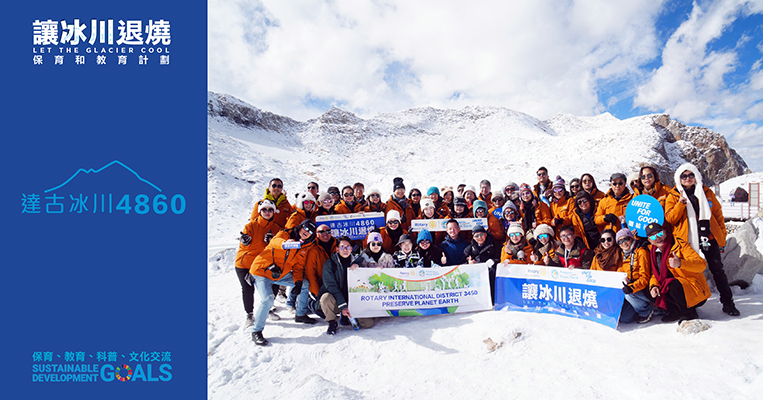
Rotary District 3450 pledges to take “Let the Glacier Cool” programme as a starting point to support the protection of glaciers, land, and oceans, taking care of the health of the planet in a holistic approach. It also pledges to support the implementation of “Everyday Measures to Combat Climate Change” proposed by the “Let the Glacier Cool” programme, fundamentally reducing emissions and temperature to mitigate the climate crisis. Rotary District 3450 will actively participate in the “Third Pole Glacier Journey” SDG-in-China™ Research Trip/Academic Study Tour, and SDG-Green School Talk™, organizing and leading the “Let the Glacier Cool” programme at the social and community level to effectively implement the philosophy of the Integration of “Glacier, Land, Ocean”. “Two Places Harmony”: Promoting the “Let the Glacier Cool” programme in a popular way, sponsoring students visit to Xinjiang’s Tianshan Glacier No. 1 and Dagu Glacier to help children and the public understand the importance of protecting “glaciers and water” for humans, society, economy, and nature. While tracing the origins of water, we also explore Chinese culture, practicing the integration of “Conservation, Education, Science Outreach, and Cultural Exchange”.
“Integration of Glacier, Land, Ocean”
For some people who especially live in the cities, it is hard for them to understand the value of nature such as glaciers, land, oceans, wildlife animals, insects, plants, rivers, forests, and beautiful nature landscapes etc. The fact is that nature supports our society, economy, life and future, including nurturing the most important elements of human life – Water, Food and Air. We shouldn’t consider that nature is free, and often take it for granted and overexploit it.
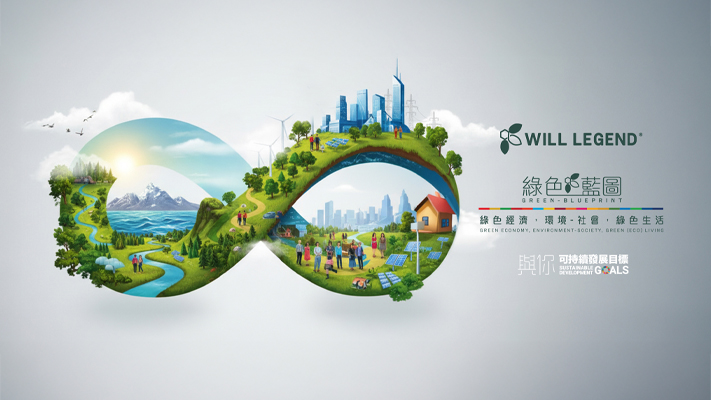
Human survival is inseparable from water, food and air. Glaciers conserve clean freshwater resources, and water nourishes land with rich nutrients; Water, rich in nutrients, flows to land along “Urban Wildlife Corridor”, nurturing food and biodiversity. Water then follows rivers and merges into oceans to “Let the Ocean Breathe”. Oceans exhale oxygen, and absorb the greenhouse gas carbon dioxide to “Let the Glacier Cool”; Glaciers maintain a balance of accumulation and ablation, stabilize the planet’s temperatures, enable sustainable water resources. This recurring force of nature ultimately allows the health, peace and prosperity of humans and nature to develop sustainably.
The “Integration of Glacier, Land, Ocean”, taking a “As a whole” approach to take care of the Earth and “Let the Earth Cool”. By protecting the glaciers, we protect the land; by protecting the land, we protect the oceans; by protecting the oceans, we protect the glaciers. Nature and humans are closely linked, influencing and relying on each other.
Glaciers cover about 11% of the Earth’s land area and contain about 70% of the world’s fresh water resources. They play an important role in regulating the Earth’s temperature, global thermal balance and water balance. Message from Ms Audrey Azoulay, Director-General of UNESCO, on the occasion of World Day for Glaciers and World Water Day: “The Andes Mountains, which supply half of the water flowing into the Amazon River, have lost between 30 and 50% of their glaciers since the 1980s and could lose 97% of their icecaps by the end of the century. The glaciers of Mount Kenya, Rwenzori and Kilimanjaro will disappear entirely by 2040 if no action is taken, while the Hindu Kush-Karakoram-Himalayan system, commonly referred to as the ‘Third Pole’, is projected to lose half of its glacier volume by the year 2100.”
“Let the Glacier Cool” Safeguarding Glacier and Water

Practicing Climate Action SDG13. Taking action to combat climate change, embarking on the source of Urumqi River, Xinjiang Tianshan Glacier No. 1 and Sichuan Dagu Glacier, practicing “When Drinking Water, Remember Its Source. Same Roots, Same Heart”, tracing back to the source of fresh water (SDG6). Exploring Antarctica, Arctic, Third Pole, strengthening the protection of the polar regions. Fostering environmental protection and inclusive societies, sharing of the economic achievements, harmonious coexistence between humans and nature, Sustainable Development Goals (SDGs) and the Climate Goals.
At present, in the context of global warming, responding to climate change and mitigating the climate crisis has become one of the major global challenges. Whether from the business, science, non-governmental organizations or education sectors, we all hope to make contributions and promote climate action. Therefore, Will Legend promotes the “Green-blueprint” – The Integration of Glacier, Land, Ocean. Starting with “Let the Glacier Cool”, we will then promote “Urban Wildlife Corridor” and “Let the Ocean Breathe” simultaneously, protecting both land and oceans. We hope to implement philosophy and practices, and work together with scientists, business and organizational representatives, teachers, students and the public to promote a bright future of sustainable development for humans and nature.
Climate Engineering in Which the Public Can Participate
Glaciers, land, and oceans draw the “Green-blueprint”. Then, the “Green-blueprint” educates the public and raises their awareness of protecting the Earth.
“Let the Glacier Cool – Xinjiang Tianshan Glacier No. 1 Journey” and Let the Glacier Cool – 4860 Dugu Glacier Journey” is one of the everyday measures to combat climate change under the first national joint action for glacier protection, and is not a tourism product. The entire trip can fully help representatives of enterprises/organizations, institutions, and teachers and students of schools, demonstrating their efforts and contributions to protecting glaciers and water, “When drinking water, remember its source. Same roots, same heart” and promoting the SDGs.
Will Legend makes it easier for the public to understand the goals of the “Green-blueprint” through 1.5°C-ClimateAction™: “Let the Glacier Cool–Glacier Journey”. At the same time, we hope that you can connect to the “Green-blueprint” platform to jointly promote the Integration of “Glacier, Land, Ocean and Sustainable Development”. To care for the Earth, we must act “As a whole”- protect glaciers, land, and oceans. Climate change is the primary cause of glacier retreat. Only healthy land and oceans can control temperature rise and fundamentally “Let the Glacier Cool”.
“Let the Glacier Cool” Writing the Glacier Story of HK
Does the fact that we do not see the rapid retreat of glaciers due to global warming in Hong Kong mean that issues like water security, floods, and sea-level rise will not happen to us?
More than 275,000 glaciers worldwide cover approximately 700,000 km². Glaciers and ice sheets store about 70% of the global freshwater. However, these ice formations are rapidly retreating due to climate change. The preservation of these crucial resources is essential not only for environmental sustainability, but also for economic stability and safeguarding cultural services and livelihoods.
WMO Secretary-General Celeste Saulo said: “WMO recently confirmed that 2024 was the warmest year on record and has sounded repeated Red Alerts about the state of our climate, including the retreat of glaciers. In 2023, glaciers suffered the largest mass loss in the five decades of record-keeping. It was the second consecutive year in which all regions in the world with glaciers reported ice loss. Melting ice and glaciers threaten long-term water security for many millions of people. This international year must be a wake-up call to the world.”
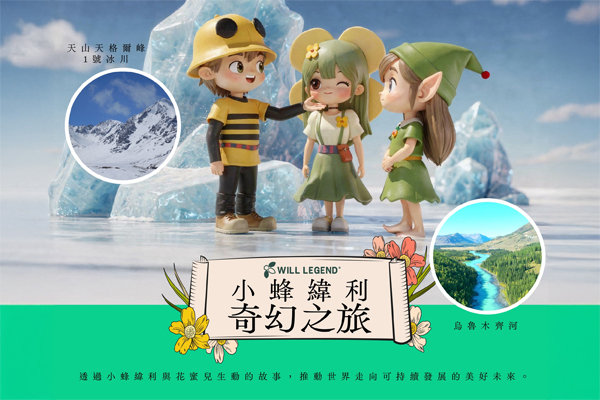
Perhaps we have not yet felt the immediate threat. But imagine if all the mountain glaciers — the “World’s Water Towers” disappeared, and the ice sheets at the Antarctica and the Arctic were completely depleted., as a coastal city, could Hong Kong, and other low-lying countries on Earth, escape the threat of rising sea levels and flooding? Therefore, protecting the glaciers of Antarctica, the Arctic, the Third Pole, and the mountains is one of humanity’s most pressing challenges. This is the creative background for the Willy Bee – The Journey of Glacier, Land and Ocean”, a journey across the Qinghai-Tibet Plateau, starting with the No. 1 Glacier in the Tianshan Mountains of Xinjiang and the Dagu Glacier in Sichuan, to tell the story of Hong Kong’s glaciers and save the Earth’s vital glaciers.
Building a Platform for Scientific Research
On March 21, 2023, Will Legend founded the “Let the Glacier Cool” Conservation and Education Programme which is the first joint action for glacier preservation between Hong Kong and the mainland of China. Will Legend and the Northwest Institute of Eco-Environment and Resources, Chinese Academy of Sciences, as the initiating organizations of “Let the Glacier Cool”, also have invited the Dagu Glacier Administration Bureau to jointly promote the initiative.
In April 2024, the SDG-in-China™ Academic Study Tour of the “Let the Glacier Cool – Third Pole 4860 Dagu Glacier Journey™” was welcomed, and 128 teachers, students walked into the arms of the “White Giant”-4860 Dagu Glacier. In November of the same year, under the witness of the “Let the Glacier Cool” programme, the first “Sister School Scheme” relationship between two schools in Hong Kong and Sichuan was established, providing Hong Kong students with a richer learning experience, increasing their understanding of the motherland, and promoting the development of education in the two places.
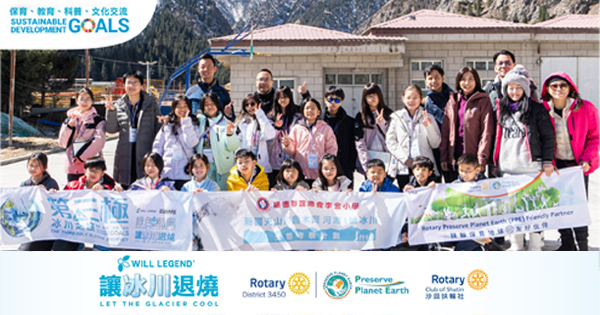
In April 2025, the first SDG-in-China™ Academic Study Tour/Research Trip of “Let the Glacier Cool – Xinjiang Tianshan Glacier No. 1 Journey™” successfully implemented the mutual understanding and integration of the people of the two places, and promoted the United Nations Sustainable Development Goals (SDGs) and environmental protection philosophy. Will Legend, together with the Xinjiang Tianshan Glacier National Field Scientific Observation and Research Station, Chinese Academy of Sciences, Xinjiang Meteorological Media Science Outreach Center, S.T.F.A. Lee Kam Primary School, Rotary International District 3450 and Shatin Rotary Club representatives, launched the “Green-blueprint-Let the Glacier Cool”. Through the “Glacier Journey”, on the one hand, it promotes glacier protection, and on the other hand, it promotes local economic growth.
In this series of science outreach activities, the Northwest Institute of Eco-Environment and Resources, Chinese Academy of Sciences, Tianshan Glaciological Station, Chinese Academy of Sciences prepared a rich academic sharing session on “Research and Application of Glacier Protection Measures” for the Earth Guardians (teachers, students, and representatives of corporate and organization), and at the same time promoted the United Nations initiatives of 2025 International Year of Glaciers’ Preservation, World Day for Glaciers 21 March, World Water Day 22 March, Decade of Action for Cryosphere Sciences.
“Let the Glacier Cool” Safeguarding Glaciers, Polar Regions, Glacial Water Resources, Snowline, and Cryosphere
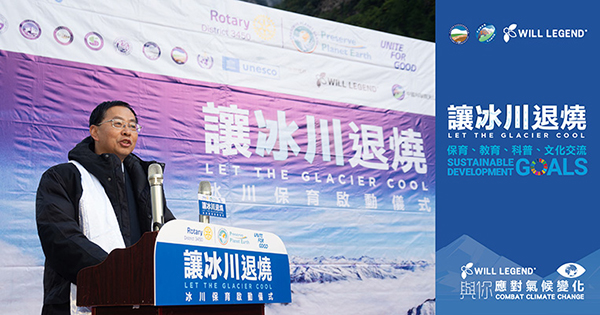
“Let the Glacier Cool” Starts from Xinjiang Tianshan Glacier No. 1 and Sichuan Dagu Glacier. Researcher Li Zhongqin stated that Dagu Glacier was chosen as the core location for the “Let the Glacier Cool” campaign because in 2024, Rice University, the University of Iceland, the Icelandic Glaciological Society, WGMS, and UNESCO jointly launched the “Global Glacier Casualty List (GGCL)” project. This project selected 18 representative glaciers worldwide that are on the verge of disappearing and possess significant scientific and socio-economic value, warning the international community of the urgency of dramatic glacial changes. Dagu Glacier is the only glacier from China to be included. Model predicts that without human intervention, it will completely melt within the next 10-20 years. However, implementing effective protection strategies can significantly slow its disappearance, allowing more people to appreciate its magnificent scenery.
Researcher Li Zhongqin also stated that glacier conservation activities are focusing on Glacier No. 1 at the source of the Urumqi River in the Tianshan Mountains because it is one of the more than 40 key glaciers globally identified by WGMS, serving as a “reference glacier” for arid regions in China and Central Asia. The Tianshan Glacier Station has conducted continuous observation and research on it for 66 years, making significant contributions to the establishment and development of glaciology in China, as well as to international glacier research in continental and arid regions. The fate of Glacier No. 1 is closely linked to the effectiveness of global emissions reduction: if we strictly implement the Paris Agreement and limit global warming to well below 2°C by the end of this century, the glacier is expected to survive until around 2090; conversely, if emissions run rampant, it may disappear before 2050. This nearly 40-year gap demonstrates that emissions reduction and cooling are crucial for saving glaciers.
“Let the Glacier Cool” Advocating the Integration of Humans, Society, Economy, and Nature
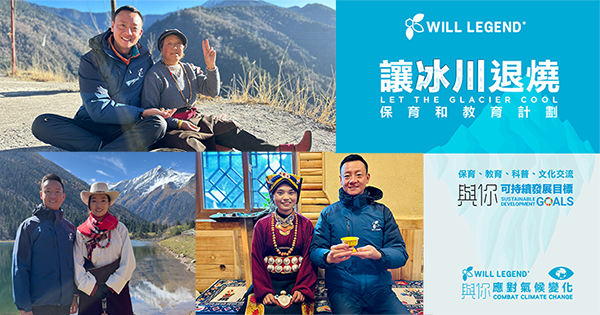
Researcher Wang Feiteng stated that as the third most popular glacier tourism site in China, Dagu is of great economic importance to its region. Sadly, over the past 35 years, Dagu has retreated by 76% and its area of glacial ice decreased from 2.10 km2 in 1989 to 0.5 km2 in 2023. The future is even more concerning. Based on modeling of the measurement data we have gathered over the years, we predict that Dagu Glacier, which currently covers less than 0.5 km², will disappear entirely by around 2030. Against this backdrop, in August 2021, Researcher Wang Feiteng at the Northwest Institute of Eco-Environment and Resources, Chinese Academy of Sciences, member of the World Meteorological Organization (WMO) Global Cryosphere Monitoring Program (GCW) Expert Team and Third Pole Regional Climate Service Center (TPRCC) expert team member, led a team to the Dagu Glacier in Heishui County of Aba Tibetan and Qiang Autonomous Prefecture, Sichuan Province to conduct experiments on slowing glacier melting. The energy required for glacier ablation mainly comes from the short-wave radiation of the sun. The absorption of short-wave radiation by glaciers mainly depends on the albedo of the glacier surface. In the two-month experiment, the melting speed of the glacier covered with insulating blankets was significantly slower. Compared with the glacier without any protective measures, the thickness of the melting slowed down to 1 meter. In May 2025, at the first UN International High-Level Conference on Glacier Preservation held in Tajikistan, the Chinese government delegation cited the protection of Dagu Glacier as a typical case of China’s implementation of UN initiatives.
The Tibetans, Qiangs ethnic minorities, who have lived in Dagu Glacier for generations, have found new employment opportunities thanks to ecotourism development. These opportunities include tourism-related jobs, forestry work, and working within the glacier park, collectively contributing to the sustainable development of the glacier. This truly embodies the principle of “Use natural resources moderately for economic development, and then give back to nature and society with economic achievements”. This economic development has also enabled people living in mountainous areas or rural areas to obtain decent jobs and economic growth, achieving a peaceful and inclusive society and community. SDG-in-China™ Research Trip, Academic Study Tour visit different ethnic groups, practicing conservation, education, science outreach, cultural exchange, and sustainable development. Visit local communities and schools to introduce each other’s humanities and geography, enhance mutual understanding, and sow the seeds of national unity and cultural integration.
Make the Voice of Chinese Scientists
“Let the Earth Cool” and “Let the Glacier Cool”. Mountain glaciers occupy the highest areas of the Earth’s surface and are known as the Earth’s “water towers.” According to the United Nations Environment Programme (UNEP), glaciers (including the Antarctic and Arctic ice sheets) store around 70% of the world’s freshwater resources, and about a quarter of the world’s population relies on meltwater from mountain glaciers. Furthermore, the watersheds fed by glaciers support about one-third of the Earth’s biodiversity. However, this crucial ecosystem is exceptionally sensitive to climate change, responding to it far faster than other terrestrial ecosystems. Over the past 40 years, greenhouse gas emissions from human activities have led to continuous global warming, significantly accelerating glacial retreat. Particularly alarming is the fact that five out of the past six years have seen the fastest glacial retreat on record. Scientific research clearly warns that if the warming trend continues unabated, glaciers in many parts of the world (including most of China’s glaciers) will melt away completely within this century. The shrinking of glaciers directly threatens the continuation of the “water tower” function and the water security of hundreds of millions of people, profoundly altering the ecological environment and biodiversity patterns, and exacerbating the risk of extreme disasters such as droughts and floods. Furthermore, glacial melting has become the second largest contributor to global sea-level rise after ocean thermal expansion, and its impact has directly endangered the safety and survival of residents in coastal countries and regions.
Worldwide Impact of the Melting Cryosphere (Antarctic, Arctic)
“Let the Glacier Cool” Protects Antarctic
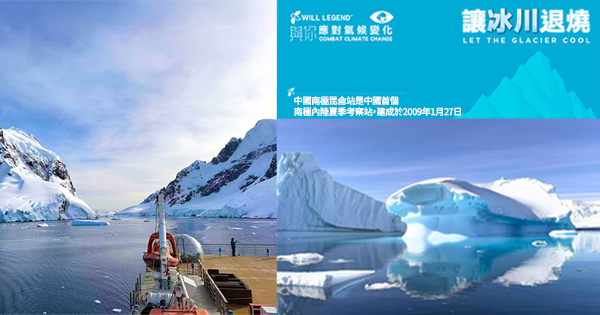
Less Ice, Higher Sea Level. The Antarctic is the southernmost polar region of the Earth, generally referring to the area south of the Antarctic Circle, which includes most of Antarctica and its surrounding islands.
Antarctica, the world’s coldest, windiest and driest continent, has often been referred to as a stable “sleeping giant”, but increasingly extreme temperatures, together with unusual rain and ice shelf shifts, remind us that it must not be taken for granted, the UN Weather Agency (WMO) warned.
Antarctica is the southernmost continent on Earth, located in the Antarctic region of the Southern Hemisphere, and is the geographic South Pole. Most of Antarctica lies within the Antarctic Circle and is surrounded by the Southern Ocean. According to the Intergovernmental Panel on Climate Change, both major ice sheets—Greenland and Antarctica—have been losing mass since at least 1990, with the highest rate of loss occurring between 2010 and 2019. They are expected to continue losing mass.
The World Meteorological Organization (WMO) warns that as a result of the melting of the ice sheets and glaciers, the rate of global sea-level rise has increased since satellite altimeter measurements began in 1993, reached a new record high in 2021.
The Antarctic ice sheet is 4.8 kilometers thick and contains 90% of the world’s freshwater. If it were to melt completely, it would raise sea levels by about 60 meters. “Recent temperature extremes and ice shelf collapses have reminded us that we shouldn’t take Antarctica for granted…Understanding and properly monitoring the continent is therefore crucial for society’s future well-being,” said Dr Mike Sparrow, head of the WMO co-sponsored World Climate Research Programme.
On 8-10 November, 2025, hundreds of representatives from government, research and civil society have been gathered in Paris to discuss the protection of the Arctic and Antarctic. On the last day of the Summit, the Director-General of UNESCO, Audrey Azoulay, announced the official endorsement of a new initiative as an Ocean Decade Action: Antarctica InSync (International Science & Infrastructure for Synchronous Observation).
Antarctica InSync is a programme for synchronous scientific observations in Antarctica and the Southern Ocean to allow for a circumpolar assessment of the connections between ice, ocean, climate, environment and life, including human pressures, and their solutions such as marine protection. It contributes to the Decade Collaborative Centre for the Southern Ocean Region (DCC-SOR) led by the Scientific Committee on Antarctic Research (SCAR).
“This endorsement is in line with the Arctic and Southern Ocean Action Plans developed as part of the Ocean Decade,” explained Audrey Azoulay. “Antarctica InSync, just like these Plans, seek to reinforce scientific cooperation on issues related to polar regions, promote data and knowledge sharing and provide a roadmap for strengthening links between science, industry and decision-making.”
“Let the Glacier Cool” Protects Arctic
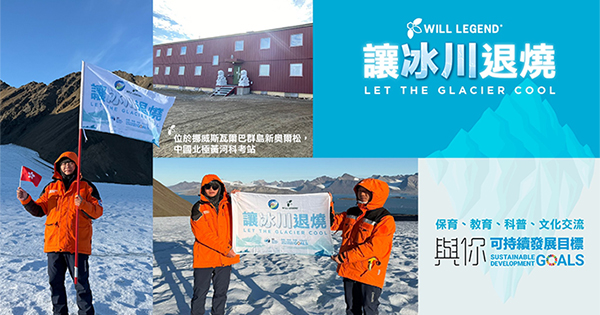
Sea Ice Depletion is Accelerating. The Arctic region refers to the area surrounding the Earth’s North Pole, which, together with the Antarctic region, constitutes the Earth’s frigid zones. The Arctic region includes the entire Arctic Ocean and parts of eight countries: Greenland (Denmark), Canada, Alaska (United States), Russia, Norway, Sweden, Finland, and Iceland. It is primarily composed of the Arctic Ocean, an ocean covered by vast sea ice.
The National Centers for Environmental Information (NCEI) stated that every year, the Arctic sea ice cap expands and thickens during winter and then shrinks and thins during summer. In recent decades, increasing temperatures have caused rapid reductions in ice extent in all seasons, but especially at the end of summer.
What scientists refer to as the first ice-free Arctic summer year (FIASY) will occur when the Arctic has less than one million square kilometers of sea ice. (The thick ice sheets surrounding Canada’s Arctic islands are likely to remain for much longer, even in summer.). At the end of summer 2019, the extent of Arctic sea ice measured 4.15 million square kilometers, tying 2007 and 2016 for the second lowest since modern record keeping began in the late 1970s. NOAA tracks ice and other environmental issues on an annual Arctic Report Card.
In the Climate paper, lead author Ge Peng of NCICS and colleagues used twelve climate models to simulate and project the extent of Arctic sea ice under two different emissions scenarios. The scenarios represent midrange (RCP4.5) and high (RCP8.5) projections for the volume of greenhouse gases that will be emitted into the atmosphere in coming decades. Under the midrange emissions scenario, the twelve climate models settled on 2054 as the likely first ice-free Arctic summer. Under the high emissions scenario, the models suggested it could happen in 2042.
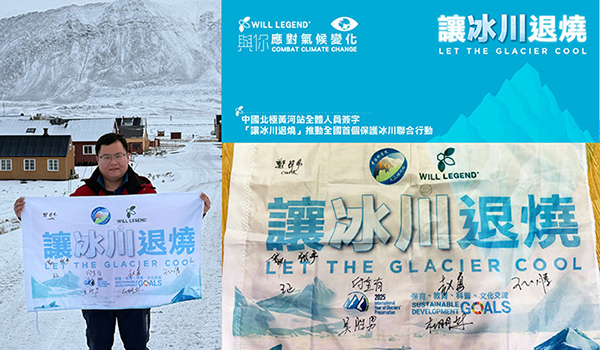
To better collaborate with international organizations and scientists in promoting scientific research and preservation of glaciers and ice sheets, the Polar Research Institute of China (PRI) has established five national scientific observation and research stations in Antarctica: Great Wall Station, Zhongshan Station, Kunlun Station, Taishan Station, and Qinling Station. In addition, it has built the Yellow River Station in the Arctic and China-Iceland Arctic Science Observatory in northern Iceland.
Let the Glacier Cool, Let the Earth Cool. Glaciers and ice sheets are vital for the survival of humans and other organisms. A decrease in glacial water storage will severely impact future water resources for humans and ecosystems, and will also affect sea-level rise. “Let the Glacier Cool” brings the public closer to Antarctica, the Arctic, and the Third Pole, strengthening polar protection. By bridging “Scientific Research, Science Outreach Dissemination, Education Sharing”, Will Legend constructs comprehensive science outreach and educational activities that translate into everyday measures to address climate change, it is a geoengineering initiative in which every member of the society can participate, and it will also be the best human intervention measure to address climate change. Seeking to reduce emissions and lower temperatures at their source, mitigating the climate crisis caused by global warming.
A Global Call for Action to Save Earth’s Vital Glaciers
Glacier meltwater nurtures healthy “Land and Food”, and also creates “Ocean and Air”, ocean breathes and preserves “Glacier and Water”. Nature is a chain of links. Will Legend, the Northwest Institute of Eco-Environment and Resources, Chinese Academy of Sciences, and the Tianshan Glacier Station will continue to promote low-carbon living among the public, actively guide government, enterprises, organizations/institutions, and schools to work together to protect the “World’s Water Tower”, deepen cooperation between the two places in water resource protection, climate change response, and science education, help cool the Earth, and foster harmonious coexistence between humans and nature.
Will Legend, the Northwest Institute of Eco-Environment and Resources, Chinese Academy of Sciences, the Tianshan Glacier National Station, Chinese Academy of Sciences, and Rotary District 3450 will actively foster CUHK Museum of Climate Change, Education Bureau-School Conservation Courses, and Radio Television Hong Kong-Glacier Conservation Programmes etc., themed by the “Let the Glacier Cool”, bridging scientific research, businesses/institutions, and the public. We hope to become a new force driving harmonious coexistence between humans and nature, leading the public towards a better future of sustainable development.
We thank all the scientists for their continued contributions to the health of the planet and thank the public for adopting everyday measures to combat global climate change. In the future, Will Legend also hopes to connect with more service organizations and businesses and become close partners and jointly promote the protection of the cryosphere and the health of the planet Earth as a whole.
The “Green-blueprint- Integration of Glacier, Land, Ocean” initiative is a geoengineering and climate engineering that truly allows people from different regions and sectors to participate. We hope our efforts can also become one of the best human intervention measures to combat climate change.
Further Reading
Unite for Good, See You in Tianshan in April 2026

Practicing Sustainable Development Goals and Eco (Green) Living
This time, Will Legend will use “Glacier” as the starting point for climate action. Will Legend hopes to promote the protection of the “White Giant (Glaciers)” and protect the river source of the people of both places. By visiting the source of Urumqi River, Tianshan Glacier No. 1, as an everyday measure to combat climate change, the public will better understand the importance of protecting “Glacier and Water” to humans, society, economy and nature. At the same time, Will Legend hopes to advocate “When drinking water, remember its source. Same roots, same heart” to trace the roots of Chinese culture through the “Let the Glacier Cool – Xinjiang Tianshan Glacier No. 1 Journey”, and nurture more young people in both places who care about the country and love the motherland.
Will Legend together with participants, visit the Tianshan Glaciological Station of the Chinese Academy of Sciences, the Tianshan Artificial Rainfall Operation Base/Meteorological Observation Station of the Xinjiang Meteorological Service, the Tianshan Glacier No. 1 Reserve, and the Tiangeer Glacier, awaken the “white giant” and protect glaciers, glacial water resources (freshwater resources), the snow line, and the cryosphere. “Let the Glaciers Cool” calls for greater public attention to climate change and the climate crisis, protecting the “Asian Water Tower” and the “World’s Water Towers”. The “Xinjiang Tianshan Glacier No. 1 Journey” is a geoengineering project that everyone can participate in, and one of the best human intervention measures to address climate change.
We cordially invite you to join us on the “Xinjiang Tianshan Glacier No. 1 Journey” to jointly promote “Let the Glacier Cool” and raise awareness of the importance of protecting polar regions, glaciers, and freshwater resources. This will also help draw international attention to the Third Pole, the Qinghai-Tibet Plateau, and Asia’s water tower. Our current efforts are aimed at enabling more people to see and understand glaciers in the future, promoting global integration and harmony, and fostering a harmonious coexistence between humans and nature.
“Let the Glacier Cool” practicing environmental protection and harmony between the two places. The “Xinjiang Tianshan Glacier No. 1 Journey” will be the first to visit schools in the mountainous areas of Xinjiang, promoting inclusive and equitable quality education.
-
Have you ever heard of a place called Bee Town?
-
Do you want to taste the Xinjiang Black Bee Honey (Beijing/ Zhongnanhai Limited Edition) which has a Baume degree(°Bé)of 42 degrees?
-
Do you want to see glacial lakes where salmon fish is breeding?
-
Do you want to see how Tianshan glacier meltwater nurtures Tangbula, black bees and biodiversity?
It’s all going to happen in the coming trip of “Let the Glacier Cool – Xinjiang Tianshan Glacier No. 1 Journey” in April 2026.
Kids Are Most Welcome!
I, Willy Bee, cordially invite you and your family and kids to join us on this glacier journey to a mountain primary school in Nileke County, Xinjiang, bringing our blessings (gifts) to the children in the mountains, to celebrate together the very first HK-Xinjiang Scholarship.