


“Urban Wildlife Corridor” Conservation & Education Programme
Safeguarding Land and Food
Initiative: Protecting bees, cultivating flowering plants, and adopting low-carbon, non-toxic lifestyles safeguard the health of our land and conserve our food, forests, and biodiversity
SDG: “Urban Wildlife Corridor” restoring land and forests, ensuring global food security and ecosystems, and achieving livable climates, livable cities, and promoting human health and well-being (SDG1, SDG2, SDG3, SDG11, SDG15)
Practice: Created SDG-Green School Talk, Willy Bee SDG Channel, “Willy Bee – The Journey of Glacier, Land and Ocean” Storybook, starting with education in schools and communities by promoting planting flowering plants, protecting bees, and adopting “Sustainable Health Service” low-carbon, non-toxic lifestyles as daily measures address climate change
I love doing something to help nature and society, not just for now, but also for the future.
– W.L. Hung, CEO
Integration of Glacier, Land, Ocean
Safeguard the last piece of pure land on the Earth, Let the Glacier Cool, Let the Ocean Breathe, run through the pulse to Urban Wildlife Corridor, draw a Green-blueprint – integration of glacier, land, ocean, promote green development, nurture biodiversity, promote the sustainability of humans and nature
“Urban Wildlife Corridor” advocates:
- “Bees” Preserves Life On Land SDG15, Safeguarding Land and Food
- Land is a Vital Contributor to Food and Biodiversity
- “Green-blueprint: Integration of Glacier, Land, Ocean” Addressing the Climate Crisis and Poverty
- “Integration of Humans, Society, Economy and Nature ” Moving the World Towards a Bright Future of Sustainable Development
- “Two-Places Integration” Activity Promoting Conservation, Education, Science Outreach, and Cultural Exchange
- Green Economy, Green Financing (Climate Finance), Green Transition, and Clean Energy Reduce Carbon Emissions and Mitigate Global Warming
- Orderly Promotion of Green Development to Build a Livable Planet, Practice the Sustainable Development Goals (SDGs) and the 1.5 Climate Goals
- The “Belt and Road Initiative” Cooperates with Developing Countries, Especially in Green Energy Industry, Agricultural Production Capacity, and Ecological Construction
- The United Nations (UN) Paris Agreement, Convention on Biological Diversity, Convention to Combat Desertification, Framework Convention on Climate Change, Water Action Agenda, Decade of Action for Cryospheric Sciences, Kunming-Montreal Global Biodiversity Framework
- The United Nations (UN) 2025 International Year of Glaciers’ Preservation, World Day for Glaciers 21 March, World Water Day 22 March, World Bee Day 20 May, World Oceans Day 8 June
“Urban Wildlife Corridor” Safeguards Land and Food
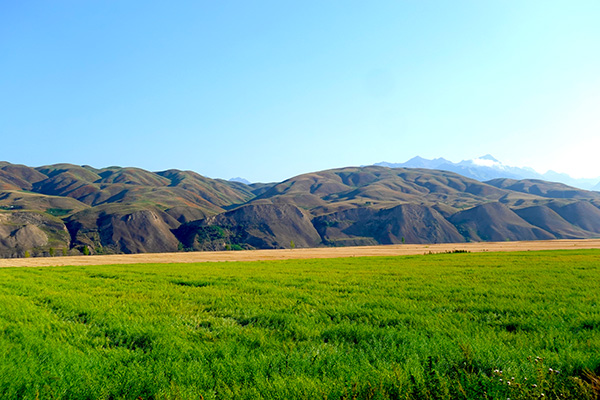
For some people who especially live in the cities, it is hard for them to understand the value of nature such as glaciers, land, oceans, wildlife animals, insects, plants, rivers, forests, and beautiful nature landscapes etc. The fact is that nature supports our society, economy, life and future, including nurturing the most important elements of human life – Water, Food and Air. We shouldn’t consider that nature is free, and often take it for granted and overexploit it.
Human survival is inseparable from water, food and air. Glaciers conserve clean freshwater resources, and water nourishes land with rich nutrients; Water, rich in nutrients, flows to land along “Urban Wildlife Corridor”, nurturing food and biodiversity. Water then follows rivers and merges into oceans to “Let the Ocean Breathe”. Oceans exhale oxygen, and absorb the greenhouse gas carbon dioxide to “Let the Glacier Cool”; Glaciers maintain a balance of accumulation and ablation, stabilize the planet’s temperatures, enable sustainable water resources. This recurring force of nature ultimately allows the health, peace and prosperity of humans and nature to develop sustainably.
The “Integration of Glacier, Land, Ocean”, taking a “As a whole” approach to take care of the Earth and “Let the Earth Cool”. By protecting the glaciers, we protect the land; by protecting the land, we protect the oceans; by protecting the oceans, we protect the glaciers. Nature and humans are closely linked, influencing and relying on each other.
Land occupies about one-third of the Earth. It is the source of human life, and the cradle of human civilization. Only by taking good care of this precious pure land on the Earth can the future of human beings and nature be sustainable. Land (pure land) and clean water are essential elements for nurturing forests. Forests cover nearly 31% of the global land area, and are home to more than 80% of land animals, plants, insects and other species. With the development of cities and agriculture, the decline of forest ratio and the increase of carbon emissions, the balance of nature has been destroyed, seriously affecting the terrestrial ecosystem, causing climate warming, increasing pollution and the disappearance of species.
“Urban Wildlife Corridor” Conservation & Education Programme
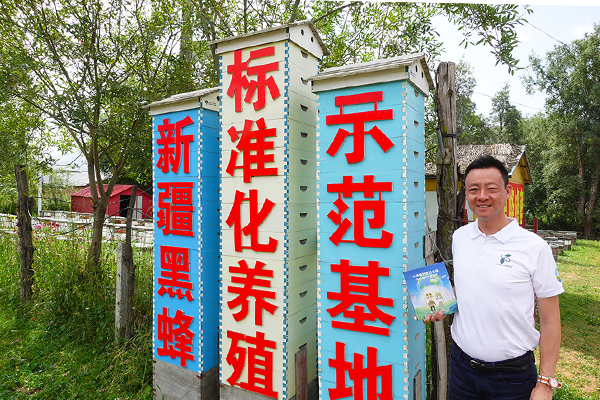
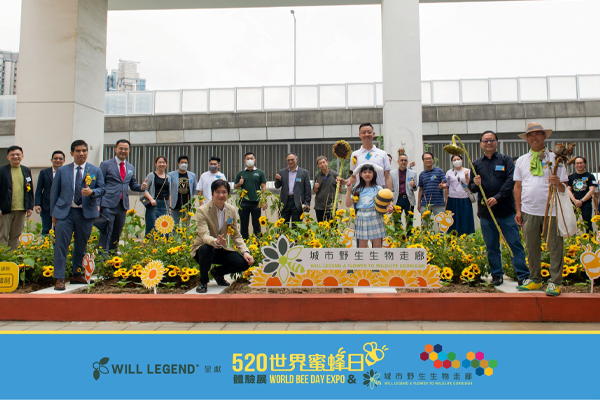
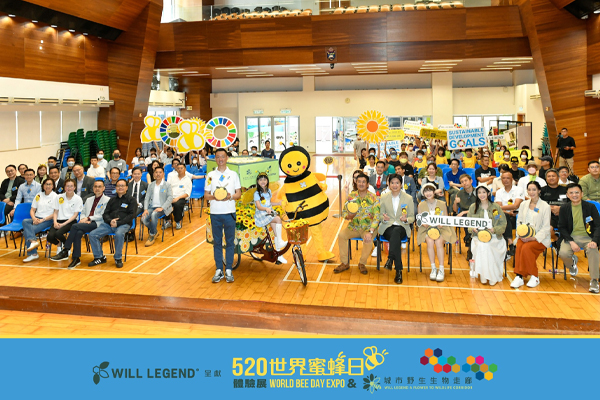
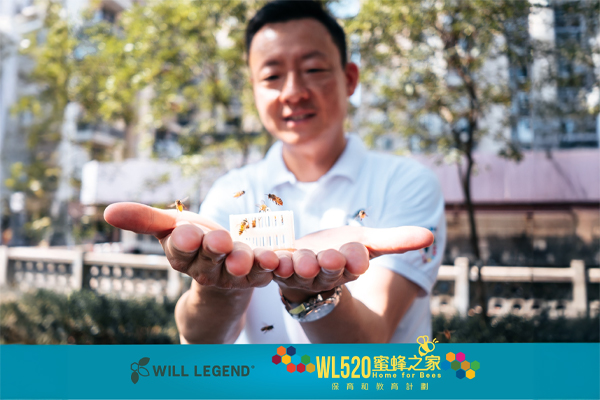
On May 20, 2022, Will Legend established the “Urban Wildlife Corridor” Conservation and Education Programme, becoming its founding organization, with CEO William Hung as its founder.
May 20th is also World Bee Day, the United Nations day for bees, and Will Legend deliberately chose this day for the programme’s launch to convey a clear message to the public – planting flowering plants, protecting bees, and adopting low-carbon, non-toxic lifestyles as daily measures to address climate change. They are also the best human intervention measures to combat global warming, and are fundamental to coexistence of all things, biodiversity, and sustainable development goals (SDGs).
The “Urban Wildlife Corridor” Conservation & Education Programme consists of three core initiatives:
1. “Home for Bees” – Encourages the public not to kill bees in any way, including with toxic pesticides. Instead, the public can adopt a “Relocate and Return” approach, returning bees to their natural environment so they can continue to play their role in nature, contributing to biodiversity and human food security.
2. “Sunflower Biodiversity Charging Station” – Encourages businesses, organizations/institutions, and schools to plant flowering plants such as sunflowers as “nature reserve” between forests and cities for pollinating insects like bees and butterflies. Planting and protecting flowering plants are crucial for the survival of pollinating insects, providing nectar and pollen for bees and butterflies. In turn, bees and butterflies pollinate flowering plants, promoting forest regeneration, releasing more habitat, and promoting biodiversity.
3. “Sustainable Health Service” – Businesses, organizations/institutions, schools, and homes should take steps at the source, adopt low-carbon, non-toxic lifestyles, and reduce or discontinue the use of toxic pesticides, cleaning agents, and disinfectants etc., to reduce soil and water pollution. In this way, we can effectively protect the survival of pollinating insects such as bees and butterflies, as well as flowering plants, safeguarding terrestrial life (SDG15) and clean water sources (SDG6).
Given the vastness of the land, past conservation efforts have taken two main approaches: one is a rather general approach, summarizing it as “environmental protection”; the other focuses on protecting individual terrestrial species. However, regardless of the method, implementation has always proven difficult. While the aim is to raise public awareness, it’s impossible to provide tangible, visible, and concrete examples for the public to observe and experience firsthand.
Since 2022, Will Legend has been dedicated to promote the protection of land, food, and biodiversity through the “Urban Wildlife Corridor”. The programme uses bees and sunflowers as the main characters and follows a three-part approach: first, planting flowering plants to protect bees; then, using bees to protect forests; and finally, protecting food and biodiversity. Furthermore, through the “Willy Bee – The Journey of Glacier, Land and Ocean” storybook and SDG Green School Talk, the philosophy of mitigating climate change by integrating glaciers, land, and ocean is presented to the public in an easy-to-understand way.
The United Nations points out that terrestrial ecosystems are vital to human life, contributing more than half of global GDP and possessing diverse cultural, spiritual, and economic values. However, the world is facing a triple crisis: climate change, pollution, and biodiversity loss. Global and regional efforts are crucial to maintaining forest ecosystems and their social, economic, and environmental functions, especially for developing countries and tropical regions.
However, biodiversity loss is occurring faster than at any other time in human history. Globally, one-fifth of the Earth’s landmass has degraded, an area almost the size of India and Russia combined. Land degradation leads to species extinction and exacerbates climate change. Biodiversity and the ecosystem services it supports can also form the basis for climate change adaptation and disaster reduction strategies, as biodiversity enhances human resilience.
We need to change our relationship with nature to achieve Sustainable Development Goal 15 (Life on Land) and recognize that nature is the foundation upon which life on our planet depends. In December 2022, the 15th Conference of the Parties to the United Nations Convention on Biological Diversity (COP15) concluded, adopting the Kunming-Montreal Convention on Global Biodiversity (the “Framework”), which provides new impetus for Goal 15, outlining four outcome-oriented goals to be achieved by 2050 and 23 specific goals to be achieved by 2030.
More than 80% of human food comes from plants. Therefore, the loss of pollinators will lead to a massive loss of biodiversity, harming our ecosystems and diets. Biodiversity helps build the resilience of agricultural ecosystems. Will Legend has developed concrete, practical solutions to protect terrestrial health, human food security, and biodiversity.
In 2022 alone, Will Legend donated sunflowers, representing the “Sunflower Biodiversity Charging Station” to 31 schools free of charge. We have developed concrete, practical solutions to protect the health of our land, human food, and biodiversity.
On May 20, 2023, Will Legend held Hong Kong’s first-ever public event to celebrate World Bee Day, titled “WL520 World Bee Day Experience Exhibition” which attracted nine primary and secondary schools in Hong Kong to participate in the celebration of the United Nations World Bee Day. In the same year, we incorporated the concept of “Home for Bees” into the Hong Kong SAR Government’s Leisure and Cultural Services Department for the first time, relocating two beehives near residential areas in Lai Chi Kok Park through a “Relocate and Return” approach, rather than letting a pest control company to kill the bees.
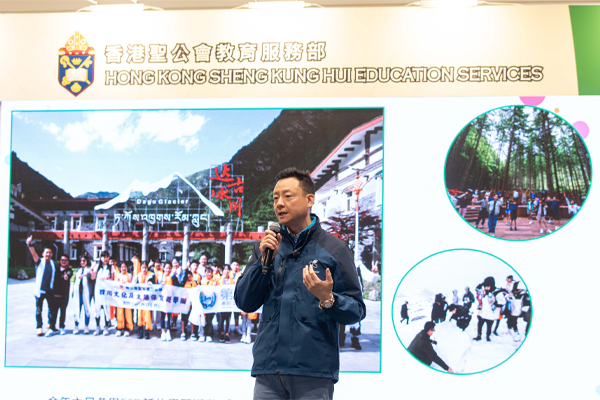
In December 2024, Will Legend was invited to attend the Hong Kong Anglican Education Expo, promoting “Urban Wildlife Corridor” and the Sustainable Development Goals to teachers and students from nearly 100 schools. The aim was to educate the next generation and awaken their commitment to uphold the UN Convention on Biological Diversity and protecting biodiversity. This ensures healthy land for nurturing one of humanity’s vital life elements – food. That same year, Will Legend also produced a series of conservation videos in response to the UN World Bee Day and launched the Willy Bee SDG Channel for free public viewing. We hope to educate the public through widespread education about the existence of bees and biodiversity, human food security, and the importance of the Sustainable Development Goals.
Since 2025, Will Legend has extended its “Urban Wildlife Corridor” Conservation and Education Programme to Urumqi, Turpan, Korla, and Ili Prefecture in Xinjiang, collaborating with governments, green businesses, schools, and the public to promote the planting of flowering plants, protecting bees, and low-carbon, non-toxic lifestyles as daily measures to address climate change SDG13, prevent disease transmission, and promote public health and well-being (SDG3). Will Legend also actively advocates for the green economy, integrating sustainable fisheries, dairy products, agricultural products, honey, and ecotourism, which rely on glacial meltwater, into humans, society, and nature. Green development provides economic incentives for local people, making them more willing to protect the natural environment while developing their economy; on the other hand, these measures can also inject vitality into the local economy, providing new job opportunities for people and driving local economic growth (SDG8).
On May 20, 2026, Will Legend broadcasted the very first education video in Hong Kong about the preservation of bees in Xinjiang. The aim is to promote the joint building of “Urban Wildlife Corridor” between the two places of Hong Kong and Xinjiang, protecting the health of humans, bees, flowering plants, and forests. This innovative initiative, closely related to biodiversity, is not only seen as an important part of protecting terrestrial ecosystems but also a concrete example of climate action through the absorption of greenhouse gases by healthy forests.
“Willy Bee – The Journey of Glacier, Land and Ocean” Chapter 1: Willy Bee and Flowery Travel Through Time and Space to Safeguard the Last Piece of Pure Land on Earth (Land and Food)
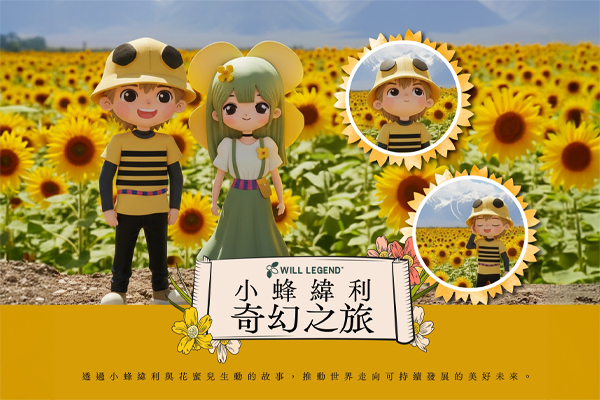
“You will experience a magical journey, and Flowery Delek will be waiting for you in Tangbula, it is full of sunflowers at the foot of Tianshan Mountain!” Wind carries the message of nature
The story begins on Earth in 2050, when global climate change triggers crises in water, food, water, air. As the climate crisis causes temperatures to rise, the Earth also begins to “running a fever” and the blue Earth is no longer be seen. The importance of glaciers, land, and oceans to humans and organisms has always been ignored by the outside world. In fact, glaciers, land, and oceans protect the most important elements of human life – Water, Food, and Air.
At this time, Willy Bee Tashi, who grows up in a hidden oasis in the south, senses the call of the power of nature, asking him to drive the world towards a sustainable future.
“Because of the rapid melting of glaciers, the accelerated melting of the cryosphere and glaciers, the reduction of snow cover, and the intensified melting of permafrost have made mountain runoff more unstable and uncertain, and it is almost impossible to find fresh water resources!” Glacier carries the message of nature
“Ocean pollution has caused the extinction of fish, coral reefs, phytoplankton (marine algae) and whales. The Earth is filled with greenhouse gas carbon dioxide, and we can no longer breathe clean air. On land, pollution has caused no forests, and we can no longer grow food. Life is almost extinct, and the Blue Planet is no longer there.” The ocean carries the message of nature
“Willy Bee, you are going to take the ‘Green-blueprint’ and start the ‘Glacier, Land and Ocean Journey’ with Flowery. The first stop is the land. After arriving, you need to find the Third Pole Honey Bee Tribe and the Black Bee Tribe sealed in Tangbula.” Land carries the message of nature
“You need to use the power number 520 to decode the seeds of life of ‘food’ and promote to humans to build ‘Urban Wildlife Corridor’ in cities as ‘Home for Bees.” Land said
“Encourage humans to support the Sustainable Health Action to reduce carbon emissions, promote sustainable cities and communities, and allow bees to travel between the Sunflower Biodiversity Power Station, cities and forests.” Sun said
“Educate humans to protect the ‘Urban Wildlife Corridor’ and the land, improve agricultural production, increase forest regeneration and biodiversity.” Land said
“Glaciers, land and oceans draw up the ‘Green-blueprint’ to protect the most important elements of human life – water, food and air, and build a livable Earth. This is a revelation that nature gives me!” said Willy Bee Tashi
“Bees provide us with food, medicines, even help keep our planet healthy and beautiful. We must remind the human beings on the blue planet to use natural resources moderately for economic development, and then give back to nature and society with economic achievements.” said Flowery
“I must remind humans on the Blue Planet to ‘Love Nature, Love Community and Love People Around Us’, promote multiculturalism to build ethnic integration and inclusive communities, and contribute to the health, peace and prosperity of humans now and in the future.” said Willy Bee
Finally, with the help of the power of nature, Willy Bee and Flowery return to the Blue Planet of 2020 through time and space. Willy Bee takes courage and spreads his wings to start the journeys with Flowery to find the 1.5°C–Key of ‘Greenhouse Cooling Patch’ to solve climate change. They hope to awaken humans to take action to protect nature by planting the seeds of life (water, food and air), re-enter the heart of nature, promote sustainable development between humans and nature, and protect the endangered Earth.
The next journey for Willy Bee and Flowery is the ocean, where they will encounter rare marine creatures.
“Urban Wildlife Corridor” Experiential Learning:
- Tangbula: Tangbula is a general name for the grassland landscape of the Kashi River Canyon in Nileke County, Yili Prefecture, Xinjiang. It is named after a ravine 105 kilometers southeast of the county seat. There are several huge rocks on the ridge on the east side of the ravine, which look like jade seals, so it is named Tangbula, which means big seal in Kazakh
- “Green-blueprint”: Promotes the Integration of “Green-blueprint” Glacier, Land and Ocean, Moves Towards a Sustainable Future for “Humans, Society, Economy and Nature”
- Land: Land occupies about one-third of the Earth’s surface. It is the source of human life and the cradle of human civilization. Only by properly protecting this precious piece of pure land on Earth can the future of mankind and nature achieve sustainable development. Forests cover nearly 31% of the world’s land area and are home to more than 80% of land animal, plant and insect species
- Power Number 520: To raise awareness of the importance of pollinators, the threats they face and their contribution to sustainable development, the United Nations has designated May 20 as World Bee Day
- “Food” Seeds of Life: 75% of food crops are grown with the help of pollinating insects such as bees
- Sustainable Health Action: Aims to promote the use of Sustainable Health Services™ in furniture, air conditioners, plants etc. in enterprises, organizations, schools, and homes to fully achieve deep cleaning, remove allergens and pests, and implement sustainable environment and the United Nations Sustainable Development Goal (SDG) 3 Good Health and Well-being – Ensure healthy lives and promote well-being for all at all ages
- Urban Wildlife Corridor: Will Legend is the initiator of the “Urban Wildlife Corridor” Conservation and Education programme. The programme encourages the public to plant flowering plants to conserve pollinating insects such as bees, thereby increasing biodiversity and food crop yields, and implementing SDG 15
- “Home for Bees”: The “Home for Bees” Conservation and Education programme uses the “Relocate & Return” way to conserve bees and encourage the public to reduce or stop using toxic pesticides (insecticides). In addition to directly supporting bee conservation organizations financially, we will also purchase honey from beekeepers in mountainous areas and rural areas so that they can continue to protect bees and protect the future of mankind
- Sunflower Biodiversity Power Station: Encourage the public to plant flowering plants to allow pollinating insects such as bees and butterflies to rest and recharge, allowing them to travel between forests, cities and habitats
- Biodiversity: The Convention on Biological Diversity is a legally binding international treaty with three main objectives: the conservation of biological diversity, the sustainable use of biological diversity and the fair and equitable sharing of the benefits arising out of the use of genetic resources. The overall goal is to encourage action to build a sustainable future
- Greenhouse Cooling Patch: Aims to promote green development including green economy, green financing (climate financing) and clean energy. Reduce carbon emissions and respond to climate change by supporting education for sustainable development, scientific actions, green businesses (industries), eco-tourism, etc.
- 1.5°C–Key: Under the Paris Agreement, countries agreed to significantly reduce global greenhouse gas emissions to ensure that the long-term global average surface temperature increase is kept well below 2°C above pre-industrial levels and to pursue efforts to limit the temperature increase to 1.5°C
A Story of Humans and Nature
“Willy Bee – The Journey of Glacier, Land and Ocean” was originally titled “The Legend of Will”, a limited-edition manuscript. Will Legend CEO and founder, William Hung, wanted to expose children to international perspectives, scientists’ viewpoints, and current social issues in a more accessible way. He drew his experiences of glacier, land, and ocean over the past five and a half years into the “Green-blueprint”. During this process, he sensed the call and powerful force of nature. Nature told him: “For humanity to have a sustainable future, it must be able to coexist harmoniously and in balance with nature.”. Thus, he created this storybook, hoping to dedicate it to the next generations. The creation of the Willy Bee’s stories and characters also fulfills Will Legend’s commitment to giving back to society, promoting collaboration and IP synergy between different sectors in Hong Kong and Mainland of China, and creating opportunities.
Smaller but Greater
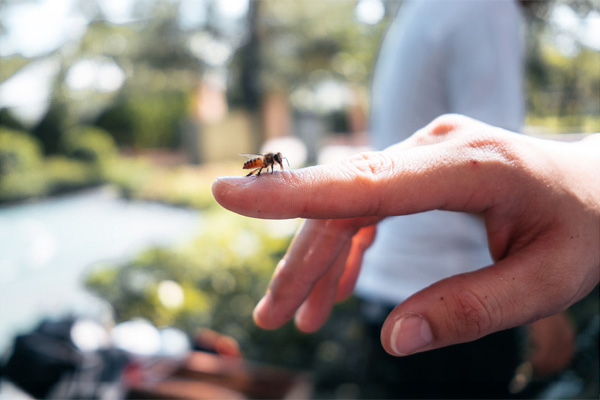
Bees are important pollinators of agricultural crops. They are not only an indispensable role in the ecosystem but also have an important impact on global food supply and even the fight against poverty. The existence of bees also safeguard the health of the land, protect, restore and promote sustainable use of terrestrial ecosystems, sustainably manage forests, combat desertification, and halt and reverse land degradation and halt biodiversity loss (Life on Land SDG15).
Bees (Willy Bee) are tiny insects that live in nature, busy foraging and reproducing. Some people call them “pests” because they accidentally cross our boundaries. Through the help of beekeepers, Will Legend connects with bees, showcasing their gentle side and allowing the public to understand their vital role in nature. Every day, bees work hard to collect nectar and pollen along with other pollinators and animals, helping to solve global food supply issues and alleviate hunger in developing countries.
Nearly 90% of the world’s wild flowering plant species rely entirely or to some extent on animal pollination, and pollination is equally important for over 75% of global food crops and 35% of agricultural land. Pollinators not only directly contribute to food security but are also crucial for protecting biodiversity. To raise awareness of the importance of pollinators, understand the threats they face, and their contribution to sustainable development, the United Nations General Assembly declared May 20th as World Bee Day in 2018. This day aims to strengthen conservation measures for bees and other pollinators, which will greatly help address issues related to global food supply and eliminate hunger in developing countries.
Celebrating World Bee Day, Ensuring Global Food Security and Ecosystems
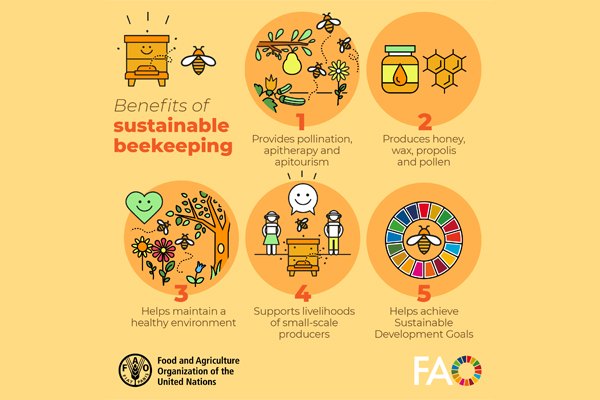
Pollination is a pillar of ecosystems, and the diversity of pollinating insects has a direct and positive impact on crop yields. In fact, bees and other pollinating insects are increasing food production for 2 billion small farmers worldwide, contributing to food security for the world’s population. In many developing countries, collecting honey from wild bee colonies remains a vital livelihood for people who depend on forests for survival. Conversely, the decline of these species will have numerous impacts on our ecosystems, as well as the quality and quantity of food crops, directly leading to dietary imbalances, natural resource depletion, and poverty. The health and even lives of billions of people will be affected, thus hindering the achievement of many Sustainable Development Goals (SDGs), such as those aimed at ending world hunger and protecting and restoring terrestrial ecosystems.
Pollinators not only help ensure the abundance of fruits, nuts, and seeds, but also their variety and quality, which is crucial for human nutrition. Beyond food, pollinators also contribute directly to medicines, biofuels, fibers like cotton and linen, and construction materials.
Most flowering plant species only produce seeds if animal pollinators move pollen from the anthers to the stigmas of their flowers. Without this service, many interconnected species and processes functioning within the ecosystem would collapse.
Pollination is therefore a keystone process, in both human managed and natural terrestrial ecosystems. It is critical for food production and human livelihoods and directly links wild ecosystems with agricultural production systems.
Urban and Wildlife Integration, Weaving the Music of Nature
“Urban Wildlife Corridor” (green corridors) refer to the planting of flowering plants within or around cities, including green belts, country parks, forest parks, and nature reserves. “Urban” refers to humans, and “Wildlife” refers to nature, including forests and biological habitats. “Corridor” are bridges connecting nature (forests) and cities (humans). The protagonists who breathe life into this bridge between humans and nature are the familiar, gentle, and hardworking little bees. Protecting and increasing forest coverage is crucial to maintaining a balanced ecology and biodiversity, especially for terrestrial organisms. Forests play a vital role in both humans and the environment, maintaining clean soil, conserving water resources, and purifying the air (releasing oxygen). Forests also contribute significantly to overall carbon reduction (absorbing the greenhouse gas carbon dioxide). Furthermore, they help combat greenhouse gases, making them a natural “Greenhouse Cooling Patch” for humanity.
More than 90% of wild flowering plants are produced with the help of pollinating insects, such as bees. It is because this pollination process regenerates forests and breeds plant diversity. Because of the vigorous development of plant diversity, it has created the habitats required by different living things, achieving an important element for the sustainable development of humans and nature – biodiversity. Forests purify soil and water for the land. They also act as “natural air purifiers” for humans and other creatures, filtering the air in the atmosphere. Clean soil, water, and the help of little bees – “nature’s master pollinators,” have transformed into more than 75% of the food crops that humans rely on to survive, which is food for more than 8 billion humans. By protecting “Urban Wildlife Corridor”, we can increase forest cover, effectively combat climate change and maintain natural biodiversity. Only when humans, society, economy, nature are integrated and balanced can human health and prosperity be maintained.
Walking into the Heart of Nature and Sounding the Melody of Nature
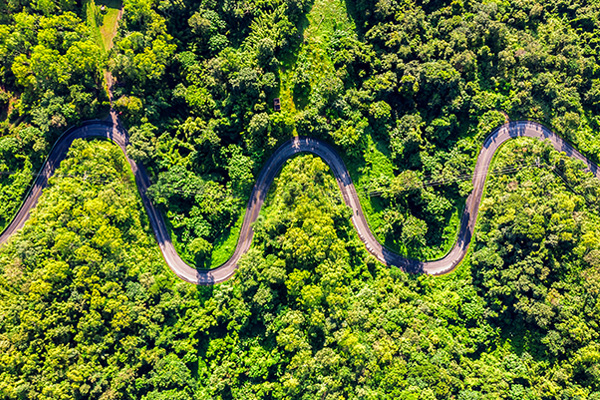
Flowering plants are used to nurture bees and other pollinating insects, and then these industrious bees shuttle between forests and green corridors, spreading the seeds of life to the pure land. On the one hand, they improve the quantity and quality of agricultural production, maintain a livable climate, and ensure human survival; on the other hand, forest regeneration supports biodiversity and promotes the sustainable development goals of humans and nature. Small gardens in residential areas and potted plants on terraces; school gardens or rooftop green areas; sky gardens in commercial buildings, potted plants on exterior walls, and green areas on rooftops; green areas at transportation stations, mini oasis on the tops… If we can imagine, any place can become a place where humans and nature coexist.
Starting with planting flowering plants, we can create “Urban Wildlife Corridor” (natural charging stations) in different corners of the city. These charging stations will then become natural highways, shelters, and food sources for wildlife, and then pollinating insects and wildlife can use green corridors as a way station to travel back and forth to their original habitats, feeding grounds, breeding grounds, or perform seasonal migrations, injecting vitality into forests, wetlands, lakes and etc., ultimately practicing green corridors, and dancing with forests together.
Example of the Integration of Humans, Society, Economy, and Nature
Soaring along Tangbula at the foot of the Tianshan Mountains, we join hands with beekeepers to promote biodiversity and ensure bountiful harvests. Green industries are taking root in the Tianshan Mountains, integrating bee conservation with ecological construction and cultural tourism, and building livable cities.
“Home for Bees, Sunflower Biodiversity Charging Station, and Sustainable-Health-Service” combine to form the “Urban Wildlife Corridor” – practicing the protection of bees, flowering plants, creating a healthy land. On one hand, it increases the quantity and quality of agricultural production; on the other hand, it promotes forest regeneration, restores land, enhances drought resistance, achieves goals of a livable climate and biodiversity, reduces food shortages, and promotes human health and well-being.
Many beekeepers in rural and mountainous areas of Xinjiang may disappear without a trace. thanks to Will Legend’s contributions, opportunities have been created to change lives. Beekeepers and ecotourism have been transformed into science education platforms, effectively turning “beautiful scenery” into “green economy.” The balance between human, social, and economic development and nature conservation has been a dilemma for some time. The main reason is that the public often sees both sides as opposing forces: either prioritize human, social, and economic development at the expense of nature, or prioritize nature at the expense of human civilization. Today, we hope to use the example of Bee Town to explore with the public whether humans, society, and economy and nature should be integrated to achieve a sustainable future for both humans and nature.
Thanks to the development of ecotourism, ethnic minorities in Xinjiang have gained new job opportunities, including working in tourism-related positions, becoming forest rangers, or working in bee industry parks. They are working together to protect the land and truly practicing the principle of “Use natural resources moderately for economic development and then give back to nature and society with economic achievements”. This economic development has also enabled people living in mountainous areas or rural areas to obtain decent jobs and economic growth, achieving a peaceful and inclusive society and community. SDG-in-China™ Research Trip, Academic Study Tour visit different ethnic groups, practicing conservation, education, science outreach, cultural exchange, and sustainable development. Will Legend leads people of Hong Kong to visit local communities and schools to introduce each other’s culture and landscape, enhance mutual understanding, and plant the seeds of national unity and cultural integration.
Thanks to the establishment of the “Symphony Hong Kong, Beautiful Xinjiang, Integration of Two Places” the people of Xinjiang have gained more attention and resources. By supporting the “Urban Wildlife Corridor”, local people can better protect the ecosystem, and local businesses are also better motivated to make profits while coexisting with the natural environment. The green transition has also driven the surrounding green economy and enhanced cultural exchange, allowing people in mountainous areas to share in the economic achievements. Ultimately, this achieves a harmonious integration of humans, society, economy, and nature.
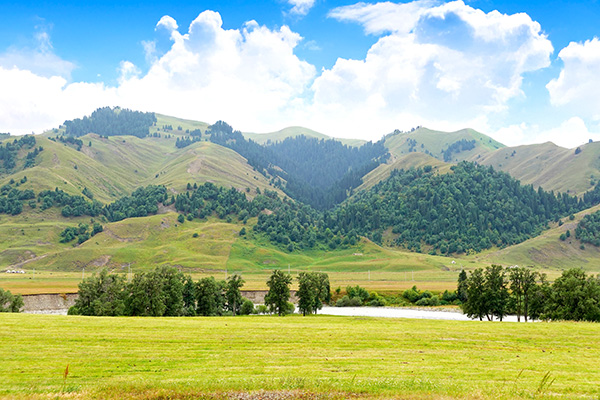
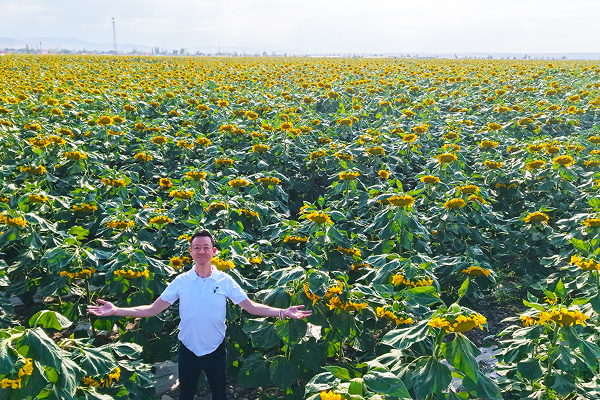
Tangbula is a general name for the grassland landscape of the Kashi River Canyon in Nileke County. The Xinjiang Black Bee Nature Reserve is in Tangbula in the hinterland of the Tianshan Mountains, with an average altitude of about 1,800 meters. This area boasts high-quality grasslands and vegetation, and is rich in nectar-producing plants. There are over 260 species of wildflowers, 76 of which have traditional Chinese medicine and health benefits. Medicinal plants such as codonopsis pilosula, motherwort, fritillaria, wild mint, thyme, and dandelion are highly nutritious. From June to August each year, these plants bloom in full bloom, these are the best nectar sources for Xinjiang black bees. This is why Third Pole Glacier Honey™ (Xinjiang Black Bee Honey) has a Baume degree(°Bé)of 42 degrees or higher.
Today, Nileke County has built a national black bee reserve and conservation farm, becoming a benchmark for the development of the national bee industry. At present, Nileke County has 504 bee farmers, 60,000 bee colonies, an annual honey production of more than 1,200 tons, and a bee industry output value of more than 120 million yuan, which has become a pillar industry for rural revitalization. Nileke County protects the natural ecology and bees, and uses bee-themed tourism to support the honey industry chain, fully demonstrating the integration of humans, society, economy, and nature.


Will Legend has joined hands with the government officials and green enterprises of Yili Prefecture, to show the public a sustainable city led by bees. By protecting bees, the bee industry is promoted in the city, including bee-themed hotels and Third Pole Glacier Honey™. At the same time, it sets an example of sustainable cities for major cities everywhere and builds a nearly 100-kilometer-long “Urban Wildlife Corridor” between forests and cities, let the public understand the importance of protecting land and food.
Without Biodiversity, Humans Are Difficult to Survive
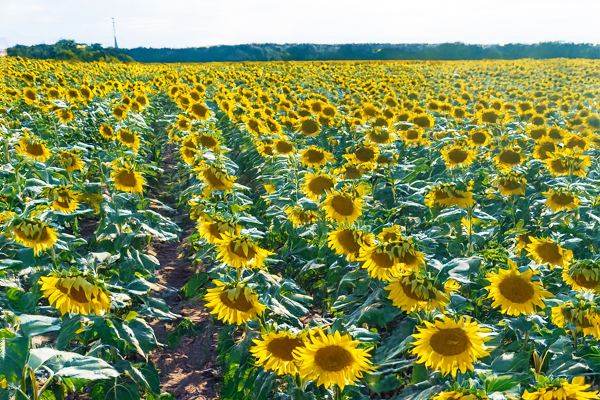
The United Nations pointed out as the global community is called to re-examine our relationship to the natural world, one thing is certain: despite all our technological advances we are completely dependent on healthy and vibrant ecosystems for our water, food, air, medicines, clothes, fuel, shelter and energy, just to name a few. Biological diversity is often understood in terms of the wide variety of plants, animals and microorganisms, but it also includes genetic differences within each species — for example, between varieties of crops and breeds of livestock — and the variety of ecosystems (lakes, forest, deserts, agricultural landscapes) that host multiple kind of interactions among their members (humans, plants, animals).
Biodiversity resources are the foundation of human civilization . Fish provide 20% of the animal protein for nearly 3 billion people. More than 80% of the human diet comes from plants. In rural areas of developing countries, up to 80% of the population relies on traditional herbal remedies made from plants for basic medical care.
The loss of biodiversity threatens the health of all living things, including humans. It has been shown that biodiversity loss can contribute to zoonotic diseases —diseases that spread from animals to humans. However, if we can protect it, biodiversity can be an excellent tool in combating pandemics caused by coronaviruses.
Biodiversity for Sustainable Development

United Nations: The Convention on Biological Diversity (CBD) is the international legal instrument for “the conservation of biological diversity, the sustainable use of its components and the fair and equitable sharing of the benefits arising out of the utilization of genetic resources” that has been ratified by 196 nations. Its overall objective is to encourage actions, which will lead to a sustainable future.
The conservation of biodiversity is a common concern of humankind. The Convention on Biological Diversity covers biodiversity at all levels: ecosystems, species, and genetic resources. It also covers biotechnology, including through the Cartagena Protocol on Biosafety. In fact, it covers all possible domains that are directly or indirectly related to biodiversity and its role in development, ranging from science, politics and education to agriculture, business, culture and much more.
The CBD’s governing body is the Conference of the Parties (COP). This ultimate authority of all governments (or Parties) that have ratified the treaty meets every two years to review progress, set priorities and commit to work plans.
The Secretariat of the Convention on Biological Diversity (SCBD) is based in Montreal, Canada. Its main function is to assist governments in the implementation of the CBD and its programmes of work, to organize meetings, draft documents, and coordinate with other international organizations and collect and spread information. The Executive Secretary is the head of the Secretariat.
Build a Cradle of Ecosystem, Nurture Biodiversity
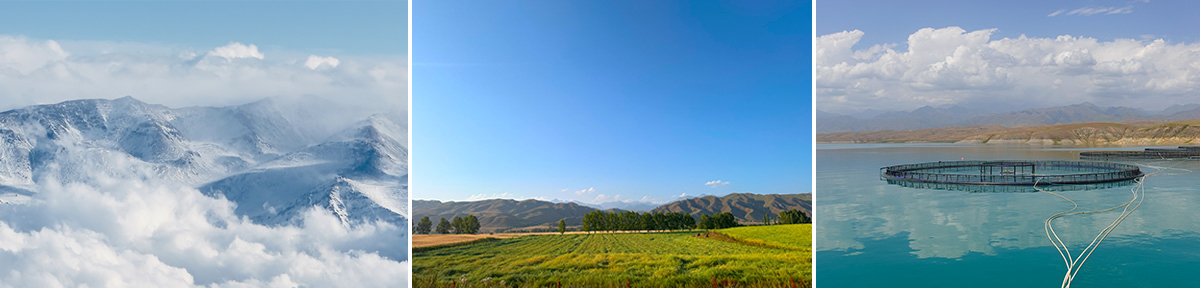
Biological diversity resources are the pillars upon which we build civilizations. Fish provide 20% of animal protein to about 3 billion people; Over 80% of the human diet is provided by plants; As many as 80% of people living in rural areas in developing countries rely on traditional plant‐based medicines for basic healthcare. The United Nations established the Kunming-Montreal Global Biodiversity Framework (also known as the Biodiversity Plan) with the purpose of promoting the belief of harmonious coexistence between humans and nature. It is hoped that different countries, organizations, and sectors can support the implementation of diversity in their own ways.
Regarding biodiversity, it is easier for the public to understand that there are many types of plants and animals, and a large number of microorganisms are included. But it turns out that real biodiversity also includes ecosystems such as glaciers, rivers, forests, lakes, deserts, grasslands, and oceans. To put it simply, all species on the Earth are interconnected. Each ecosystem has different connections, interactions and influences, and in the end, a beautiful Earth can be achieved.
Safeguard the last piece of pure land on Earth, let the glacier cool, let the ocean breathe, run through the pulse to wildlife corridor, draw a “Green-blueprint”, build a cradle of ecosystem, nurture biodiversity, make human health and prosperity sustainable. Will Legend protects glaciers and water resources, food and biodiversity, marine ecology and clean air through the Glacier, Land and Ocean Programmes respectively.
1.5°C Climate Action, Cool the Earth

“Green-blueprint 1.5°C” mitigates climate change (global warming), safeguarding “Glacier, Land, Ocean”. In its 2022 report, UNESCO pointed out that if global warming can be controlled below 1.5°C, it is possible to save the remaining two-thirds of glaciers.
Under the Paris Agreement, countries agreed to significantly reduce global greenhouse gas emissions to keep the long-term global average surface temperature increase to well below 2°C above pre-industrial levels, and to pursue efforts to limit the temperature increase to 1.5°C. The significance of 1.5°C lies in the fact that even a fraction of a degree of global temperature increase can have a significant impact. For some countries and fragile ecosystems, extreme weather events and their associated risks increase with each degree of global temperature increase. The scientific evidence is clear: to avoid the worst impacts of climate change and maintain a habitable planet, we must limit global warming as far as possible and make this a top priority (Intergovernmental Panel on Climate Change).
The increasing emissions of greenhouse gases caused by human activities have led to global warming. The situation is like covering the Earth with a quilt, preventing heat from being reflected into space, causing the Earth’s temperature to rise. Currently, we are experiencing unprecedented rapid climate warming due to human activities, such as the greenhouse gas carbon dioxide produced by burning fossil fuels. As the temperature rises, the Earth also begins to suffer from “fever”. The reason is that everything, and all living things on the Earth are closely intertwined with each other. Once nature loses its ability to balance, humans will not be able to survive alone.
“Green-blueprint 1.5°C” supports green development, fostering green economy, green financing (climate financing), new energy, green industries, ecological tourism, etc., reduce carbon emissions and respond to climate change. Supporting the Belt and Road Initiative to cooperate with developing countries, especially in developing green energy industries (such as solar, wind and hydropower projects, and digital management to increase the proportion of renewable energy generation), agricultural production capacity and ecological construction cooperation, helping traditional industries to achieve green transition, transforming them into green industries and building sustainable business models. At the same time, we also strongly advocate green enterprises, and industry chains to deeply participate in the ESG work of society and the community, on the one hand, to practice corporate social responsibility (CSR), on the other hand, to achieve the policy of corporate economic sustainability, jointly accelerate the green forwarding process, enable the world to reduce carbon emissions faster, achieve the “3060” carbon peak and carbon neutrality goals, and promote the sustainability of humans and nature.
“Green-blueprint 1.5°C” supports the three UN “Rio Conventions” as important cornerstones for addressing the climate crisis. With the nation’s continued development, China has ranked first in power generation capacity in the world. In 1949, the annual power generation was only 4.3 billion kilowatt hours. Today, the figure has reached 9.5 trillion kWh (over 2,000 times growth). What is even more amazing is that renewable energy already accounts for one-third of society’s electricity consumption. As the largest country in photovoltaic power generation, and wind power installed capacity, China’s development of green energy is an important measure to deal with global warming and climate change. Will Legend believes that plans organized and led at the social and community levels can be implemented more effectively. By advocating for the “Integration of Glacier, Land, Ocean”, the “Green-blueprint” connecting the two places and different sectors to take action to address pressing global challenges, allowing the public and future generations to pay more attention to the health of the Earth.
Third Pole Glacier-Honey Helps Those in Need
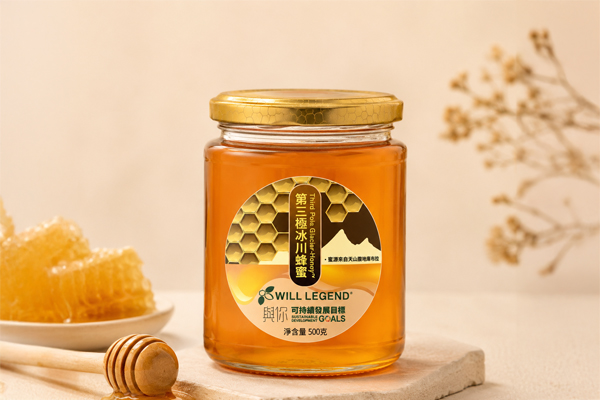
Take a Taste of the Glacier and Savor the Sweetness of Nature. Nourishment from glaciers, thanks to the gifts of bees and nature, this amazing natural dessert – “Third Pole Glacier-Honey” is made. Since 2023, Will Legend has been continuously supporting beekeepers in the Qinghai-Tibet Plateau. “Urban Wildlife Corridor” promotes environmental conservation and highlights the critical roles bees and other pollinators play in agrifood systems and the health of our Earth’s ecosystems. By supporting beekeepers from different regions to promote the sharing of economic achievements SDG8, they can obtain decent jobs and economic growth.
“520” in Chinese means “I Love You”, join “Urban Wildlife Corridor”, everyone can take part in safeguarding the future of pollinators. Will Legend hopes that enterprises, organizations/institutions and the public will strongly support “Third Pole Glacier-Honey” to share sweet blessings to different groups in society, including the elderly, students, employees, low-income families and those who have difficulty in obtaining social support, promote better allocation of social resources, share economic achievements, eliminate poverty, and create peace and inclusion. Through integrating “Sunflower Biodiversity Charging Station”, “Home for Bees” and “Sustainable Health Service”, eventually, the “Urban Wildlife Corridor” is built to achieve biodiversity and the Sustainable Development Goals (SDGs).
SDG Green School Talk – Experiential Learning (Interactive Learning)
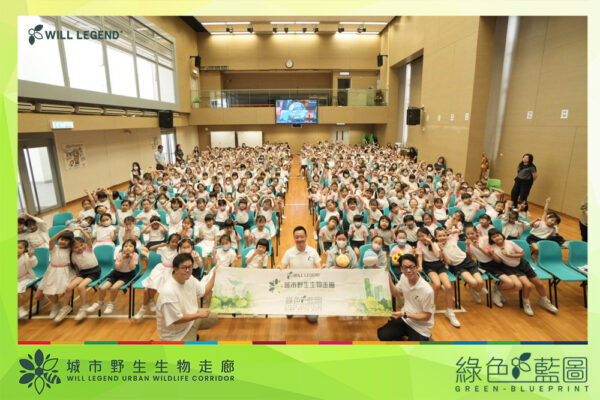
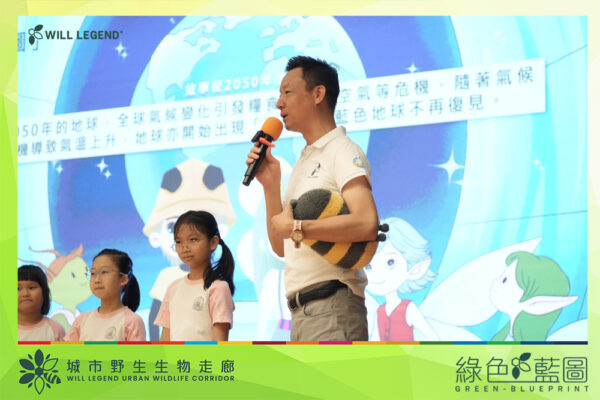
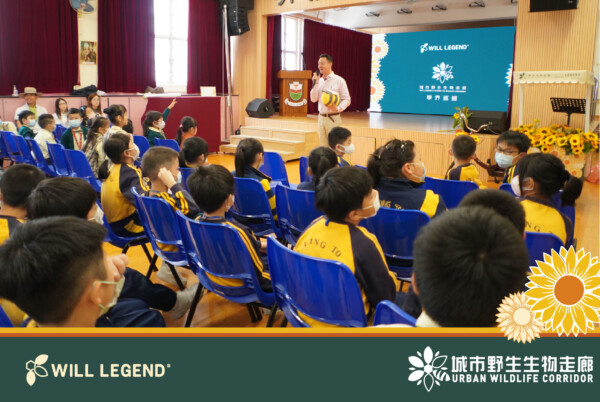


Education is the key to bee preservation. Starting with a sunflower seed, the embryo first grows from the seed, then the roots extend downwards into the soil. Next, a small sprout grows upwards from the soil, becoming a sunflower and transforming into a “Sunflower Biodiversity Charging Station”. We encourage the public and children to plant their own unique “urban wildlife corridor”. They can observe plants, bees, and butterflies up close. This activity also allows everyone to temporarily escape from screens and cellphones.
Since 2022, Will Legend has been promoting the use of flowering plants to nurture bees and protect the land through the “Urban Wildlife Corridor”, reaching out to secondary, primary schools and kindergartens. Ultimately, the goal is to simultaneously implement this philosophia and practice, working with scientists, businesses, institutions, teachers, students, and the public to drive humanity towards a sustainable future.
The “Urban Wildlife Corridor” also includes several initiatives such as “Sunflower Biodiversity Charging Station”, “Home for Bees”, and “Sustainable Health Service”, advocating for planting flowering plants in and around cities, reducing or discontinuing the use of toxic pesticides and cleaning agents, and adopting “Relocate & Return” methods to protect bees rather than killing them with pesticides. The aim is to inspire the public to protect bees, allowing them to move freely between forests and urban wildlife corridors. This will increase the quantity and quality of agricultural production, promote forest regeneration, restore land, improve drought resistance, achieve livable climate and biodiversity goals, reduce food shortages, and promote human health and well-being.
“Urban Wildlife Corridor” Practicing Sustainable Development Goals
United Nations Sustainable Development Goal 15 is to protect life on land. This includes protecting and restoring terrestrial ecosystems, sustainably managing forests, combating desertification, halting and reversing land degradation, and curbing biodiversity loss. “Urban Wildlife Corridor” uses diverse models to raise public awareness of land conservation. Through practices, the public can understand the importance of obtaining food from the land for humans, and that healthy forests on land are also indispensable for protecting land and biodiversity.
Representatives of enterprise and organization, teachers, and students can also participate in the SDG-in-China™ Science Outreach Activity – 1.5°C-ClimateAction™ “Let the Glacier Cool – Xinjiang Tianshan Glacier No. 1 Journey”, to experience the philosophy of “Integration of Glacier, Land, Ocean”, and practice sustainable development of Humans, Society, Economy and Nature. Click here to read more.
“Green-blueprint” & Sustainable Development
Will Legend is a sustainability-focused enterprise that advocates and plans for aligning ESG goals and SDGs, practicing “Environmental Protection, Social Philanthropy, Ethnic Integration” three major visions.
Will Legend has established the “Green-blueprint” based on the philosophy of integrating glaciers, land, and oceans, making it the core of conservation and education. It then bridges scientific research and corporate social responsibility, promoting green development, aligning ESG Goals with the United Nations Sustainable Development Goals (SDGs), and address global challenges such as the climate crisis, poverty, and health. Adopts “Sustainable Health Service” and Reduce-carbon 96.7%™ WillNature®, natural, non-toxic products as daily measures to address climate change and prevent the spread of disease, promoting health and well-being for all. Will Legend connects science, education, businesses, and service organizations, working hand in hand with the public to walk the path of integration of “humans, society, economy and nature”, practicing a peaceful, healthy, prosperous, and sustainable future.
Glacial meltwater forms the source of rivers, nurturing life on land and in the ocean; land and ocean absorb greenhouse gases, mitigating global warming and protecting glaciers, the source of freshwater. This is Will Legend’s “Green-blueprint: The Integration of Glacier, Land, Ocean” – fostering the harmonious coexistence between humans and nature.
Will Legend’s Message to Every Citizen of the Earth
“Environmental Protection” is the responsibility of every citizen. The “Green-blueprint” is created to integrate all the organizations/institutions and individuals who have contributed to environmental protection in the past. It aims to transform personal habits into daily measures to address climate change by combining lofty philosophies with practical solutions, working hand in hand with global citizens to walk the path of integration of “humans, society, economy, and nature”, practicing a peaceful, healthy, prosperous, and sustainable future.
Human survival is inseparable from water, food and air. Glaciers conserve clean freshwater resources, and water nourishes land with rich nutrients; Water, rich in nutrients, flows to land along “Urban Wildlife Corridor”, nurturing food and biodiversity. Water then follows rivers and merges into oceans to “Let the Ocean Breathe”. Oceans exhale oxygen and absorb the greenhouse gas carbon dioxide to “Let the Glacier Cool”; Glaciers maintain a balance of accumulation and ablation, stabilize the planet’s temperatures, enable sustainable water resources. This recurring force of nature ultimately allows the health, peace and prosperity of humans and nature to develop sustainably.
The “Integration of Glacier, Land, Ocean”, taking an “As a whole” approach to take care of the Earth and “Let the Earth Cool”. By protecting the glaciers, we protect the land; by protecting the land, we protect the oceans; by protecting the oceans, we protect the glaciers. Nature and humans are closely linked, influencing and relying on each other.
To date, scientists have not found an effective way to address global warming. Glaciers, which regulate the Earth’s temperature and water cycle, will eventually disappear from the Earth if they melt too rapidly without replenishment. Glacier, Land, and Ocean draw the “Green-blueprint”, connecting the two places and different sectors to build an integrated relationship, also creating a platform for businesses, enterprises, organizations to give back to society and nature. This, in turn, provides resources for scientists, sponsors students, and injects economic momentum into rural and mountainous communities, practicing the “Sharing of Economic Achievements”.
Will Legend believes the best human intervention to mitigate global warming starts with simple lifestyle habits:
First, plant more flowering plants (Sunflower Biodiversity Charging Station) in outdoor locations at home and work to support pollinating insects such as bees and butterflies, thereby promoting forest regeneration and protecting biodiversity.
Second, try not to kill bees. Adopt the “Relocate & Return” approach (Home for Bees) to bring bees back into nature so that they can continue to fulfill their natural role in nature and contribute to biodiversity and human food security.
Third, businesses, organizations/institutions, schools, and homes may adopt WillNature® low-carbon and non-toxic products and Sustainable Health Service®. This not only deeply cleans and disinfects air conditioners, carpets, cars, and personal items like phones and bags, but also avoids polluting soil and flowering plants, effectively protecting bees, and pollinating insects, promoting forest regeneration, and allowing forests to absorb more greenhouse gases. Clean water sources also help protect marine ecosystems, especially marine microalgae (phytoplankton), which absorb greenhouse gases and release oxygen.
Fourth, embark on the “Willy Bee – The Journey of Glacier, Land and Ocean”. Through the 1.5°C-ClimateAction™ “Let the Glacier Cool –Glacier Journey” to connect with the “Green-blueprint” to jointly promote the integration of “Glacier, Land, Ocean and Sustainable Development”. To take care of the planet, we must act “as a whole” – healthy land and ocean are the greatest forces in mitigating global warming. They work together to address climate change, protect glaciers, polar regions, and the cryosphere, and “Let the Glacier Cool”.
Through Bridging Scientific Research, Disseminating Science Outreach, Sharing of Education, Will Legend then introduces corporate resources to jointly guide the public to refocus on the health of the planet, starting with education and glaciers. A sustainable future requires our generations to act, instilling the right values and information in the next generations, so as to truly achieve a balanced coexistence between humans, society, economy, and nature.
“Willy Bee – The Journey of Glacier, Land and Ocean” Conveys the Philosophy of Harmonious Coexistence between Humans and Nature
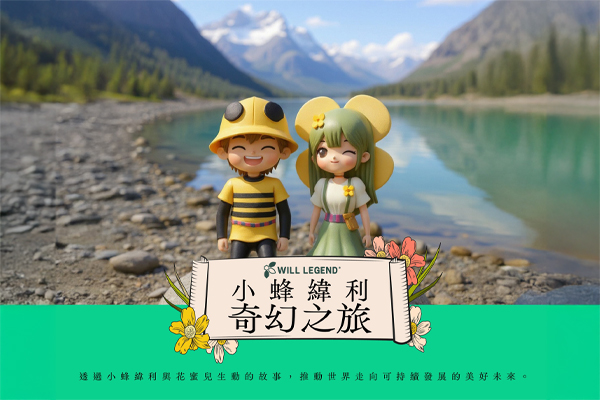
Will Legend looks forward to everyone joining the “The Legend of Will”. We hope that everyone will gain wisdom on this legendary journey and connect to a sustainable future for mankind!
“Willy Bee – The Journey of Glacier, Land and Ocean” is a storybook written by William Hung (Founder and CEO of Will Legend). The story uses education as its starting point, paints as its medium, and climate change as its goal, promoting a peaceful, healthy, and prosperous society. Through the journey of Willy Bee and Flowery across the “Third Pole Glacier Journey”, highlighting the need to protect not only glaciers but also land and oceans, safeguarding the health of the Planet Earth holistically. The storybook conveys the philosophy of harmonious coexistence between humans and nature, to children, young people, and the public, driving the world towards a bright future of sustainable development.
The book consists of three chapters, with SDG experiential learning appendix. The content is suitable for kindergarten, primary, and secondary school students. Its epic, vivid, and engaging storytelling makes it an ideal choice for parent-child reading. Through a fantastical journey and engaging characters and scenes, the story conveys to every citizen of Earth the message that protecting the land is equivalent to protecting food, protecting the ocean is equivalent to protecting the air, and protecting glaciers is equivalent to protecting water resources. Water, food, and air are the most vital elements for human life and indicators of the “health” of the entire planet.
Glacier and Water. Perhaps we have not yet felt the immediate threat. But imagine if all the mountain glaciers — the “World’s Water Towers” disappeared, and the ice sheets at the Antarctica and the Arctic were completely depleted., as a coastal city, could Hong Kong, and other low-lying countries on Earth, escape the threat of rising sea levels and flooding? Therefore, protecting the glaciers of Antarctica, the Arctic, the Third Pole, and the mountains is one of humanity’s most pressing challenges. This is the creative background for “A Legend of Will” a journey across the Qinghai-Tibet Plateau, starting with the No. 1 Glacier in the Tianshan Mountains of Xinjiang and the Dagu Glacier in Sichuan, to tell the story of Hong Kong’s glaciers and save the Earth’s vital glaciers. This also protects vital elements for human life—water, food, and air.
Land and Food. Land occupies about one-third of the Earth. It is the source of human life, and the cradle of human civilization. Forests cover nearly 31% of the global land area and are home to more than 80% of terrestrial animal, plant, and insect species. With urban development and increased pollution, the overuse of toxic pesticides in cultivated areas, green spaces, and areas where humans and animals coexist is severely impacting terrestrial ecosystems. Bees play a vital role in addressing global food security and eradicating hunger in developing countries. Willy Bee encourages the public to work together to plant flowering plants, protect bees, and create “Urban Wildlife Corridor” in and around cities to promote biodiversity and ensure food harvests. The public can contribute to protecting the health of terrestrial ecosystems through “Sustainable Health Service” as a everyday measure to address climate change. In doing so, we are also protecting the health of the Earth and the future of humanity.
Ocean and Air. The ocean covers over 70% of the Earth, supporting human life and every living thing on Earth. It exhales at least 50% of the Earth’s oxygen and absorbs approximately 30% of its carbon dioxide, mitigating the effects of climate change. The meltwater from the Tianshan glaciers turns into an ice lake, which nurtures the gifts “Seafood” from the ocean. Meltwater from glaciers creates an “Ocean on Land,” nurturing the “farthest from the ocean” sustainable fisheries (sustainable fisheries development). This reduces the burden on the ocean, helps increase incomes for local people, and accelerates rural revitalization and rural development. Glaciers and land collaborate to protect a healthy ocean, “Let the Ocean Breathe”. Glacier meltwater nurtures healthy “Land and Food”, and creates “Ocean and Air”, ocean breathes and preserves “Glacier and Water”. Nature is a chain of links.
“Willy Bee – The Journey of Glacier, Land and Ocean”
Chapter 2: Willy Bee and Flowery Across the Ocean (Ocean and Air)