


“Symphony Hong Kong, Beautiful Xinjiang, Integration of Two Places” — Practicing Environmental Protection and Ethnic Integration
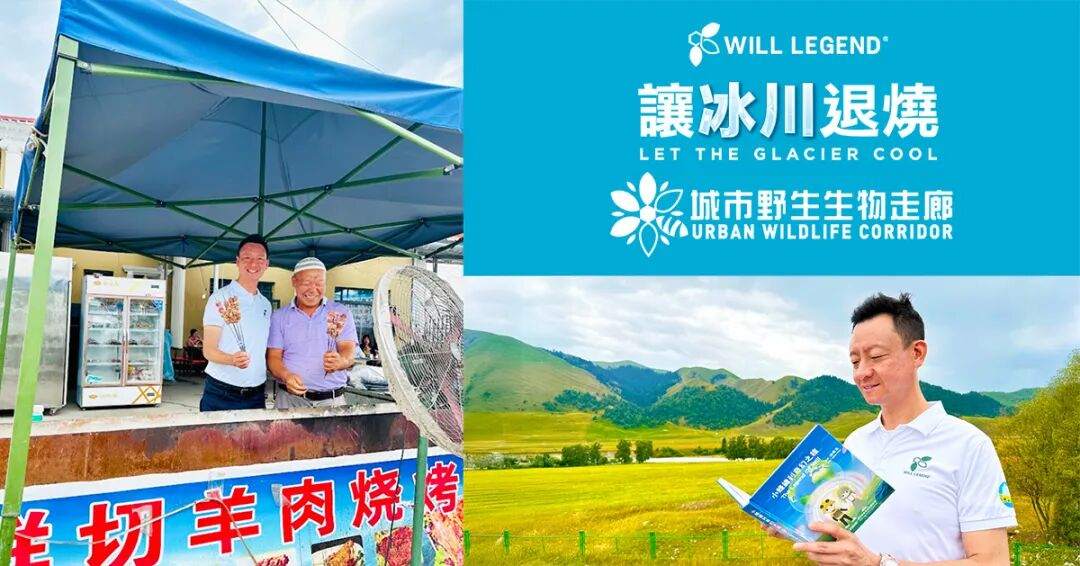
Located at an altitude of 1,800 meters in Ili Prefecture, Xinjiang, the “Bee Town” soars along the Hundred Mile Gallery at the foot of the Tianshan Mountains. Working hand-in-hand with beekeepers, it protects the “Black Bee Tribe”, promoting biodiversity and ensuring bountiful harvests. Green industries in Kalasuxiang (Kalasu Township) are taking root in the Tianshan glacial lakes, contributing to the development of a livable city. Nileke County in Ili Prefecture, through its deep cultivation of the bee industry, glacial salmon integrates bee conservation and sustainable fisheries into its green development.
Like many beekeeping businesses in rural and mountainous areas, the beekeepers in the Bee Town may disappear without a trace. Similarly, herders in mountainous areas are also subject to factors such as weather, geography, and environmental changes, and may not be able to have a good harvest every year. However, with the participation of Hong Kong Will Legend, the Bee Town, Salmon Base have been transformed into an ecotourism and science outreach platform, promoting green development and effectively turning “beautiful scenery” into “green economy”. Will Legend leads representatives from Hong Kong businesses and organizations, along with teachers and students, to visit local communities and schools, introducing each other’s culture and landscape, enhancing mutual understanding, and planting the seeds of national unity and cultural integration.
The balance between humans, social, and economic development and nature conservation has been a dilemma for some time. The main reason is that the public often sees both sides as opposing forces: either prioritize human, social, and economic development at the expense of nature, or prioritize nature at the expense of human civilization. Today, we hope to use the example of Bee Town and glacial salmon to explore with the public whether humans, society, and economy and nature should be integrated to achieve a sustainable future for both humans and nature.
Will Legend is a Green Enterprise Dedicated to Environmental Protection and Social Philanthropy
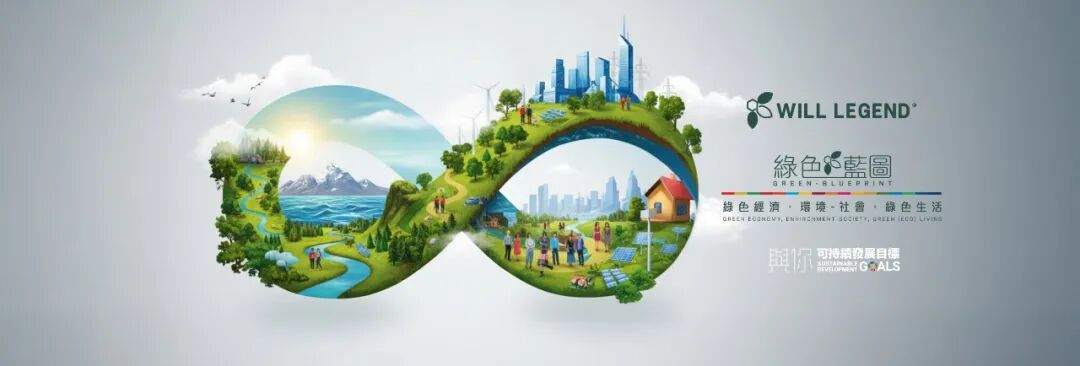
Will Legend advocates for the integration of conservation, education, and social philanthropy activities to promote a balanced coexistence between humans, society, economy, and nature, and to implement the Sustainable Development Goals (SDGs) and Climate Goals, taking action to address the climate crisis and poverty. This aligns with President Xi Jinping’s spirit of promoting the UN 2030 Agenda for Sustainable Development. Will Legend fully integrates the core philosophy of the “Green-blueprint”, the harmonious coexistence between humans and nature, into the mission of “Integration of Two Places” – that is, ethnic integration. This connects different sectors and people in both places, implementing conservation, education, science outbreak, cultural exchange, and sustainable development goals. This is the origin of “Green-blueprint – Ethnic Integration”. This innovative initiative has also led to the “Symphony Hong Kong, Beautiful Xinjiang, Integration of Two Places” Campaign.
“Green-blueprint: The Integration of Glacier, Land, Ocean”
Will Legend has established the “Green-blueprint” based on the philosophy of integrating glaciers, land, and oceans, making it the core of conservation and education. It then bridges scientific research and corporate social responsibility, promoting green development and the ESG and SDG sustainable development goals through science outreach to address the climate crisis and poverty. Sustainable Health Service® and Reduce 96.7%™ Low Carbon Products serve as everyday measures to combat climate change, protecting the health of the planet and the well-being of humanity, working together to embark on the path of integrating “humans, society, economy, and nature”. Glacial meltwater forms the source of rivers, nurturing life on land and in the oceans; land and oceans absorb greenhouse gases, mitigating global warming and protecting glaciers, the source of freshwater. This is Will Legend’s “Green-blueprint: The Integration of Glacier, Land, Ocean”.
“Green-blueprint” A Balanced Coexistence of Humans, Society, Economy, and Nature
The “Green-blueprint” begins with protecting glaciers by “Let the Glacier Cool”. Glacial meltwater creates “Oceans on Land,” and the Tianshan glacial lakes “Let the Ocean Breathe”. Glacial meltwater converges to form river sources, nurturing the vibrant Tangbula “Urban Wildlife Corridor”. Land and oceans absorb greenhouse gases, mitigating global warming and protecting glaciers, the source of freshwater. The Bee Town located at an altitude of 1800 meters at the foot of the Tianshan Mountains, embodies the SDG15 principle of protecting, restoring, and promoting the sustainable use of terrestrial ecosystems. The Ili River Valley salmon base, located “farthest from the ocean” represents a sustainable fisheries initiative based on SDG14, aimed at protecting and sustainably utilizing the ocean and its resources. This green transformation drives a green economy, reduces the burden on the ocean, helps increase the income of local people, accelerates rural revitalization, and achieves a harmonious integration of humans, society, economy, and nature. Will Legend, together with the government of Nileke County in Ili Prefecture and green enterprises, safeguards “Glacier and Water, Land and Food, Ocean and Air”, promoting the ice and snow economy to enrich rural areas, increasing the economic income of local homestays and catering, and helps people in mountainous areas to get rich.
“Green-blueprint” Draws a Blue Earth for 2050
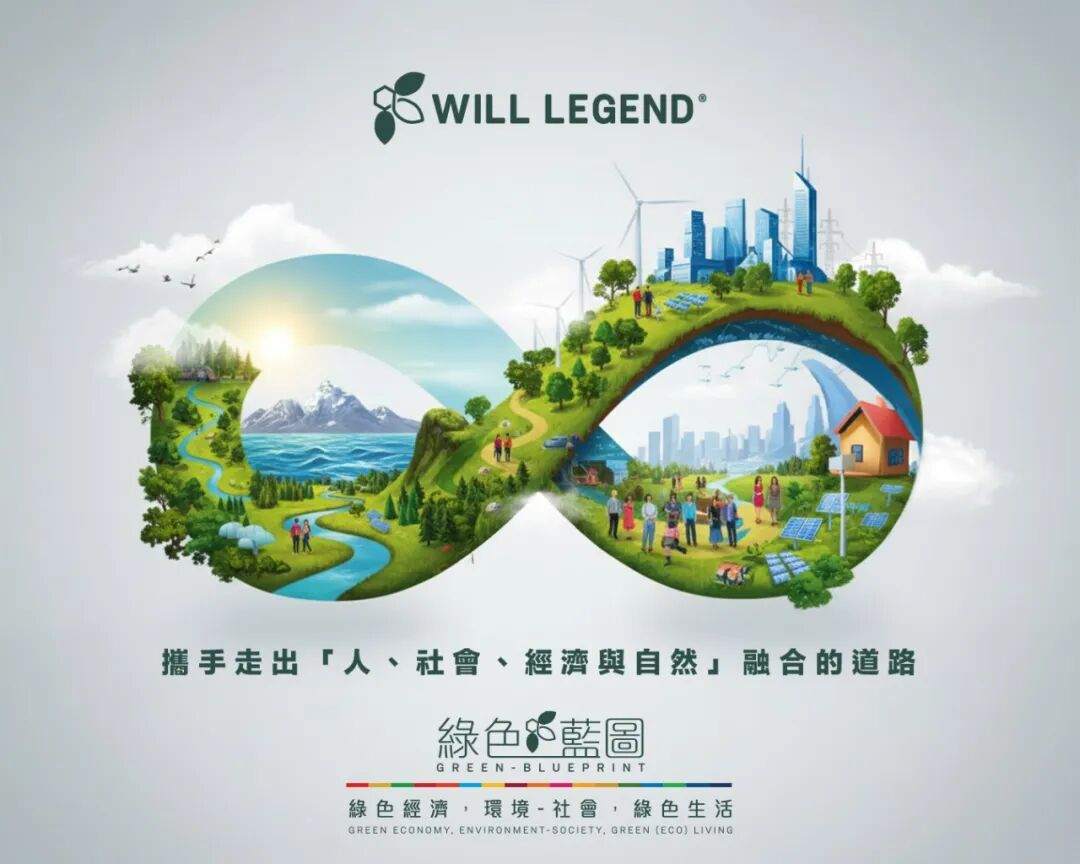
This article aims to showcase how Will Legend is building conservation and education programmes in Xinjiang, promoting the integration of glaciers, land, and ocean, and connecting the people of both places to move the world towards a bright future of sustainable development. “Let the Glacier Cool” Practicing Climate Action SDG13. Taking action to combat climate change, embarking on the source of Urumqi River, Xinjiang Tianshan Glacier No. 1, practicing “When Drinking Water, Remember Its Source. Same Roots, Same Heart”, tracing back to the source of fresh water (SDG6). Fostering two-places integration, inclusive communities, sharing of the economic achievements, harmonious coexistence between humans and nature, Sustainable Development Goals (SDGs) and the Climate Goals. “Urban Wildlife Corridor” Practicing Preserves Life On Land SDG15. Soaring in the heart of Xinjiang’s Tianshan Mountains-Tangbula, advocating for planting flowering plants, protecting bees, and adopting “Sustainable Health Service” as everyday measures to combat climate change. Working together with bees to, restore land and regenerate forests, achieve a livable climate, create livable cities, foster human health and well-being. “Let The Ocean Breathe” Practicing Preserves Life Below Water SDG14. Leaping into the glacial lakes of Xinjiang Tianshan Glacier meltwater, creating an “ocean on land”, building sustainable fisheries where “furthest from the ocean” as conserving and sustainably use the oceans, seas and marine resources. Fostering everyday measures to combat climate change, green transition, green economy, alleviating the burden on the ocean, helping increase incomes for local people, accelerating rural revitalization. Glacier meltwater nurtures healthy “Land and Food”, and also creates “Ocean and Air”, ocean breathes and preserves “Glacier and Water”. The “Green-blueprint – Glacier, Land, and Ocean” represent the conservation and education programmes of “Let the Glacier Cool, Urban Wildlife Corridor, and Let the Ocean Breathe” respectively, and are closely linked to the United Nations Sustainable Development Goals (SDGs) and Climate Goals. The purpose is to inspire people to live in balance with nature and fundamentally protect the most important elements of human life – water, food and air.
Nileke County, Ili Prefecture Serves as an Example of the Integration of Humans, Society, Economy, and Nature
May 20, 2022, Will Legend founded the “Urban Wildlife Corridor” Conservation and Education Programme and became the founding organization. Land, covering approximately one-third of the Earth’s surface, is the source of human life and the cradle of human civilization. Nearly 31% of land is forest, home to over 80% of terrestrial animal, plant, and insect species. The “Urban Wildlife Corridor” features bees and sunflowers as its protagonists, developing a three-step process: First, protecting bees, then having bees protect forests, and finally, protecting food and biodiversity. Furthermore, through the story of “The Legend of Will”, the philosophy of safeguarding glaciers, land, and oceans is presenting to the public in a simple and easy-to-understand story.
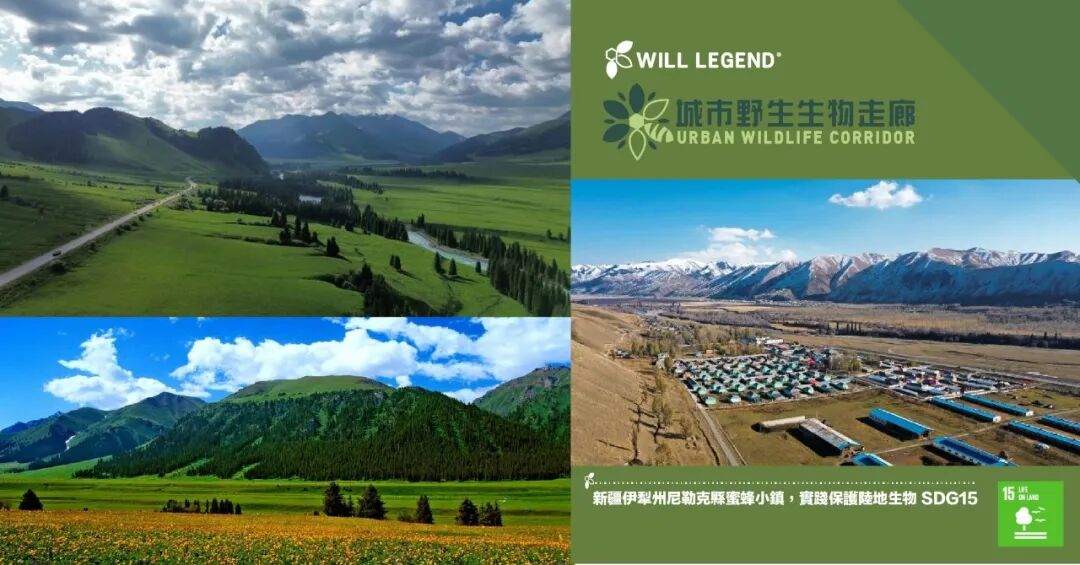
Located at an altitude of 1,800 meters in Ili Prefecture, Xinjiang, the “Bee Town” soars along the Hundred Mile Gallery at the foot of the Tianshan Mountains. Working hand-in-hand with beekeepers, it protects the “Black Bee Tribe”, promoting biodiversity and ensuring bountiful harvests. Green industries are taking root in the Tianshan Mountains, contributing to the development of a livable city. Nileke County in Ili Prefecture, through its deep cultivation of the bee industry, integrates bee conservation with ecological construction and cultural tourism. “Home for Bees, Sunflower Biodiversity Charging Station, and Sustainable-Health-Service” combine to form the “Urban Wildlife Corridor” – practicing the protection of bees, flowering plants, creating a healthy land. On one hand, it increases the quantity and quality of agricultural production; on the other hand, it promotes forest regeneration, restores land, enhances drought resistance, achieves goals of a livable climate and biodiversity, reduces food shortages, and promotes human health and well-being. Like many beekeeping businesses in rural and mountainous areas, the beekeepers in Bee Town could have simply disappeared without a trace. However, with the involvement of Will Legend, Bee Town has transformed into an ecotourism and science outreach platform, promoting green development and effectively turning “beautiful scenery” into “green economy.” The balance between humans, social, and economic development and nature conservation has been a dilemma for some time. The main reason is that the public often sees both sides as opposing forces: either prioritize human, social, and economic development at the expense of nature, or prioritize nature at the expense of human civilization. Today, we hope to use the example of Bee Town to explore with the public whether humans, society, and economy and nature should be integrated to achieve a sustainable future for both humans and nature.
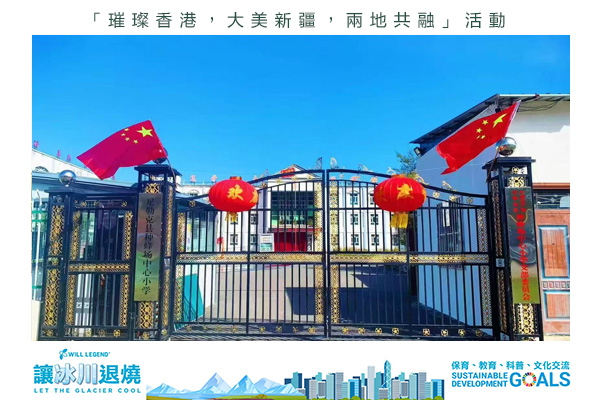
The ethnic minorities in Nileke County have lived there for generations. Thanks to the development of ecotourism, they have gained new employment opportunities, including tourism-related jobs, becoming forest rangers, or working in bee industry parks. Together, they are committed to the sustainable development of the land (Tangbula), truly embodying the principle of “Use natural resources moderately for economic development, and then give back to nature and society with economic achievements”. Because of this economic development, even those living in mountainous or rural areas can obtain decent work and economic growth, promoting lasting social peace and community integration. SDG-in-China™ Research Trip, Academic Study Tour visit different ethnic groups, practicing conservation, education, science outreach, cultural exchange, and sustainable development. Visit local communities and schools to introduce each other’s cultures and geography, enhance mutual understanding, and sow the seeds of national unity and cultural integration. Thanks to the establishment of the “Symphony Hong Kong, Beautiful Xinjiang, Integration of Two Places” platform, Nileke County, including the Bee Town and glacial salmon has gained more public attention and resources, as well as more support from scientists. Local people are better able to protect the ecosystem, and local businesses have better incentives to profit while coexisting with the natural environment. The green transition has also driven the surrounding green economy and enhanced cultural exchange, allowing people in mountainous areas to share in the economic achievements. Ultimately, this achieves a harmonious integration of humans, society, economy, and nature.
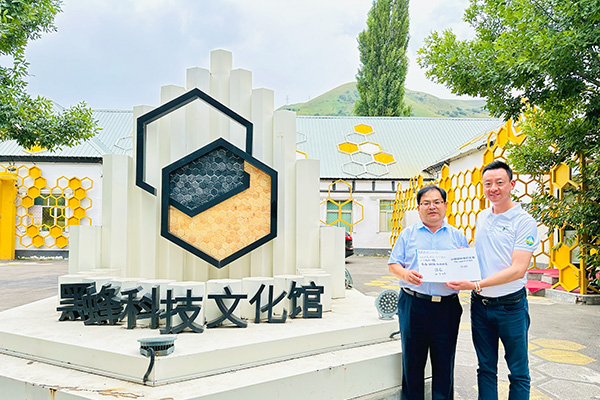
Tangbula is a general name for the grassland landscape of the Kashi River Canyon in Nileke County. The Xinjiang Black Bee Nature Reserve is located in Tangbula in the hinterland of the Tianshan Mountains, with an average altitude of about 1,800 meters. This area boasts high-quality grasslands and vegetation, and is rich in nectar-producing plants. There are over 260 species of wild flowers, 76 of which have traditional Chinese medicine and health benefits. Medicinal plants such as codonopsis pilosula, motherwort, fritillaria, wild mint, thyme, and dandelion are highly nutritious. From June to August each year, these plants bloom in full bloom, these are the best nectar sources for Xinjiang black bees. This is why Third Pole Glacier Honey™ (Xinjiang Black Bee Honey) has a Baume degree(°Bé)of 42 degrees or higher. Today, Nileke County has built a national black bee reserve and conservation farm, becoming a benchmark for the development of the national bee industry. At present, Nileke County has 504 bee farmers, 60,000 bee colonies, an annual honey production of more than 1,200 tons, and a bee industry output value of more than 120 million yuan, which has become a pillar industry for rural revitalization. Nileke County protects the natural ecology and bees, and uses bee-themed tourism to support the honey industry chain, fully demonstrating the integration of humans, society, economy and nature.

Will Legend has joined hands with the officials and green enterprises of Nileke County, Yili Prefecture, to show the public a sustainable city led by bees. By protecting bees, the bee industry is promoted in the city, including bee-themed hotels and Third Pole Glacier Honey™. At the same time, it sets an example of sustainable cities for major cities everywhere, and builds a nearly 100-kilometer-long “Urban Wildlife Corridor” between forests and cities, let the public understand the importance of protecting land and food. We will visit the Xinjiang Black Bee Reserve – Bee Town to learn how this bee city in the heart of the Tianshan Mountains demonstrates the sharing of economic achievements, inclusive societies, and harmonious coexistence between humans and nature, practices Sustainable Development Goals (SDGs) and Climate Goal. In terms of cultural exchange and experiential education, we will visit the Nileke County Bee Farm Primary School, Black Bee Science and Technology Culture Museum, the Black Bee Specimen Library, the Nectar Plant Specimen Library, the Honey Product Production Line, etc. This allows participants to more deeply appreciate the philosophy proposed by Will Legend: “Use natural resources moderately for economic development, and then give back to nature and society with economic achievements”. The Tangbula Baili Gallery (Hundred Mile Gallery) in Yili Prefecture, Xinjiang not only protects biodiversity and food, but also connects to the sustainable future of mankind.
Tianshan Glacial Lakes (Oceans on Land) “Let the Ocean breathe”
On June 8, 2023, Will Legend founded the “Let The Ocean Breathe” Conservation and Education Programme and became the founding organization. The ocean covers over 70% of the Earth, supporting human life and every living thing on Earth. It exhales at least 50% of the Earth’s oxygen and absorbs approximately 40% of its carbon dioxide, mitigating the effects of climate change. Given the vastness of the ocean, past conservation efforts have either been broadly framed as “protecting the ocean” or focused on protecting individual marine species. However, implementation has proven elusive. While raising public awareness is crucial, it’s often difficult to get people up close, to see, and touch. With this in mind, the “Let the Ocean Breathe” uses three key elements: The Ocean Crossing Journey of Small Algae & Big Whale, Jointly Promoting Ocean Preservation Initiatives with National Agencies, Visit to the Tianshan Glacial Lake (Ocean on Land) to Explore Sustainable Fisheries. Ultimately, we aim to simultaneously implement philosophy and practices, collaborating with scientists, representatives of enterprises and organizations, teachers, students, and the public to promote a sustainable future for humanity and nature.
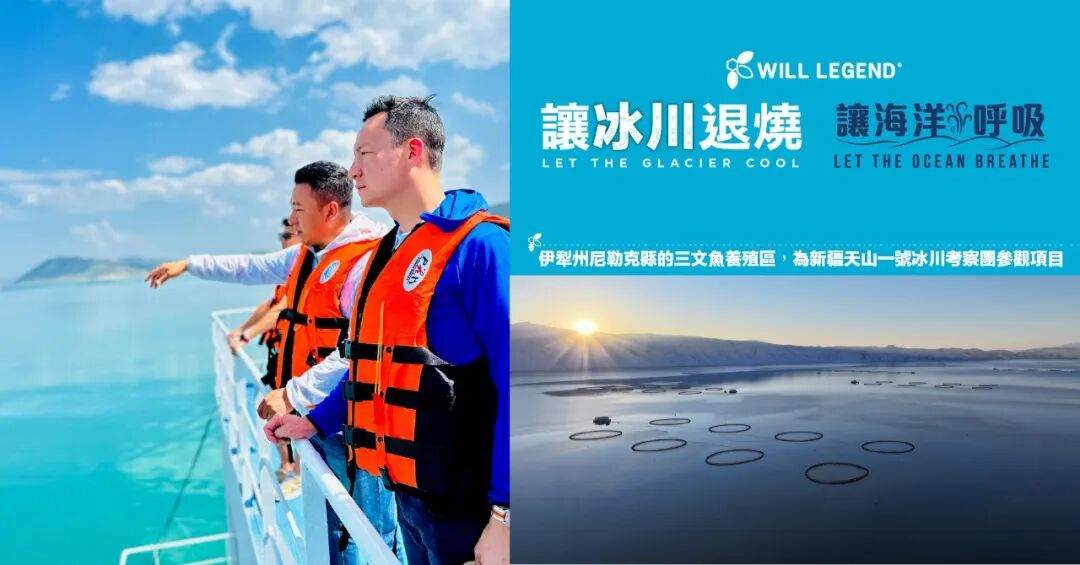
Gifts from the ocean, sustainable fisheries on the glaciers. Meltwater from the Tianshan glaciers creates glacial lakes, nurturing “seafood”, a gift from the sea. This glacial meltwater creates an “Ocean on Land”, building sustainable fisheries where “farthest from the ocean” as conserving and sustainably use the oceans, seas and marine resources. Green transition promotes green economy, alleviating the burden on the ocean, helping increase incomes for local people, and accelerates rural revitalization. Glaciers and land collaborate to protect a healthy ocean, “Let the Ocean Breathe”. “Let the Ocean Breathe” – By absorbing heat and carbon dioxide, the ocean plays a vital role in mitigating the impacts of climate change. It also produces at least 50% of Earth’s oxygen. “Let the Ocean Breathe” advocates for protecting the ocean by reducing carbon emissions, overfishing, and pollution, thereby restoring marine biodiversity and ecosystems. Through sustainable fisheries, Will legend hopes to increase the supply of fish for food, reduce global overfishing, and provide the ocean with a breathing space.
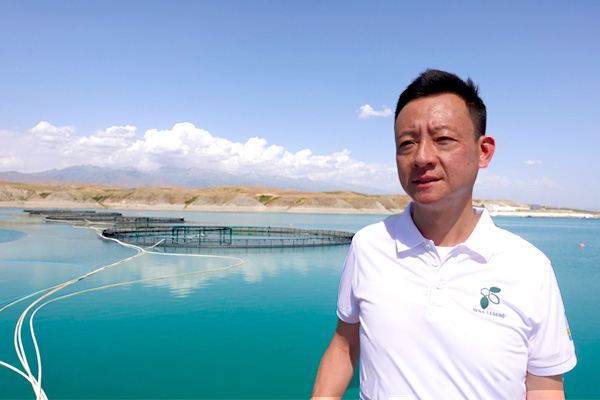
Glaciers become frozen lakes, nurturing sustainable fisheries. The meltwater from the Tianshan glaciers passe through the continuous Tianshan Mountains and rushes to the Yili River Valley, giving birth to the ecologically livable Yili in Xinjiang. Building an “Ocean” on this land in the hinterland of the Tianshan Mountains fully demonstrates the integration of Glacier, Land and Ocean. Sustainable fisheries contribute to ocean sustainability: avoiding overfishing, restoring marine biodiversity, and letting the ocean breathe. Let the public understand the importance of protecting the ocean and air. The ocean on land welcomes the gift of nature. In 2014, the first batch of high-quality triploid rainbow trout eyed eggs were transported from North America, Denmark and other places to the salmon base in Kalasu Township, Nileke County, Yili, Xinjiang. The waters in the world where this fish can be cultivated are rare, and the glacier snowmelt water from the Tianshan Mountains in Xinjiang is known as “holy water”. In cold water at about 8°C, the eggs are carefully cared for 60 days and hatched into fry. After another 4-6 months, the young fish finally enter the breeding cages.
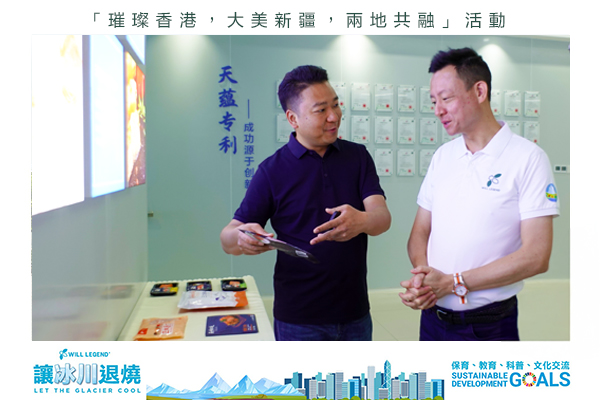
The salmon base is located in the Yili River Valley in Xinjiang – Nileke, with an average annual water temperature of about 12°C, an average water depth of about 150 meters, and a water surface area of about 186,000 acres. The fish fry hatchery produces 40 million fish per year. The Yili River Valley is rich in cold water resources due to the advantage of being mainly supplied by the meltwater of the Tianshan glacier. We will visit green companies and learn how to make full use of nature’s resources – using glacial water to breed salmon, accelerate rural assistance and rural revitalization. Participants will visit the salmon production line and learn about the positive development that sustainable fisheries bring to local people, communities, economy, and environment.
Build a Cradle of Ecosystem, Nurture Biodiversity
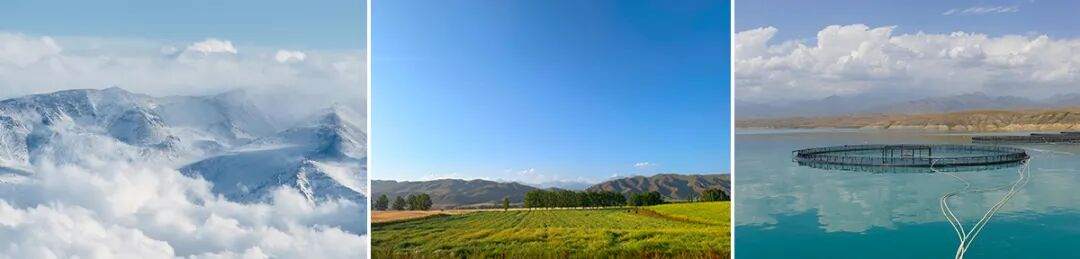
Biological diversity resources are the pillars upon which we build civilizations. Fish provide 20% of animal protein to about 3 billion people; Over 80% of the human diet is provided by plants; As many as 80% of people living in rural areas in developing countries rely on traditional plant‐based medicines for basic healthcare. The United Nations established the Kunming-Montreal Global Biodiversity Framework (also known as the Biodiversity Plan) with the purpose of promoting the belief of harmonious coexistence between humans and nature. It is hoped that different countries, organizations, and sectors can support the implementation of diversity in their own ways. Regarding biodiversity, it is easier for the public to understand that there are many types of plants and animals, and a large number of microorganisms are included. But it turns out that real biodiversity also includes ecosystems such as glaciers, rivers, forests, lakes, deserts, grasslands and oceans. To put it simply, all species on the Earth are interconnected. Each ecosystem has different connections, interactions and influences, and in the end, a beautiful Earth can be achieved. Safeguard the last piece of pure land on Earth, let the glacier cool, let the ocean breathe, run through the pulse to wildlife corridor, draw a “Green-blueprint”, build a cradle of ecosystem, nurture biodiversity, make human health and prosperity sustainable. Will Legend protects glaciers and water resources, food and biodiversity, marine ecology and clean air through the Glacier, Land and Ocean Programmes respectively.
“Green-blueprint 1.5°C” Cools the Earth  “Green-blueprint 1.5°C” mitigates climate change (global warming), safeguarding “Glacier, Land, Ocean”. In its 2022 report, UNESCO pointed out that if global warming can be controlled below 1.5°C, it is possible to save the remaining two-thirds of glaciers. Under the Paris Agreement, countries agreed to significantly reduce global greenhouse gas emissions to keep the long-term global average surface temperature increase to well below 2°C above pre-industrial levels, and to pursue efforts to limit the temperature increase to 1.5°C. The significance of 1.5°C lies in the fact that even a fraction of a degree of global temperature increase can have a significant impact. For some countries and fragile ecosystems, extreme weather events and their associated risks increase with each degree of global temperature increase. The scientific evidence is clear: to avoid the worst impacts of climate change and maintain a habitable planet, we must limit global warming as far as possible and make this a top priority (Intergovernmental Panel on Climate Change). The increasing emissions of greenhouse gases caused by human activities have led to global warming. The situation is like covering the Earth with a quilt, preventing heat from being reflected into space, causing the Earth’s temperature to rise. Currently, we are experiencing unprecedented rapid climate warming due to human activities, such as the greenhouse gas carbon dioxide produced by burning fossil fuels. As the temperature rises, the Earth also begins to suffer from “fever”. The reason is that everything, and all living things on the Earth are closely intertwined with each other. Once nature loses its ability to balance, humans will not be able to survive alone. “Green-blueprint 1.5°C” supports green development, fostering green economy, green financing (climate financing), new energy, green industries, ecological tourism, etc., reduce carbon emissions and respond to climate change. Supporting the Belt and Road Initiative to cooperate with developing countries, especially in developing green energy industries (such as solar, wind and hydropower projects, and digital management to increase the proportion of renewable energy generation), agricultural production capacity and ecological construction cooperation, helping traditional industries to achieve green transition, transforming them into green industries and building sustainable business models. At the same time, we also strongly advocate green enterprises, and industry chains to deeply participate in the ESG work of society and the community, on the one hand, to practice corporate social responsibility (CSR), on the other hand, to achieve the policy of corporate economic sustainability, jointly accelerate the green forwarding process, enable the world to reduce carbon emissions faster, achieve the “3060” carbon peak and carbon neutrality goals, and promote the sustainability of humans and nature. “Green-blueprint 1.5°C” supports the three UN “Rio Conventions” as important cornerstones for addressing the climate crisis. With the nation’s continued development, China has ranked first in power generation capacity in the world. In 1949, the annual power generation was only 4.3 billion kilowatt hours. Today, the figure has reached 9.5 trillion kWh (over 2,000 times growth). What is even more amazing is that renewable energy already accounts for one-third of society’s electricity consumption. As the largest country in photovoltaic power generation, and wind power installed capacity, China’s development of green energy is an important measure to deal with global warming and climate change. Will Legend believes that plans organized and led at the social and community levels can be implemented more effectively. By advocating for the “Integration of Glacier, Land, Ocean”, the “Green-blueprint” connecting the two places and different sectors to take action to address pressing global challenges, allowing the public and future generations to pay more attention to the health of the Earth.
“Green-blueprint” SDG-Green School Talk 
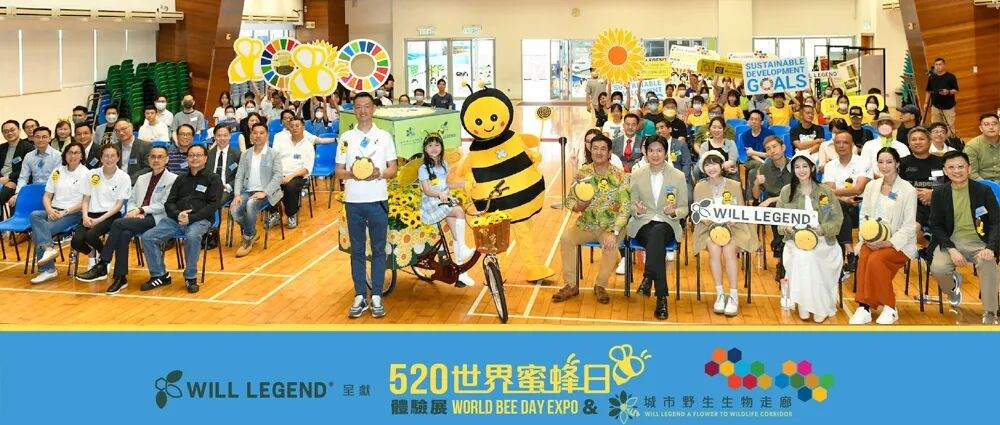
Since 2022, Will Legend has been continuously promoting its “Green-blueprint” and sustainable development in universities, primary and secondary schools, and kindergartens. Currently, against the backdrop of global warming, addressing climate change and mitigating the climate crisis has become one of the world’s major challenges. People from all sectors, including business, science, NGOs, and education, are eager to contribute and drive climate action. Therefore, Will Legend promotes its “Green-blueprint”—integrating glaciers, land, and ocean. Starting with “Let the Glacier Cool”, it then advances “Urban Wildlife Corridor” and “Let the Ocean to breathe”, simultaneously protecting glaciers, land, and ocean. We hope to implement these philosophies and practices, working hand in hand with scientists, business and organizational representatives, teachers, students, and the public to promote a bright future of sustainable development for humans and nature.
“Let the Glacier Cool – Xinjiang Tianshan Glacier No. 1 Journey”
Representatives from businesses and organizations, as well as teachers and students, can also participate in SDG-in-China™ Research Trip and Academic Study Tour. Through 1.5°C-ClimateAction™, they can experience the philosophy of “Integration of Glacier, Land, Ocean”, and practice sustainable development of Humans, Society, Economy and Nature. “Let the Glacier Cool – Xinjiang Tianshan Glacier No. 1 Journey” is a geoengineering, climate engineering project that everyone can participate in, and it is also one of the best human intervention measures to combat climate change. To take care of the planet, we must act “as a whole”—that is, protect glaciers, land, and oceans. Climate change (global warming) is the main cause of glacier retreat. Only healthy land (Urban Wildlife Corridor) and Oceans (Let the Ocean breathe) can control the temperature rise and fundamentally “Let the Glacier Cool”. This time, Will Legend uses “Glacier” as the starting point for climate action, hopes to promote the protection of the “White Giant (Glaciers)” and protect the river source of the people of both places. By visiting the source of Urumqi River, Tianshan Glacier No. 1, as an everyday measure to combat climate change, the public will better understand the importance of protecting “Glacier and Water” to humans, society, economy and nature. At the same time, Will Legend hopes to advocate “When drinking water, remember its source. Same roots, same heart” to trace the roots of Chinese culture through the “Let the Glacier Cool – Xinjiang Tianshan Glacier No. 1 Journey”, and nurture more young people in both places who care about the country and love the motherland.
“The Legend of Will” Conveys the Philosophy of Harmonious Coexistence between Humans and Nature
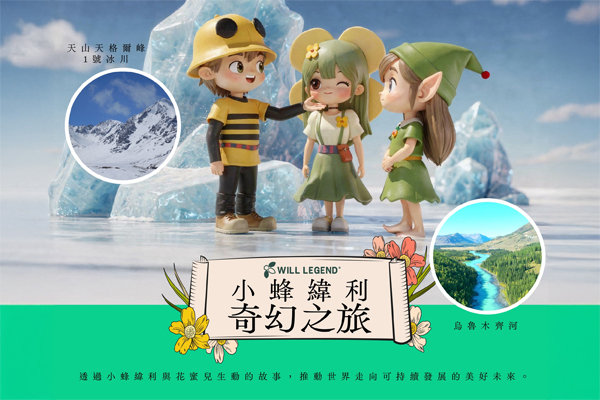
Will Legend looks forward to everyone joining the “The Legend of Will”. We hope that everyone will gain wisdom on this legendary journey and connect to a sustainable future for mankind!
“The Legend of Will” is a storybook written by William Hung (Founder of “Let the Glacier Cool”). Through the journey of the Willy Bee and Flowery across the “Third Pole Glacier Journey”, highlighting the need to protect not only glaciers but also land and oceans, safeguarding the health of the Planet Earth holistically. The story conveys the philosophy of harmonious coexistence between humans and nature, to children, young people and the public, driving the world towards a bright future of sustainable development. Perhaps we have not yet felt the immediate threat. But imagine if all the mountain glaciers — the “World’s Water Towers” disappeared, and the ice sheets at the Antarctica and the Arctic were completely depleted., as a coastal city, could Hong Kong, and other low-lying countries on Earth, escape the threat of rising sea levels and flooding? Therefore, protecting the glaciers of Antarctica, the Arctic, the Third Pole, and the mountains is one of humanity’s most pressing challenges. This is the creative background for “A Legend of Will” a journey across the Qinghai-Tibet Plateau, starting with the No. 1 Glacier in the Tianshan Mountains of Xinjiang and the Dagu Glacier in Sichuan, to tell the story of Hong Kong’s glaciers and save the Earth’s vital glaciers. This also protects vital elements for human life—water, food, and air. Land occupies about one-third of the Earth. It is the source of human life, and the cradle of human civilization. Forests cover nearly 31% of the global land area and are home to more than 80% of terrestrial animal, plant, and insect species. With urban development and increased pollution, the overuse of toxic pesticides in cultivated areas, green spaces, and areas where humans and animals coexist is severely impacting terrestrial ecosystems. Bees play a vital role in addressing global food security and eradicating hunger in developing countries. Willy Bee encourages the public to work together to plant flowering plants, protect bees, and create “Urban Wildlife Corridor” in and around cities to promote biodiversity and ensure food harvests. The public can contribute to protecting the health of terrestrial ecosystems through “Sustainable Health Service” as a everyday measure to address climate change. In doing so, we are also protecting the health of the Earth and the future of humanity.
The ocean covers over 70% of the Earth, supporting human life and every living thing on Earth. It exhales at least 50% of the Earth’s oxygen and absorbs approximately 40% of its carbon dioxide, mitigating the effects of climate change. The meltwater from the Tianshan glaciers turns into an glacial lake, which nurtures the gifts “Seafood” from the ocean. Meltwater from glaciers creates an “Ocean on Land,” nurturing the “farthest from the ocean” sustainable fisheries (sustainable fisheries development). This reduces the burden on the ocean, helps increase incomes for local people, and accelerates rural revitalization and rural development. Glaciers and land collaborate to protect a healthy ocean, “Let the Ocean Breathe”. Glacier meltwater nurtures healthy “Land and Food”, and also creates “Ocean and Air”, ocean breathes and preserves “Glacier and Water”. Nature is a chain of links.
原文來源: 微信公眾號原文