


FLAGSHIP CONSERVATION & EDUCATION
GLACIERS · WATER · CLIMATE
“Let the Glacier Cool” Conservation and Education Programme
Imagine a glacier with a fever.
What does it have to do with our lives?
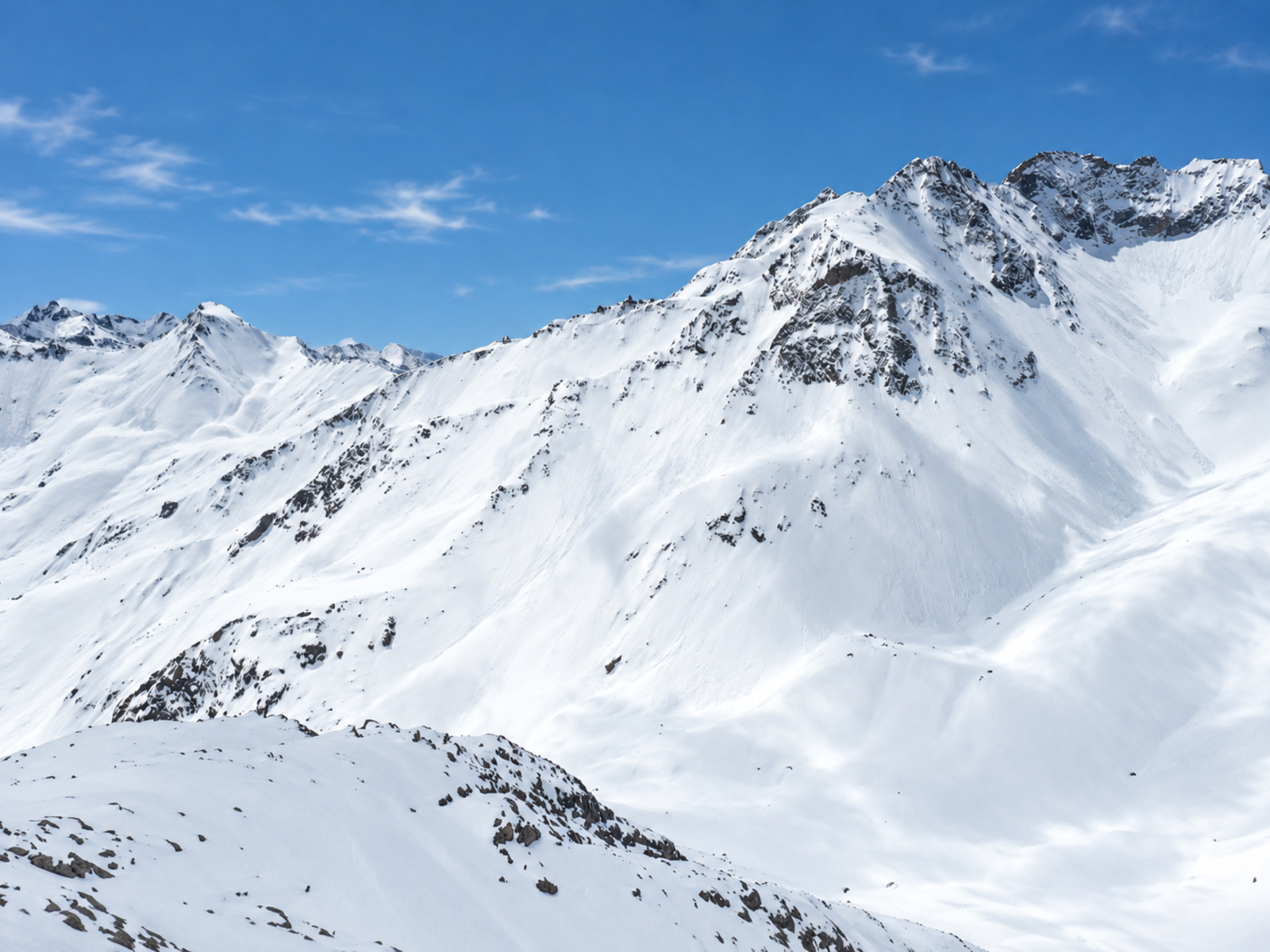

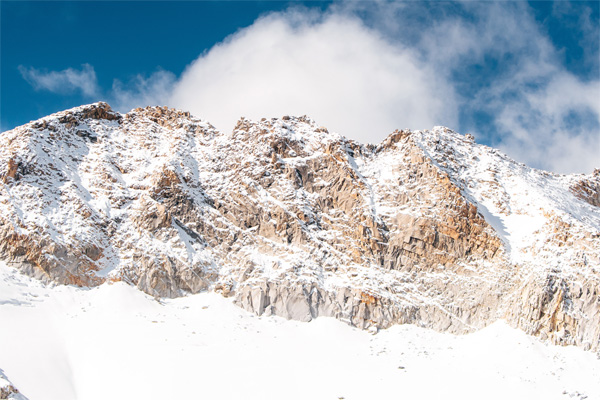
We may not see glaciers every day, but we need water every day. Let the Glacier Cool begins with this everyday connection. Stories, films and visits help people of different ages explore glaciers and water.
From Hong Kong, Will Legend works with researchers, schools, glacier sites and other partners to turn expert knowledge into learning and activities people can understand and join.
THE QUESTION
Why does a glass of water connect Hong Kong with glaciers?
Can our everyday lives really exist without nature? With food and air, what else do we need to survive? A seemingly ordinary glass of water became a starting point for programme founder William Hung to think about glaciers and our future.
Living in Hong Kong, we may not see glaciers retreat, yet we depend on water every day—for drinking, cooking, cleaning, agriculture and production. Local catchments cannot meet all of Hong Kong’s water needs, so the city draws on several sources. As a coastal city, Hong Kong must also consider rising sea levels and coastal risks.
“Could glacier conservation, which feels so distant to many people, become accessible education—something connected to daily life and a glacier journey people can experience for themselves?”
These questions inspired William to turn a broad vision into practical action. From Hong Kong, Will Legend connects researchers, schools and partners to help people appreciate water and consider how today’s choices shape the next generation’s future. This connection concerns shared water and climate challenges; it does not mean Hong Kong receives its water directly from Tianshan glaciers.
A snowflake turns into ice
flowing from the mountains to distant lands
♪ GREEN-BLUEPRINT · LYRIC EXCERPT
I love doing something to help nature and society, not just for now, but also for the future.
— William Hung
Founder and Chief Executive Officer, Will Legend
GREEN-BLUEPRINT
One drop of water. Glaciers, land and oceans connected.
Water sustains life. As it changes between gas, liquid and solid, it participates in Earth’s water cycle, climate and ecosystems. Glaciers store freshwater, and their meltwater sustains rivers, land and communities in some catchments. Rivers connect land with the oceans.
Marine phytoplankton absorb carbon dioxide and release oxygen through photosynthesis, participating in the carbon cycle. Glaciers, land and oceans influence one another and are closely connected with the water, food and air we need.
Green-blueprint begins with glaciers as a way for the public to understand climate action, then extends to land and oceans—caring for Earth as a whole. Everyday participation can begin on land: growing suitable flowering plants, caring about pollinators, conserving resources, reducing pollution and adopting greener, healthier lifestyles.
Each project has a practical task to deliver and a wider meaning to communicate. Slowing global warming and glacier loss still requires sustained reductions in human-caused greenhouse gas emissions, alongside research, conservation, adaptation, education and cross-sector collaboration.
Glaciers & water
Understanding freshwater and climate
Land & food
Understanding pollination and biodiversity
Oceans & air
Understanding marine ecosystems and the carbon cycle
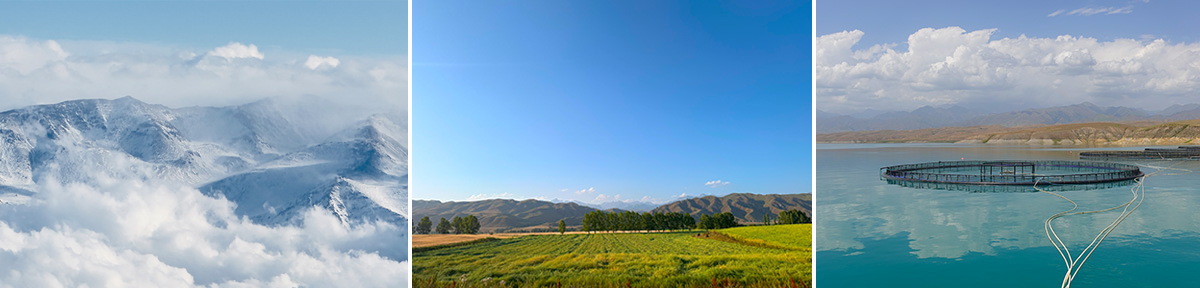
Glaciers, land and oceans | Educational imagery
SCIENCE ↔ SOCIETY
Bringing science into everyday life. Connecting action with science.
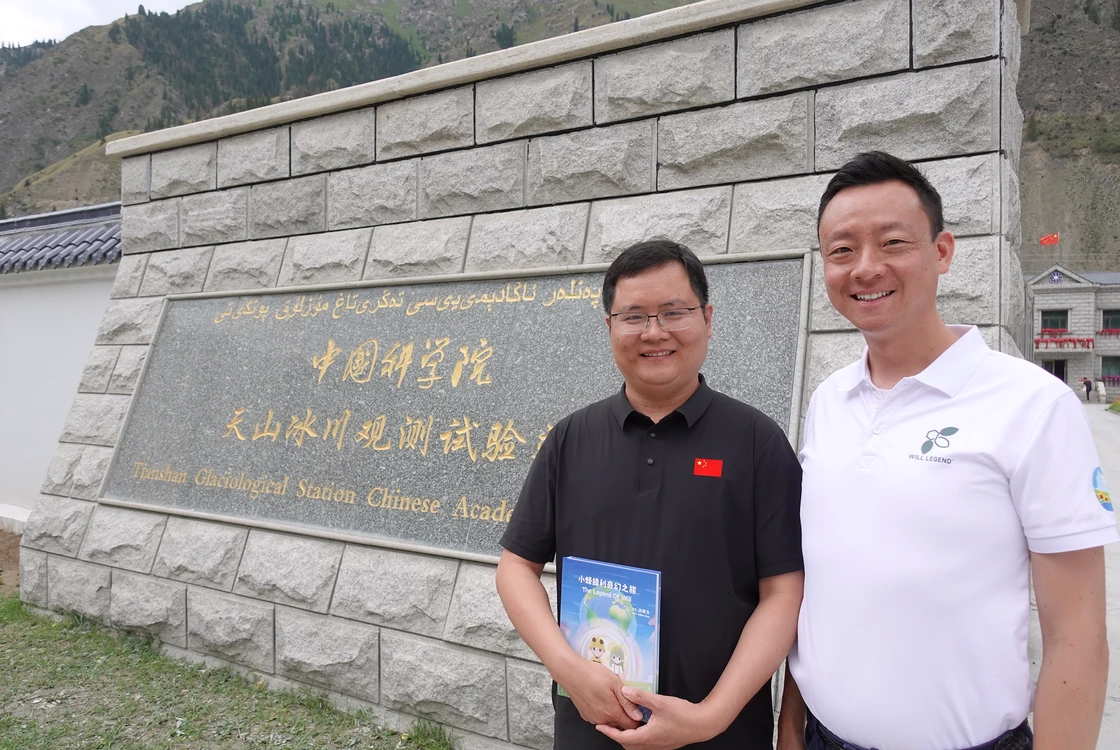
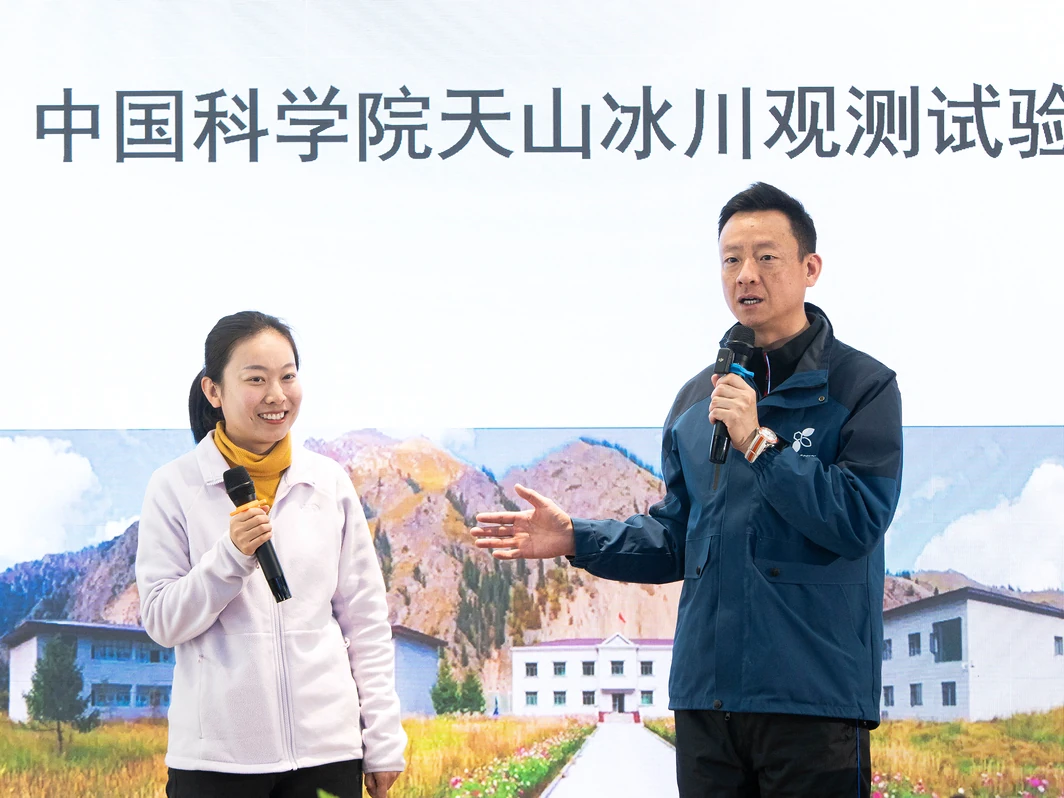
William Hung and researcher Wang Feiteng | Tianshan research exchange
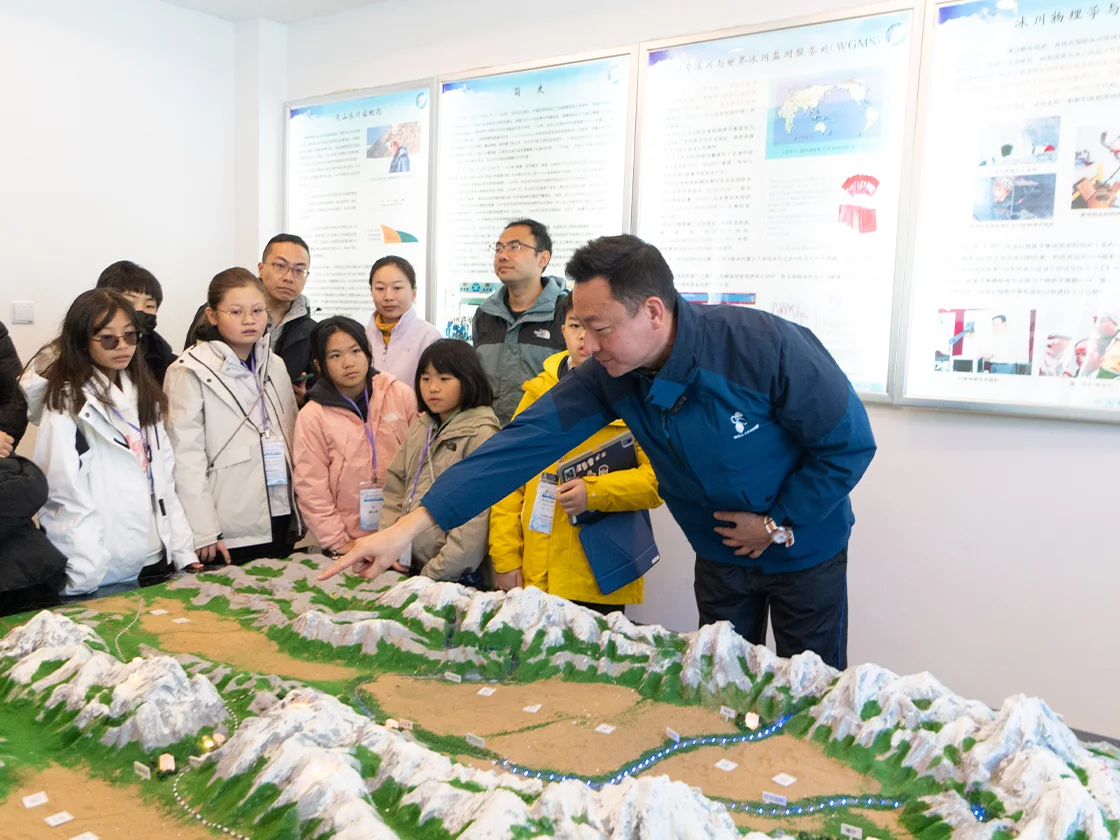
Research sharing | Tianshan Glaciological Station
Scientists help us understand glaciers and water through years of observation and research. Will Legend thanks researchers Li Zhongqin and Wang Feiteng, and the scientists who share their knowledge through research and education.
When explaining warming to a child, we might begin by imagining a glacier with a fever. This familiar comparison invites questions and care. We then explain the science. Books, films, music and visits offer different ways to learn. Scientists guide and check the science. Will Legend connects content, audiences and delivery.
The bridge works in both directions. It brings research into everyday life. It also connects public questions, school needs and resources from businesses and organisations with science communication and conservation projects. Glacier sites give visitors and students a real place to ask questions and learn.
Businesses, organisations and schools can commission projects designed around their goals and participants. Clear roles, resources and delivery plans help the work happen. Income supports the team, expert review and continued work.
UPCOMING / 6–8 NOVEMBER 2026
Green-blueprint film and music video premieres at Dagu Glacier
Second symposium on glacier conservation | Left image
Dagu Glacier academic programme | Right image
Let the Glacier Cool — Second Symposium on Glacier Conservation
6–8 November 2026 | Heishui, Sichuan · Dagu Glacier
The Northwest Institute of Eco-Environment and Resources, Chinese Academy of Sciences, and the Sichuan Dagu Glacier Administration Bureau organise the symposium. Will Legend is a co-organiser. William Hung is participating as a scientific committee member and preparing a contribution on SDG × AI and taking Let the Glacier Cool science communication further.
The Green-blueprint short film and music video will have their Mainland China premieres at the symposium. Stories, images and music invite audiences to explore the connections between glaciers, land and ocean. The film has seven language versions, offering different audiences a way into the story.
We hope the premieres will open a conversation with scientists and glacier sites about using these works in visitor introductions, science talks and learning visits. Partners will discuss any further use together.
06 NOV
Registration and preparation
07 NOV
Opening and academic sessions
08 NOV
Field visit and conclusion
THE JOURNEY SINCE 2023
From an idea and a reply to a bridge taking shape.
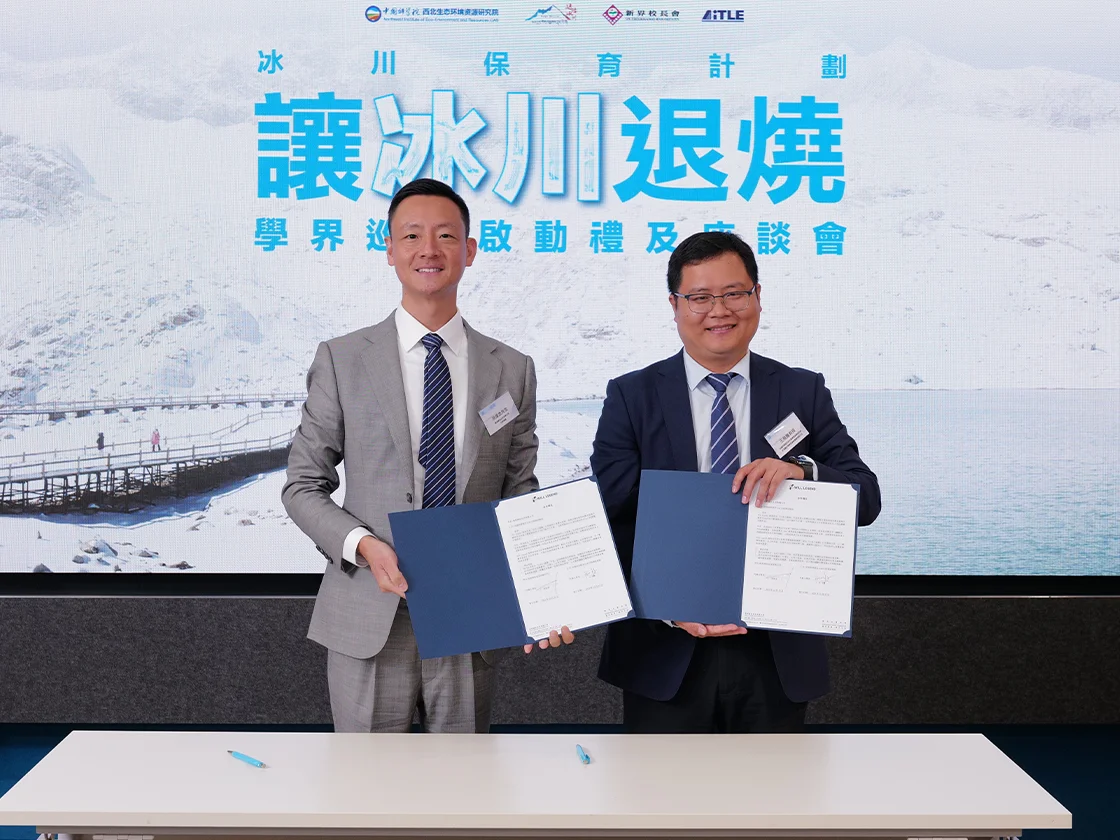
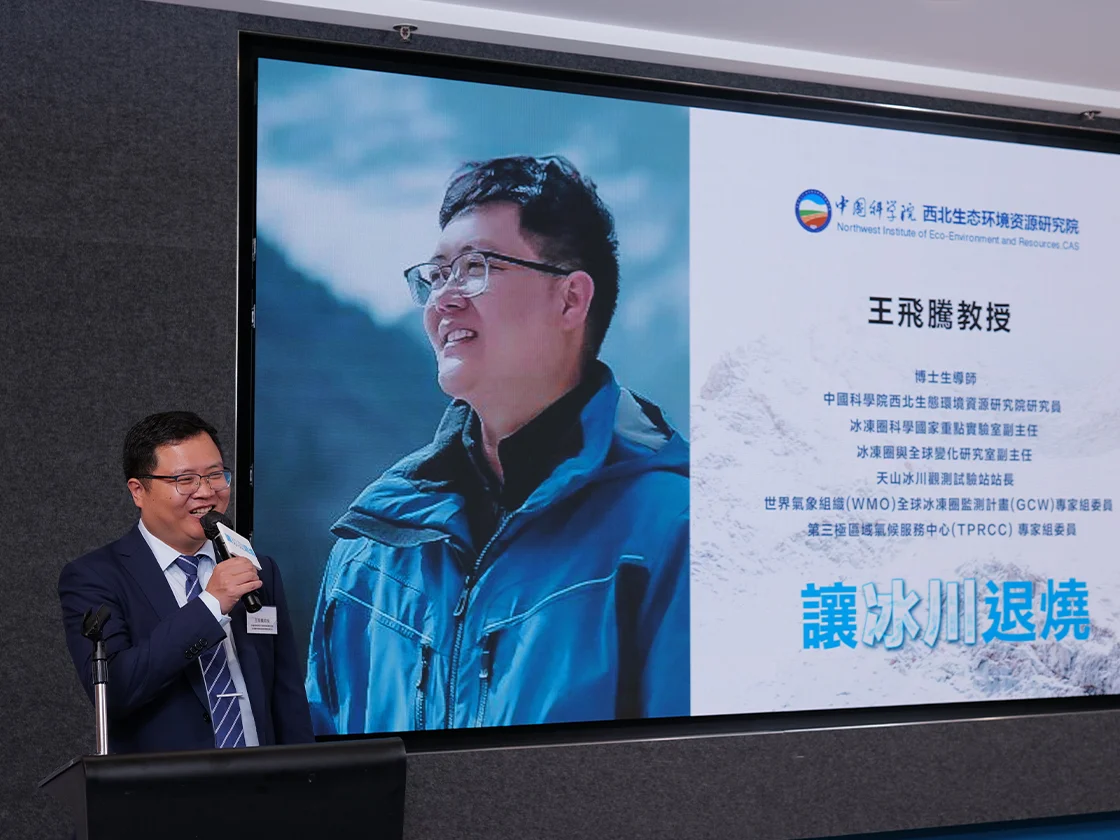
On 21 March 2023, Will Legend established the Let the Glacier Cool Conservation and Education Programme, founded by William Hung. That year, researcher Wang Feiteng responded in support, helping an idea from Hong Kong connect with glacier research and education. The overall programme was jointly initiated by Will Legend and the Northwest Institute of Eco-Environment and Resources, Chinese Academy of Sciences.
An idea does not become a project on its own. Connecting with researchers, understanding field conditions and arranging learning and exchanges depend on the work of the team, research institutions, schools, local partners and participants.
Exploring glacier research and conservation in Tianshan and Dagu
Tianshan Glacier No. 1 has been continuously observed since 1959 and is one of the World Glacier Monitoring Service (WGMS) reference glaciers. Long-term records help researchers understand how glaciers respond to climate change.
Dagu Glacier is a field site where research teams study local ice protection. Through observations and experiments, researchers compare changes in the ice and explore ways to slow local melting, together with their limitations.
Starting from these two places, field learning goes beyond viewing glaciers: participants can also understand the relationship between observation, research and conservation.
2023.12.28 / A BRIDGE MADE VISIBLE
The Third Pole Hong Kong Glacier Landmark: making a connection visible.
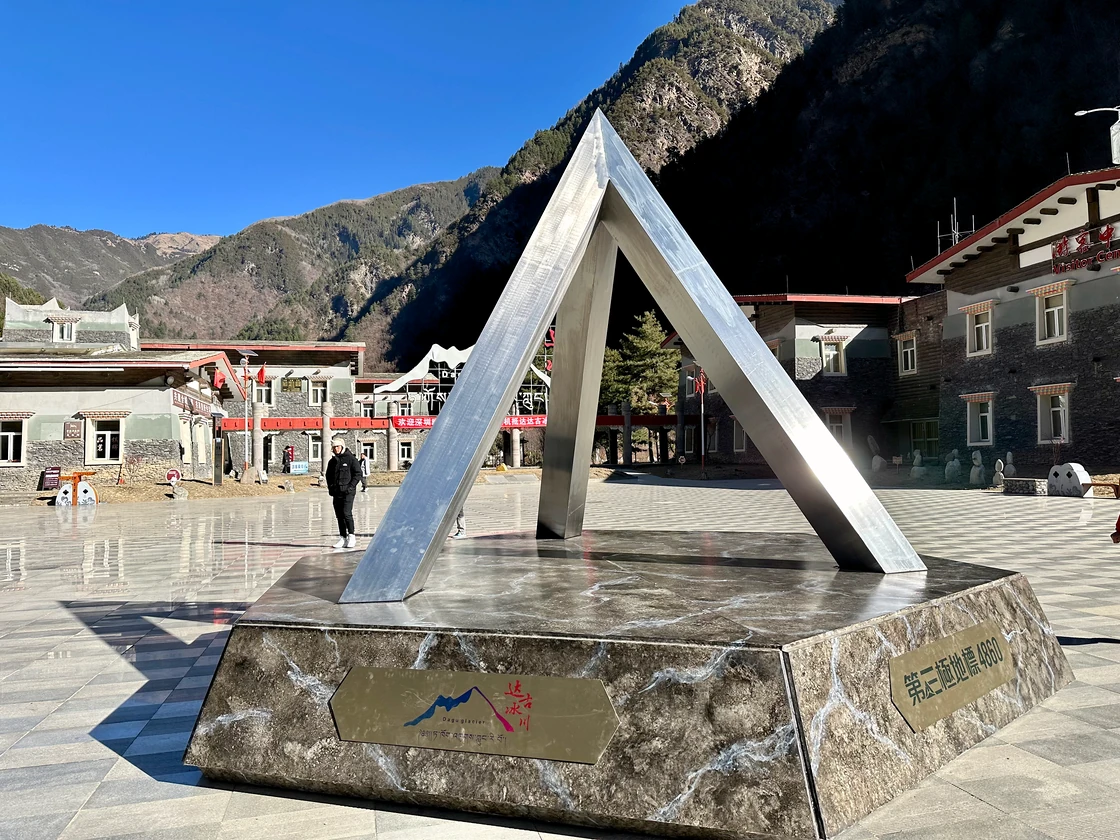
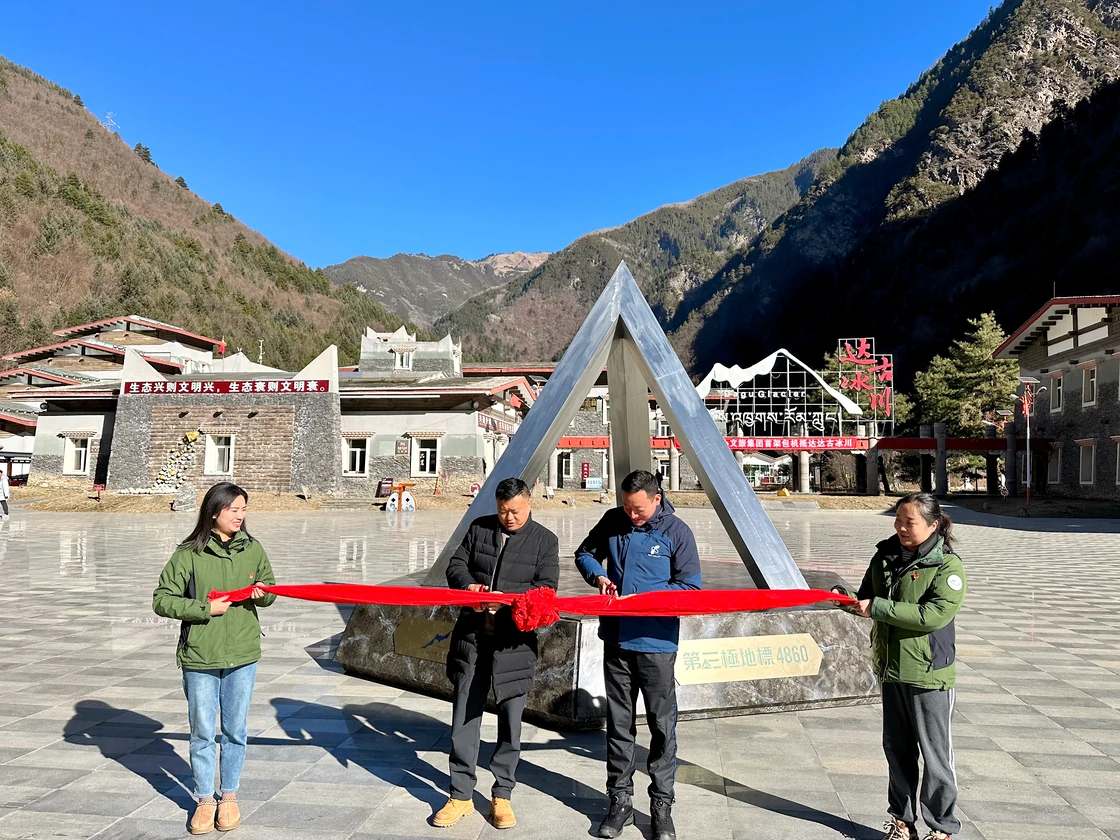
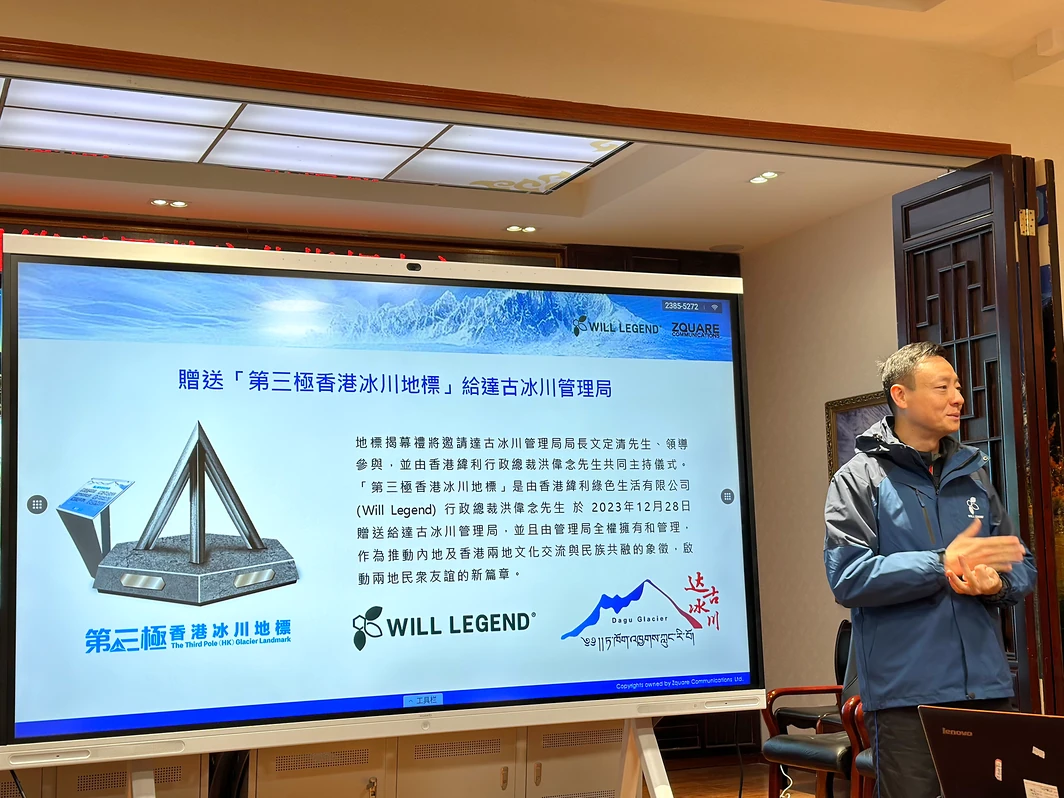
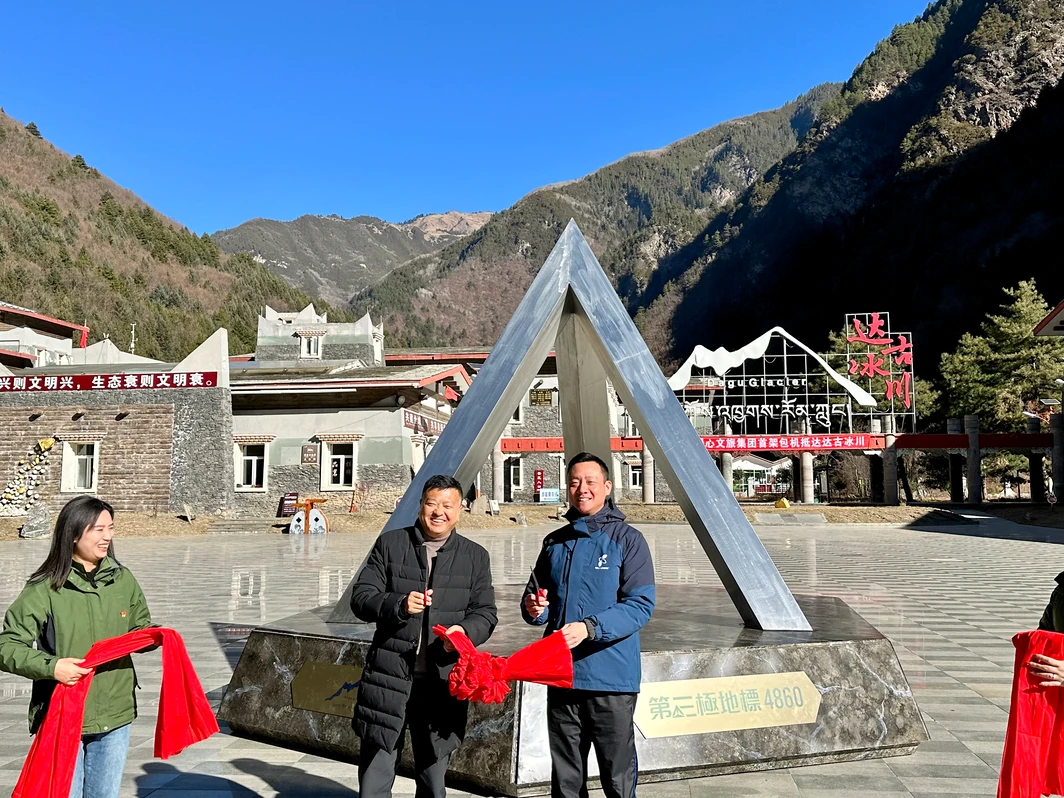
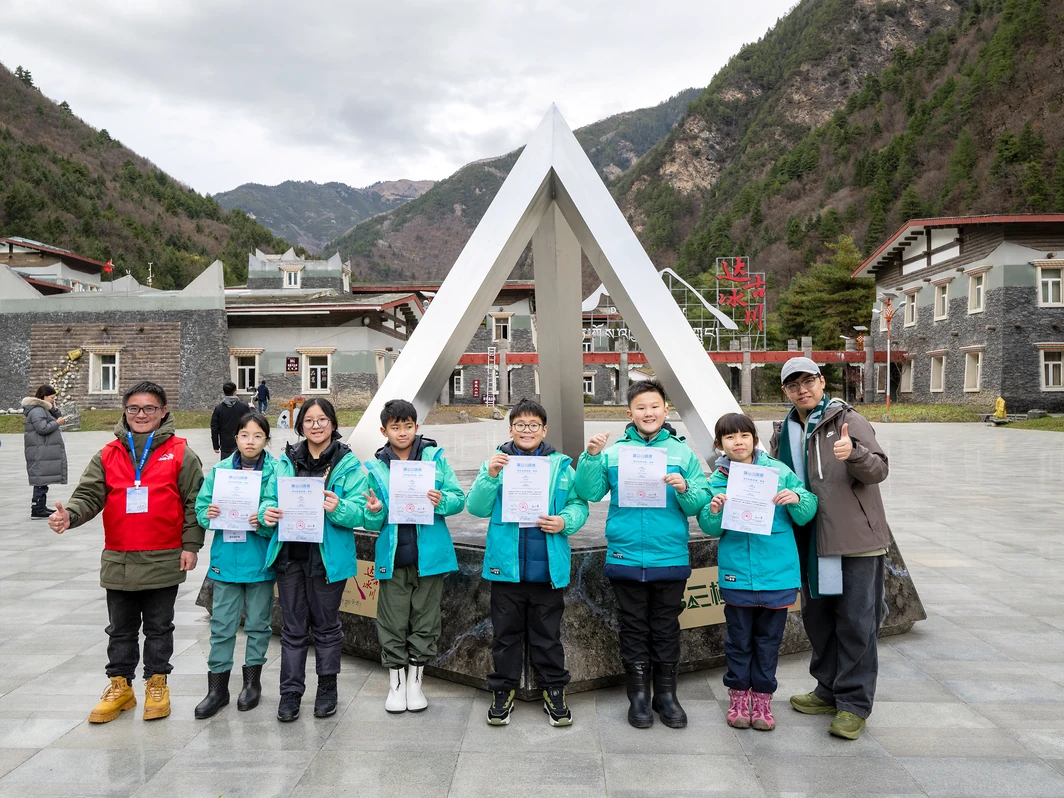
On 28 December 2023, Will Legend presented the Third Pole Hong Kong Glacier Landmark to the Dagu Glacier Administration Bureau. Its height of 321 cm symbolises 21 March, World Day for Glaciers, and expresses a connection between Hong Kong and the Mainland through a shared concern for glaciers and water.
For Will Legend, this was more than a gift: it symbolised a science communication bridge taking shape. A distant glacier gained a visible point of connection—a place for stories and continuing exchange. Field learning, scientists’ sharing and exchanges between the two places subsequently turned that connection into participation.
The landmark supports education, exchange and participation. It is not a research facility, and installing it alone does not reduce glacier melting. The United Nations’ annual World Day for Glaciers has been observed since 2025.
2024 / LEARNING BEYOND THE CLASSROOM
When students stand before a glacier.
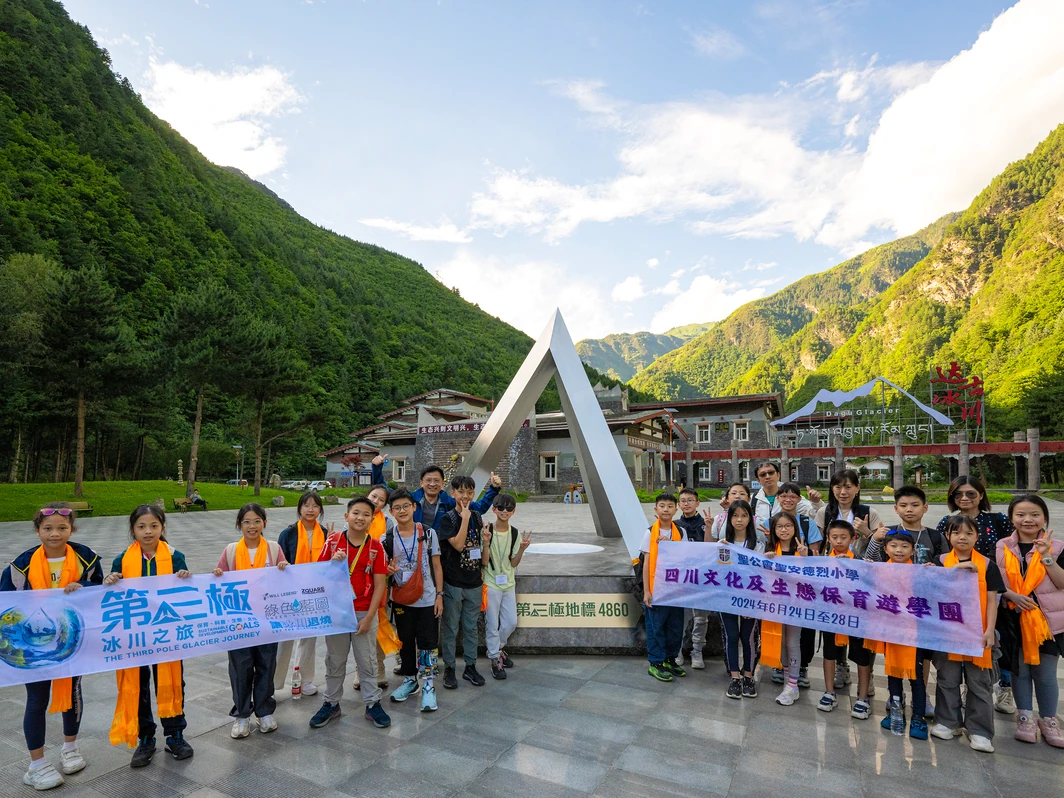
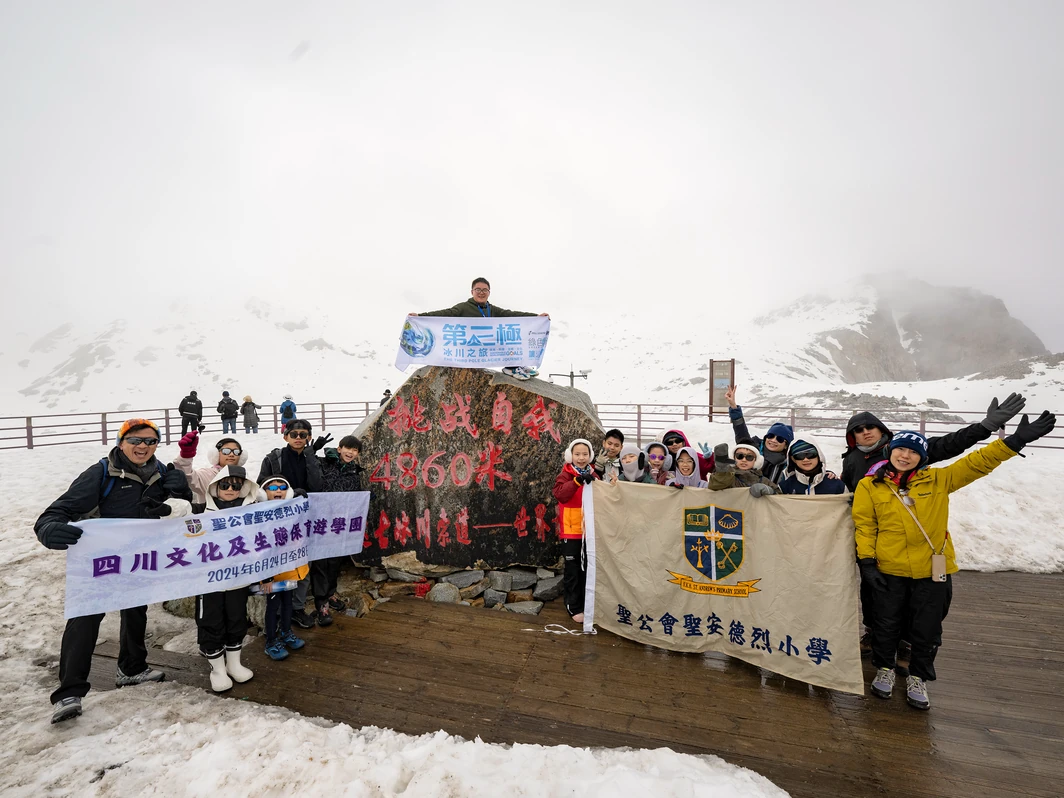
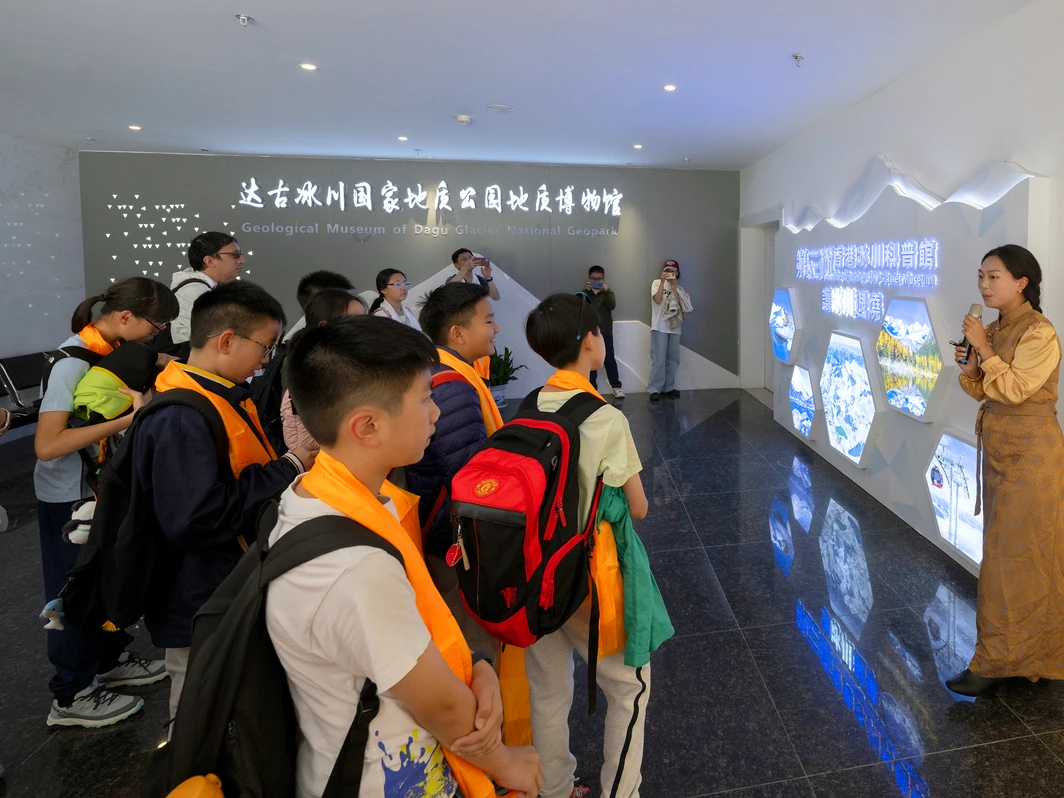
In April 2024, the first Third Pole glacier study group brought 128 teachers and students to Dagu Glacier. Researcher-led learning and experiments turned glaciers from a term in a textbook into a real place to observe, question and understand.
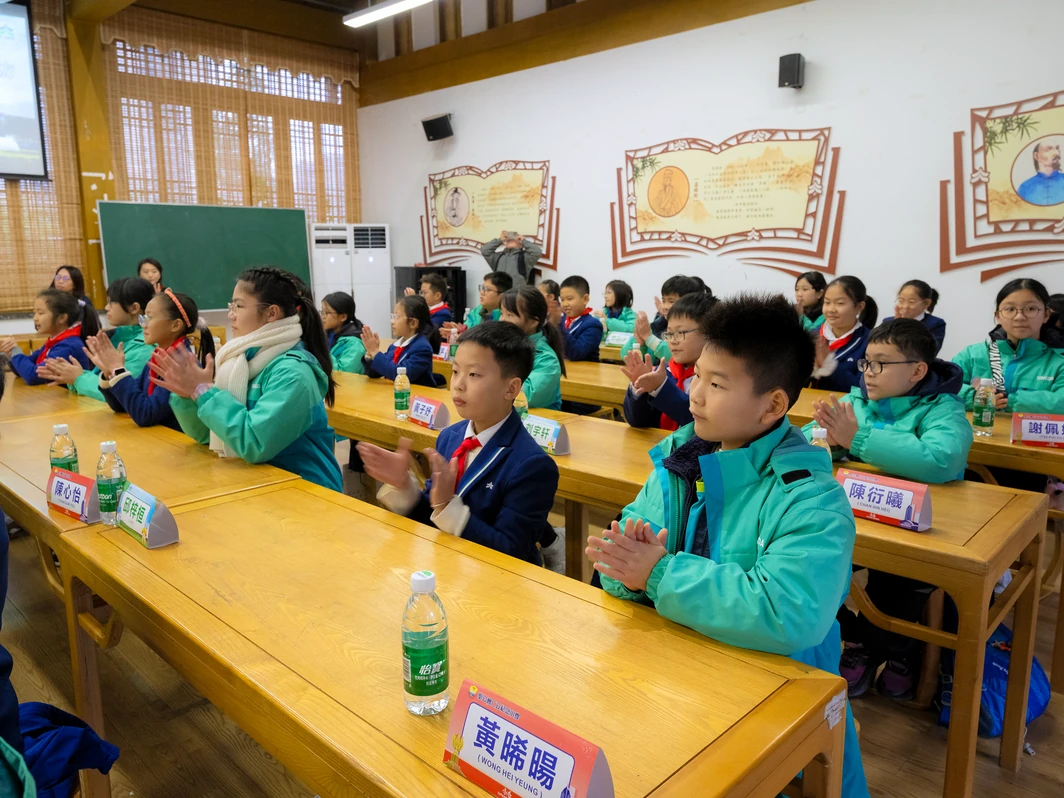
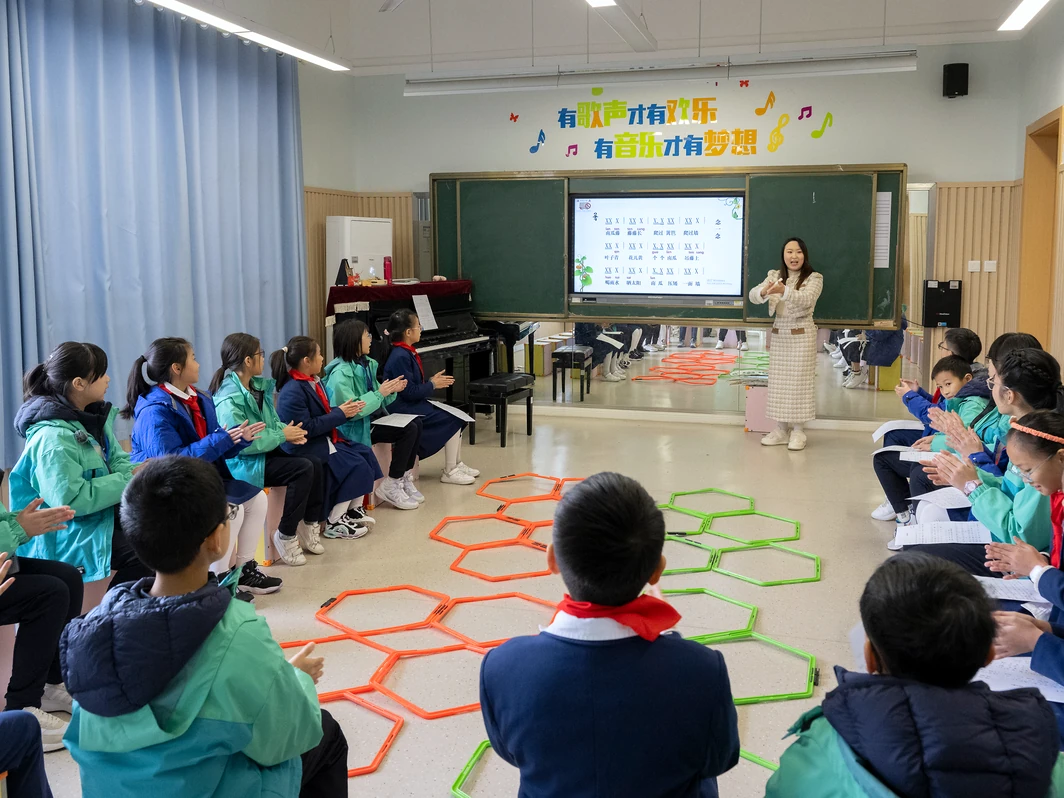
During 2024, four schools took part in Third Pole glacier journeys. In November that year, the programme also witnessed a sister-school relationship between schools in Hong Kong and Sichuan, extending glacier education into continuing exchange between teachers and students.
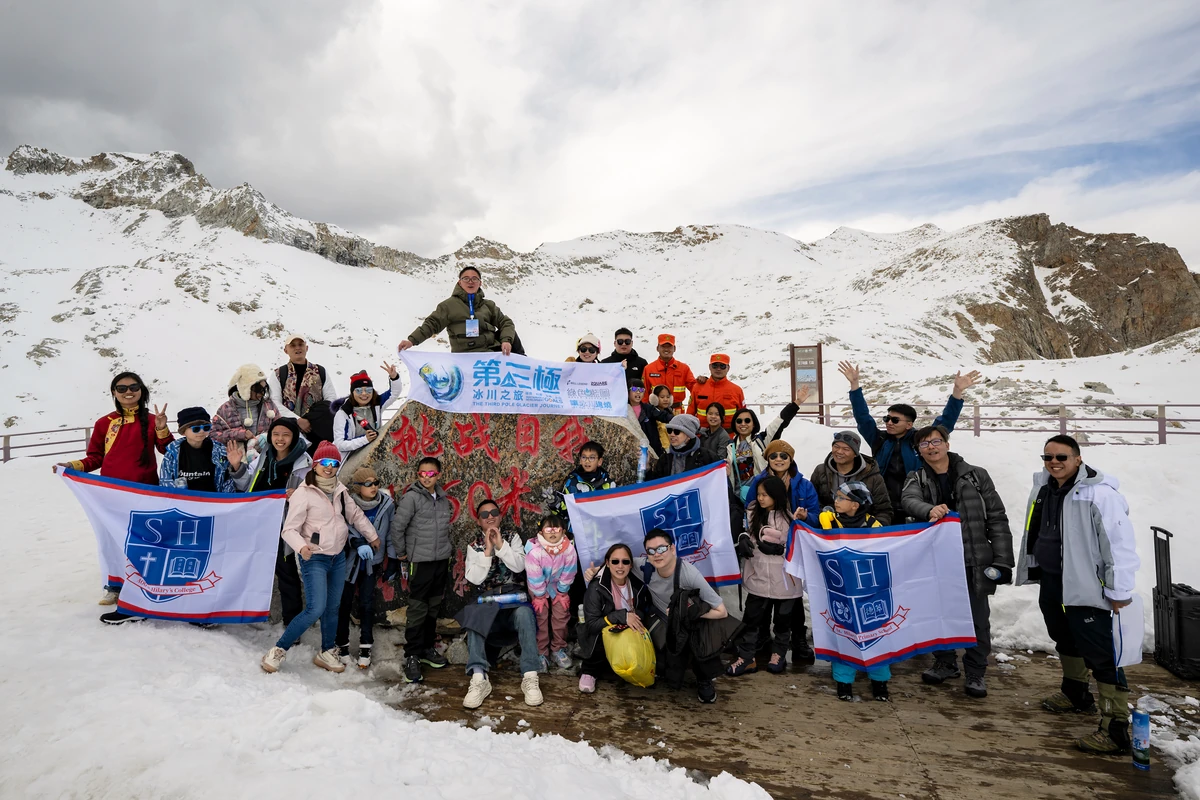
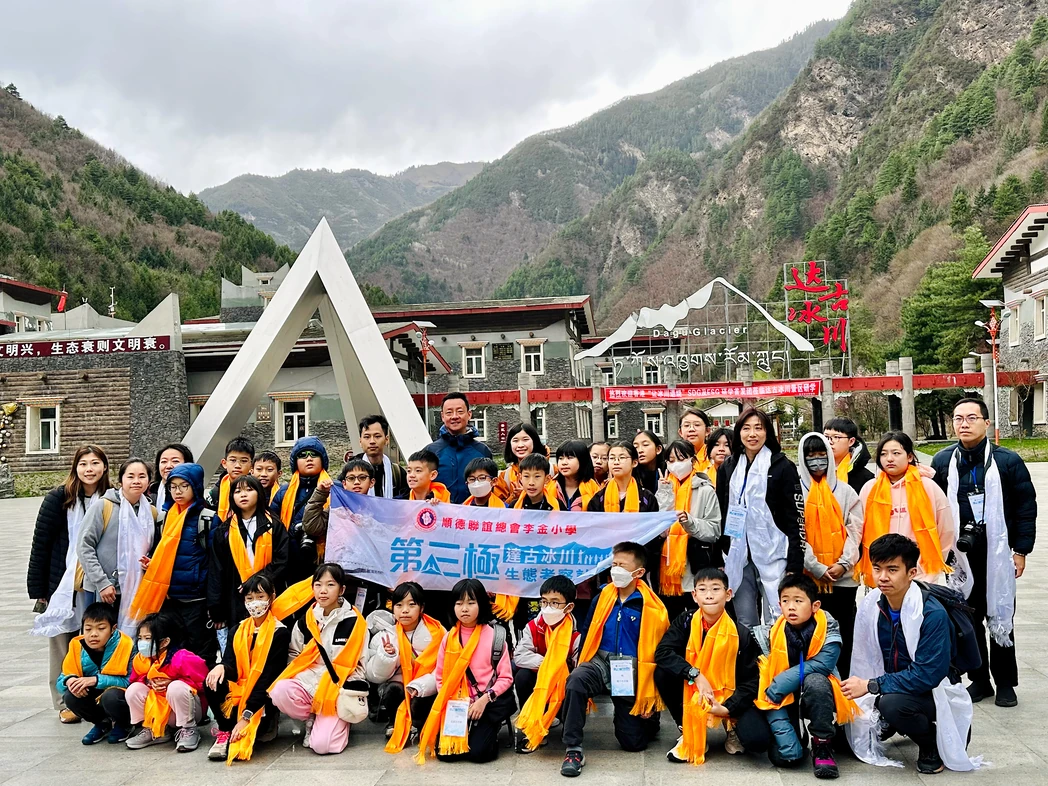
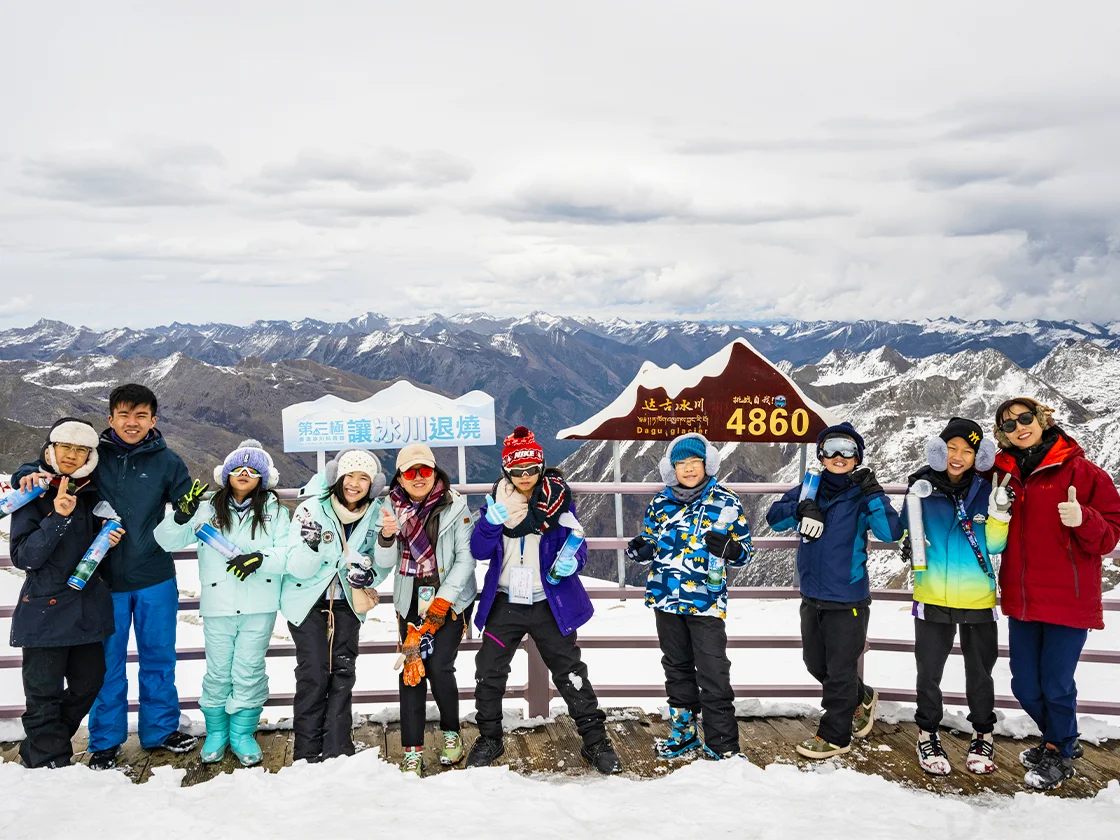
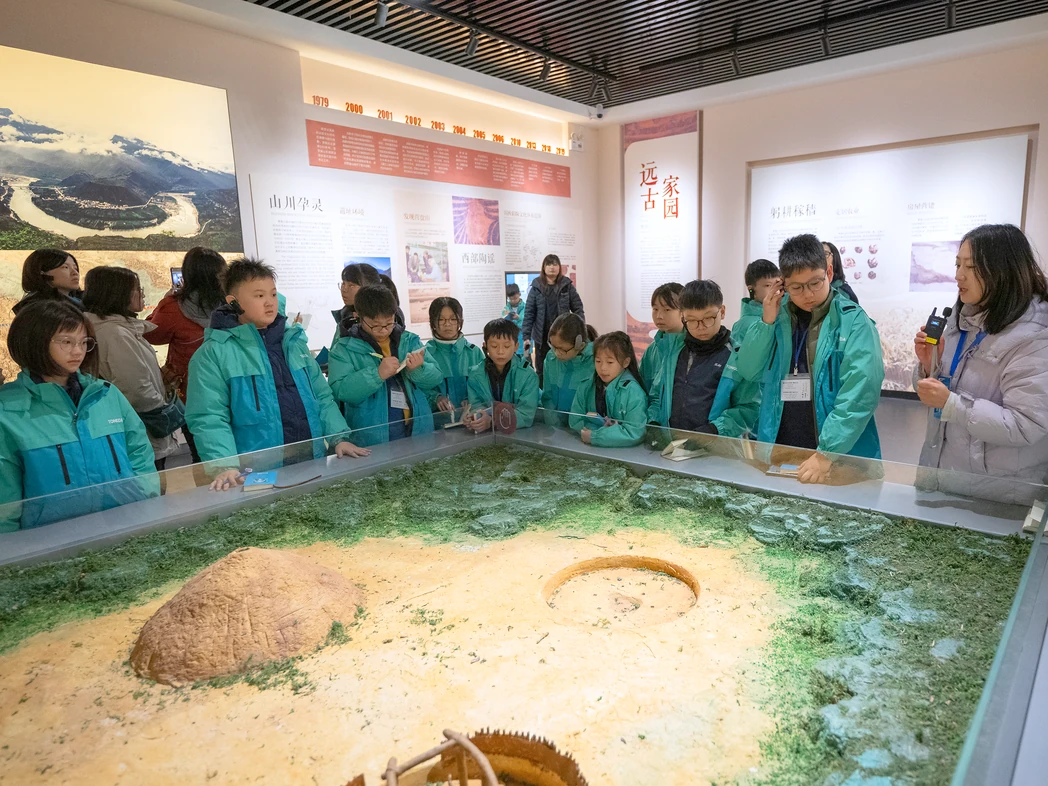
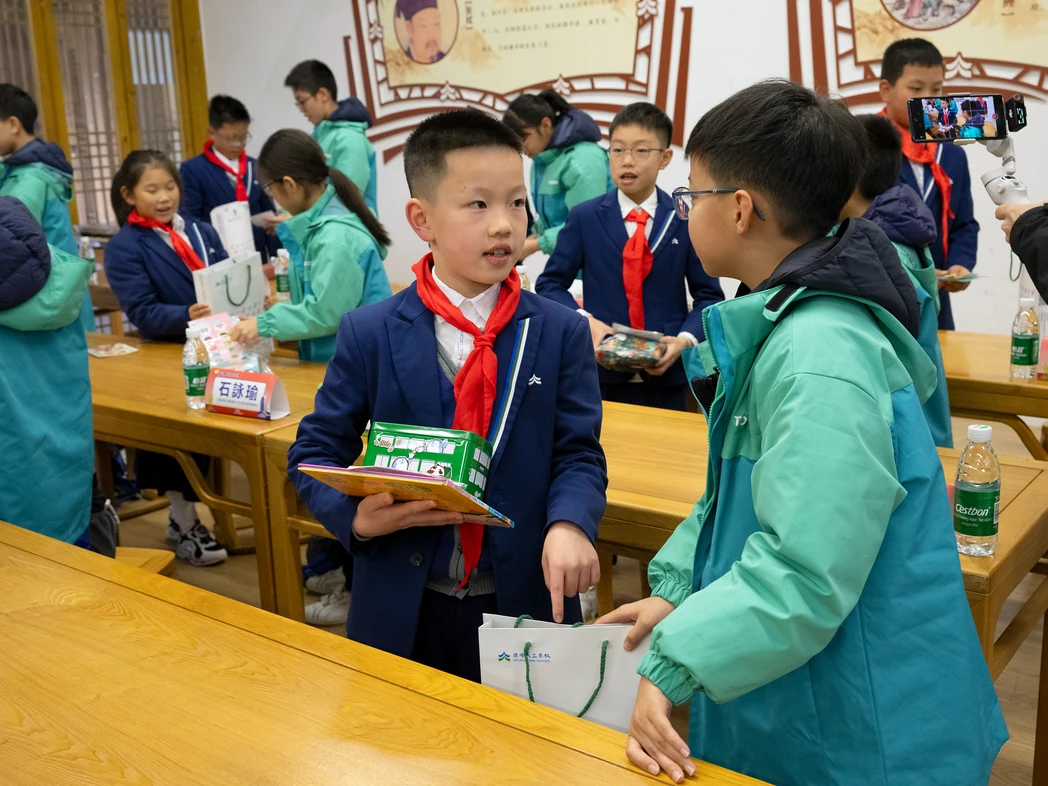
The Dagu Glacier Administration Bureau joined Will Legend and the institute in initiating that inaugural Dagu field-learning event. This is distinct from the initiation of the overall programme. Learning certificates were jointly issued by Will Legend and the institute; the bureau added its stamp for the relevant event and its representative presented them.
2025.03.16–17 / SCIENCE & PUBLIC ENGAGEMENT
From academic dialogue to the glacier—and the public.
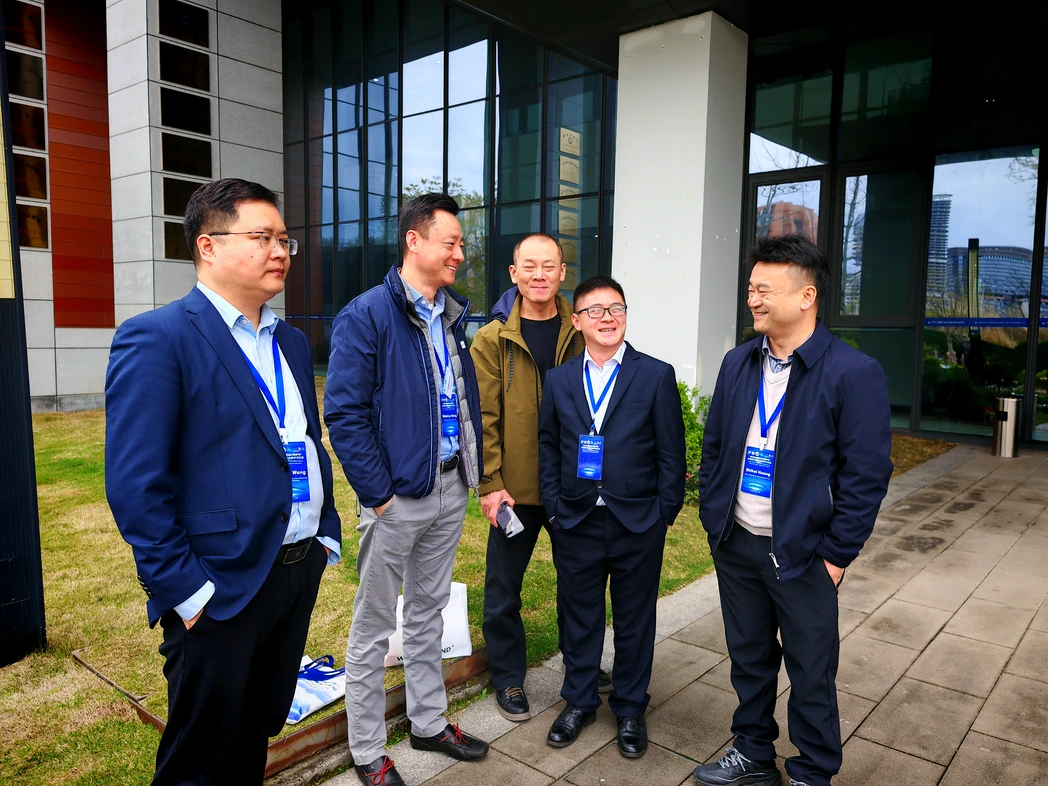
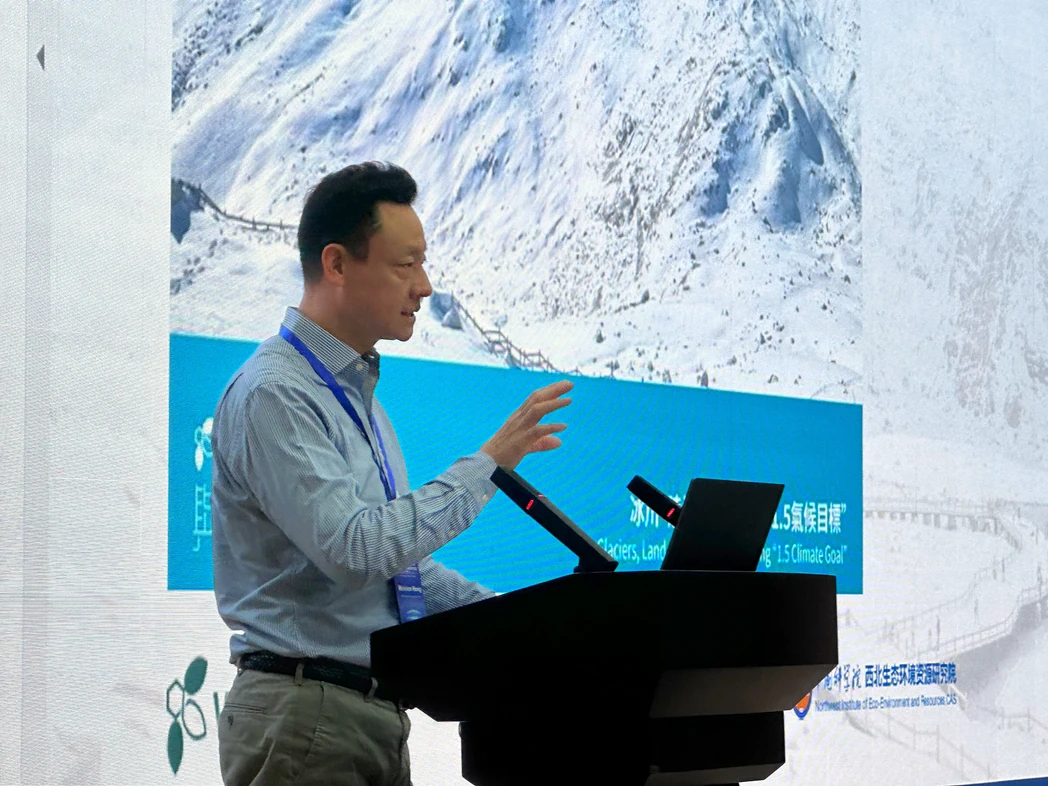
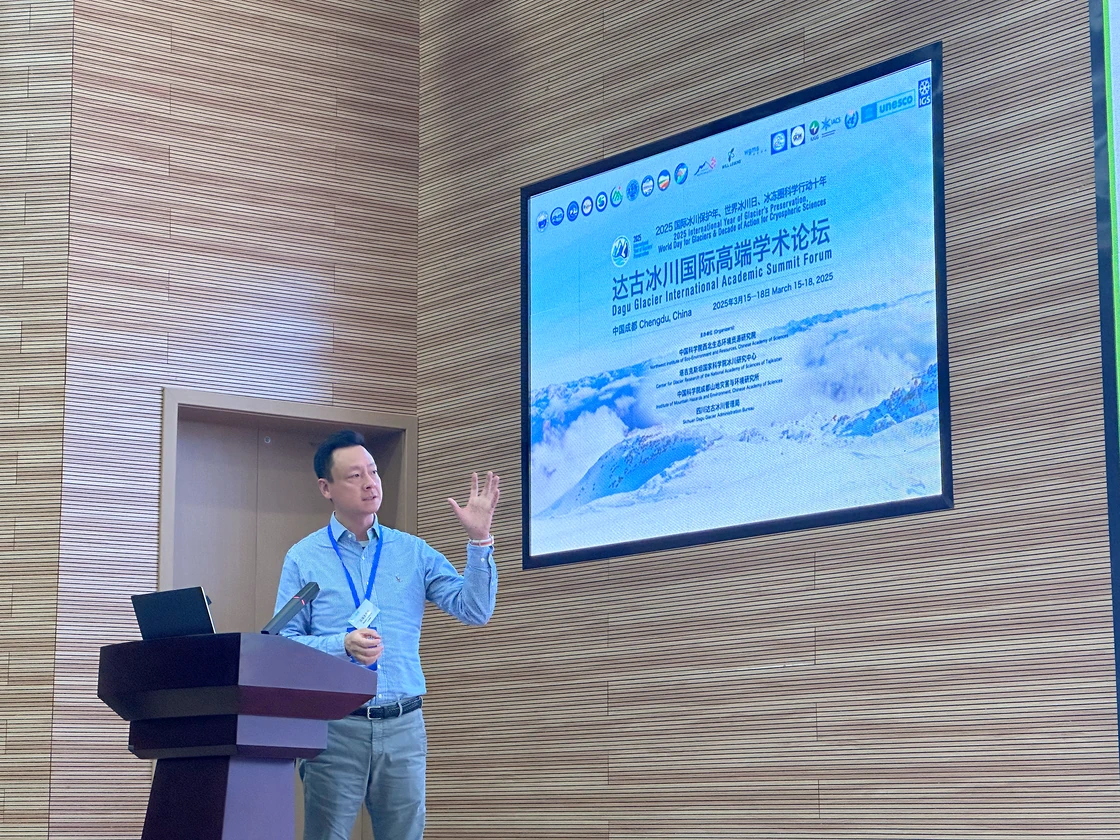
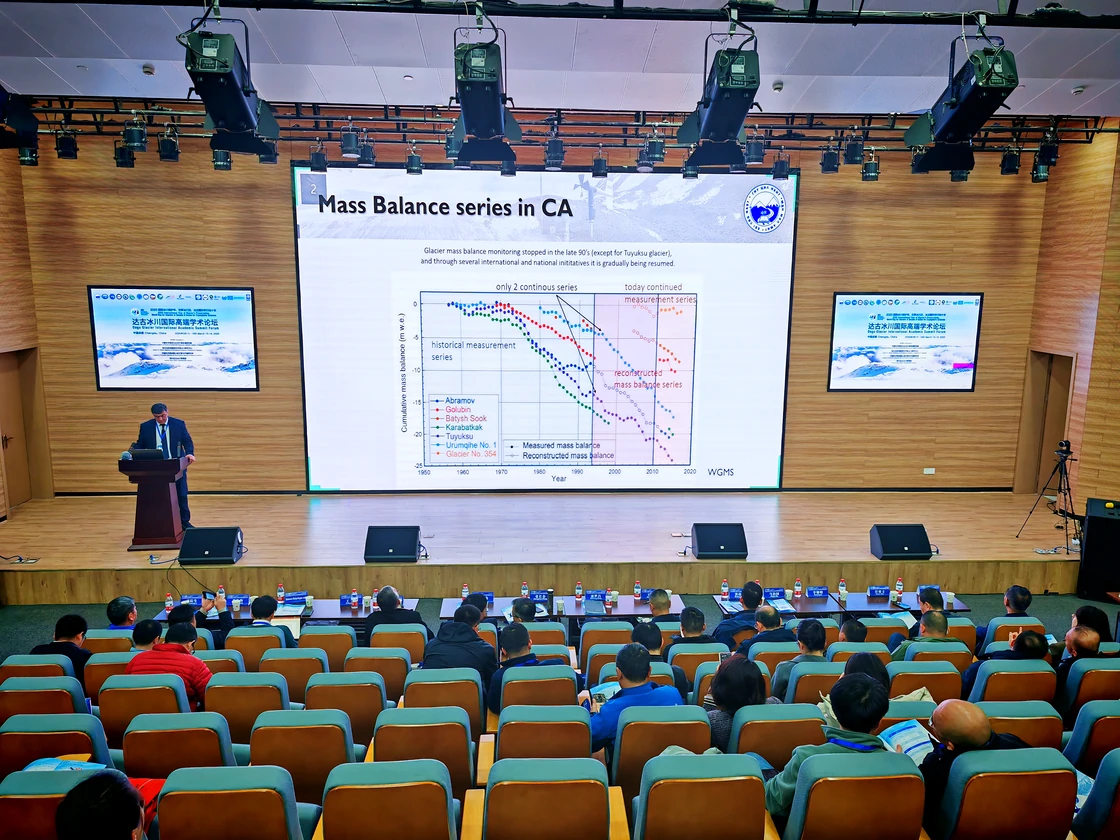
On 16 March 2025, Will Legend participated as a co-organiser in the Dagu Glacier international academic forum for the International Year of Glaciers’ Preservation 2025. William Hung took part as a Hong Kong representative and scientific committee member, sharing how school talks, glacier study visits, business delegations and exchanges can connect research with society.
On 17 March, Will Legend joined participating research institutions, the Dagu Glacier Administration Bureau and other representatives at Dagu Glacier to advance the Let the Glacier Cool initiative. Academic discussion and field participation connected conservation, education, science communication and cultural exchange.
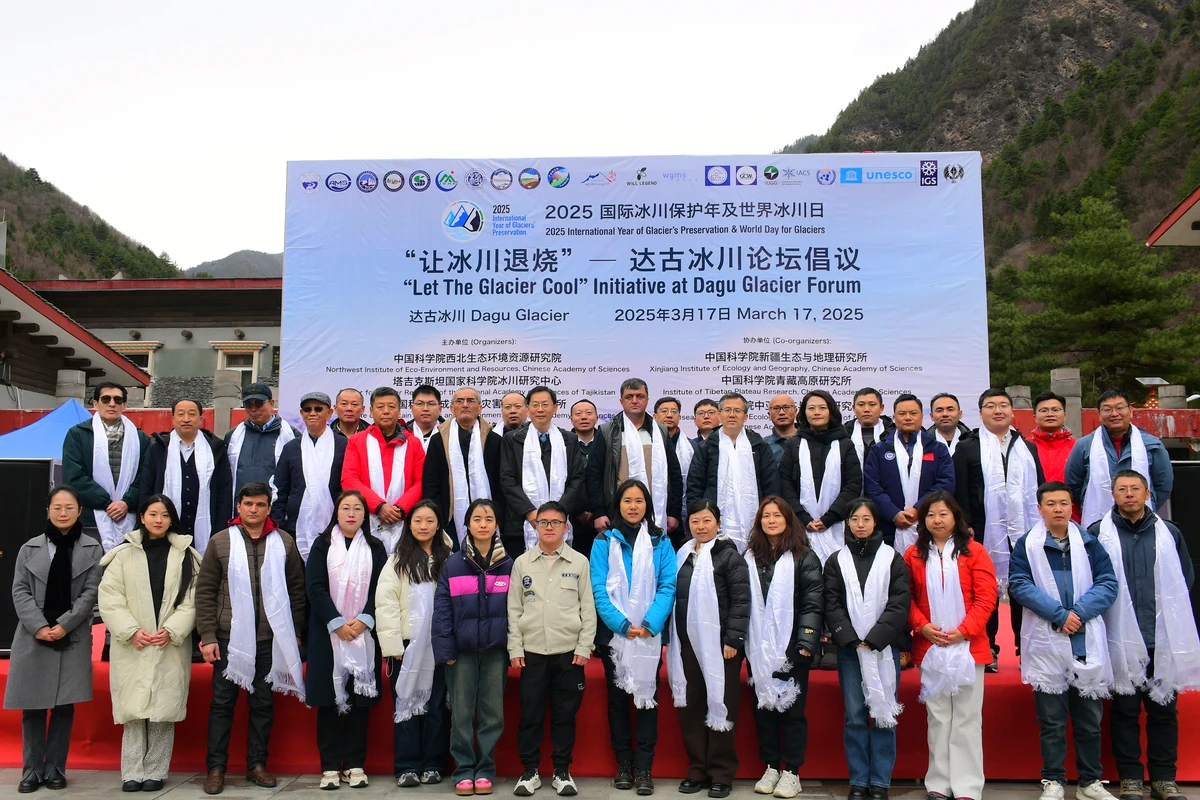
CCTV coverage and a Phoenix TV interview brought glacier conservation to a wider audience. Through news reporting and discussion of how science can help protect glaciers, these videos illustrate Will Legend’s bridging role: connecting specialist knowledge with accessible stories and bringing glacier conservation into public discussion.
CCTV’s News Live programme published related coverage on 20 March 2025. The two videos below bring together CCTV’s coverage of the Let the Glacier Cool initiative and a Phoenix TV interview on scientific approaches to glacier protection. This coverage does not endorse future commercial projects or guarantee further media interviews.
CCTV | Let the Glacier Cool initiative coverage
CCTV’s News Live coverage of the Let the Glacier Cool initiative, published on 20 March 2025.
Phoenix TV | How can science help protect glaciers?
A Phoenix TV interview exploring scientific approaches to glacier protection.
2025–2026 / WATER · LEARNING · CONNECTION
From Dagu to Tianshan: tracing water and shared connections.
On 21 March 2025, Will Legend established two landmarks in the Tianshan Glacier No. 1 protected area: “Tianshan Urumqi River Source Glacier No. 1 (Hong Kong Landmark)” and “Tianshan Glacier No. 1 Hong Kong Landmark”. They are two distinct landmarks, continuing “Hong Kong’s Glacier Story” and connecting glaciers, river sources and water conservation.
In April 2025, the inaugural Xinjiang Tianshan Glacier No. 1 study journey connected learning at the research station, meteorological science education and exchanges between the two places. Participants included representatives from Shun Tak Fraternal Association Lee Kam Primary School, Rotary International District 3450 and the Rotary Club of Sha Tin.
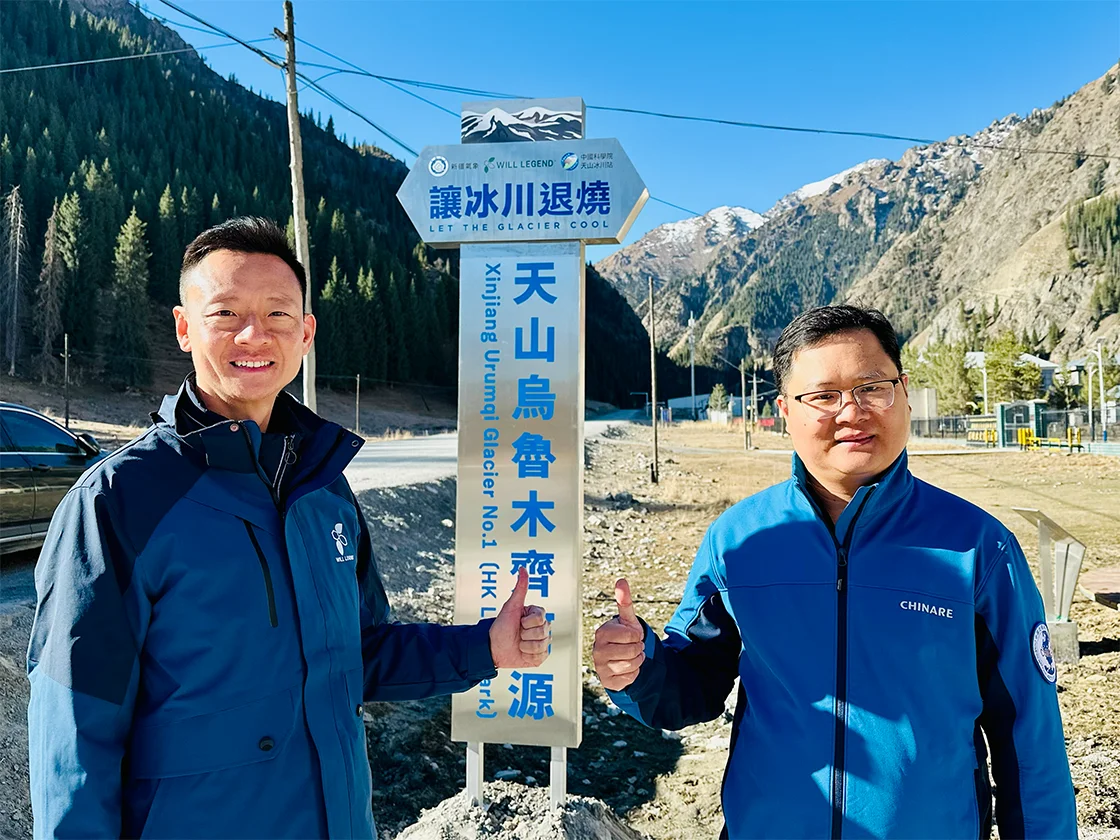
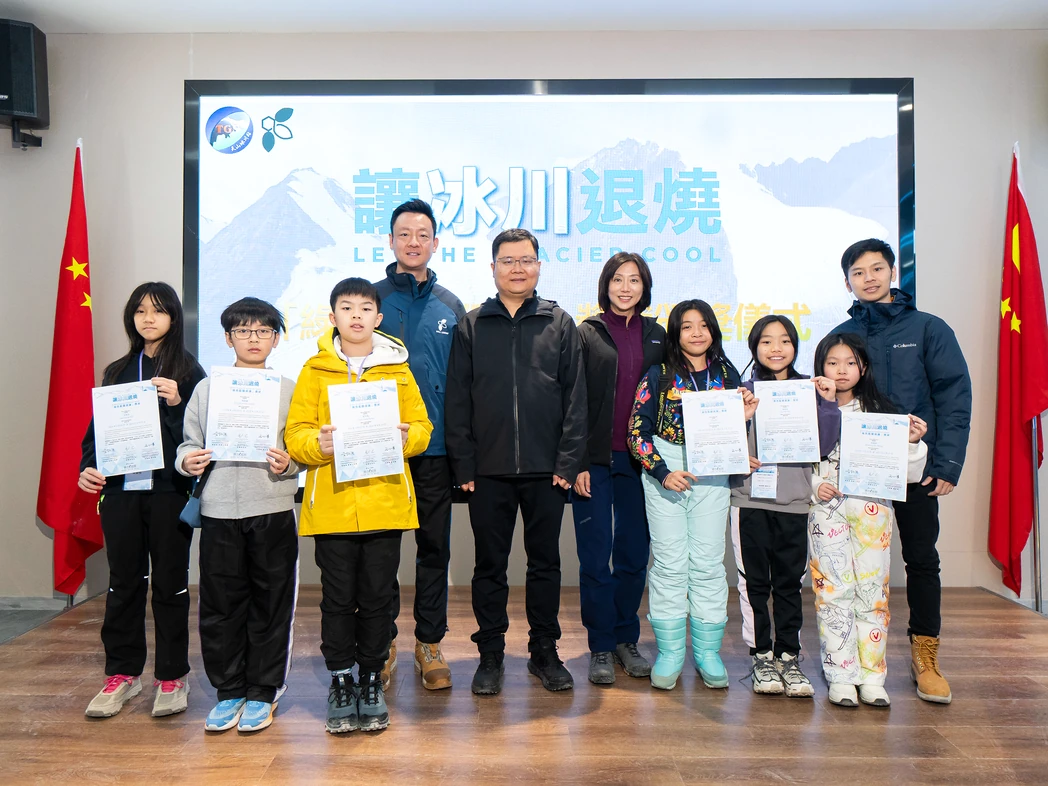
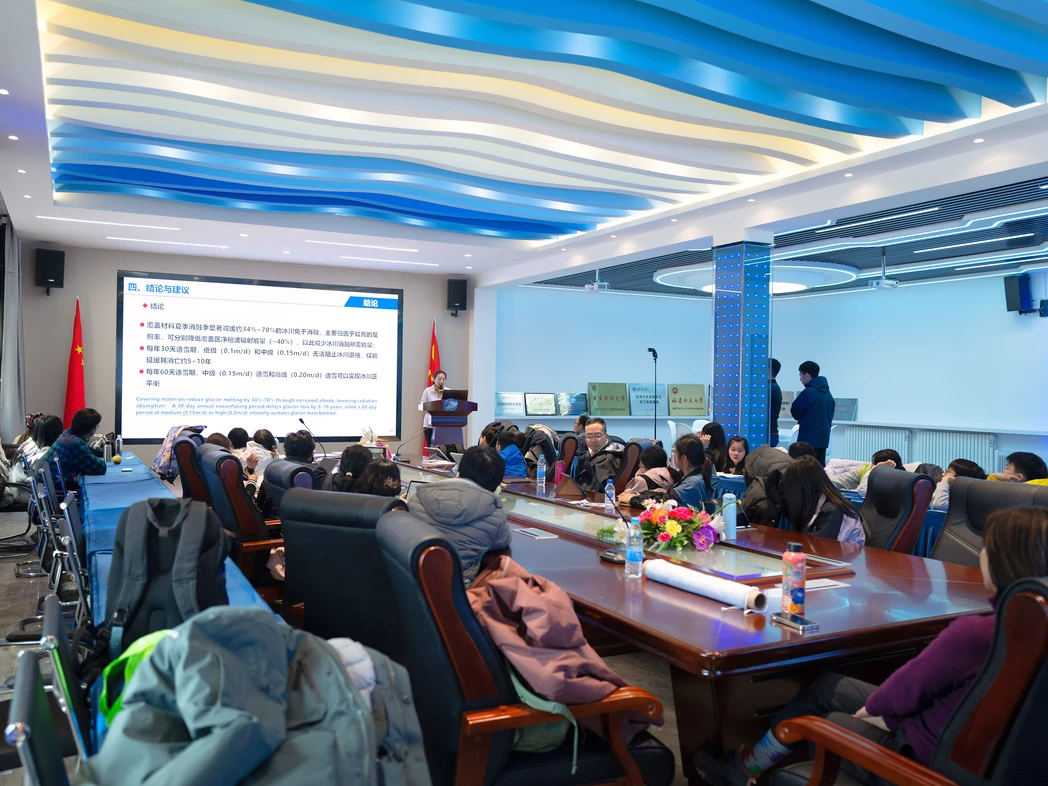
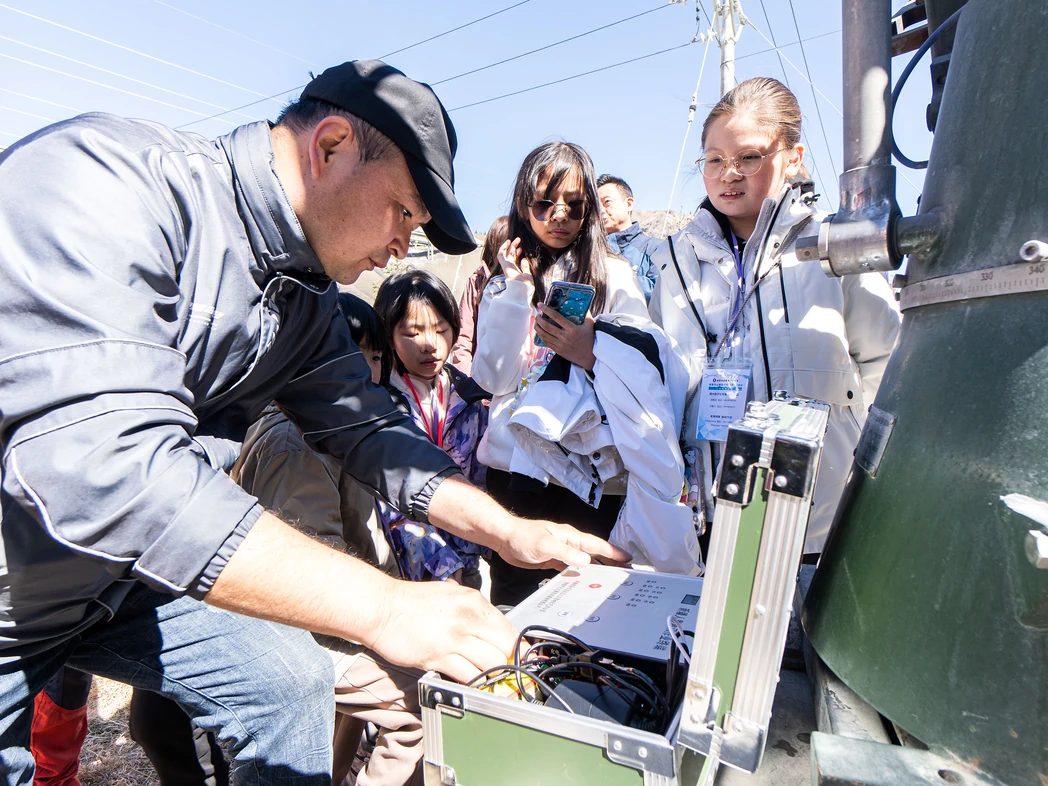
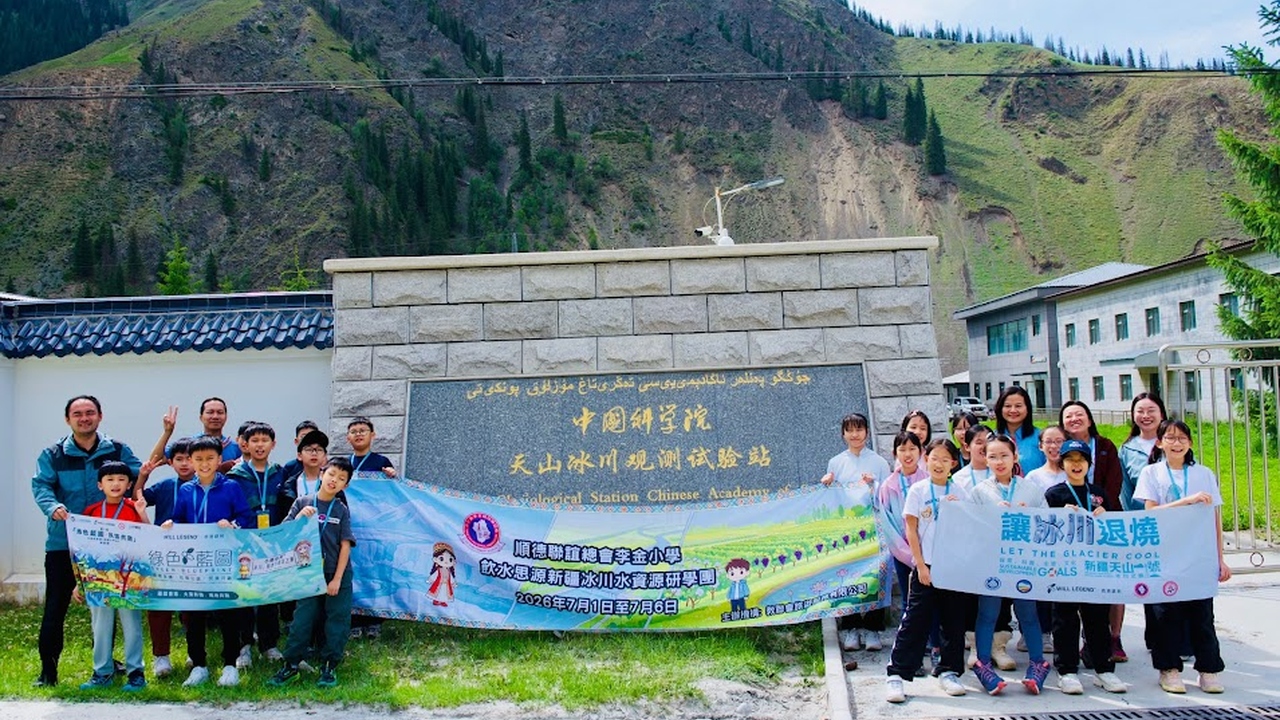
From 2024 to 2026, Lee Kam Primary School commissioned Will Legend for glacier-related learning for three consecutive years, with different destinations and content across the years. On 2 July 2026, teachers and students attended a course at the Tianshan Glaciological Station, Chinese Academy of Sciences, taking classroom questions into a research setting.
2025–2026 / CONTINUING COLLABORATION
From a first experience to continuing collaboration.
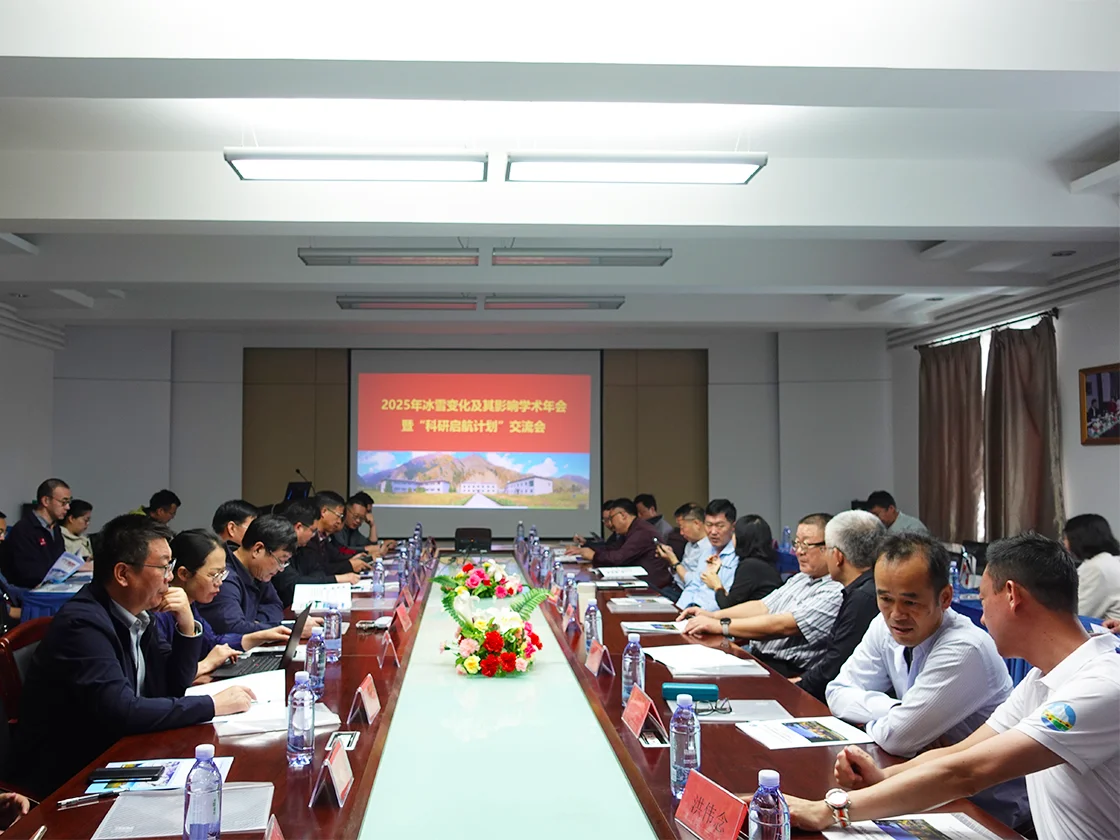
On 2 August 2025, William participated in the annual academic meeting on changes in alpine snow and ice and their impacts, continuing exchanges with glacier and hydrology researchers. Scientific research and educational sharing provide an essential foundation for public understanding.
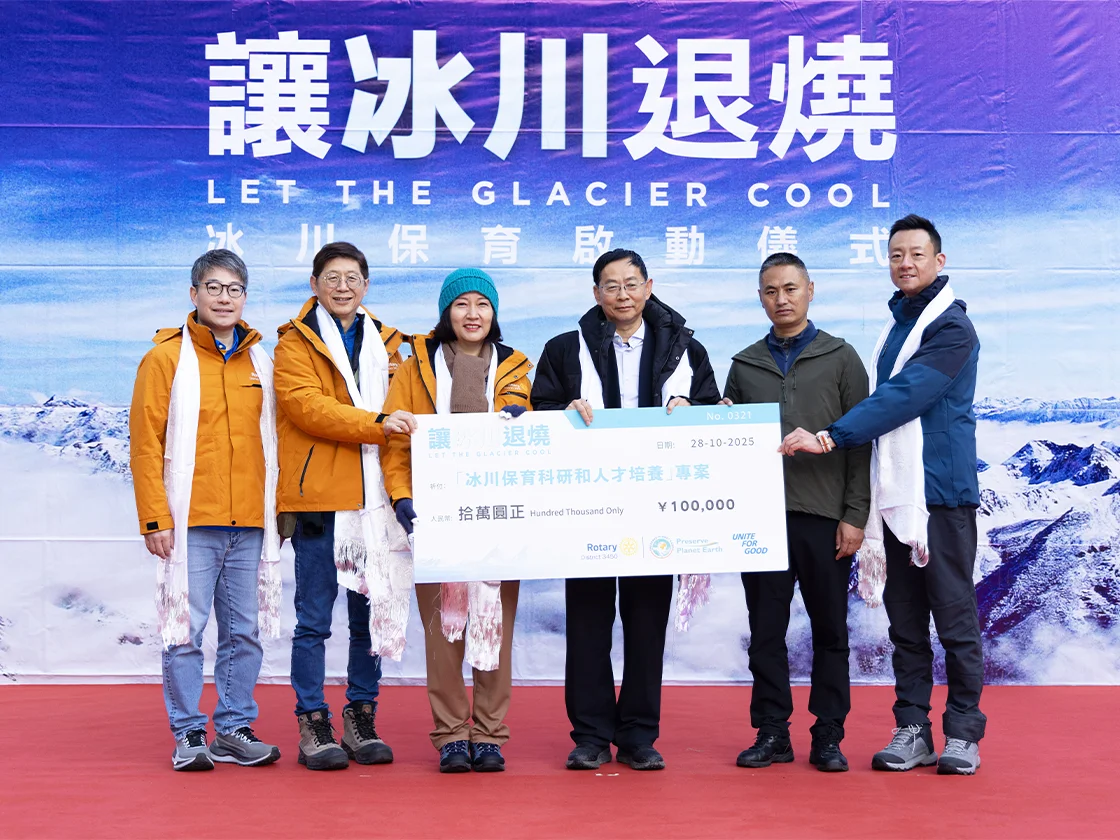
On 28 October 2025, Will Legend, the institute, the Tianshan Glaciological Station and Rotary International District 3450 signed a declaration at the Third Pole Hong Kong Glacier Landmark plaza at Dagu. District 3450 became the programme’s first comprehensive collaboration partner.
Guided by researchers, participants learned about glacier observation and research into local ice protection, then explored education and further collaboration. Such experiences can develop beyond attending a single event, connecting research, educational resources and public participation over time.
How do researchers study ways to slow local melting?
A research team involving researcher Wang Feiteng has studied artificial covering at Dagu Glacier. Comparing areas covered with geotextiles with uncovered areas, the team combined field observations, ground-based laser scanning and drone surveys to understand the materials’ reflectivity and changes in the ice.
The research shows that appropriate covering can reduce local melting under specific conditions, but material ageing, cost and wider application remain limitations. This work belongs to the research teams and provides real examples that educational activities can help people understand; reducing global emissions remains an important part of addressing warming.
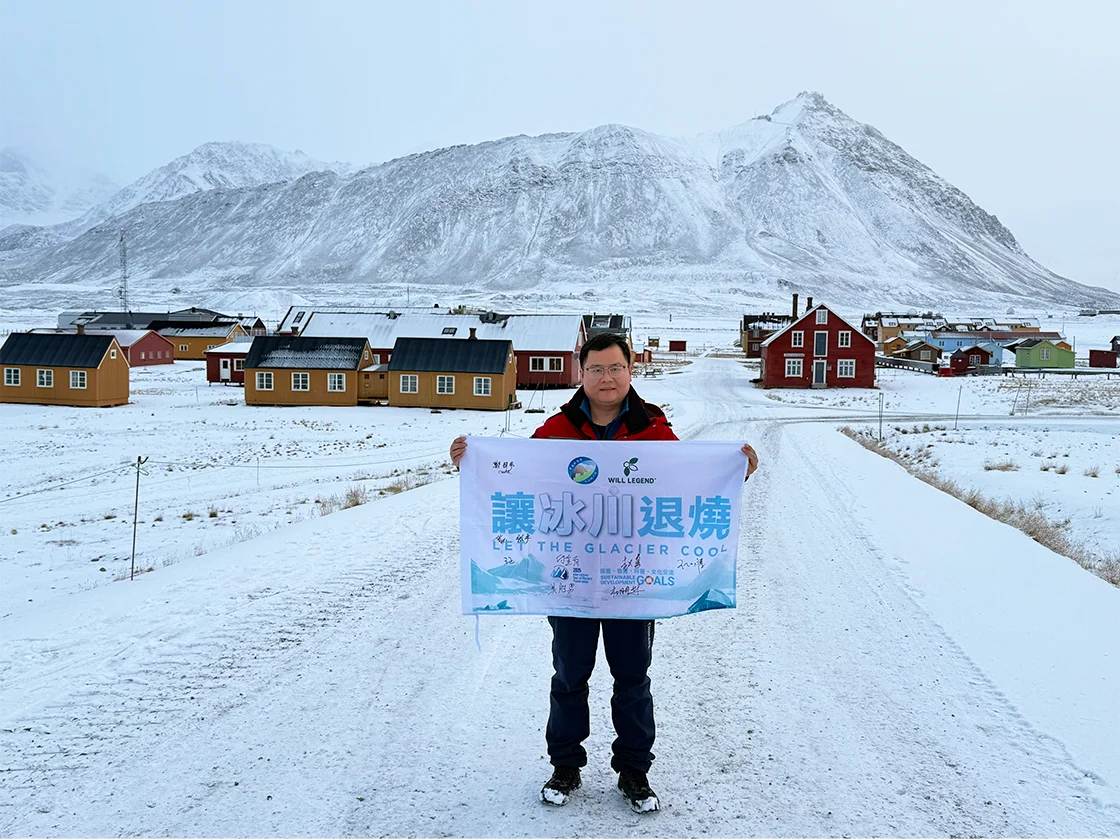
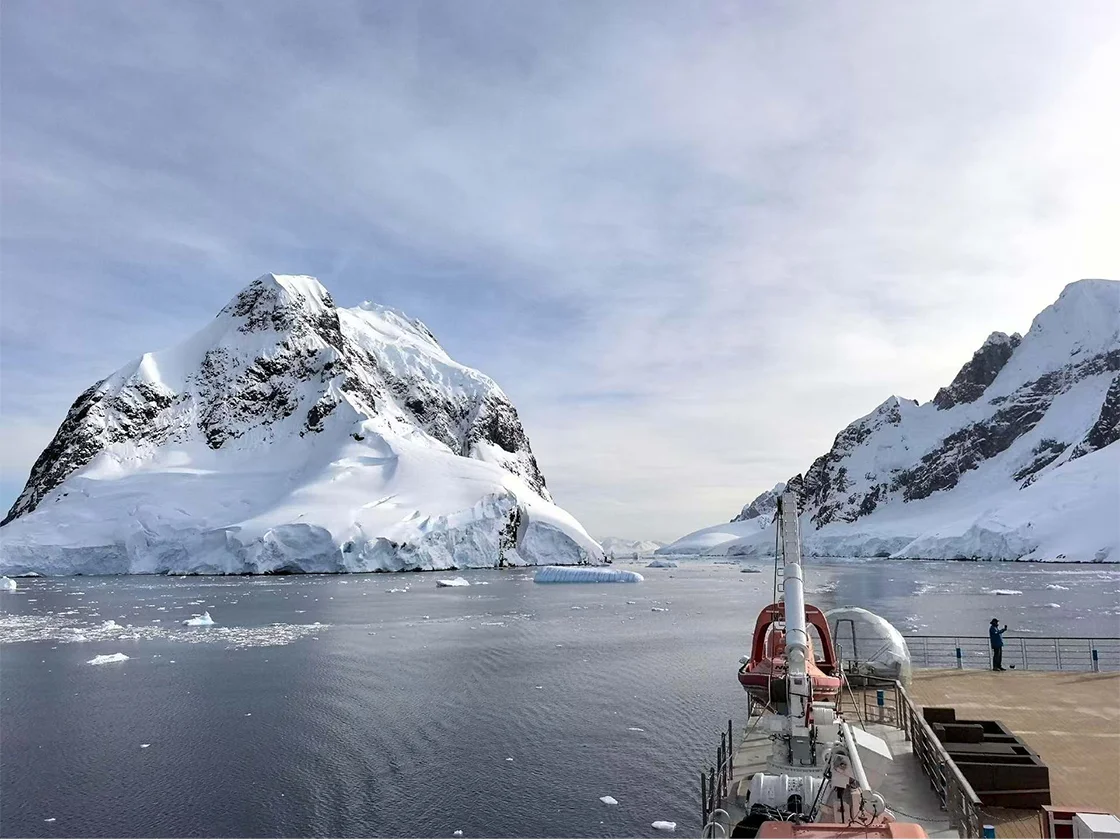
In October 2025, Wang Feiteng shared a Let the Glacier Cool flag signed by scientists at the Arctic Yellow River Station. In November, Li Yuansheng shared imagery from his Antarctic journey to support public learning. These are connections through imagery, knowledge and science communication—not research stations established by Will Legend in the polar regions.
2026.05.31 / ROTARY CLIMATE DIALOGUE
From glacier fieldwork to climate dialogue in Hong Kong
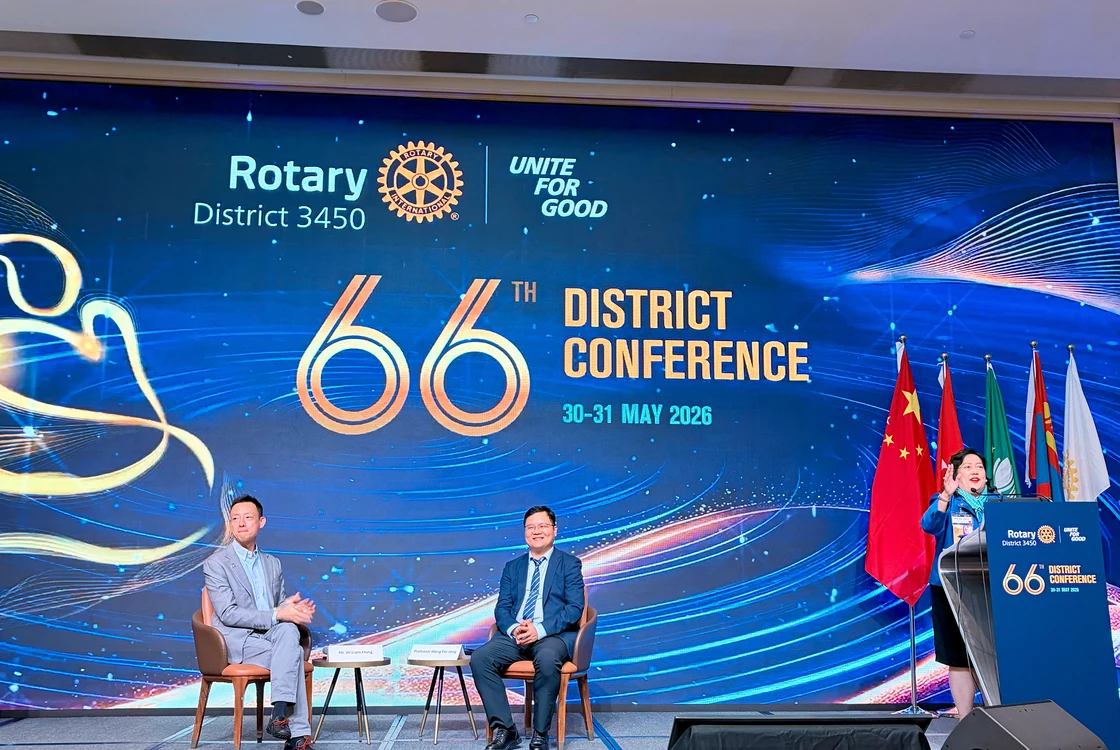
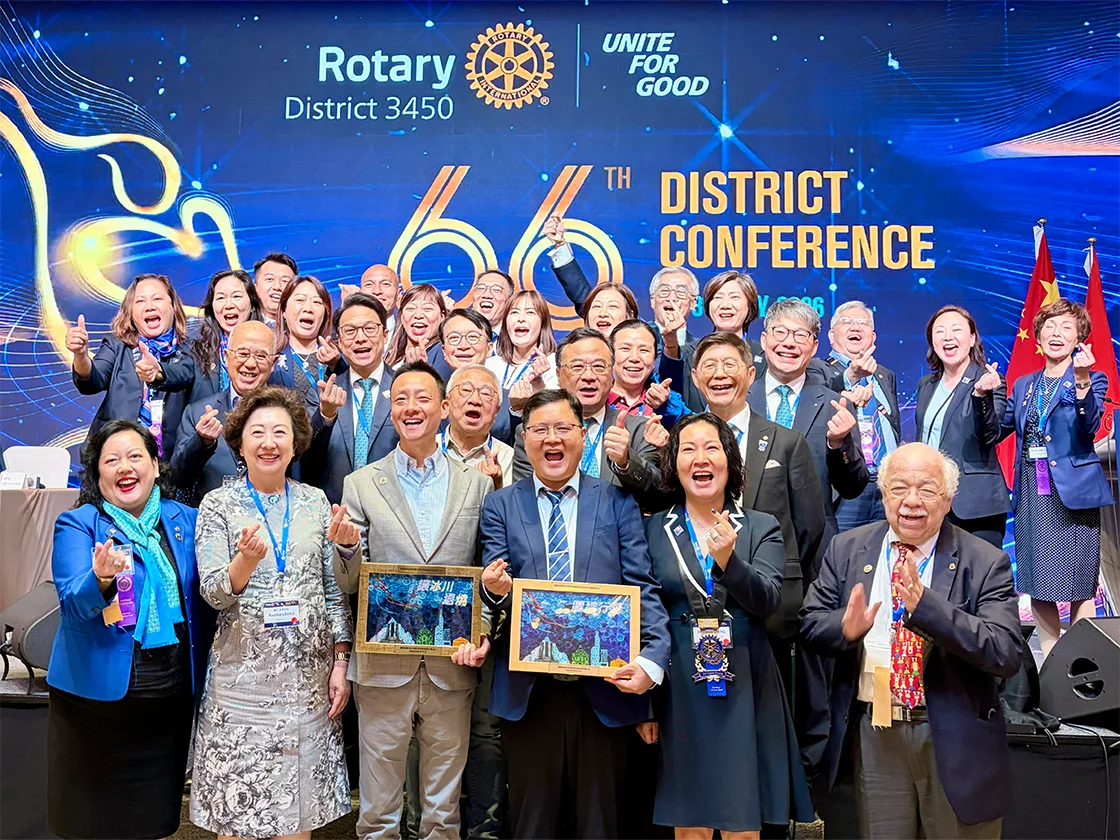
On 31 May 2026, William Hung and researcher Wang Feiteng were invited to participate in the climate dialogue at Rotary International District 3450’s 66th District Conference. The conference publication lists both as Keynote Speakers and includes William’s English and Chinese profiles on pages 16–17.
Moving from the glacier to a dialogue platform in Hong Kong, scientists bring specialist knowledge while Will Legend connects stories, education and practical ways to participate. This brings glacier and water-resource issues closer to organisations and service networks, creating a starting point for further education, exchange and sustainability collaboration.
This continuation illustrates the two-way role of a science communication bridge: bringing people closer to research, and research closer to everyday life.
Source: Rotary International District 3450, 66th District Conference publication. William confirmed the climate dialogue date. Publication images retain their original text; the accompanying copy uses the verified speaker roles and event information.
2026 / CHILDREN · SCIENCE · STORIES
Children can help tell the story of science.
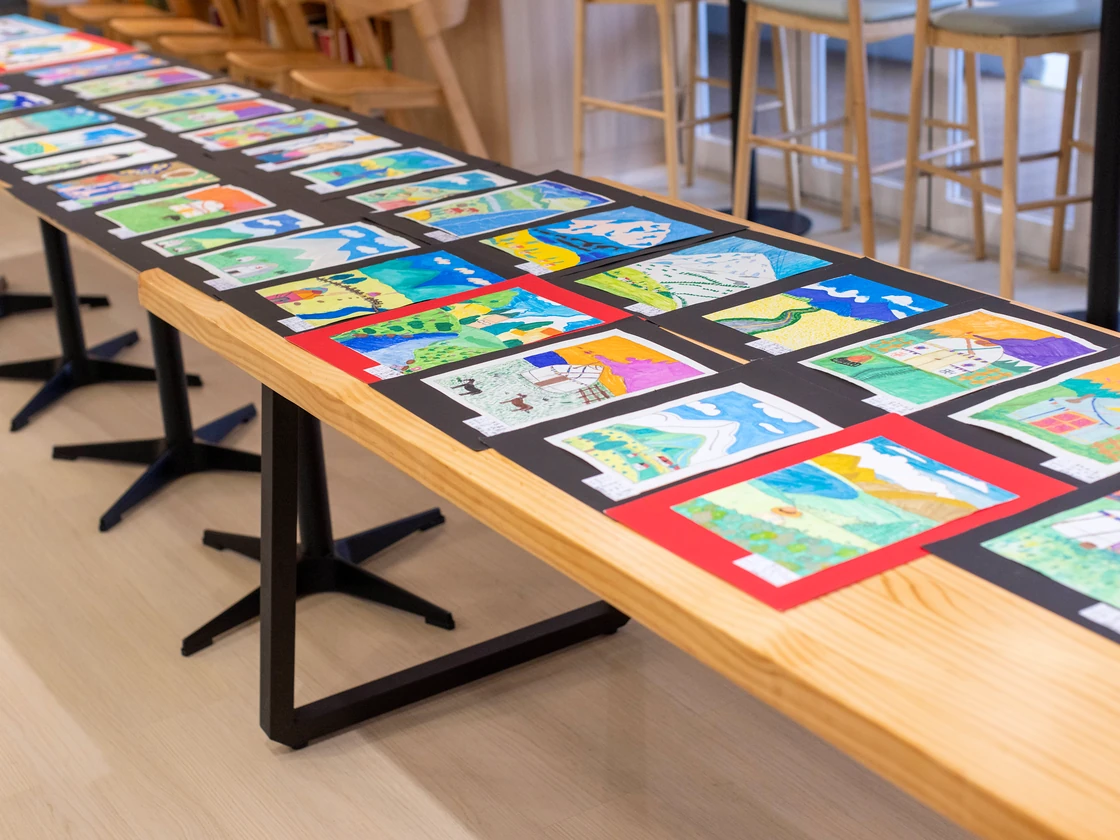
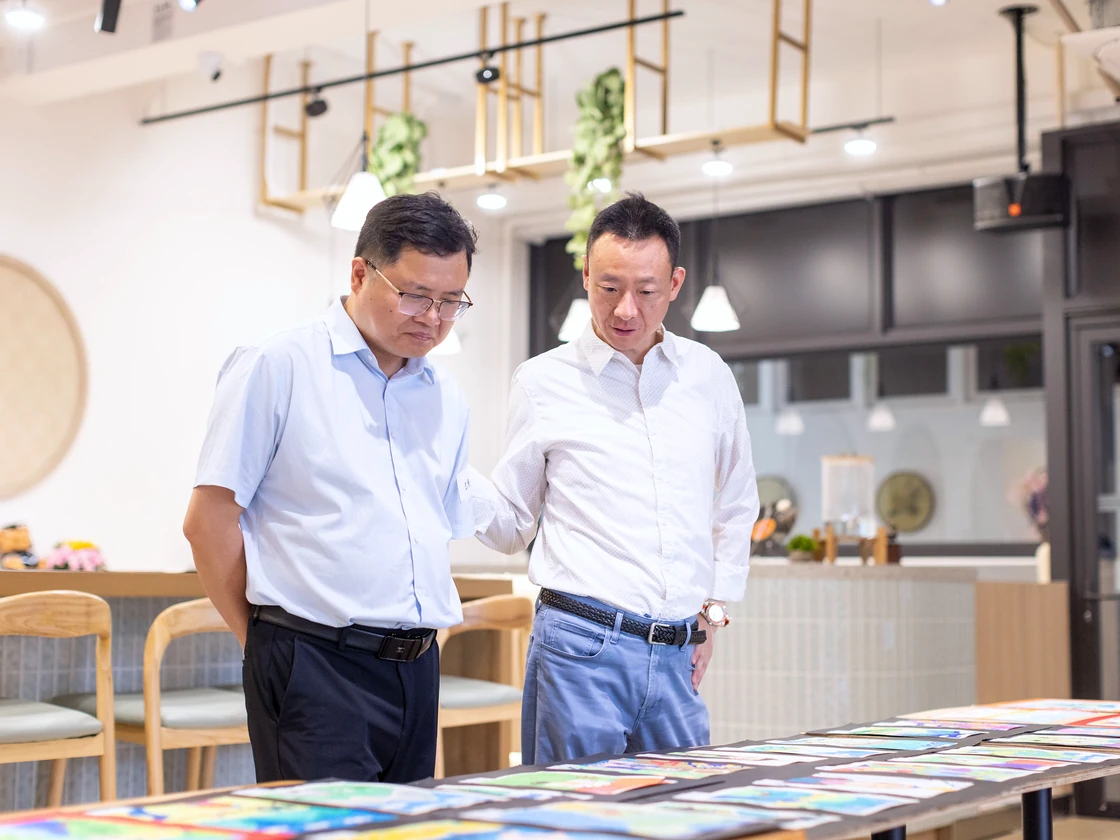
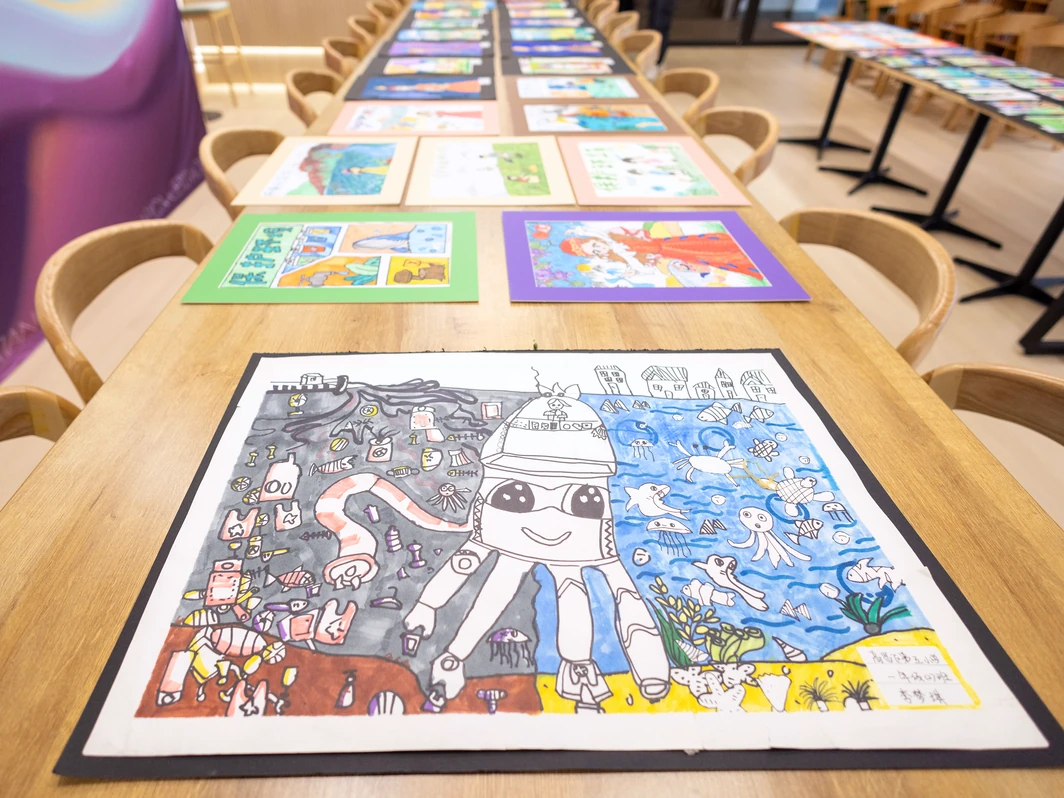
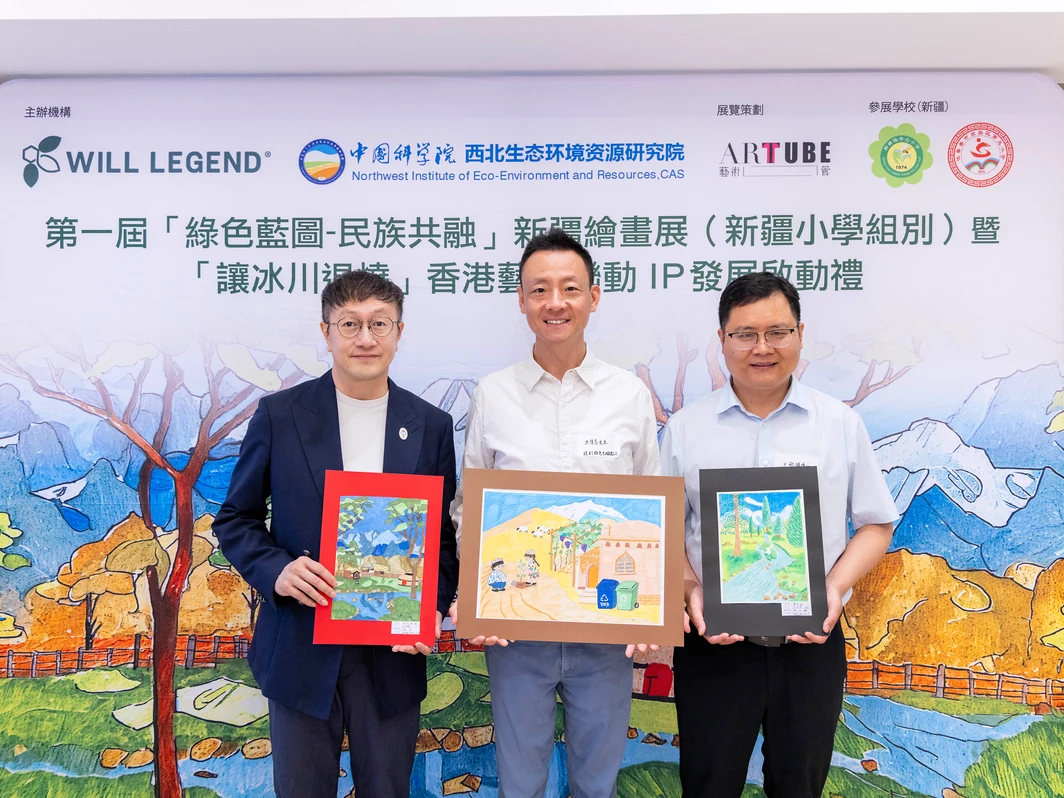
On 30–31 May 2026, the first Green-blueprint cultural inclusion exhibition of children’s paintings from Xinjiang was held in Hong Kong. Around 100 works by children from Gaochang District No. 5 Primary School in Turpan and the Central Primary School of the Bee Breeding Farm in Nileke County connected schools, science and the arts in Hong Kong.
Children used paintings to share their ideas about home, nature and the future. Exhibitions give their work an audience and offer schools and communities a place to exchange ideas. Children and young people can help communicate the issues they care about.
The Green-blueprint cultural inclusion scholarship, school exchanges and educational resource support extend glacier journeys into learning opportunities for children. The Hong Kong–Xinjiang Children’s Painting Tour (HK-XCP Tour) also offers a collaboration direction to discuss, bringing children’s work to more schools and communities.
GLACIERS · LAND · OCEANS
One glacier journey. A lesson in connections.
From offices and classrooms to river sources and research stations—and then flowers, bees, beekeepers and local industries—participants can ask: how does water sustain life? How do natural resources support society and the economy? And how can we give back?
Flowering plants and beekeeping culture in Tangbula make the connections between land, biodiversity and food tangible. Visits to beekeepers and learning about honey and livelihoods can connect planting a flower in the city with a wider natural setting.
“The ocean on land” uses inland cold-water aquaculture in Xinjiang to explore seafood supply, technology, energy, water use, jobs and local life. Aquaculture can offer another source of aquatic food; whether it reduces pressure on wild fisheries or pollution depends on production and environmental evidence. Ocean oxygen production is explained separately through phytoplankton and photosynthesis.
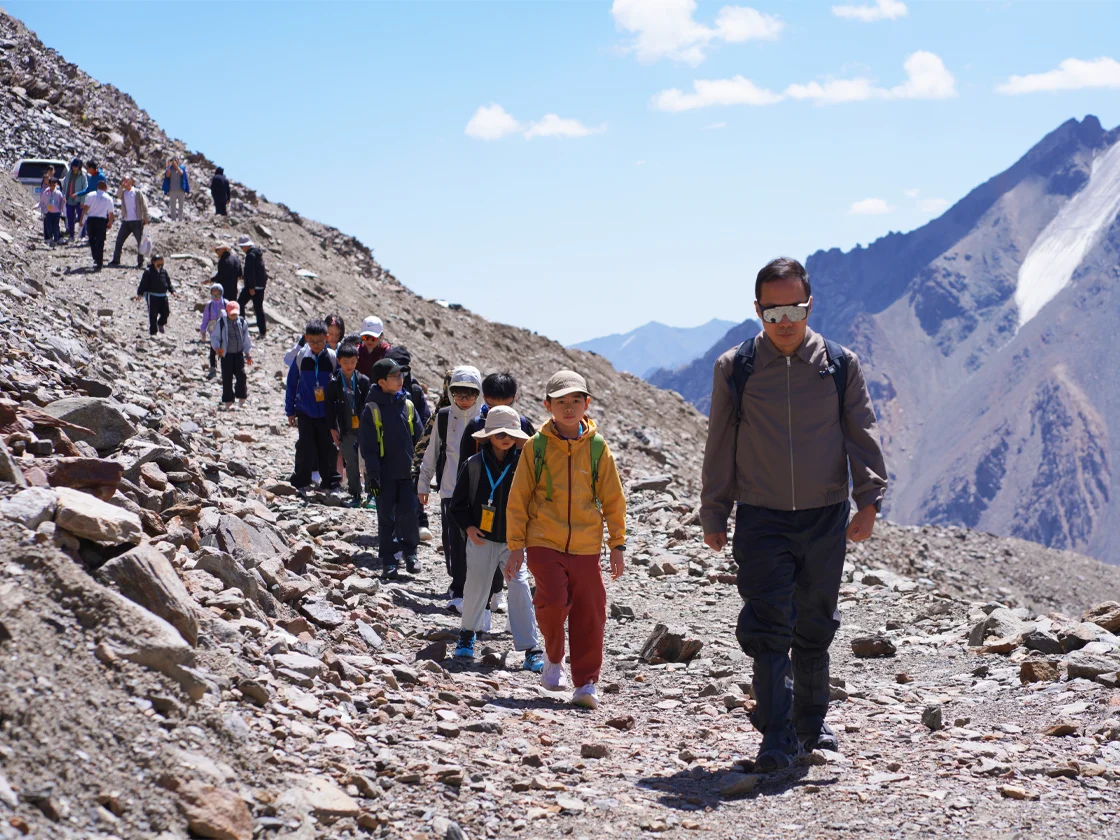
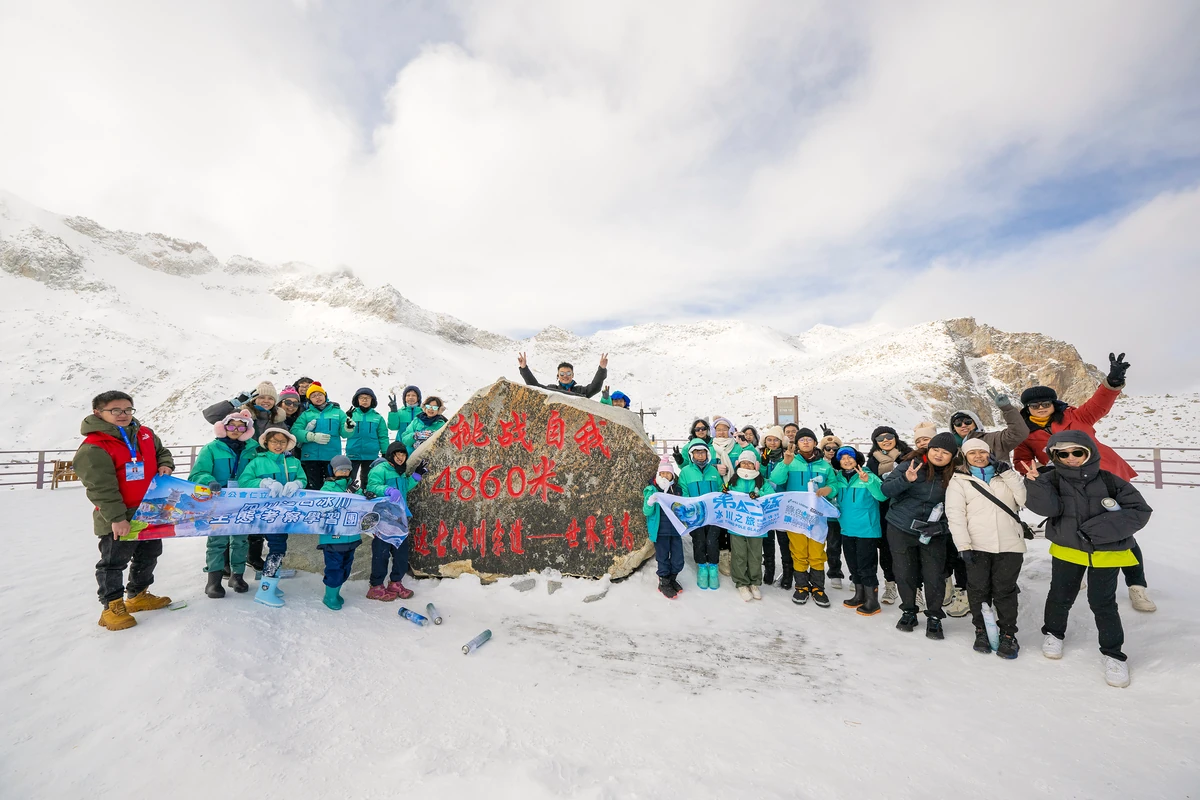
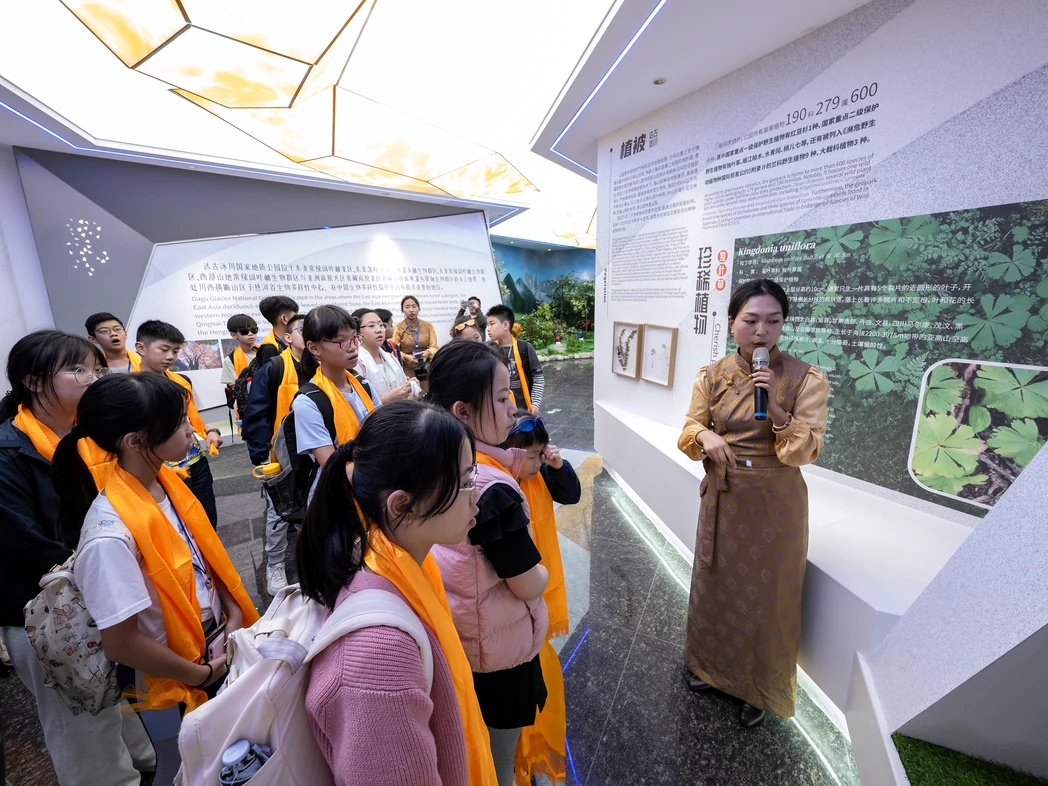
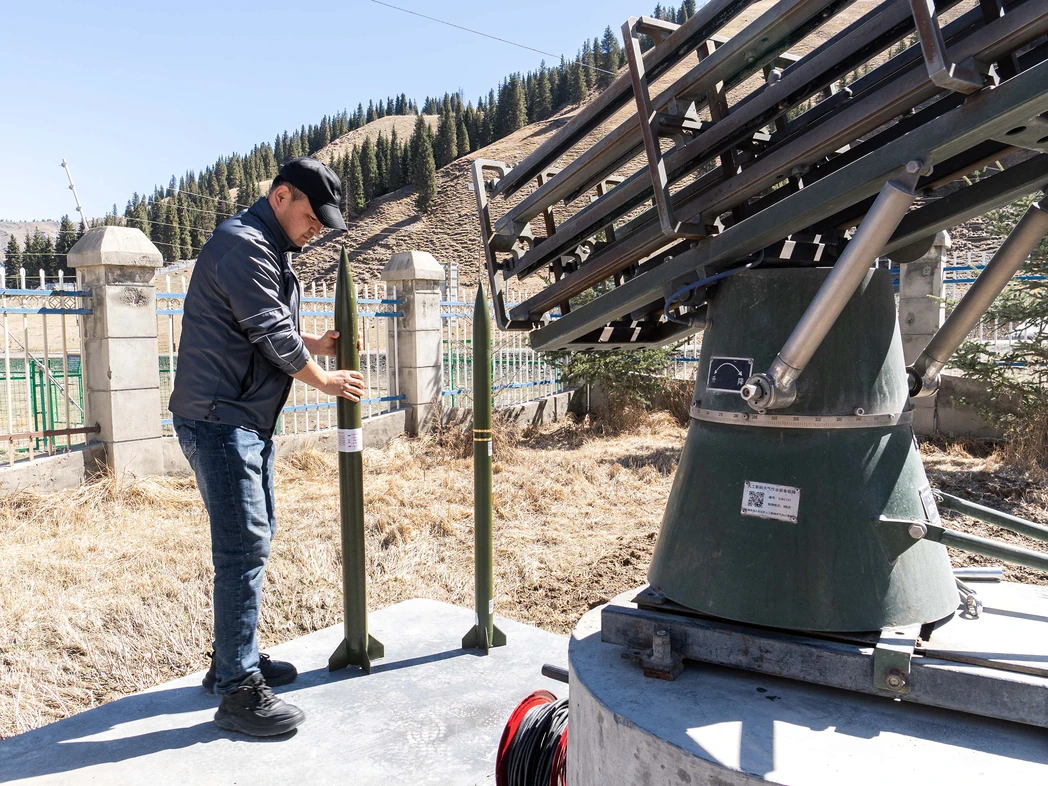
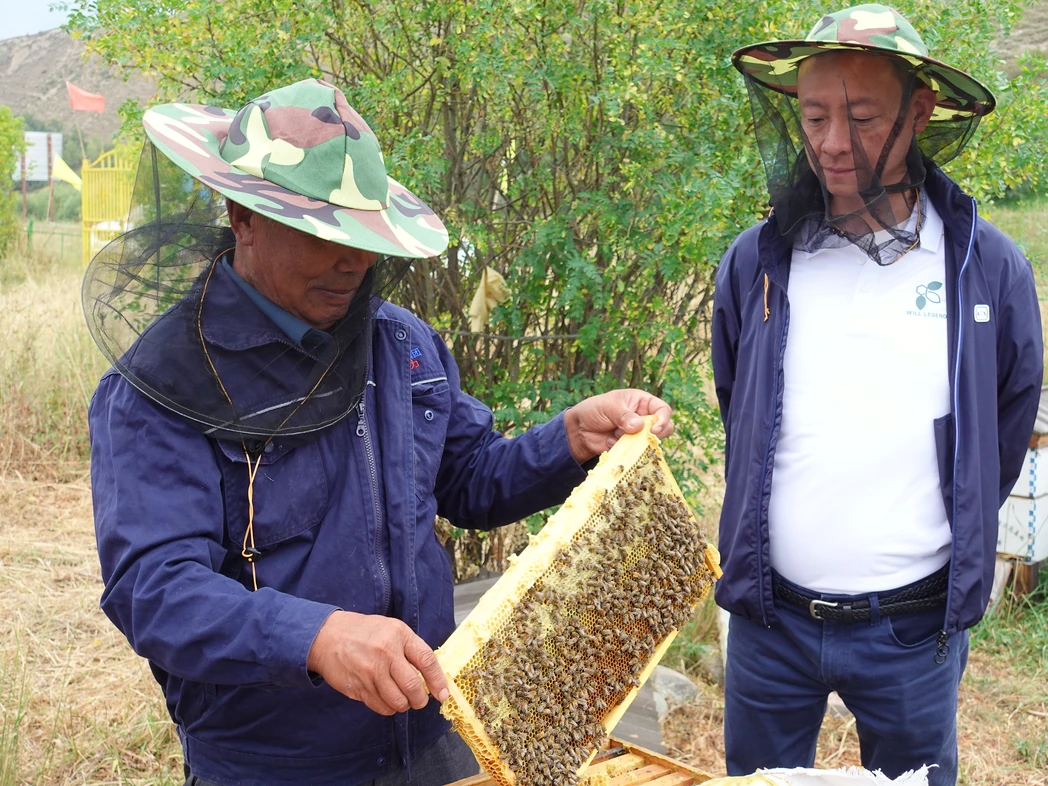
A journey can combine research courses, ecological observation, school exchanges and community visits around the learning goals of a business, organisation or school. Actual arrangements depend on season, venue, hosting and protected-area permissions; individual examples are not guaranteed stops on every journey.
SCIENCE COMMUNICATION
Helping more people understand what happens in the field.
Will Legend’s Science Communication Station connects science with climate action. From scientists explaining glaciers in Tianshan to a sharing video filmed at UNESCO Headquarters in Paris, video and Chinese and English content bring specialist messages to websites and social platforms.
Businesses and organisations can commission a themed feature or an ongoing series, discussing a logo in a separate frame, a message of support or another suitable presentation. The brand communicates its support for the feature’s science communication; it does not imply commercial endorsement by a research institution, UNESCO or another organisation.
Weekly research topics can also provide an ongoing learning route, identifying original sources, publication dates, findings and limitations. An initial experience helps partners discover the conservation and education programme behind the content and explore suitable projects to commission.
Science communication at Tianshan Glacier No. 1
A researcher shares glacier, water and science communication messages in the field. Original subtitles are retained.
World Day for Glaciers | Sharing from UNESCO Headquarters, Paris
An existing science communication video. The filming location does not imply that a new partner attended the original activity or is endorsed by UNESCO.
Free three-month participation pilot
One business or organisation each week can display its logo in a designated frame around selected content. One free participation per organisation; 12 places over 12 weeks. Visit SDG Partner and contact us by email for details, scheduling and application arrangements.
STORY · FILM · EVERYDAY LIFE
A far-reaching vision can begin with a story.
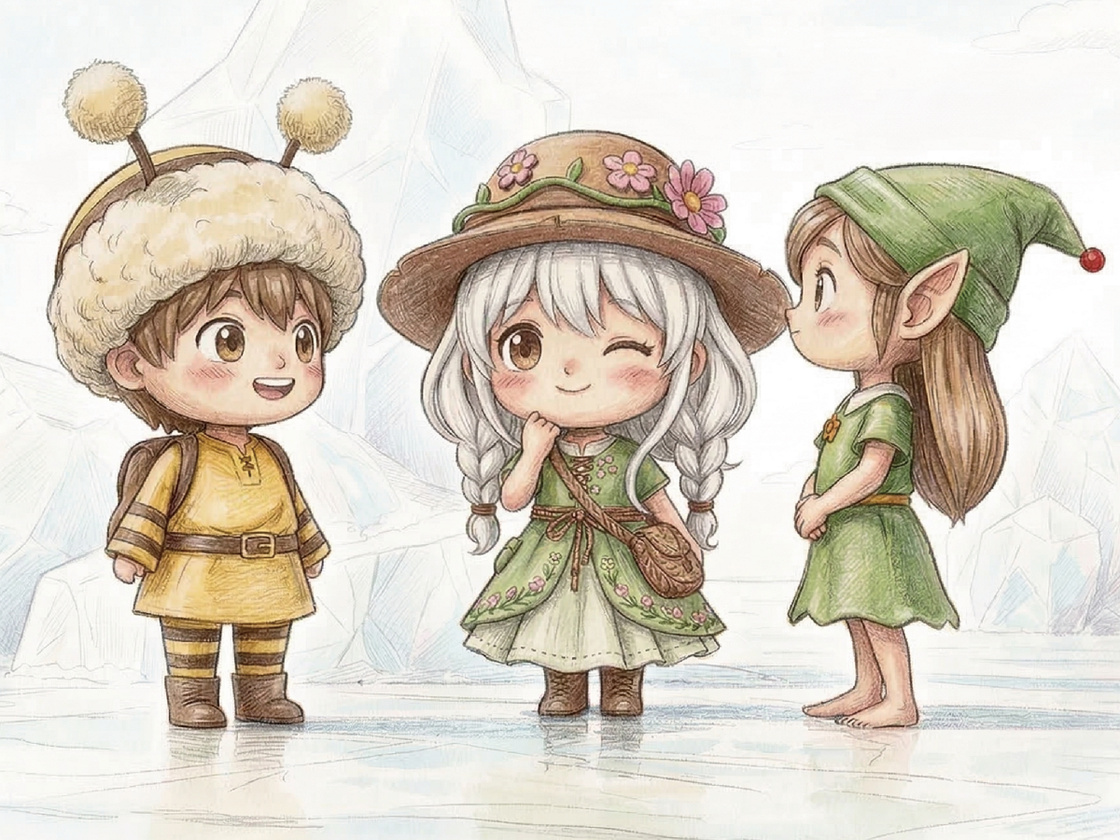
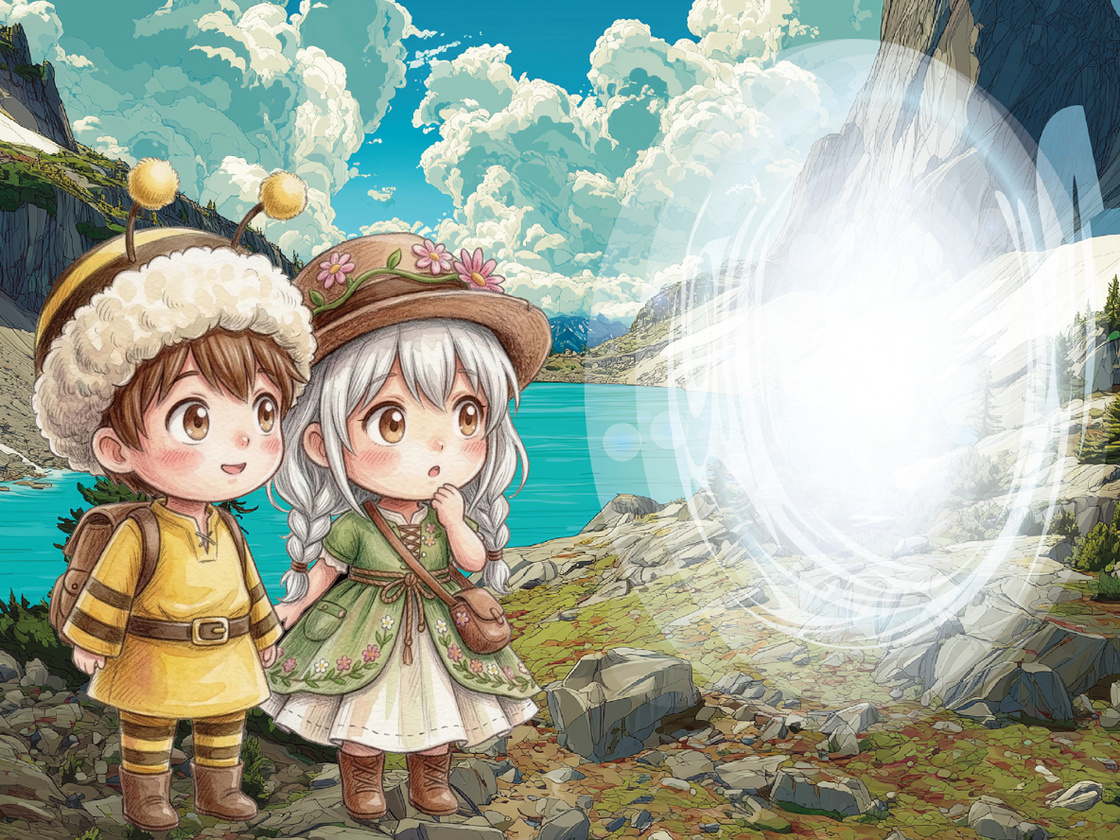
Created by William Hung, Willy Bee® — The Journey of Glacier, Land and Ocean takes children and other readers on an imaginative journey with Willy Bee® and Flowery. It connects water, food and air with a future where people and nature live together. Teams, researchers and partners bring the ideas into real projects.
From reading stories to experiential learning
The book has three chapters, exploring land and food, ocean and air, and glaciers and water, with accompanying experiential learning content on the Sustainable Development Goals (SDGs). It can support the reading and learning needs of different age groups in kindergarten, primary and secondary schools, while also inviting parents and children to read together and turn the characters’ journey into questions about everyday life.
A story can invite a question. Music and images can create a connection. Science talks and visits then help people understand more. The film, music video and book offer different starting points for talks, lessons and activities at glacier sites. Fiction and AIGC scenes are clearly distinguished from science explanations and real field records.
Participation can begin close to home: grow suitable flowering plants, learn about bees and pollination, save water and reduce waste. One flower will not directly stop a glacier melting. It can help a child start learning about nature and caring for living things, then explore the wider links between climate and daily life.
Understanding glaciers and water in the story
321 and 322
The story’s power numbers connect with World Day for Glaciers on 21 March and World Water Day on 22 March respectively, highlighting the relationship between glacier preservation and freshwater resources.
The cryosphere
The cryosphere includes glaciers, snow cover, sea ice, ice sheets and frozen ground. It is an important part of Earth’s climate and water cycle. The story turns these elements into polar gems, sparking children’s curiosity before introducing the science behind them.
The world’s water towers
Ice and snow can store water, and their meltwater supports downstream lives, production and ecosystems in some catchments. The story uses “water towers” to explain this relationship between storage and water supply, making “remembering the source when drinking water” a starting point for observation and questions.
Young glacier guardians
This is the story’s name for the scientists and experts who protect glaciers. Moving from the characters to real researchers, children can explore further: who observes glaciers? How are changes recorded? And how does research help us understand the future?
INTERNATIONAL CONTEXT
Connecting participation from Hong Kong with shared global goals.
World Day for Glaciers on 21 March and World Water Day on 22 March draw attention to glaciers, the water cycle and daily life. The attention generated by the International Year of Glaciers’ Preservation 2025 can continue through education, cryospheric science exchange and public participation.
From the 1.5°C climate goal to a decade of scientific action
The Paris Agreement’s long-term goal is to hold the increase in global average temperature to well below 2°C above pre-industrial levels and pursue efforts to limit it to 1.5°C. “1.5°C Climate Action” brings this shared direction into education, helping participants understand the relationship between emissions, warming and glacier change.
The United Nations Decade of Action for Cryospheric Sciences (2025–2034) continues work in research, international collaboration and public education, turning attention beyond World Day for Glaciers into ongoing learning and participation.
Learning and field education connect with SDG 4; water awareness with SDG 6; climate education and participation with SDG 13; and cross-sector collaboration with SDG 17. Local industry, land and ocean topics can also be related to SDGs 8, 15 and 14 according to the actual work.
International initiatives provide a shared language. Real projects explain what was done, what participants learned and how the work can continue. Taking part in one activity does not automatically achieve every SDG or establish ESG performance.
WAYS TO COMMISSION
Start with your goals.
Find a practical way to participate.
Who would you like to reach with glacier and water knowledge? What would you like them to understand or do? Businesses, organisations and schools can begin with these questions and choose a direction below to plan with Will Legend. Researchers and glacier sites are also welcome to discuss content, learning activities and public participation.
01 / COMMISSION
Glacier learning journeys for employees or students
Plan Tianshan or Dagu glacier learning around participants, goals, timing and budget, combining research courses, school exchanges and suitable ecological or community visits.
Agree together: Learning topics, proposed route, courses, hosting and travel partners, budget, roles and outcome records. Qualified partners arrange travel services.
02 / COMMISSION
Glacier Conservation Ambassador Training
Discuss one to two days of training based on the jointly developed 1.5°C Climate Action “Let the Glacier Cool” Study Course. Training can take place at a venue designated by the commissioning partner or at the Tianshan Glaciological Station in the protected area, with instructors coordinated and assigned by the institute.
Agree together: Participant background, duration, content, instructors, venue and completion requirements. A jointly issued course certificate recognises completion and the science communication role; it is not an academic or professional practising qualification. Subsequent school sharing is arranged together.
03 / COMMISSION
Glacier talks, film sharing and learning activities
Begin with a glass of water, a story or a short film to explain how glaciers and climate relate to daily life. Combine Green-blueprint, Willy Bee® educational films, music videos and interactive learning around the audience and setting of a school, business, organisation or glacier site.
Agree together: Topic, audience, duration, learning materials, film use, interaction and follow-up learning.
04 / COMMISSION
Commission a Science Communication feature
Turn messages scientists wish to share into video and Chinese and English content. Support one topic or a series, with a separate logo panel, supporting message and suitable publishing format.
Agree together: Research connections, content review, filming coordination, production, brand placement, channels, permissions and available outcome data.
05 / COMMISSION
Bring glacier education to more children
Sponsor IP storybooks, materials and learning resources around school needs. Connect with the “Take Me School” Education-Sharing Programme, painting exhibitions and exchanges, combining resource support with learning.
Agree together: School needs, resource types and quantities, budget, giving arrangements, school sharing and outcome records.
06 / COMMISSION
Connect your organisation with glacier academic exchange
Building on the 2025 co-organising experience and connections with the second symposium in 2026, businesses and organisations can commission Will Legend to discuss supporting participation, conference-related projects, scientists’ sharing and coordination of venues, printed materials, gifts and announcements. Mountain glaciers in the Mainland provide a starting point for water-source awareness, shared cultural connections and exchange.
Agree together: Participation format, supported activities, exchange content, brand presentation, materials, budget, roles and communication of outcomes. Organisers confirm status, speakers, venues and brand placement; media coverage is not guaranteed.
Working with professional partners
Will Legend collaborates with SDG consultants, marketing agencies, corporate communications and event teams, travel and educational tour companies, and creative partners. We contribute research, education and local connections, respect existing client relationships and agree on roles, communication, budget and deliverables before starting.
EXPLORE THE STORIES
Explore the stories behind the projects
COMMISSION WILL LEGEND · YOUR SDG PARTNER
You have a clear goal.
Will Legend has a practical plan.
From a question about a glass of water to a glacier journey; from scientists' observations to learning that children, employees and communities can join. We want distant glaciers to reconnect with everyday life.
Let's work together
Let a glass of water bring us closer to glaciers.
Bring glacier science into schools, workplaces and communities through learning and action.