


Abstract:
“The glaciers are melting! What to do? Embark on a glacier journey!”
On August 26th, Will Legend delivered a message from nature: “If glaciers are overheated, water is going to lose its way.” On the same day, Nepal-Tibet experienced devastating floods caused by rapid glacial melting.
Rapid glacial melting threatens the safety of 2 billion people! How can we scientifically protect glaciers? “Glaciers are melting! What to do? Embark on a glacier journey!” This message has been sent out by Will Legend since 2023. Unfortunately, even today, it has yet to receive an active response from the public, businesses and organizations.
If humanity continues to harbor wishful thinking, believing that life can exist without nature, then the disaster in Nepal-Tibet is merely the beginning, and more will follow.
Will Legend’s “Green-blueprint” initiative integrates the three major ecosystems of glaciers, land, and oceans to address climate change and simultaneously practice a balanced coexistence between humans, society, economy, and nature. It promotes the three visions of “Environmental Protection, Social Philanthropy, Ethnic Integration” and works together with global citizens to achieve a better future of peace, health, and prosperity.
“Let the Glacier Cool” is a cross-regional initiative to protect glaciers – by leading people on a “Glacier Journey” to mitigate the global climate crisis through climate action and reduce the impact of natural disasters on human life and property.
Will Legend calls on the public, businesses, and organizations to join the “Let the Glacier Cool” initiative to promote glacier conservation. Please help share this so more people can embark on a “Glacier Journey – Let the Glacier Cool”.
Background
The “Green-blueprint”, fostering three visions of “Environmental Protection, Social Philanthropy, Ethnic Integration”
The Guardian of Humanity and Nature
“I love doing something to help nature and society,
not just for now, but also for the future.”
– W.L. Hung, CEO
A 2022 report by UNESCO stated that global warming is causing the disappearance of thousands of glaciers worldwide, and glaciers in World Heritage sites are melting at an accelerated rate, with one-third expected to vanish by 2050. The organization indicated that limiting global warming to below 1.5°C could potentially save the remaining two-thirds of glaciers.
NASA’s National Snow and Ice Data Center warned that if all glaciers and ice sheets melt, global sea levels will rise by more than 195 feet (60 meters), submerging almost all major coastal cities and low-lying areas worldwide.
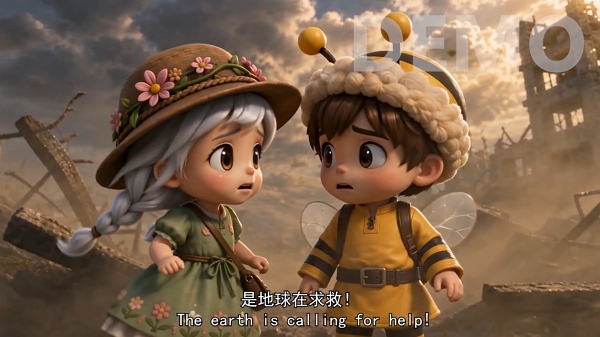
Sea levels will rise by more than 60 meters by 2050! By 2050, the global average surface temperature will rise by more than 2°C (Celsius) above pre-industrial levels. Global warming is causing extreme weather, war, and pollution; the future of the Earth and humanity has reached a critical point. Glaciers, the land, and oceans are on the verge of collapse, and the planet is facing water, food, and air crises. To reverse the situation and safeguard humanity’s bright future, nature, through the “wind”, is constantly calling for guardians—guardians of humanity and nature—hoping that Willy Bee can bring the “Green-blueprint” back to the world of 2020 to address the pressing global challenges of the 21st century, including climate change, global poverty, peace, and inclusive societies.
With Antarctica and the Arctic already destroyed, only one legendary time tunnel remains—located in the Tianshan Glacier Reserve, the Earth’s Third Pole. In a chaotic world, finding the lost Third Pole is no easy task. This lonely journey requires strong determination and humility in order to gain the wisdom needed to overcome one challenge after another.
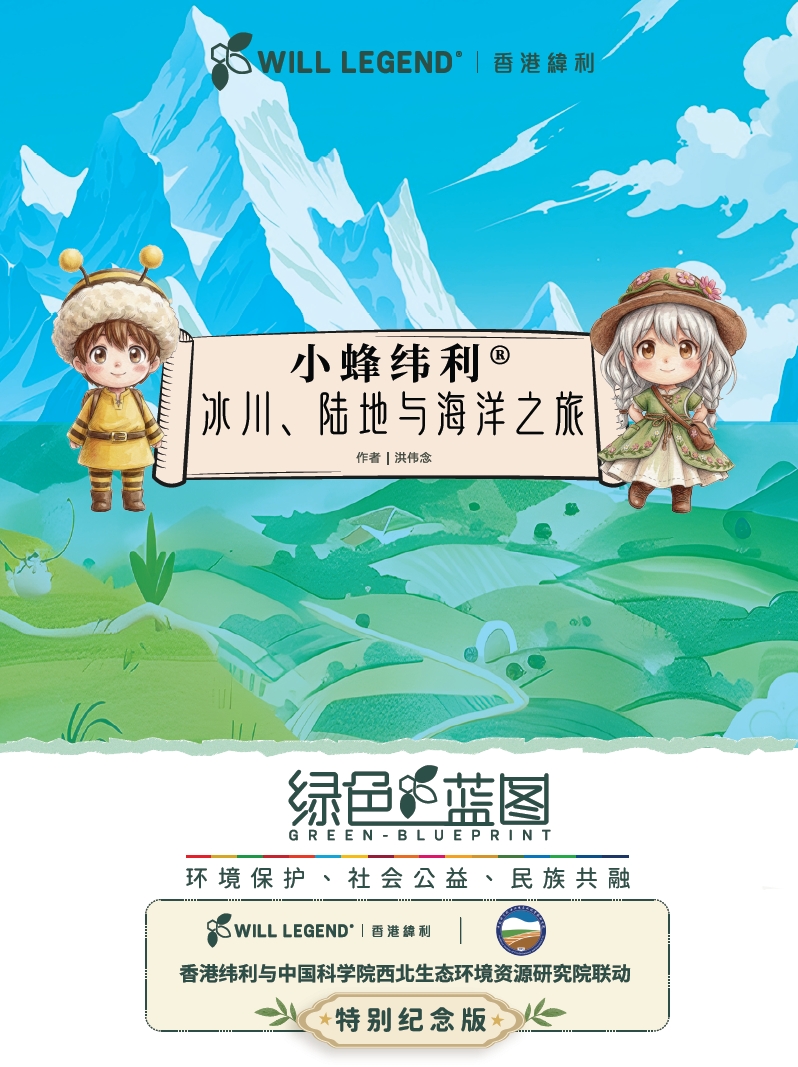
At the end of the story, Willy Bee and Flowery go into communities and schools to promote the “Glacier, Land, and Ocean Journey”, guiding people to embark on a glacier journey starting with glacier protection, and then to protect land and oceans, safeguarding the Earth’s health holistically. Along the way, they work with the public to practice social philanthropy, connecting people from both places to achieve ethnic integration. They educate the public, especially young people, that green development and a low-carbon, non-toxic lifestyle are the cornerstones for achieving a balanced coexistence between humans, society, economy, and nature, and will be the best Earth engineering approach to mitigate global warming and climate change, bringing a peaceful, healthy, and prosperous future. This is the background to the creation of “Willy Bee – The Journey of Glacier, Land and Ocean”.
“Willy Bee – The Journey of Glacier, Land and Ocean” storybook has been approved by the Xinjiang local government, education bureau, and schools, becoming the first Hong Kong storybook to enter schools in the mountainous areas of Xinjiang.
Promoting Collaboration between Hong Kong and Mainland of China to Create Opportunities

Soon, the Story of Willy Bee® will connect with people around the world in various forms, working together to achieve a better future of peace, health, and prosperity. This initiative aims to demonstrate Will Legend’s role in promoting collaboration between different sectors and IP synergy between Hong Kong and the Mainland of China, creating opportunities. At the same time, it strengthens Will Legend’s leading position as the SDG and ESG Global Partner for the Goals.
“Green-blueprint” – The World’s First AI Short Film on UN Sustainable Development Goals for Conservation and Education
└─ seven languages, promoting the integration of glaciers, land, and oceans, and working together with global citizens to achieve a peaceful, healthy, and prosperous future.
“Green-blueprint” – The World’s First AI Music Video on UN Sustainable Development Goals for Conservation and Education
└─ subtitles in seven languages, singing out the “Green-blueprint” in children’s hearts – a balanced coexistence of humans, society, economy, and nature.
The Nation’s First Hong Kong and Mainland of China SDG and AI Conservation and Education Course
└─ “Green-blueprint – Willy Bee®” practicing the three goals of “AI Empowerment, Education for the Future, and Integration Between the Two-places”
The Nation’s First Hong Kong and Mainland SDG and AI Conservation and Education Creative Competition
└─ “Green-blueprint – Willy Bee®” promoting the three visions of “Environmental Protection, Social Philanthropy, and Ethnic Integration”
Will Legend is SDG-focused and committed to turning global challenges into actionable measures. This collaboration involves Shenzhen 32 Digital Content Co., Ltd., a Mainland Chinese company specialising in generative artificial intelligence (AIGC) applications and talent development.
Protect Glaciers Together with Scientists
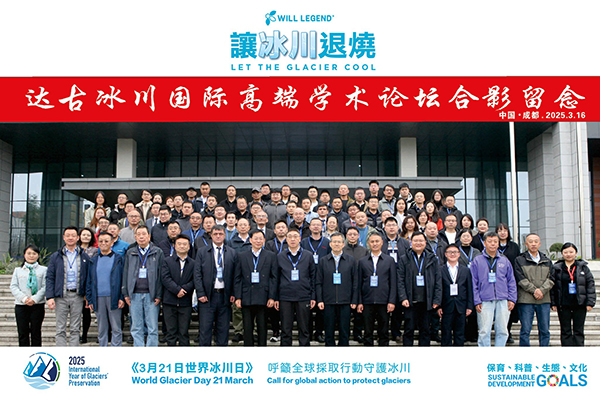
Let’s pay tribute to scientists around the world and thank them for their contributions! On March 16, 2025, “2025 International Year of Glaciers’ Preservation” Dagu Glacier International Academic Summit Forum. Liss Marie Andreassen, President, International Association of Cryospheric Sciences; Qin Dahe, Academician of the Chinese Academy of Sciences, President of the Chinese Society of Cryosphere Sciences (CSCS); Yao Tandong, Academician of the Chinese Academy of Sciences, Co-chair of Third Pole Environment (TPE) Science Committee, President of the China Society on Tibetan Plateau; Feng Qi, Academician of the Chinese Academy of Engineering, Director General of Northwest Institute of Eco-Environment and Resources, Chinese Academy of Sciences. They delivered speeches in succession. The academic forum passed keynote reports, special reports, and the “Let the Glacier Cool” Initiative, safeguarding Glaciers, Glacial Water Resource, Cryosphere.
William Hung of Will Legend participated as a Hong Kong representative, representing a co-organising institution and serving as a member of the Scientific Committee, delivered a keynote address. From a perspective beyond that of a scientist, he proposed initiatives such as “Let the Glacier Cool – A Glacier Journey”, SDG Green School Talk, AI (AIGC) Education & SDG Course, and the “Green-blueprint – EthnicIntegration” Art Exhibition. These initiatives aim to raise public awareness of glacier conservation and garner greater social attention and support. He hopes that this “Nation’s First Hong Kong-Mainland Glacier Conservation for Joint Action” will bring Hong Kong teachers, students, businesses, and organizational/institutional representatives to the polar regions to experience firsthand the rapid melting of glaciers, thereby deepening their understanding of glacier protection and Bridging Scientific Research, Disseminating Science Outreach, Sharing Education.
During the conference, CCTV-13 News and Hunan TV were present to cover the event. William Hung stated that the reason for establishing the “Nation’s First Hong Kong-Mainland of China Glacier Preservation for Joint Action” –”Let the Glacier Cool” Conservation and Education Programme – is to allow Hong Kong teachers, students, business representatives, and organizational/institutional representatives to personally experience the rapid melting of glaciers in the polar regions, enabling them to gain a deeper understanding of the importance of protecting glaciers, glacial water resources, and the cryosphere. By bridging scientific research, disseminating science outreach, and sharing of education, the program aims to raise public awareness of the importance of integrating glaciers, land, and oceans, and practicing a balanced coexistence between humans, society, economy, and nature.


On March 17, 2025, a significant cryosphere-themed event was held, marking a milestone in bringing the “Let the Glacier Cool” Conservation and Education Programme to the motherland and onto the international stage. Will Legend connected the Northwest Institute of Eco-Environment and Resources, Chinese Academy of Sciences, Xinjiang Tianshan Glacier National Field Scientific Observation and Research Station (Tianshan Glaciological Station), Polar Research Institute of China, Ministry of Natural Resources, Dagu Glacier Administration Bureau and “Center for Glacier Research” of the National Academy of Sciences of Tajikistan, jointly promoted the “Let the Glacier Cool” Initiative on the Dagu Glacier. Through public participation, a group of scientists took action to call on more people to pay attention to global climate change. Glacier melting is not only an issue of ecological balance; it is also closely linked to global water security and climate change.
On March 20 to 21, 2025, Chinese Glaciologists, Meteorologists and Expert Representatives, including Professor Yao Tandong, Professor Li Zhongqin, Professor Wang Feiteng etc., attended a High-level Event at the UNESCO Headquarters in Paris to jointly celebrate the First World Day for Glaciers and World Water Day 2025, and Mr. Yao Tandong made a speech for Session 1 – Scientific Research: Cryosphere Observation and Modelling. As part of the International Year of Glaciers’ Preservation 2025, a joint celebration of the World Day for Glaciers and World Water Day highlights the accelerating threat of glacier melt and its impact on water security, communities and ecosystems. With glaciers melting at record rates, the joint celebration will highlight the importance of “White Giants” as guardians of the “World’s Water Tower” for the billions of people who depend on them.
On October 1, 2025, “Let the Glacier Cool” and the HKSAR flags flew over the Arctic. On National Day, researcher Wang Feiteng presented Will Legend with a particularly meaningful “Let the Glacier Cool” flag signed by all scientists at the Yellow River Station, symbolizing that Will Legend is building a bridge to the Arctic. The China’s Arctic Yellow River Station, located in Ny-Ålesund, Svalbard, Norway, is China’s first Arctic research station, established on July 28, 2004. Its geographical coordinates are 78°55′N, 11°56′E.
On March 13, 2026, “Sharing of Education” through the collaboration with the Chinese University of Hong Kong, “Let the Glacier Cool” was established at the Museum of Climate Change (MoCC), promoting best practices in human intervention to address climate change.
Embark on a Glacier Journey “Let the Glacier Cool”
Will Legend has been collaborating with the Northwest Institute of Eco-Environment and Resources, Chinese Academy of Sciences, to promote the first joint action for glacier protection between Hong Kong and the Mainland of China. On March 21, 2023, Will Legend established the “Let the Glacier Cool” Conservation and Education Programme, becoming its founding organization, with CEO William Hung as the program’s founder. That same year, Will Legend received a reply from Researcher Wang Feiteng of the Northwest Institute of Eco-Environment and Resources, Chinese Academy of Sciences, who fully supported the “Let the Glacier Cool”.
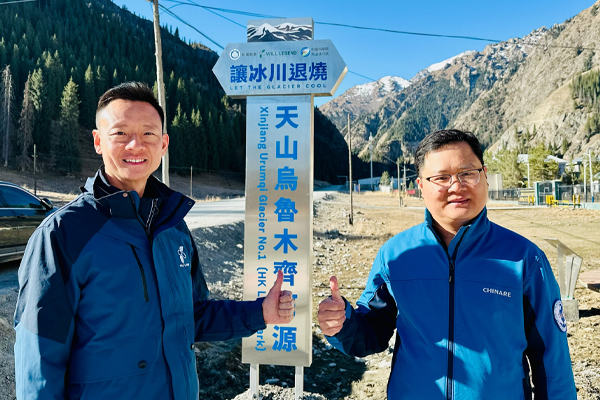
On December 28, 2023, Will Legend presented the “Third Pole Hong Kong Glacier Landmark”, a bridge of friendship between Hong Kong and the Mainland of China, to the Dagu Glacier Administration Bureau. From that moment on, Will Legend, the Northwest Institute of Eco-Environment and Resources, Chinese Academy of Sciences and the Dagu Glacier Administration Bureau together launched the First in the Country of Glacier Preservation for Joint Action.
The “Let the Glacier Cool” is a cross-border initiative that promotes sustainable development for both humanity and nature. Starting with glacier protection, it aims to inspire the public to cool the Earth and safeguard its “health” by protecting glaciers, land, and oceans holistically. This, in turn, protects vital elements for human life—water, food, and air.
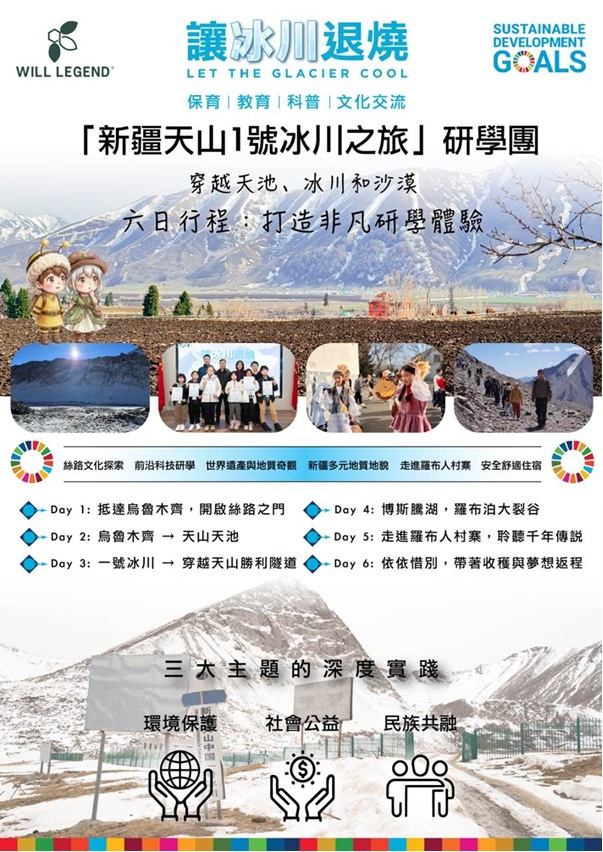
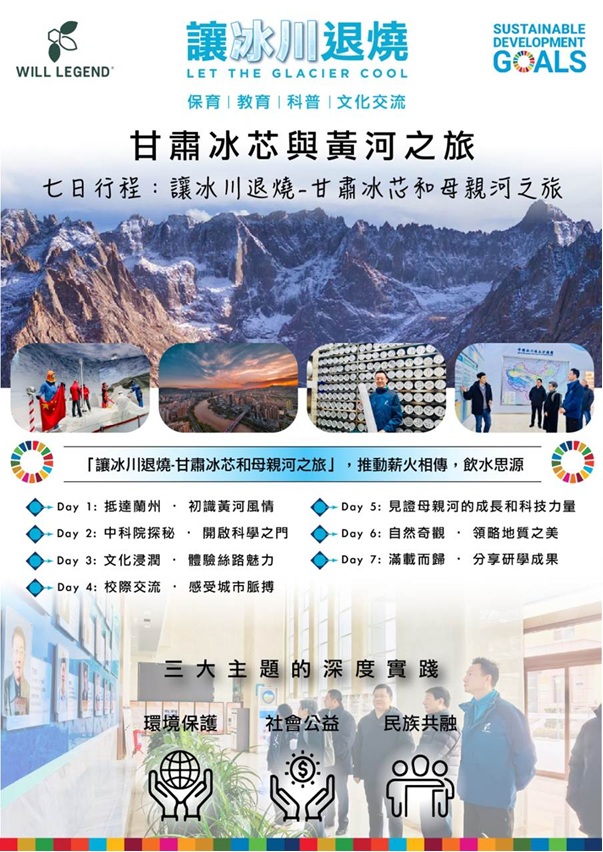
The “Let the Glacier Cool” platform, once its gears are set in motion, will enable enterprises/organizations to share their economic achievements in exchange for corporate social responsibility and ESG performance; scientists to share their research results and theories on the platform in exchange for resources to continue their research and to better gain public acceptance of their ideas; and teachers and students to actively support the platform’s activities in exchange for knowledge accumulation and to help the next generation plan their own “Green-blueprint” for the future. Through the interaction and contributions of these three main groups, the public will be able to more easily grasp how to change their daily lives as everyday measures to combat climate change, better protect glaciers, land, and oceans, and promote sustainable development for both humans and nature.
Glaciers, land, and oceans draw the “Green-blueprint”. Then, the “Green-blueprint” educates the public and raises their awareness of protecting the Earth. Through such as the story of “Willy Bee – The Journey of Glacier, Land and Ocean” (storybook, movie and music video), SDG Green School Talk, Sustainable Health Service, CUHK Climate Change Museum, and the “Glacier Journey” to bring the public closer to nature, constructing comprehensive science outreach and educational activities that translate into everyday measures to address climate change. Seeking to reduce emissions and lower temperatures at their source, mitigating the climate crisis caused by global warming.
“Let the Glacier Cool” Starts from Xinjiang Tianshan Glacier No. 1 and Sichuan Dagu Glacier
Xinjiang Tianshan Glacier No. 1 has the longest continuous observation record of any glacier in China, with monitoring dating back to 1959. The World Glacier Monitoring Service (WGMS) has selected over 40 glaciers to represent global mountain glaciers, with Tianshan Glacier No. 1 being the only reference glacier in the network located in China. As one of the ten glaciers monitored globally, it provides a good indicator of glacier changes in China and across Central Asia.


Glaciers in Xinjiang are primarily continental and mountain glaciers. The glaciers in the Tomur Peak area of the Tianshan Mountains are continental glaciers, characterized by low temperatures, slow accumulation and melting, and relatively slow movement. The glaciers on Muztagh Ata Peak on the Pamir Plateau are mountain glaciers, generally smaller than continental glaciers, developed in mountainous areas, and significantly influenced by topography.
Glaciers in Xinjiang account for approximately 43% of the national total, primarily distributed in the Tianshan, Kunlun, Altai, and Pamir Plateau. Xinjiang’s Karakoram Mountains are the world’s highest, largest, and thickest alpine snow belt. The Pamir Plateau is China’s third-largest mountain range, after the Himalayas and Kunlun Mountains, and is characterized by the development of mountain glaciers.
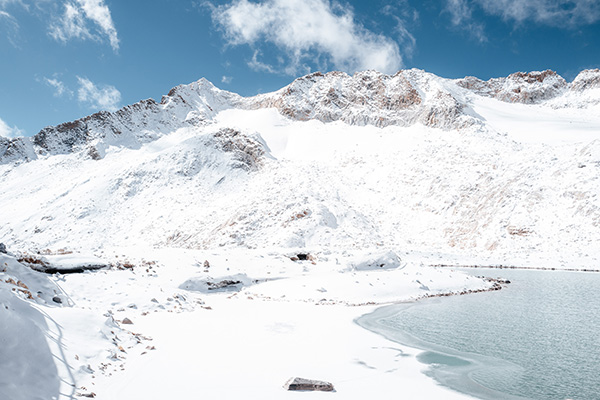
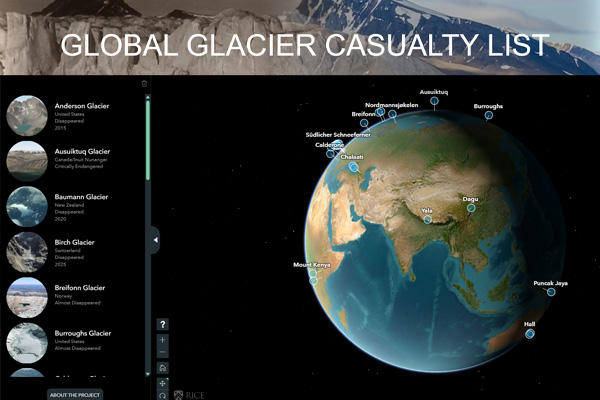
In 2024, Sichuan Dagu Glacier was selected by the World Glacier Monitoring Service and UNESCO as a global priority glacier for rescue. In the same year, the Global Glacier Casualty List (GGCL) highlights 18 renowned glaciers worldwide, chosen due to their impending disappearance and their significant scientific and economic value, to raise awareness on the drastic changes glaciers are undergoing and the urgency of their preservation. Dagu Glacier is the only glacier from China included in the list is projected to disappear by 2030. In May 2025, at the first UN International High-Level Conference on Glacier Preservation held in Tajikistan, the Chinese government delegation cited the protection of Dagu Glacier as a typical case of China’s implementation of UN initiatives.
Providing Children with Equal Access to Education and Forging a Strong Sense of Community for the Chinese Nation
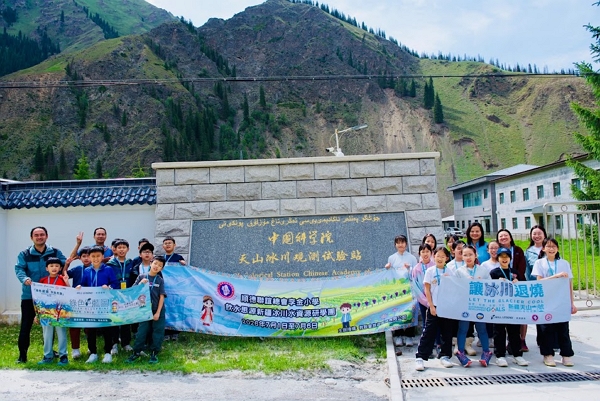


In around 2020, Will Legend noticed that some Hong Kong primary school students were going on study tours to the Arctic, costing each student approximately HK$180,000. I thought that such tours, concentrated in a small group of wealthy students, were unlikely to achieve the educational purpose or popularize and practice environmental protection concepts. Therefore, I began seeking help from Chinese scientists to co-write “The Glacier Story of Hong Kong”.
I began with a glacier journey from my own motherland (the Third Pole of the Qinghai-Tibet Plateau). This significantly reduces costs, allowing more teachers and students to participate. During the journey, I guide people from Hong Kong to trace water back to its source — the glaciers — while also encouraging them, especially young people, to explore the roots of Chinese culture., helping them understand the true meaning of “When drinking water, remember its source. Same roots, same heart”. Through increased exchanges between the two places, we can promote mutual understanding and cultivate more young people who are patriotic. Along the way, we work together with the public to practice social philanthropy, connecting the people of both places to achieve national integration. We educate the public, especially young people, that green development and a low-carbon, non-toxic lifestyle are the cornerstones for achieving a balanced coexistence between humans, society, the economy, and nature. This will be the best form of global engineering, mitigating global warming and climate change, and bringing a peaceful, healthy, and prosperous future.
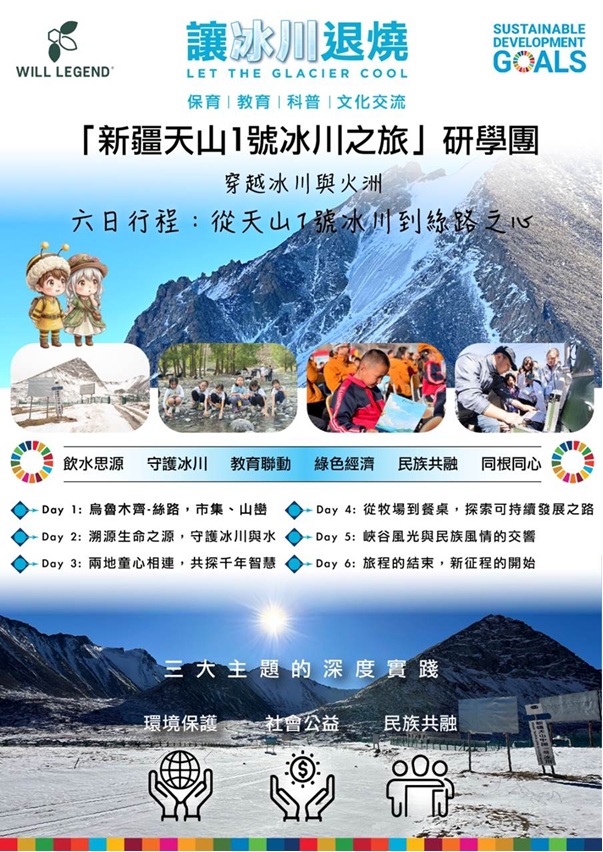
“Let the Glacier Cool – Xinjiang Tianshan Glacier No. 1 Journey” is one of the everyday climate actions to help address climate change. It takes people into the Tianshan Glacier No. 1 Nature Reserve in Xinjiang, highlighting the importance of protecting glaciers and water sources for humans, society, economy and nature, and introducing the concept of “When drinking water, remember its source. Same roots, same heart”; and practicing the United Nations Sustainable Development Goals (UNSDG) and Environmental, Social and Governance (ESG) goals.
The collaboration between Will Legend, the Northwest Institute of Eco-Environment and Resources of the Chinese Academy of Sciences, the Tianshan Glacier Observation and Experiment Station of the Chinese Academy of Sciences, the Xinjiang Tianshan Glacier National Field Scientific Observation and Research Station, the Xinjiang Meteorological Service, the Tianshan Artificial Rain Enhancement Operation Base, the Tianshan Meteorological Observation Station, the Education Bureau of Nileke County, Xinjiang, the Education Bureau of Gaochang District, Turpan City, the Fifth Primary School of Gaochang District, Turpan City, the Culture, Sports and Tourism Bureau of Urumqi Economic and Technological Development Zone (Toutunhe District), the Culture, Sports, Radio, Television and Tourism Bureau of Nileke County, Ili Prefecture, and the Central Primary School of the Nileke County Bee Farm in Ili Prefecture, among others, aims to guide more Hong Kong public, youth, and children to take environmental protection as a starting point and simultaneously practice social philanthropy and ethnic integration.
First Hong Kong Glacier Landmark in Tianshan No. 1 Glacier Nature Reserve
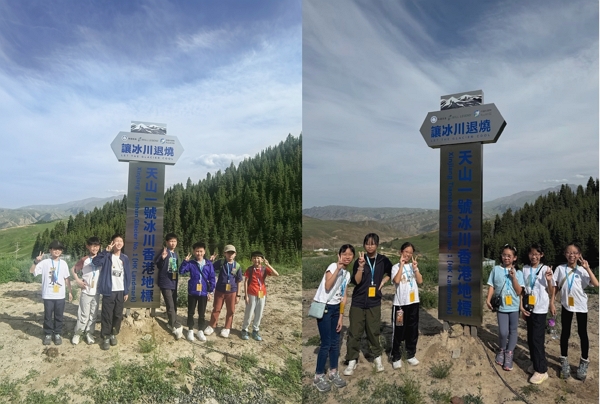
The “Xinjiang Tianshan Glacier No. 1 (Hong Kong Landmark)” was established on March 21, 2025, to commemorate the first World Glacier Day on March 21. Will Legend is dedicated to protecting the Tianshan Glacier No. 1 Nature Reserve and has written “The Glacier Story of Hong Kong”. “Let the Glacier Cool – Xinjiang Tianshan Glacier No. 1 Journey” is one of the daily measures to address climate change, showcasing the efforts and contributions of both places in protecting glaciers and water and promoting the SDGs. Will Legend also hopes that by visiting this Hong Kong landmark, we can work with the public to protect glaciers and water resources, putting SDG and ESG goals into practice and promoting the concept of “When drinking water, remember its source. Same roots, same heart”.
Representatives from Hong Kong youth, businesses, and organizations will enter the Xinjiang Tianshan Glacier No. 1 Reserve, ascending the Glacier No. 1 – the source of Urumqi River to witness the power of the “White Giant” and help Hong Kong youths, business and institutional representatives understand that even a simple act like “drinking water” must begin with protecting glaciers. In tracing the source of the river, we will learn that glaciers store approximately 70% of the Earth’s freshwater, acting as natural freshwater reservoirs (SDG6). At the same time, we will learn about “When drinking water, remember its source. Same roots, same heart” — the shared roots and common destiny of both places. Against the backdrop of global warming, glaciers worldwide are melting and retreating, and the snow line is moving backward. By sharing the results of scientists’ research on glacier melting at Dagu Glacier No. 17 and Tianshan Glacier No. 1, participants will learn about the sources of precious freshwater, the relationship between greenhouse gases and climate crisis (SDG4), and put climate action into practice (SDG13).
Will Legend, in collaboration with the Northwest Institute of Eco-Environment and Resources, Chinese Academy of Sciences, has developed the 《1.5°C Climate Action “Let the Glacier Cool” Academic Course》, “The first national glacier conservation course specifically designed for Hong Kong. The three main areas of focus include glacier changes, China’s glacier protection measures, and the “Let the Glacier Cool” Conservation and Education Programme. This innovative academic study tour is designed not only for study groups and research teams visiting the Tianshan Glacier Base but will also be incorporated into a collaborative project with the Chinese University of Hong Kong—Museum of Climate Change themed “Let the Glacier Cool” – serving as a training ground for future glacier ambassadors and mentors. Global warming is the primary cause of glacier retreat; only healthy glaciers, land, and oceans can control temperature rise and fundamentally “Let the Glacier Cool”.
Will Legend Launches Hong Kong’s First “Academic Study Tour” Rain-Enhancing Rocket
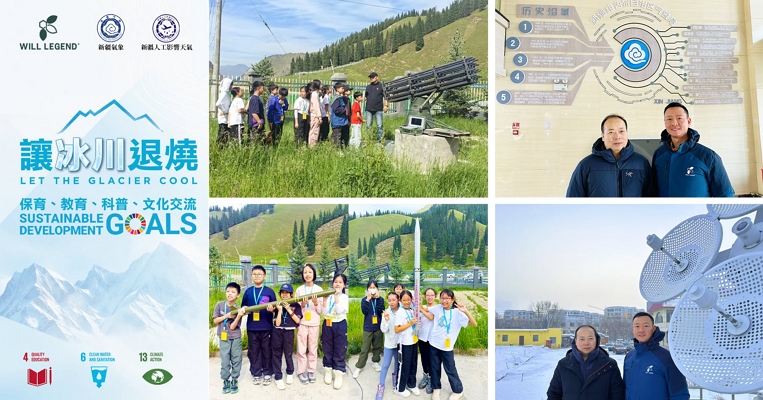
On July 2nd, Will Legend led the Lee Kam Primary School on a visit to the Chinese Academy of Sciences Tianshan Glacier Observation and Experiment Station, Xinjiang Meteorological Service, Tianshan Artificial Rain Enhancement Operation Base, and meteorological observation station. Students received the “Green-blueprint” Certificate (Award) jointly issued by Researcher Wang Feiteng of the Northwest Institute of Eco-Environment and Resources, Chinese Academy of Sciences, Xinjiang Meteorological Service, and William Hung, founder of “Green-blueprint” and “Let the Glacier Cool”.
Small water droplets wander, taking three forms to represent the four seasons, protecting the health of the earth. Glaciers (solid), land (liquid), and oceans (gaseous) merge to create a “Green-blueprint”, practicing a beautiful future of peace, health, and prosperity.
Water is the source of all life, driving climate and ecological cycles. To prevent glacier melting and ensure water supply for Urumqi, the local government decided in 2014 to designate a protected area around the glacier (Xinjiang Tianshan Glacier No. 1 Nature Reserve) to minimize the impact of human activities on the glacier. Meteorological Service regularly conduct artificial rainmaking and snowmaking operations in key ecological protection areas of the Tianshan Mountains and major grain-producing areas to supplement water resources and aid in drought relief for agriculture and forestry, ecological restoration, and glacier protection.
The principle of rainmaking, also known as cloud seeding, refers to the artificial induction of rain when clouds are present. Generally, it works by lowering the temperature within the clouds, causing small water droplets to condense into larger droplets, thus achieving rainfall. The method involves launching silver iodide pellets into the sky. These tiny particles stimulate the clouds to produce more water vapor; these particles are similar in shape and weight to ice crystals.
45-degree Heatwave Doesn’t Hinder Children from Both Places- Pomegranate seeds
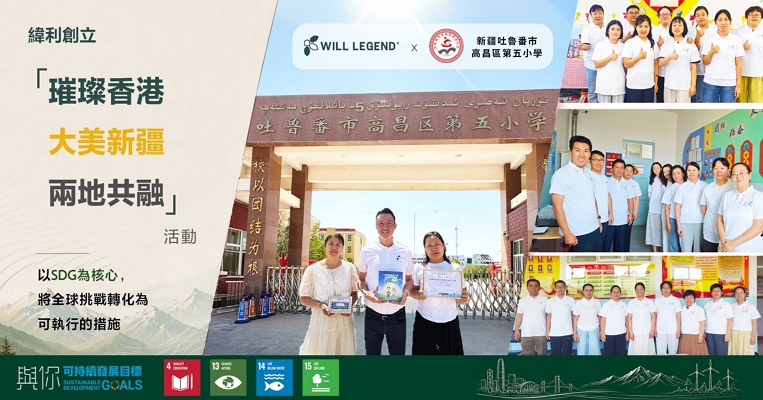
The “Nation’s First Hong Kong-Mainland of China Glacier Preservation for Joint Action” has opened a new way for the two places to connect. Since 2023, Will Legend has been working with the Northwest Institute of Eco-Environment and Resources, Chinese Academy of Sciences to promote the “Let the Glacier Cool” Conservation and Education Programme. Through “Let the Glacier Cool – Glacier Journey”, the program traces the source of water, emphasizing gratitude; connects with schools in Xinjiang, fostering shared roots and a common heart; and creates activities that promote integration between the two places, exploring the origins of Chinese culture and cultivating more young people who care about the country and love their motherland – Forging A Strong Sense of Community for Chinese Nation.
On July 3rd, Will Legend led teachers and students from Lee Kam primary school to a primary school in Turpan, Xinjiang, carrying the “Willy Bee – The Journey of Glacier, Land and Ocean” storybook. How to cool down an 80°C surface temperature? 72 Xinjiang teachers donned “Will Legend Climate Action Uniform” to “Let the Glacier Cool”. Will Legend became a participant, contributor, and leader in the integration of the two places, writing a historic chapter in ethnic integration! Working together to promote environmental protection, social philanthropy, and ethnic integration.
Will Legend fully integrates the core philosophy of the “Green-blueprint”, the harmonious coexistence between humans and nature, into the mission of “Integration of Two Places” – that is, ethnic integration. This connects different sectors and people in both places, implementing conservation, education, science outreach, cultural exchange, and sustainable development goals. This is the origin of “Green-blueprint – Ethnic Integration”. This innovative initiative has also led to the “Symphony Hong Kong, Beautiful Xinjiang, Integration of Two Places” Campaign.
At the same time, to better promote educational collaboration between the two places, Will Legend established the “Green-blueprint: Ethnic Integration” scholarship to encourage students to pay attention to environmental protection and promote ethnic integration. The scholarship also helps building “Willy Bee AI Computer Room” in mountainous schools, allowing children in mountainous areas to embark on the path of AI learning.
A 33-ton Iron Meteorite Fell in Xinjiang — Will Legend Leads Hong Kong’s First Study Tour to the Site
Different languages, but the same hope.
“Gifted Xinjiang, Mineral Charm”: You come from Hong Kong
“Symphony Hong Kong, Beautiful Xinjiang”: I come from afar
Bringing the two places together.
On July 4th, teachers and students from Lee Kam Primary School visited this national science education base again, practicing conservation, education, science outreach, and cultural exchange. Xinjiang is in the core of the Central Asian orogenic belt, spanning the ancient Asian and Tethys metallogenic domains. Its mineral resources are widely distributed across “three mountains and two basins”, earning it the reputation of “every mountain has gold, copper, and iron; every basin is a treasure trove”. Humans, society, economy, and nature coexist in a balanced way. Nature has bestowed upon Xinjiang abundant treasures, including glaciers, snow-capped mountains, and rich minerals, shaping Xinjiang’s unique characteristics in green energy, green economy, lifestyle, and culture.
The new Xinjiang Geological and Mineral Museum has a building area of nearly 7,300 square meters and an exhibition area of 6,000 square meters. The museum houses more than 12,000 specimens of minerals, rocks, ores, and plant and animal fossils, including more than 100 first-class specimens. As a national natural resources’ science outreach base and a national science education base, the Xinjiang Geological and Mineral Museum is not only an important window for Xinjiang’s external exchanges but also a crucial venue for popularizing geological knowledge and promoting science and technology education. The museum’s permanent exhibition is themed “Xinjiang’s Gifted Mineral Resources and Splendid Chapters” and the exhibition halls are divided into eight thematic exhibition halls: “The Origin of Xinjiang” ,”The Evolution of Xinjiang”, “The Imprint of Xinjiang”, “The Creation of Xinjiang”, “The Mining Power of Xinjiang”, “A Three-Dimensional View of Xinjiang”, “Brilliant Treasures” and “The Soul of Geology”.
Amanti, the largest iron meteorite in Asia, also known as the “Silver Camel”, weighs 33 tons and was discovered in the Altay region in 1898. In 1965, it was transported to Urumqi and is now located at the entrance of a museum. The Armanty iron meteorite is one of the most famous iron meteorites in the world, chemically classified as an extremely rare IIIE or IIIE-an (abnormal) iron meteorite. In the international meteoritic and collecting community, it is now officially included and named the “Aletai iron meteorite.” Armanty is the largest main fragment (primosphere) discovered in this massive meteorite shower.
Sustainable Agriculture and Green Economy
On July 5th, at midday when the city was at its hottest, as teachers and students entered the Grand Canyon at an average altitude of 2,020 meters, the hustle and bustle of the city gradually faded away. Here, students gained a deeper understanding of the importance of water to life on Earth. The forests, lakes, rivers, wildlife, and even the ecotourism that has developed based on this natural scenery, all owe their sustainable growth and development to glaciers.
This national forest park has an average annual temperature of only 4-6℃. The surface water of the Tianshan Grand Canyon primarily originates from glaciers and permanent snow cover formed by atmospheric precipitation in the Tianshan Mountains. The main river within the Tianshan Grand Canyon is the Urumqi River. As the altitude increases, the scenic area is divided into three loops, encompassing eight unique attractions: the Tianshan Dam Leisure Area, the Zhaobishan Resort and Recreation Area, the Niuyahu Forest and Pine Forest Scenic Area, the Jiasidaban Scenic Area, the Swan Lake Natural Scenic Area, the Kazakh Ethnic Culture Park, the Alpine Grassland Ecological Area, and the Snow Mountain and Glacier Scenic Area.
The Grand Canyon scenic area is mainly inhabited by six ethnic groups. The most prominent are the Kazakh herders, many of whom maintain traditional Kazakh lifestyles, customs, and pastures. Akyu (white yurts – dome-shaped, detachable tents covered with white wool felt and easily moved seasonally) are scattered across the grasslands, valleys, and lakesides, where the melodious sound of the dombra (the most representative plucked instrument of the Kazakh people) can often be heard.
100 sheep, 30 cows, and 10 horses! At noon, the students were invited to the home of Nurpai Kakm, a kind Kazakh herdsman, to enjoy a special ethnic lunch, including fragrant milk tea, crispy baursak, smooth ghee, and sweet and sour milk curds (Xinjiang cheese), along with tender hand-pulled meat, fragrant rice, local roasted meat, and a horseback riding experience.
Glacial meltwater helps nurture the environment that produces high-quality Chinese dairy products. Teachers and students will learn about farm manure treatment techniques at ecological ranches, mastering ecological agriculture and sustainable production models. The story of the dairy industry’s development will showcase the growth of Xinjiang’s green enterprises: Tianrun, relying on Xinjiang’s unique grassland resources, pure glacial water, and high-quality forage, started as a small workshop, overcoming numerous challenges such as regional transportation and market competition. Through its relentless pursuit of quality and continuous technological innovation, it has gradually developed into a nationally renowned dairy brand. By learning these stories, students will deeply understand that while people, society, and the economy develop, it is essential to protect nature. Only in this way can we achieve harmonious coexistence between humans and nature, realizing a peaceful, healthy, and prosperous future.
Will Legend Pioneers Cotton Growing for Hong Kong Students: One Seed Takes Root and Grows into Diversity
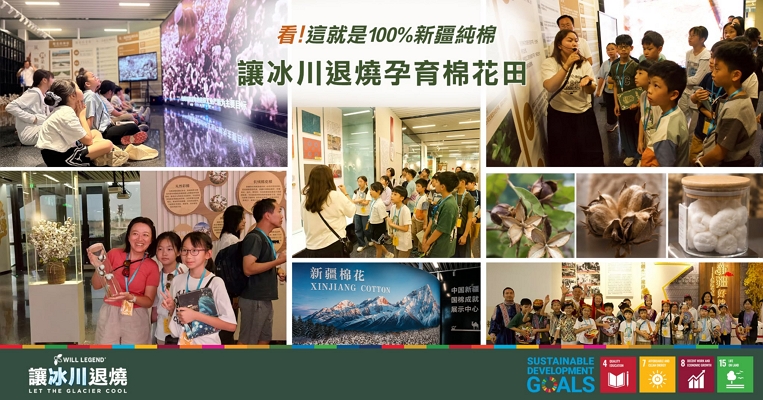
“Will Legend speaks out for the people of Xinjiang and Xinjiang cotton! Telling the story of national development.”. On July 5th, the “Let the Glacier Cool” Hong Kong Academic Study Tour visited communities of different ethnic groups in Xinjiang, the Xinjiang China Colored Cotton Science and Technology Park, and the China Cotton Museum. Empowered by technology and green energy, the cotton industry is injecting economic vitality into local areas and contributing to rural revitalization.
The “Green-blueprint” is the world’s first initiative to integrate the three major ecosystems of glaciers, land and ocean to address climate change and simultaneously practice the balanced coexistence of Humans, Society, Economy and Nature, fostering three visions of Environmental Protection, Social Philanthropy, Ethnic Integration, and work together with global citizens to achieve a better future of peace, health and prosperity.
Planting flowering plants, protecting bees, and building green corridors in and around cities, connecting them to forests, promotes biodiversity and abundant harvests. A low-carbon, non-toxic lifestyle protects soil and water from pollution, thus protecting marine ecosystems. Forests (land) and oceans work together to absorb heat and greenhouse gases, “Let the Glacier Cool”.
The China Colored Cotton Science and Technology Park is located on Wuchang Road in Urumqi, covering an area of 117,800 square meters. It includes a colored cotton planting base, the China Cotton Museum, and a modern artificial climate chamber.
People’s Government of Xinjiang Uygur Autonomous Region reported that Xinjiang’s total cotton production reached 6.165 million tons in 2025, an increase of 479,000 tons over the previous year, exceeding 6 million tons for the first time and accounting for 92.8% of the national output. Both total output and yield per unit area have ranked first in the country for 32 consecutive years.
In 2025, Xinjiang’s cotton growing season was characterized by higher-than-average temperatures and ample sunshine, resulting in generally favorable meteorological conditions. Most cotton plants developed ahead of schedule, particularly during the flowering period, when predominantly sunny weather facilitated boll opening and harvesting. Furthermore, the widespread application of variety optimization and refined field management effectively improved Xinjiang’s cotton yield per unit area. Data shows that in 2025, Xinjiang’s cotton yield reached 158.6 kg/mu, a year-on-year increase of 2.4%.
Since 2025, Xinjiang has been promoting cotton production in 34 major cotton-producing counties (cities, districts) and 73 regiments (farms) of the Xinjiang Production and Construction Corps, following the development strategy of “optimizing layout, increasing yield per unit area, and strengthening quality.”. The agricultural and rural affairs departments have formulated high-yield and high-quality cotton cultivation technology programs and production and cultivation technology routes adapted to machine-harvested cotton, promoting the transformation of Xinjiang cotton production towards mechanization, intensification, and standardization.
Meanwhile, agricultural scientists in Xinjiang have continuously strengthened technological innovation in cotton cultivation, leveraging big data and artificial intelligence to pilot the creation of “smart cotton fields”. This enables precise management of cotton growth, water and fertilizer management, and pest and disease control, promoting cost reduction and efficiency improvement in cotton production. Currently, highly automated, and precise intelligent technologies and equipment, such as navigation-based precision seeding, integrated drip irrigation, and drone-based plant protection, are widely used in Xinjiang cotton production, further enhancing the overall cotton production capacity.
Xinjiang Education Bureau Approved the First Hong Kong Storybook, Turning Children from Both Places into Pomegranate Seeds
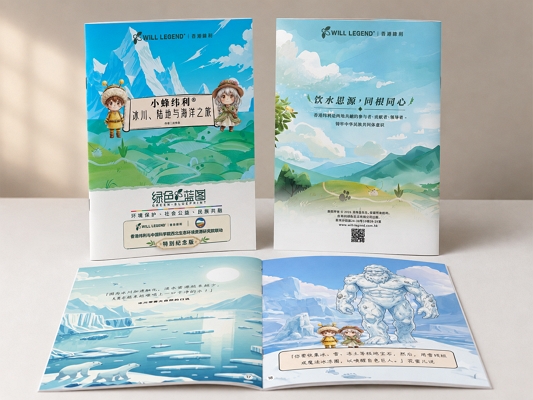
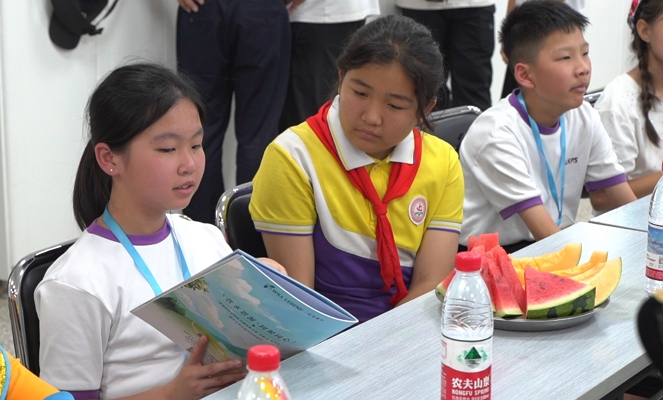
“Willy Bee® Glacier, Land and Ocean Journey” is a storybook I (William Hung) created. Through the journey of Willy Bee and Flowery through the “Third Pole Glacier”, it conveys the message that while protecting glaciers, we also need to protect the land and oceans. By taking a holistic approach to safeguarding the health of the Earth, it aims to convey the concept of harmony between humans and nature to children, young people, and the public, and to promote a better future of sustainable development for the world.
“Willy Bee, you must embark on a ‘Glacier, Land, and Ocean Journey’ with the ‘Green-blueprint’ and Flowery.” The land carries the message of nature
“We encourage humans to build ‘Urban Wildlife Corridor’, planting flowering plants, protecting bees, and promoting human health and well-being,” Sun said
“You must advocate for ocean protection and pollution reduction to the world, and “Let the Ocean breathe”.” Small Algae said
“You also need to use the power number “321” to establish the legendary ‘Third Pole Hong Kong Glacier Landmark’ and Let the Glacier Cool.” Flowery said
By the end of the story, humans finally awaken and are willing to work with Willy Bee and Flowery to paint a blue Earth with glaciers, land, and oceans, leading the world towards peace, health, and prosperity. With the protection of Mother River, the southern city where Willy Bee grew up also gained another name: “Pearl of the Orient”.
Will Legend is the founder of the “Symphony Hong Kong, Beautiful Xinjiang, Integration of Two Places” Campaign
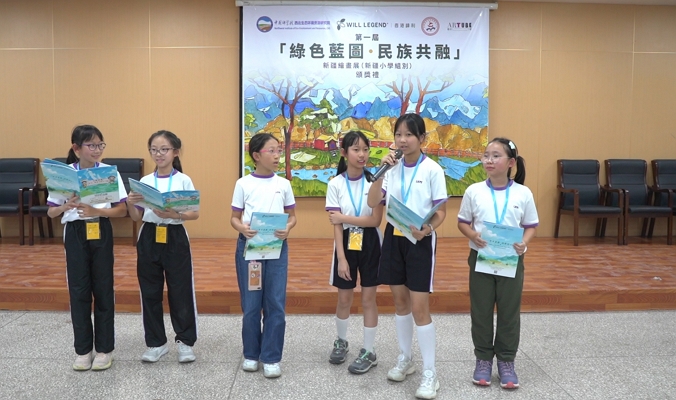
Will Legend believes that conservation and education are the best human intervention measures to address climate change. To better promote collaboration in conservation and education between the two places, and to enhance mutual understanding between the people of Hong Kong and Xinjiang, Will Legend advocates the philosophy of “Symphony Hong Kong, Beautiful Xinjiang, Integration of Two Places” and encourages children to pay attention to environmental protection and promote ethnic integration by establishing the “Green-blueprint: Ethnic Integration” scholarship. Students are encouraged to use Xinjiang as a background, incorporating their own ethnic characteristics, to express the integration of glaciers, land, and oceans through painting, thus promoting ethnic integration and harmonious coexistence between humans and nature.
On January 24, 2026, Will Legend established the “Green-blueprint: Ethnic Integration” scholarship, becoming the founding company of the scholarship programme, with CEO William Hung as the founder. January 24 is also the United Nations International Day of Education – celebrating the role of education in promoting peace and development.
Will Legend deliberately chose January 24th as the launch date of the programme in response to the international community’s affirmation in the 2030 Agenda for Sustainable Development, adopted in September 2015, that education is crucial for successfully achieving the 17 Sustainable Development Goals (SDGs), especially SDG 4: “Ensuring inclusive and equitable quality education for all, and lifelong learning opportunities for all” by 2030. Education not only helps children and adolescents escape intergenerational poverty and assists them and their families in combating poverty, but it is also a vital investment for a nation, ensuring its path towards a sustainable future.
April 29th , 2026, Chinese President Xi Jinping sent a congratulatory message to the Green and Sustainable Development Forum of the Shanghai Cooperation Organization (SCO) – China upholds the concept of “lucid waters and lush mountains are invaluable assets,” and unswervingly follows the path of prioritizing ecological conservation and green development, adding that China is a participant, contributor and leader in promoting global eco-civilization.
Will Legend advocates promoting green development (green economy and green energy) through conservation, education and social philanthropy activities/events, and leads people around the world to practice the Sustainable Development Goals (SDGs) and Climate Goals, so as to achieve shared economic achievements, inclusive society and harmonious coexistence between humans and nature, as a way of learning from President Xi Jinping’s spirit of promoting the United Nations 2030 Agenda for Sustainable Development.
The “Green-blueprint: Ethnic Integration” initiative further strengthens educational collaboration between the two places, bringing children together like pomegranate seeds. Through visits to schools in Ili, Turpan and Korla, it creates a broader learning platform for students from both places, encouraging them to care about environmental protection and promote ethnic integration. In 2025–26, Will Legend led Hong Kong teachers and students on their first journey into the Xinjiang Tianshan National Protected Area, as well as primary schools in Turpan and Ili and the China Cotton Museum, carrying out conservation, education, science outreach and cultural exchange, marking a historic first.
Will Legend is a Participant, Contributor and Leader of “Integration of Two-places”
“Glacier Journey” forges a strong sense of community for Chinese Nation, simultaneously practicing the three visions of “Environmental Protection, Social Philanthropy, Ethnic Integration”.
With the philosophy of integrating glaciers, land, and oceans, Will Legend has established a “Green-blueprint” as the core of its conservation and education efforts. It then bridges scientific research and corporate social responsibility, promoting green development through science outreach education, aligning ESG goals with the UN Sustainable Development Goals (SDGs), and addressing global challenges such as climate change, poverty, and health.
“Let the Glacier Cool” brings people closer to Antarctica, the Arctic, and the Third Pole, strengthening polar protection. If all glaciers and ice sheets melt, it will inundate low-lying countries and coastal cities worldwide, displacing billions of people.
Glacier meltwater nurtures healthy “Land and Food”, while simultaneously creating “Ocean and Air”. “Oceans breathe” also protects “Glaciers and Water”—nature is inherently interconnected. Will Legend, the Northwest Institute of Eco-Environment and Resources, Chinese Academy of Sciences, and the Tianshan Glacier Station of the Chinese Academy of Sciences will continue to promote green development and low-carbon, non-toxic lifestyles to the public, actively engage businesses, organisations, schools and the wider public in protecting the “World’s Water Towers, deepen cooperation between the two places in the fields of water resource protection, climate change response, and science education, and help cool the Earth.
Will Legend is the SDG and ESG Global Partner for the Goals
Will Legend is a sustainability-focused enterprise that plans for SDG and ESG projects, has established the Nation’s First Hong Kong-Mainland of China Glacier Preservation for Joint Action.
• Will Legend helps businesses and organisations establish ESG goals and strengthen their CSR profile.
• Will Legend helps NGOs, service organizations, trustees, charities develop diverse charitable and fundraising activities
• Will Legend builds bridges between scientists and the public, creating lasting contributions to climate action
• Will Legend promotes collaboration between different sectors and IP synergy between Hong Kong and the Mainland of China, creating opportunities
• Will Legend is SDG-focused and committed to turning global challenges into actionable measures
We cordially invite businesses, organizations, and educational institutions to connect with Will Legend and participate in our SDG and ESG activities/projects/programs.
Thank you for reading!
Written by William Hung