


Hong Kong Will Legend Unites Glacier-guardian and “Southern Students”, Contribute to the UN 2025 “International Year of Glaciers’ Preservation”
Glacier-guardian – Tianshan Glaciological Station, Chinese Academy of Sciences, Director Wang Fei-Teng: “Decrease ice melt by up to 1000 mm w.e. ……Glaciers are an important part of the cryosphere. They are not only one of the important driving factors of climate change, but also a recorder and alarm reflecting climate change.”
As the initiator of the “Let the Glacier Cool” Conservation and Education Programme, Hong Kong Will Legend together with the Northwest Institute of Ecological Environment and Resources of the Chinese Academy of Sciences and the Dagu Glacier Management Bureau, jointly promotes Education for Sustainable Development Activity (ESD Activity) for schools – “Third Pole Glacier Tour” to lead “Southern Students” (Hong Kong students) to take action to cope with climate change, set foot on the Dagu Glacier in Sichuan and the No. 1 Glacier in the Tianshan Mountains in Xinjiang.
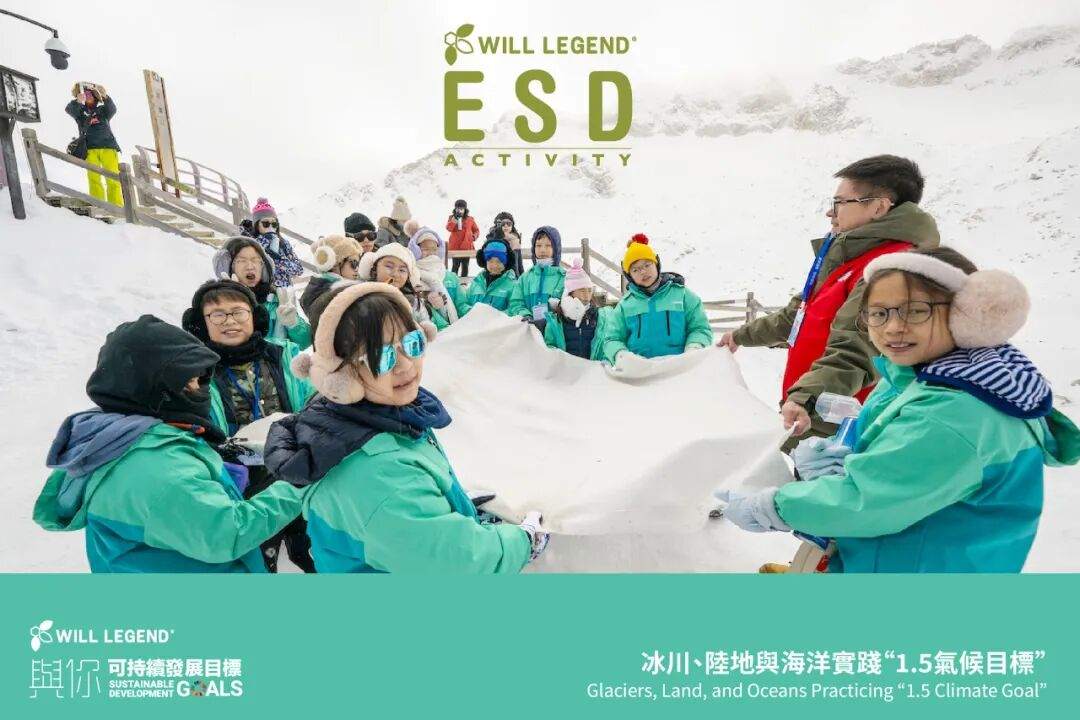
Hong Kong Will Legend organizes SDG&STEAM™ Educational Tour and ESG&ClimateAction™ Corporate and Organization Research Trip not only to enhance the public’s understanding of glaciers, but also to better protect ice and snow resources and implement the United Nations Sustainable Development Goals and climate action. Through “Green-blueprint” as the cradle of ecosystem, Hong Kong Will Legend supports the United Nations (UN) Paris Agreement, Water Action Agenda, Convention on Biological Diversity, Convention to Combat Desertification, Framework Convention on Climate Change, “Kunming-Montreal Global Biodiversity Framework, 2025 International Year of Glaciers’ Preservation, World Day of Glaciers 21 March, World Bee Day 20 May & World Oceans Day 8 June, to constitute an important cornerstone of global environmental governance.
Assessing the Impact of Artificial Geotextile Covers on Glacier Mass Balance and Energy Fluxes
From June 26 to September 17, 2023, researcher Wang Fei-Teng , doctoral candidate Xie Yi-Da and other scientific researchers formed a research team. Through field observations and numerical simulations, the study focused on the No. 21 Bailanghe Glacier in the Qilian Mountains and analyzed the coverage and future of the glacier. Differences in the matter and energy balance of the covered area were analyzed in depth. The research results was published in ” Advances in Climate Change Research” in October 2024. (Advances in Climate Change Research, https://www.sciencedirect.com/science/article/pii/S1674927824001576#fig2) Abstract As global warming accelerates, leading to the retreat of glaciers, the effectiveness of artificial coverings, in particular geotextiles, in reducing glacier ablation has emerged as a topic of increasing concern. Nevertheless, a critical gap in knowledge persists regarding the specific physical processes involved in the mitigation provided by these coverings. This study explores the underlying mechanisms that govern the interaction through field observations and COSIPY model simulations at Bailanghe Glacier No. 21 in the Qilian Mountains from 26 June to September 17, 2023. It compares covered and uncovered areas to evaluate differences in mass and energy balance fluxes. It was discovered that geotextiles could decrease ice melt by up to 1000 mm w.e. in comparison to the surface of glaciers without cover, primarily because of a 23% increase in albedo compared to ice, leading to a decrease in net short-wave radiation and available melt energy. The effect of covering the entire glacier with a geotextile, which has varying albedo properties, was also simulated. It was found that, with every 5% increase in the albedo of the geotextile, ablation was reduced by 10%–25%, resulting in a decrease in ice volume loss of approximately 2.5 × 10⁵ m3. While artificially covering glaciers can reduce ablation rates, it faces challenges such as high costs, environmental risks, and issues with replicability. Ultimately, this study aims to analyze the feasibility of glacier coverage from a mechanistic perspective for glacier management amidst ongoing climate change.
Advances in Climate Change Research
Advances in Climate Change Research publishes scientific research and analyses on climate change and the interactions of climate change with society. The journal encompasses basic science and economic, social, and policy research, including studies on mitigation and adaptation to climate change. The journal attempts to promote research in climate change and provide an impetus for the application of research achievements in numerous aspects, such as socioeconomic sustainable development, responses to the adaptation and mitigation of climate change, diplomatic negotiations of climate and environment policies, and the protection and exploitation of natural resources. The journal also aims to make complex, policy-related analyses of climate change issues accessible to a wide audience. Articles may focus on a broad range of topics at the interface of climate change and society, including policy and socioeconomic impacts of climate change. Due to the interdisciplinary nature of this journal, studies that involve natural scientists, social scientists, and policy managers are particularly encouraged.
“Green-blueprint” Glacier
Project: “Green-blueprint” Glacier – “Let the Glacier Cool” Conservation and Education Programme Activities: ESD Extended Learning Activity – SDG&STEAM™ Educational Tour Location: Urumqi, Xinjiang Name: Tianshan No. 1 Glacier Tour – Climate Change and Tianshan Summit Mission: “Let the Glacier Cool and create Livable Climate, Exploring the Tianshan No. 1 Glacier” Goals: Safeguard the Third Pole, Antarctic, Arctic and glacial water resources “Southern Students” will go deep into the China No. 1 Glacier Reserve in the Xinjiang Tianshan Mountains, the third pole of the Qinghai-Tibet Plateau. Under the leadership of Professor Wang Fei-Teng and his team, they will study the impact of greenhouse gases and climate change on the glacier melt rate (glacier ablation). It is expected to convey to participants the protection of the Third Pole, Antarctic and Arctic glaciers, and the protection of fresh water sources that humans and other creatures rely on for survival.
SDG&STEAM™ Climate Change Tianshan Tiangeer Educational Tour
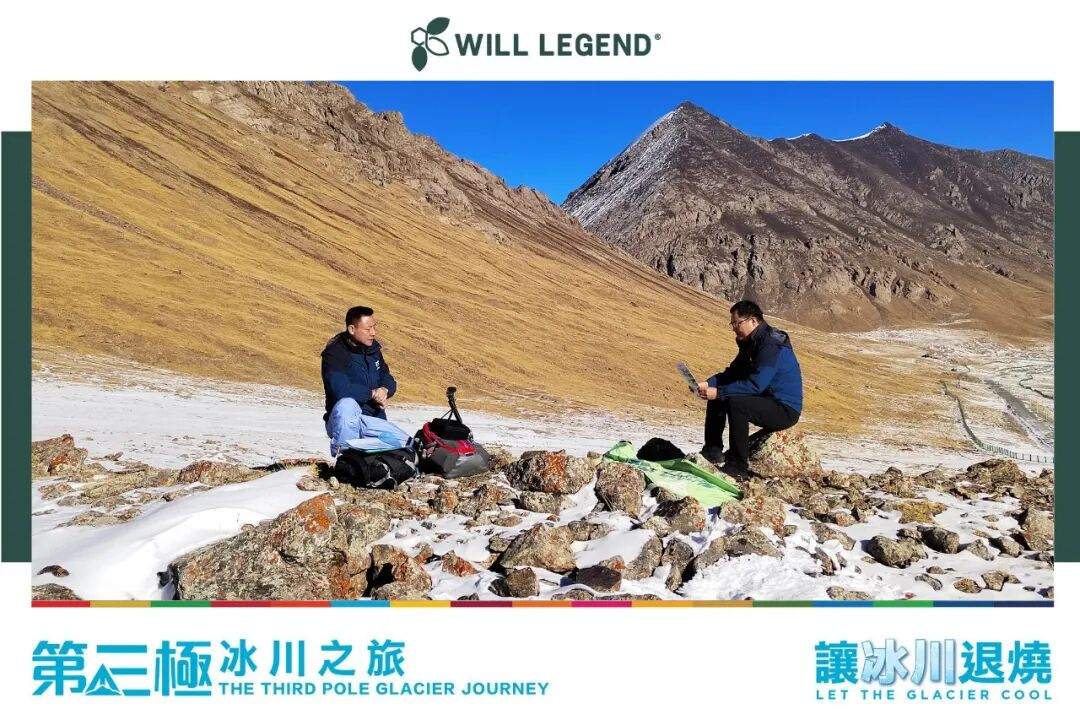
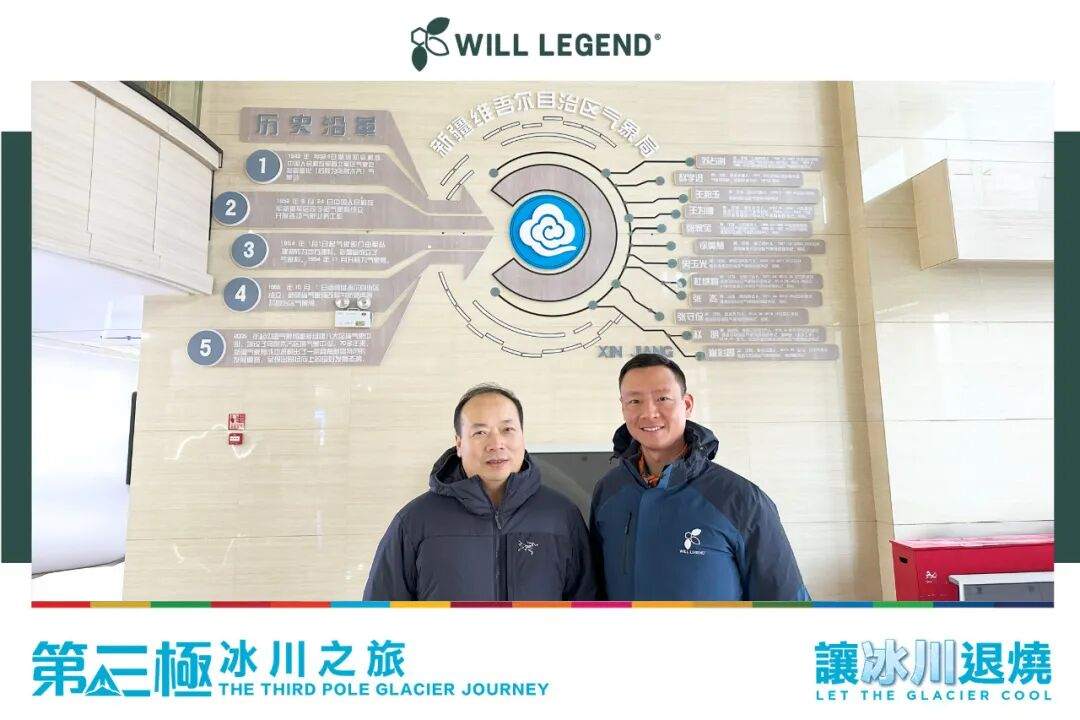
Members of the tour will become scientists’ “Cryosphere Science Assistant”. During the trip, they will assist the Tianshan Glaciological Station of the Chinese Academy of Sciences in completing scientific research tasks, learn about the cryosphere, and gain an in-depth understanding of the impact of climate change on the Third Pole and plateau glaciers (“Asia Water Tower”), and even on the global environment. At the same time, entering Tianshan No. 1 Reserve to appreciate the biodiversity. With the assistance of the Meteorological Bureau of the Xinjiang Uygur Autonomous Region, teachers and students will visit the Meteorological Bureaus of Urumqi and Turpan, Xinjiang, and have close contact with ground satellite stations to understand the movement trajectories of meteorological satellites; visit artificial rainfall enhancement bases to learn about rainfall enhancement, glacier protection and ecology environmental relationship.
Professor Wang Fei-Teng Leads the Team
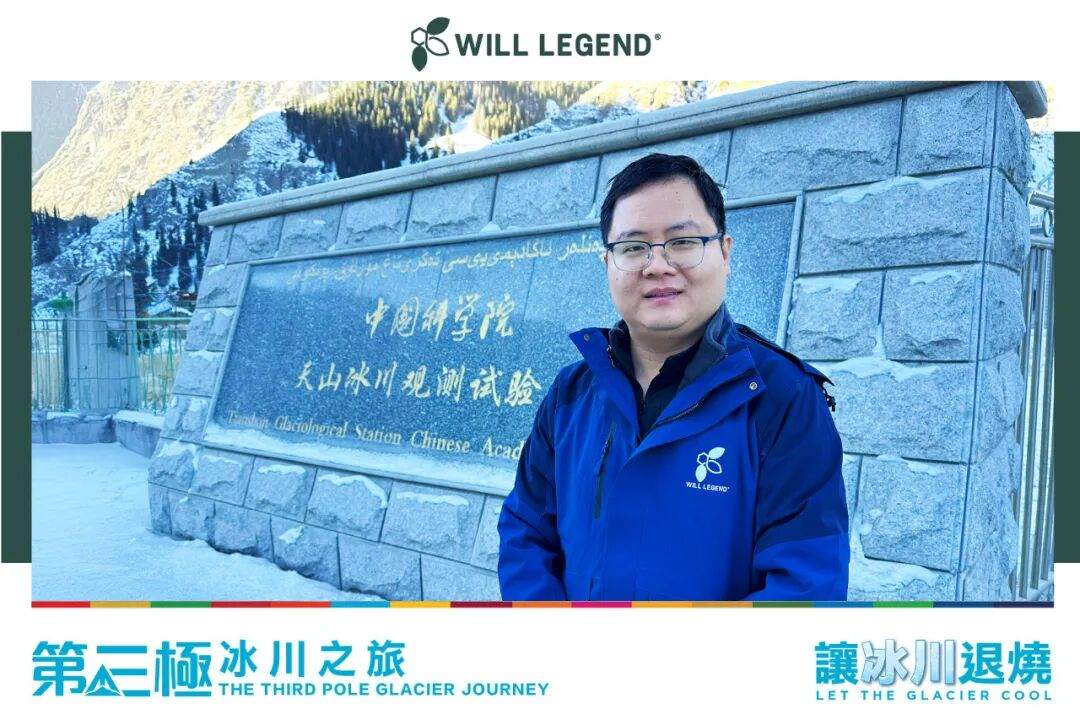
Wang Fei-Teng is a researcher at the Northwest Institute of Ecological Environment and Resources, Chinese Academy of Sciences, director of the Tianshan Glaciological Station of the Chinese Academy of Sciences, deputy director of the State Key Laboratory of Cryosphere Science, deputy director of the Cryosphere and Global Change Research Office, and a member of the World Meteorological Organization (WMO) Global Member of the expert group of the Cryosphere Watch (GCW) and the Third Pole Regional Climate Service Center (TPRCC). He won the first prize of the Gansu Provincial Natural Science Award in 2011, the first prize of the Xinjiang Science and Technology Progress Award twice in 2013 and 2015, the second prize of the Gansu Provincial Colleges and Universities Scientific Research Outstanding Achievement Award in 2017, and the Chinese Academy of Sciences Outstanding Scientific and Technological Achievement Award in 2019.
Learning Objectives
- Safeguard the Third Pole, Antarctic and Arctic, and glacial water resources
- Promote “Green-blueprint Initiative” reaching the harmonious coexistence between humans, society, economy and nature
- Promote water, food and air, are important to the sustainable development of humans, and nature
- Promote the importance of glaciers for humans and living things to obtain clean water
- Promote the importance of glaciers in achieving biodiversity and ecological balance
- Adopt green energy (clean and renewable energy), wind energy, water energy, solar energy, geothermal energy and etc.
- Support the “3060 Dual Carbon Goals (Carbon Peak and Carbon Neutrality)”, low-carbon lifestyle, and take action to combat climate change
- Support The United Nations (UN) Paris Agreement, Water Action Agenda, Convention on Biological Diversity, Convention to Combat Desertification, and Framework Convention on Climate Change
- Support The United Nations (UN) 2025 International Year of Glaciers’ Preservation, World Day of Glaciers
- Support The United Nations (UN) World Day of Glaciers 21 March, World Bee Day 20 May and World Oceans Day 8 June
Xinjiang Tianshan No. 1 Glacier Reserve, Leading to A Green Living for Mankind in The Future
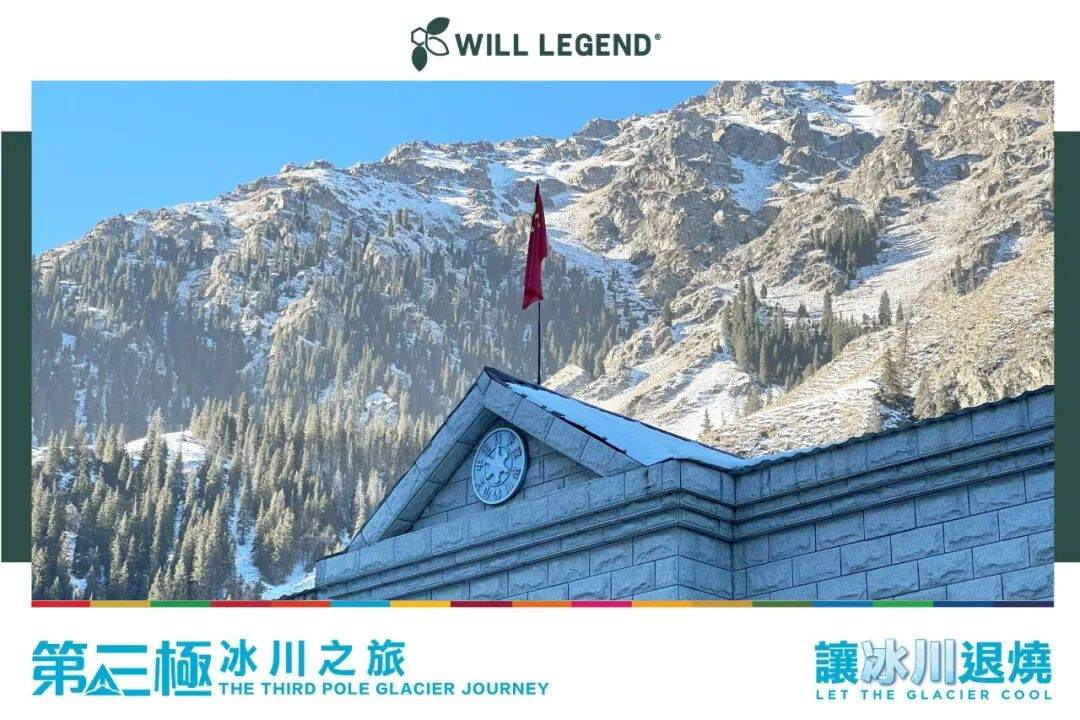
Glaciers are known as “solid reservoirs” and play an important role in supplementing and regulating river runoff. In order to reduce the rapid melting of glaciers caused by human disturbance and ensure the water supply safety of Urumqi’s “Mother River”, the Xinjiang Tianshan No. 1 Glacier Reserve was established in 2016 to accelerate the implementation of major ecological environment protection and restoration projects for the No. 1 Glacier and the Urumqi River Basin. Since grazing in the reserve has stopped, the severely degraded pastures have been replanted, and with continued protection and restoration, the reserve has now been given a new look. Flowers, grasses, ibexes, squirrels, marmots, and foxes small animals have also appeared in the wilderness. In addition to becoming a paradise for wildlife, the Tiansheng No. 1 Glacier Reserve has also become an “Urban Wildlife Corridor”.
Third Pole Glacier Journey to Combat Climate Change
As the initiator of the “Let the Glacier Cool” Programme, Hong Kong Will Legend took the lead in injecting start-up funds into the “Glacier Scientific Research and Talent Training Project” of the Northwest Institute of Ecological and Environmental Resources, Chinese Academy of Sciences, to train scientific research talents and promote the sustainable development of glacier ecology.
Through the “Let the Glacier Cool”, The First in the Country Glacier Protection for Joint Action, Hong Kong Will Legend organizes SDG&STEAM™ Educational Tour and ESG&ClimateAction™ Corporate & Organization Research Trip to lead the public to Sichuan Dagu Glacier and Xinjiang Tianshan No. 1 Glacier in a popular way. Hong Kong Will Legend “Let the Glacier Cool” and the Chinese Academy of Sciences’ Northwest Institute of Ecology and Environment Resources “Cover the Glacier with Quilts” work together to protect the Third Pole, Antarctica, Arctic and glacial water resources. Hong Kong Will Legend established the first “Third Pole Hong Kong Glacier Landmark” at Dagu Glacier on the Qinghai-Tibet Plateau, which people of Hong Kong and Mainland of China are proud of, advocating faster reduction of carbon emissions, reducing greenhouse gas emissions, and leading public to cool down the Earth and slow down the melting rate of glaciers. Glaciers cover about 11% of the Earth’s land area and contain about 70% of the world’s fresh water resources. They play an important role in regulating the Earth’s temperature, global heat balance and water balance. Hong Kong Will Legend will continue to promote sustainable development under the framework of the “Green-blueprint”, support the United Nations’ International Year of Glaciers’ Preservation in 2025 and World Glacier Day on March 21 every year thereafter, and contribute to the United Nations Sustainable Development Goals (SDGs) and climate action.
“Green-blueprint Initiative” – Promoting Sustainability of Humans and Nature
Hong Kong Will Legend draws the “Green-blueprint Initiative” for the harmonious coexistence of humans and nature, advocating appropriate use of natural resources to develop the economy, and then use economic achievements to give back to nature conservation, and social development, achieving the integration of humans, society, economy and nature.
Green Economy, Environment-Society, Green (Eco) Living
Through 1) Glacier, Land and Ocean conservation and education programmes to combat climate change 2) Community support programmes to promote a peaceful and inclusive society 3) “Greenhouse Cooling Patch SDG7™” for green economy, green financing (climate finance), and clean energy to reduce carbon emissions 4) “Sharing Economic Achievements SDG8™” promotes rural revitalization, and sustainable economic growth to solve poverty
Hong Kong Will Legend unities public to promote Education for Sustainable Development (ESD) Activities for schools, Climate Action and ESG environmental protection & social-philanthropy sponsorships for corporates/organizations to reach both the United Nations Sustainable Development Goals (SDGs), and the 1.5 Climate Goal.
Original source: WeChat article