


“Frozen” – Glaciers at Dagu
An Unexpected Connection with Glaciers Begins at Dagu
How did an idea, an email and a journey into unfamiliar mountains grow into collaborations connecting research, education, communities and brands?
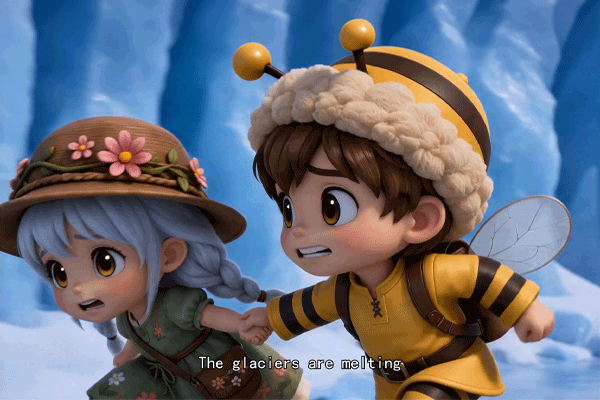
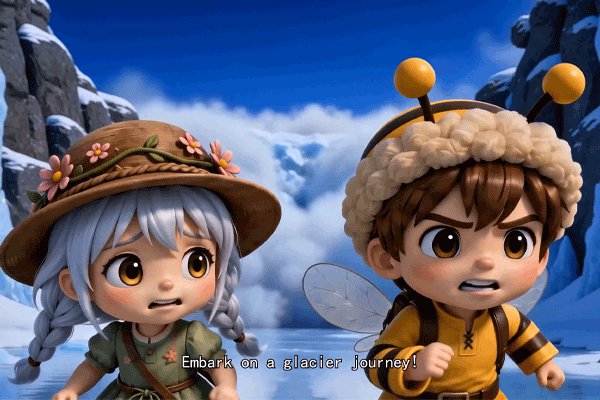
“The glaciers are melting. What can we do? Set off on a glacier journey.”
This line from the “Green-blueprint: Willy Bee® — The Journey of Glacier, Land and Ocean Short Film” also echoes the beginning of my own connection with Dagu Glacier.
洪偉念|William Hung
Founder, Will Legend
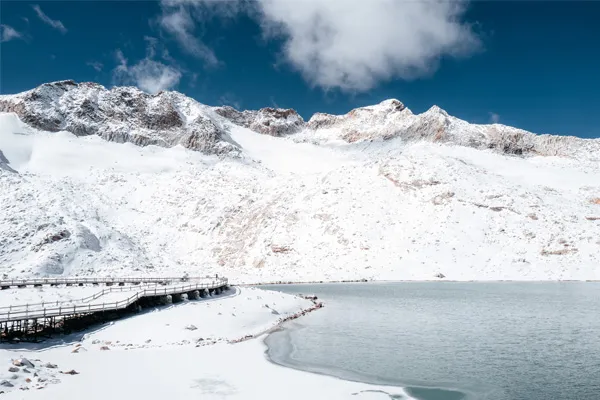
When visitors return home after taking photographs and enjoying the scenery at a park, what will they tell their families? When students finish a learning journey, what questions will they take with them to explore further?
At Dagu Glacier in Sichuan, one question is worth bringing home from the mountains: “Wouldn’t putting a blanket over a glacier make it warmer?”
We normally use blankets to keep warm. The covering materials used by researchers on glaciers, however, are intended to reflect some sunlight and reduce heat transfer, allowing scientists to investigate whether they can slow ice and snow melt within the covered area. These localised trials have specific applications and limitations. Yet a question that anyone can understand can already encourage visitors to move from admiring the scenery to wondering what scientists are doing.
An exhibition space with a story to tell can give the landscape another layer of meaning. For a new museum under development, exhibition design and science education content can take shape together. A display panel or an interpretive trail can also carry a story beyond the exhibition, leaving a child with another question to ask at home.
Will Legend’s collaboration with Dagu Glacier began with a question, too.
An Email and a Drive of Almost Ten Hours
In early 2023, I was reflecting on Green-blueprint. Our conservation and education programmes for land and oceans were taking shape. Through land, we talked about food; through oceans, we talked about the air we breathe. What else was essential to human life and sustainable development?
I thought of water—the source of life.
Where does the water we drink every day come from? If we trace it back towards its source, what natural environments and stories might we discover?
With these questions in mind, I emailed Professor Wang Feiteng at the Northwest Institute of Eco-Environment and Resources, Chinese Academy of Sciences, proposing that we work together on the Let the Glacier Cool conservation and education programme.
To my surprise, his reply arrived in less than half an hour. He felt the programme was meaningful and was willing to support it. Later, he invited me to meet at Dagu Glacier.
At the time, Heishui County was unfamiliar to me. I did not know anyone at the glacier administration, and I was about to ascend to an altitude of 4,860 metres for the first time. For a city dweller accustomed to life at “sea level”, the journey brought both excitement and apprehension.
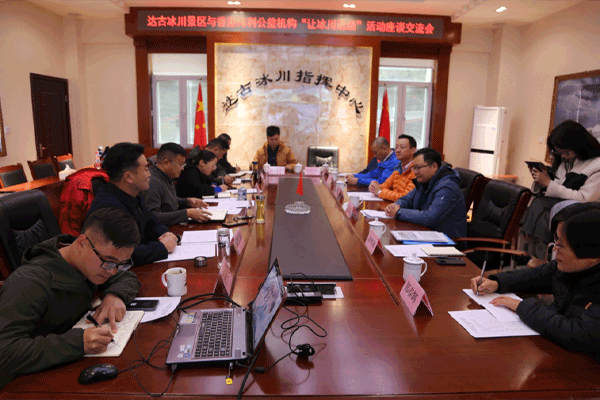
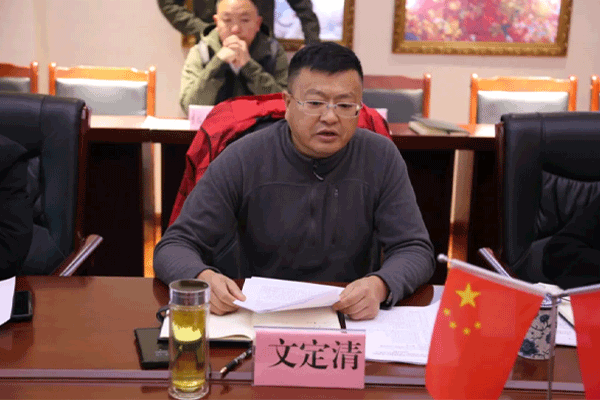
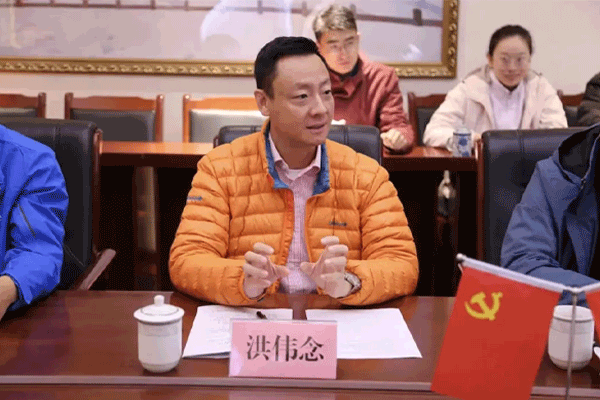
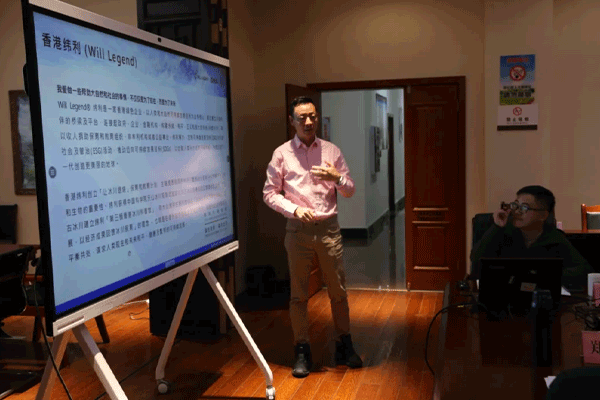
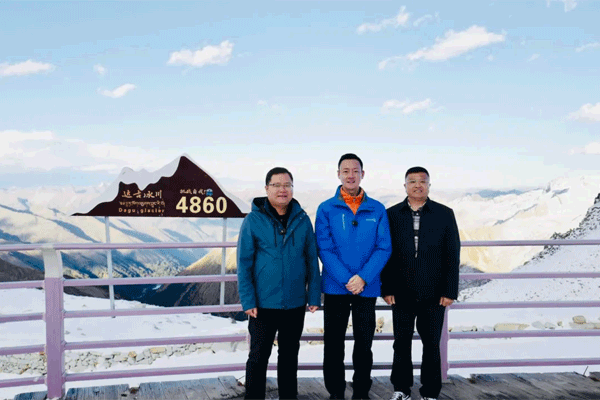
The drive from Chengdu Tianfu International Airport to Heishui County took almost ten hours. It was close to midnight when I reached the hotel. Early the next morning, I visited the Dagu Glacier Administration to meet its then Director, Wen Dingqing, and his team.
I had so many ideas in my mind, but once I sat down, I was unsure where to begin. Should I introduce the company first, or explain why I had come? How could I talk about ESG, the SDGs and sustainability in a way that would help everyone understand what we hoped to do together?
The breakthrough came when I explained the three aspirations behind Green-blueprint and Let the Glacier Cool: environmental protection, social good and cultural inclusion.
These aspirations resonated with then Director Wen and his team. We saw an opportunity to bring more people from Hong Kong and the Mainland of China closer to glaciers and involve them in glacier conservation.
Starting with a glass of water, we could explore the connections between glaciers and everyday life, then get to know the places where glaciers are found and the people who live there.
Through these experiences, I hoped to help students and the wider public in Hong Kong understand the idea of “remembering our source and sharing common roots and aspirations”. Exchanges between the two places could grow through first-hand experiences, shared interests and actions we could take together.
Turning an Idea into a Place for Learning
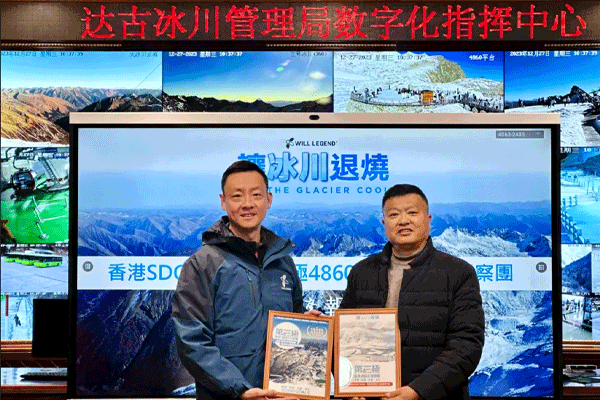
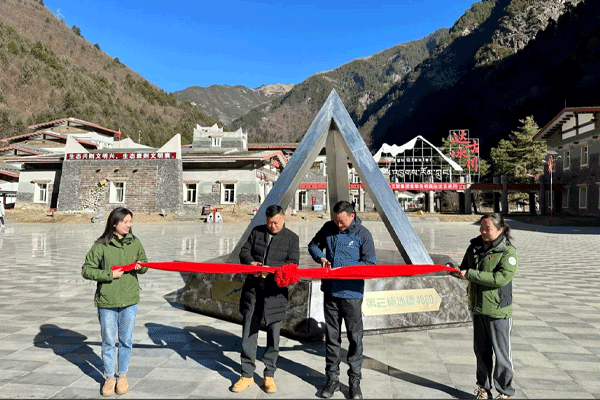
On 28 December 2023, the Third Pole Hong Kong Glacier Landmark, donated by Will Legend to the Dagu Glacier Administration, was unveiled.
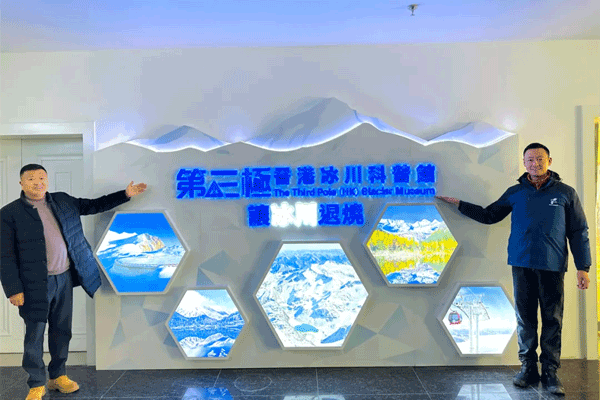
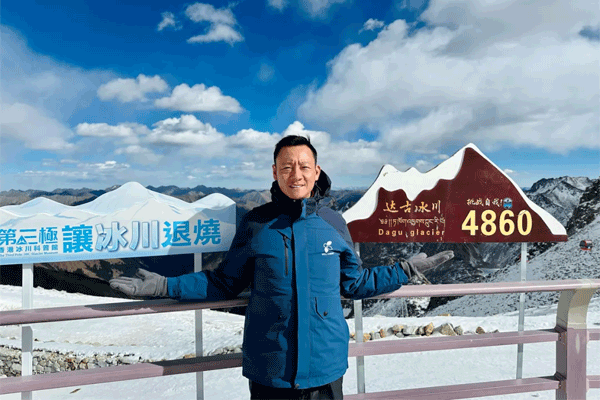
We also worked with the administration to establish the Third Pole Hong Kong Glacier Science Education Museum within the park’s existing geological and glacier museum. A Let the Glacier Cool plaque was installed for the first time at an altitude of 4,860 metres.
The landmark, museum and plaque gave the idea a physical presence—something people could see, approach and learn from. Visitors could admire the glacier, then pause to understand the science and conservation questions behind the landscape.
The museum was also intended to bring people from Hong Kong and the Mainland of China closer through glacier learning journeys, particularly by encouraging exchanges among young people and children. Glacier conservation could become more relevant to everyday life, with understanding developing into learning, sharing and environmental action.
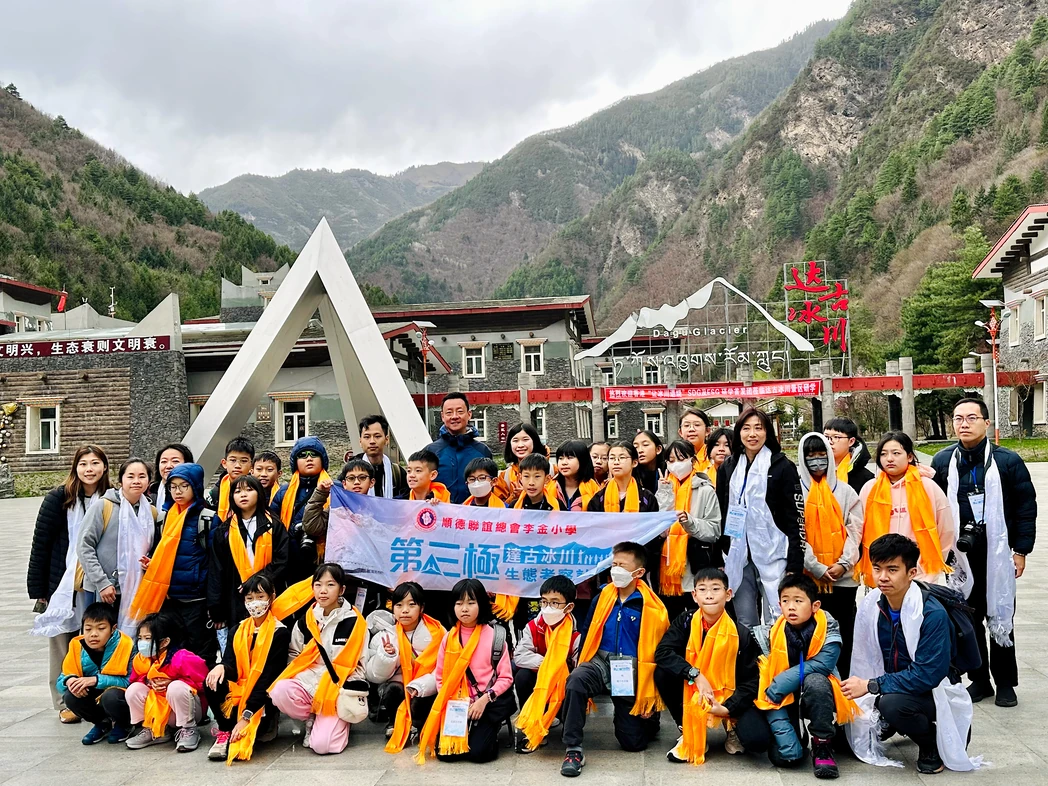
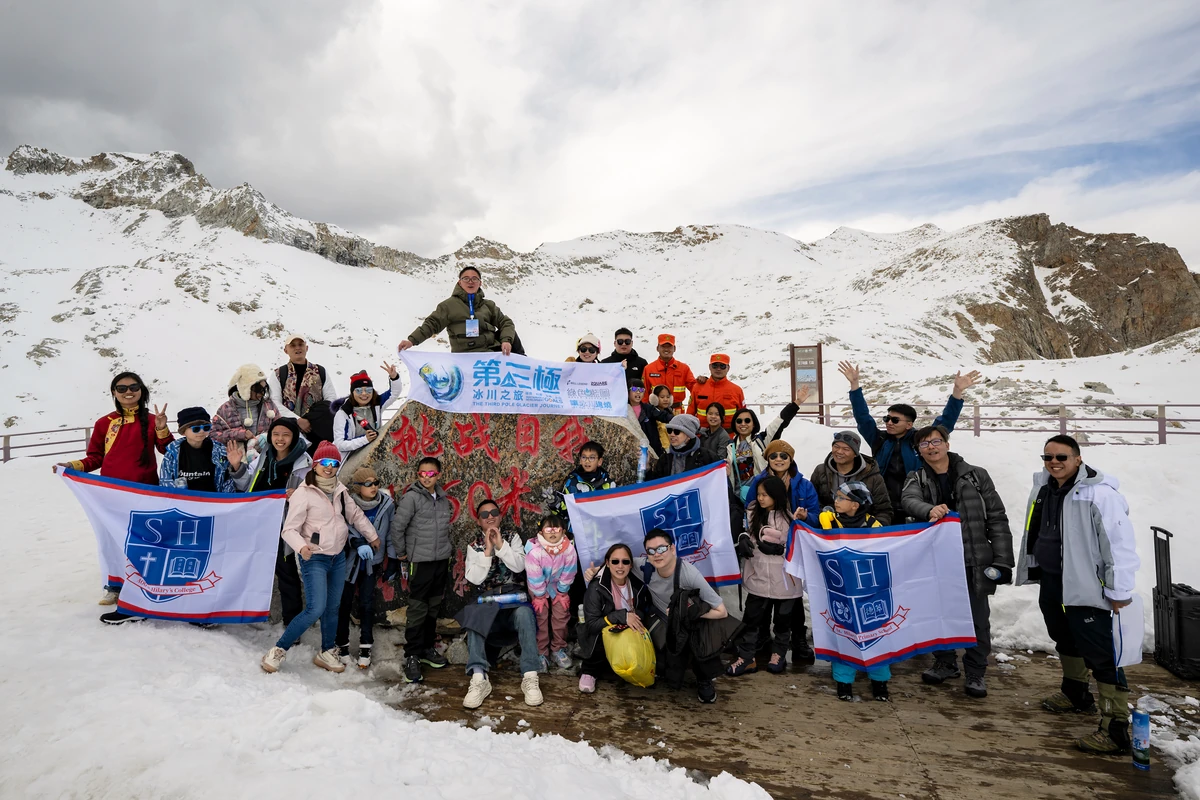
In April 2024, the first Third Pole 4860 Dagu Glacier Journey organised by Will Legend brought 128 students, teachers and parents from two Hong Kong primary schools to Dagu Glacier.
Accompanied by scientific mentors and park staff, participants explored the glacier environment, learned about ice, snow, landforms and ecosystems, and encountered field observation and measurement. They also discovered why researchers were putting “blankets” over glaciers.
Knowledge from books became something they could observe in front of them. Children arrived with questions and returned home with new ones. The journey combined scientific learning with opportunities to meet and understand others.
A sister-school relationship was subsequently established between a school in Hong Kong and a school in Sichuan, creating opportunities for the connections to continue beyond the journey.
On 21 March 2025, Will Legend, the Tianshan Glaciological Station of the Northwest Institute of Eco-Environment and Resources, Chinese Academy of Sciences, and the Dagu Glacier Administration of Sichuan Province jointly launched a Let the Glacier Cool call to action. It was presented on a display board inside the glacier museum, giving visitors another way to learn about the initiative and participate.
From Curiosity About “Blankets” to Everyday Action
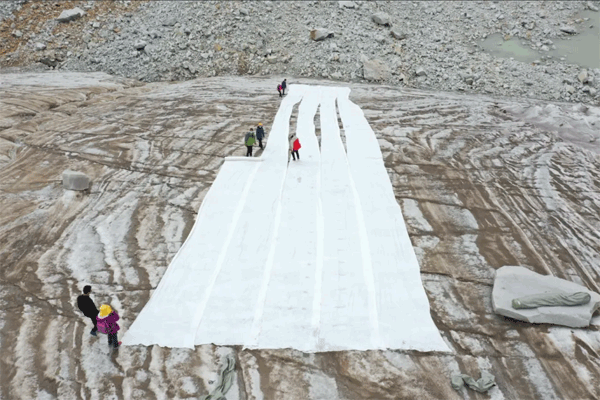
“Putting a blanket over a glacier” is an image that makes people pause. Let the Glacier Cool seeks to take that curiosity further.
Understanding how covering materials affect localised ice and snow melt requires observation, comparison and continuing scientific assessment. Science communication helps the public understand what researchers are investigating, what a method can achieve and where its limitations lie.
Localised covering trials cannot resolve glacier loss as a whole. They can, however, open a conversation: Why are glaciers changing? How are those changes connected to water supplies, ecosystems and people’s lives? What can those of us living in cities do in response?
For Will Legend, Let the Glacier Cool is also an invitation. We can begin by learning about the science, using water and energy carefully, reducing waste, supporting conservation and education, and sharing what we learn with others.
These are ways to turn concern for nature into continuing participation.
Bringing science into everyday life, and responding to science through action, has always been central to the programme.
A Warm Meal Below the Mountains Is Part of Dagu’s Story, Too
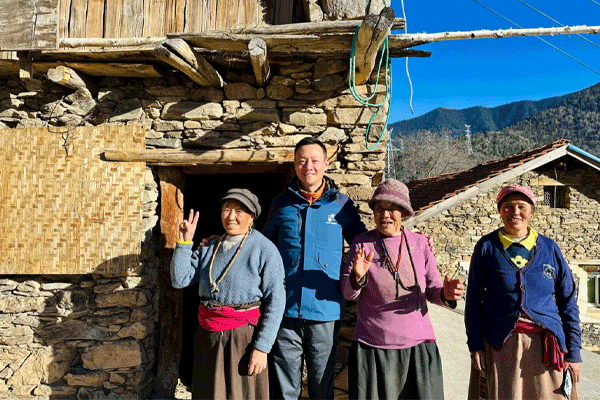
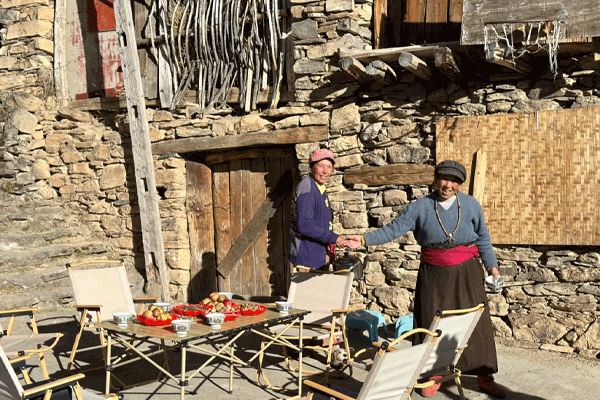
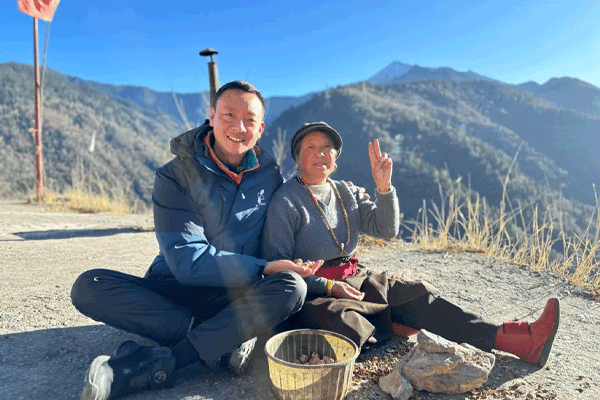
Glacier journeys took me into the mountains. They also gave me opportunities to discover life below them.
Whenever I visit, I try to make time to walk into villages and speak with residents. I have crossed grasslands, visited Shangzhai and Xiazhai, and entered villages more than 3,000 metres above sea level, looking towards the distant San’ao Snow Mountains and watching the sunset. Along the way, I have spoken with Tibetan and Qiang residents and visited beekeeping households, listening to stories of their daily lives.
Understanding a place means getting to know its mountains and scenery. It also means listening to the people who live there: what they cherish and what they hope for in the future.
The voice of a young Tibetan woman from the Qinghai–Tibet Plateau. Would you pause to listen?
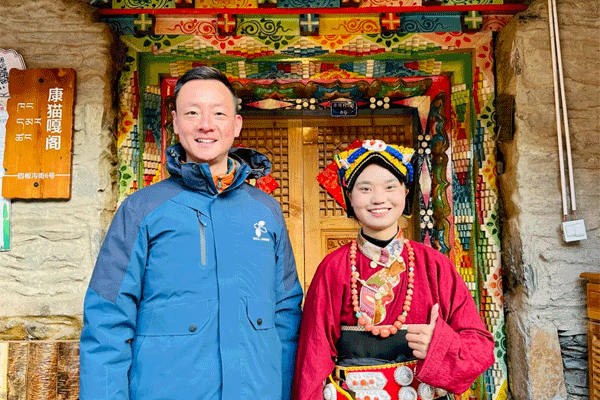
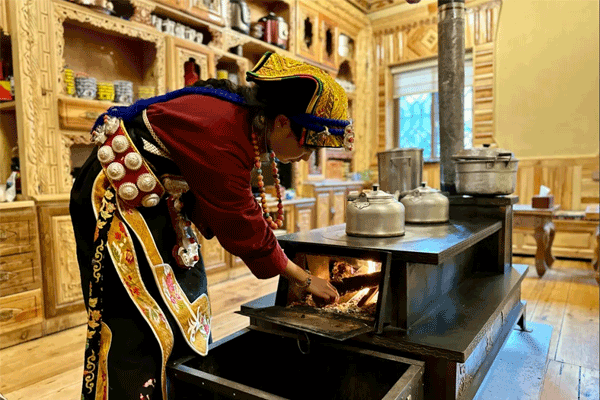
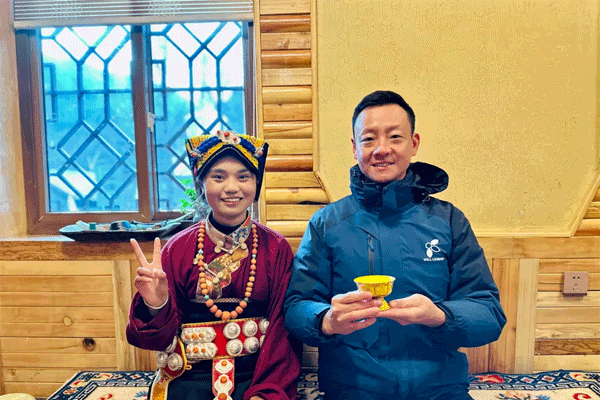
In Yangrong Hade Village, Heishui County, I asked Zhuzhu why everyone seemed to have a smile on their face.
She talked about everyday life—herding, gathering firewood and taking care of things at home. What made her happy was returning to a hot meal, the fire her mother had lit, a warm home and time together as a family.
She extended the same wish to everyone: that we could all return home and enjoy a meal happily with our families.
That conversation showed me another side of Dagu. We travel a long way to see glaciers and snow-covered mountains. When we take time to talk, we begin to understand local life and the simple, precious things that make people happy.
For me, exchanges between Hong Kong and the Mainland of China, and understanding among different ethnic communities, become tangible through encounters like these. A greeting becomes a conversation. Listening to one another’s stories creates a relationship we want to continue.
That is how bridges between people begin.
A Conversation Over Tea and the Connections to Local Development
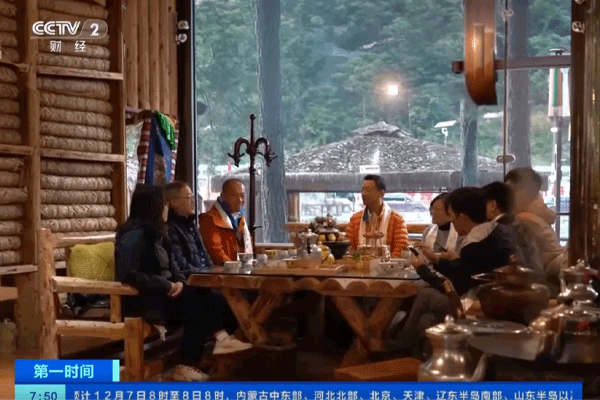
In Yangrong Hade Village, I once sat down for tea with park leaders, local tourism representatives and villagers, listening as they shared their experiences of local life and tourism development.
On 7 December 2025, CCTV reported on ice and snow tourism in Aba, Sichuan, featuring Dagu Glacier and local tourism development. Footage of our gathering over tea appeared in the report.
Seeing that table again brought me back to the connections between glacier conservation and local life.
When visitors come to a glacier, how can neighbouring villages participate? Beyond helping people understand nature, could a science and learning journey also introduce them to residents’ lives, culture and work, creating opportunities for exchange and local development?
A learning journey can begin with scientific observation in the mountains and include time in a village, listening to residents describe their lives. Accommodation, meals, local products and cultural experiences can all help visitors get to know a place. They can also connect the economic activity generated by a journey more directly with local communities.
Such arrangements need to be developed with the park and residents: what would they like to share, how would they like to participate, and how could visits fit into local life?
Alongside conservation and education, I hope Let the Glacier Cool can encourage visits and exchanges between Hong Kong and the Mainland of China that help more people discover local nature, culture and everyday life, creating further opportunities for communities and residents.
We continue to explore how people, society, the economy and nature can develop in closer connection.
When Glacier Stories Reached the Symposium Screen
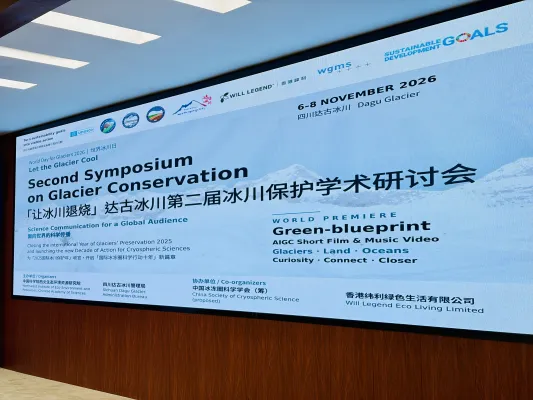
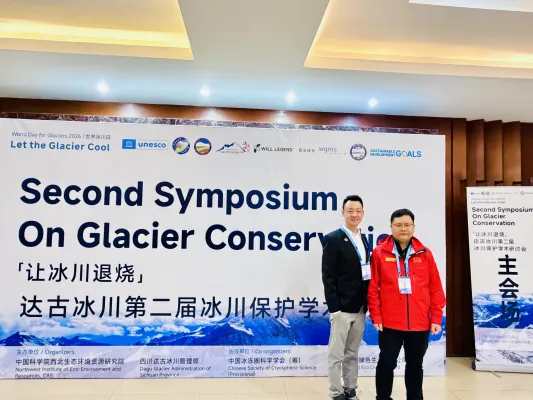
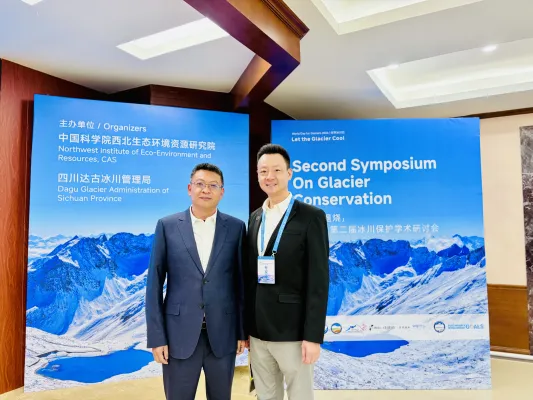
In November 2026, this collaboration found another form of expression.
The Let the Glacier Cool Second Symposium on Glacier Conservation took place at Dagu Glacier. It was organised by the Northwest Institute of Eco-Environment and Resources, Chinese Academy of Sciences, and the Dagu Glacier Administration of Sichuan Province, with Will Legend and the Chinese Society of Cryospheric Sciences (proposed) as co-organisers.
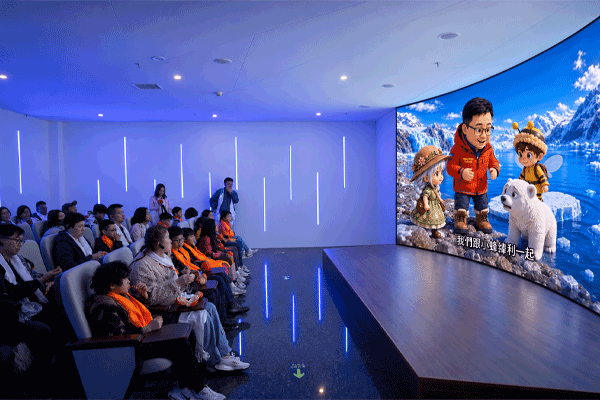
On 7 November, the “Green-blueprint: Willy Bee® — The Journey of Glacier, Land and Ocean Short Film” had its world premiere, with screenings in Mandarin and English. The theme song from the “Green-blueprint” Music Video also served as the conference song.
What began with a conversation about a glass of water in the administration’s meeting room had grown into a story of glaciers, land and oceans on the symposium screen.
At the conference, experts shared research on glacier change and conservation. On screen, Willy Bee® and Flowery guided audiences through different natural environments. The song followed the journey of a drop of water, inviting listeners to consider the connections between the water they drink and distant glaciers, land and oceans.
“The glaciers are melting. What can we do? Set off on a glacier journey.”
As the characters ask their questions, audiences can begin their own explorations with the same curiosity.
This experience showed us further possibilities for conservation and education. Questions studied in depth by scientists can reach audiences of different ages and language backgrounds through stories, images and music, then extend into reading, classroom discussions, learning journeys and everyday action.
It also prompted us to consider how we could work with Dagu and other ice and snow parks in the future—connecting science education, field learning and science communication so that the knowledge and experience within these places can become part of more people’s lives.
Bringing Hong Kong Design and Local Stories to More People
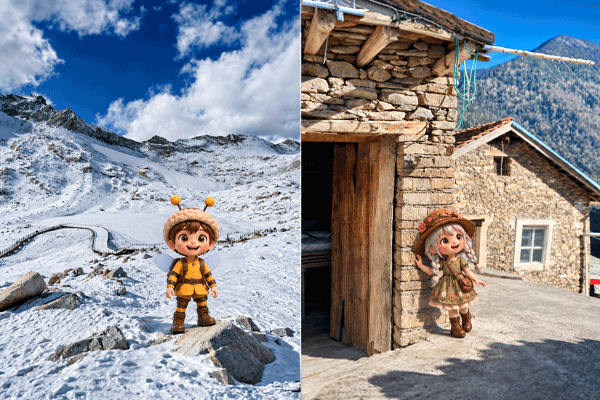
Dagu has its own landscapes, research and village stories. Will Legend hopes to combine these with Hong Kong’s design and creative experience, alongside original characters such as Willy Bee® and Flowery, to develop content with a distinctive sense of place.
A book, a film and a song can each offer a way to discover a place.
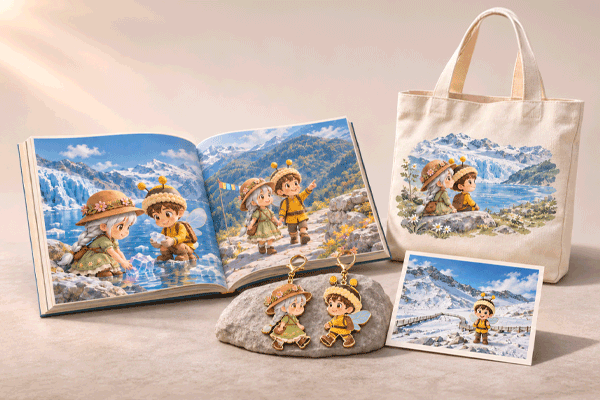
For example, the question “What does ice in the mountains have to do with the water we drink?” could become the starting point for a co-branded storybook. Children could read it before a visit, follow the story to an observation point when they arrive, and open the same book at home to share what they have seen and learned.
A film could introduce research and conservation work in an exhibition, a classroom or a corporate event. A song could help participants remember an issue they care about. Cultural merchandise combining Hong Kong design, park features and local culture could give visitors a story to take home, use and share.
These elements can also be developed alongside plans for a new museum, connecting exhibition themes, interpretation, learning materials and original IP into an experience that begins before a visit and continues afterwards.
The format can vary. The content should grow from real research, nature and local life, and be developed and checked with the relevant scientists, park teams and local partners.
Through these collaborations, we hope to make science more accessible, bring local characteristics to wider attention and help participants find actions they can take.
Your Next Project Can Begin with an Issue You Care About
The experience at Dagu offers practical ideas for different kinds of partners.
Businesses and organisations can commission Will Legend to develop storybooks, audiovisual content, talks or community activities around environmental and social issues relevant to their brands. Participation in conservation and education can create content for events, internal engagement and external communication, helping audiences understand, remember and share a brand’s values.
Parks can bring together research, natural landscapes and local culture to develop exhibition content, interpretation and learning activities. Collaborations with our original IP can also extend into stories, films and cultural merchandise, enriching visitor experiences and creating opportunities to discover local places and communities.
Schools can begin with educational goals and students’ questions, connecting reading, creative work, field learning and exchanges. Students can learn about science while also developing an understanding of people and ways of life in different places.
Curation, design, education, travel and other professional partners can combine Will Legend’s original content, research connections and project experience with their own expertise, enriching existing services and giving clients more ways to participate. We respect partners’ existing client relationships and work according to mutually agreed responsibilities and commission arrangements.
Beginning with an email, an idea gradually became a landmark, a museum space, learning journeys, community exchanges and stories on screen. This experience has strengthened my belief that shared concerns can become the starting point for turning ideas into action together.
An unexpected connection with glaciers began at Dagu. The next story can begin with an issue you care about.
We welcome businesses, organisations, parks, schools and professional partners to commission Will Legend to develop their next conservation, education or cultural exchange project.
Start by telling us who you hope to reach, what you want to communicate, and what you would like participants to see, learn or do. Together, we can develop content and activities suited to your goals.
Make Will Legend part of your team and bring the stories and characters of Willy Bee® into your sustainability strategy. Together, we can:
.Respond to shared concerns, starting with actions within our reach.
.Make science something people can see and hear, bringing it into everyday life.
.Turn sustainability goals into real, visible action.
.Give your brand a natural place in real community activities and stories.
Explore Ways to Commission: will-legend.com.hk/sdg-partner-commission/
Connect with our Founder, William Hung: https://www.linkedin.com/in/william-hung-will-legend/
Project enquiries: info@will-legend.com.hk
Further Reading and Sources
1. Chinese Academy of Sciences
“Young People Protecting Glaciers”
(English translation of the Chinese headline)
Background on glacier conservation research and covering trials, exploring the science behind putting “blankets” over glaciers.
https://www.cas.cn/xzfc/202304/t20230416_4884100.shtml
2. Will Legend
Let the Glacier Cool Conservation and Education Programme
Explore the programme’s purpose, the collaboration with Dagu Glacier and the development of glacier learning journeys.
https://will-legend.com.hk/conservation-love-our-nature/let-the-glacier-cool/
3. CCTV, First Time — 7 December 2025
“Cold Ice and Snow, a Thriving Economy: Snow Activities Above the Clouds as Glacier Scenic Area Visitor Numbers Rise in Aba, Sichuan”
(English translation of the Chinese headline)
https://tv.cctv.com/2025/12/07/VIDEiW6x49lL188QmrJ7Gura251207.shtml
4. Northwest Institute of Eco-Environment and Resources, Chinese Academy of Sciences — 11 November 2026
“Second Symposium on Glacier Conservation Successfully Held”
(English translation of the Chinese headline)
https://nieer.cas.cn/hzjl/jldt/202611/t20261111_8308208.html
More in This Series
Previous article: World Premiere | Conference Song | Explore China’s Glaciers
From snow-covered mountains to village life, there are more stories to share. In our next article, we will meet local beekeepers. Beginning with honey, we will explore their lives and the connections between nature, communities and our everyday world.