


2025 International Year of Glaciers’ Preservation: Dagu Glacier International Academic Summit Forum Connecting World to Jointly Protect Glaciers and Water Supplies
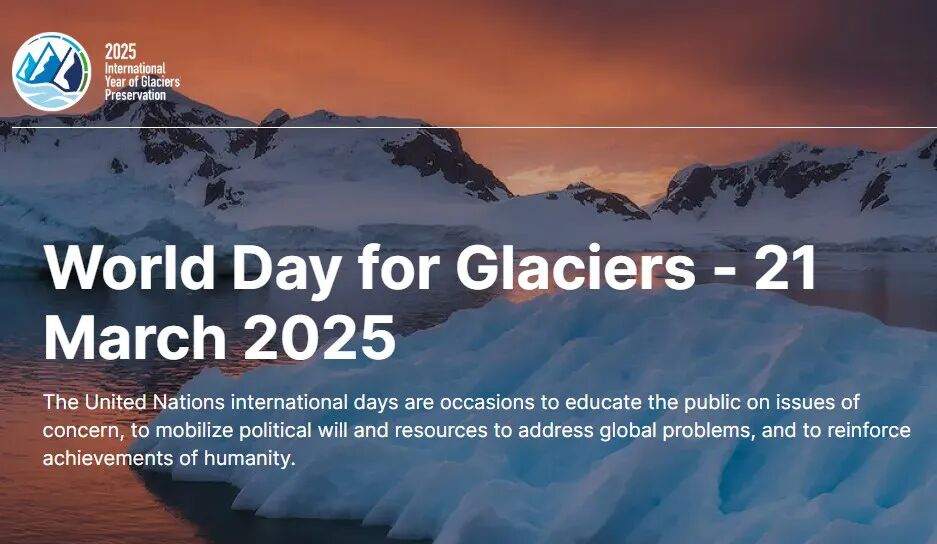
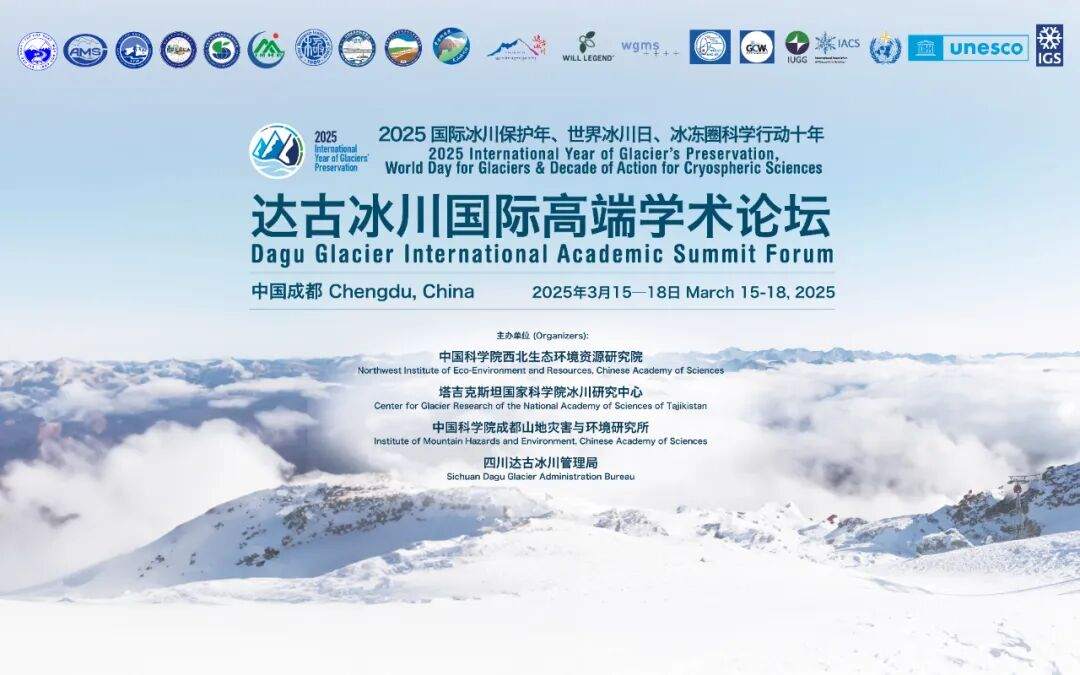
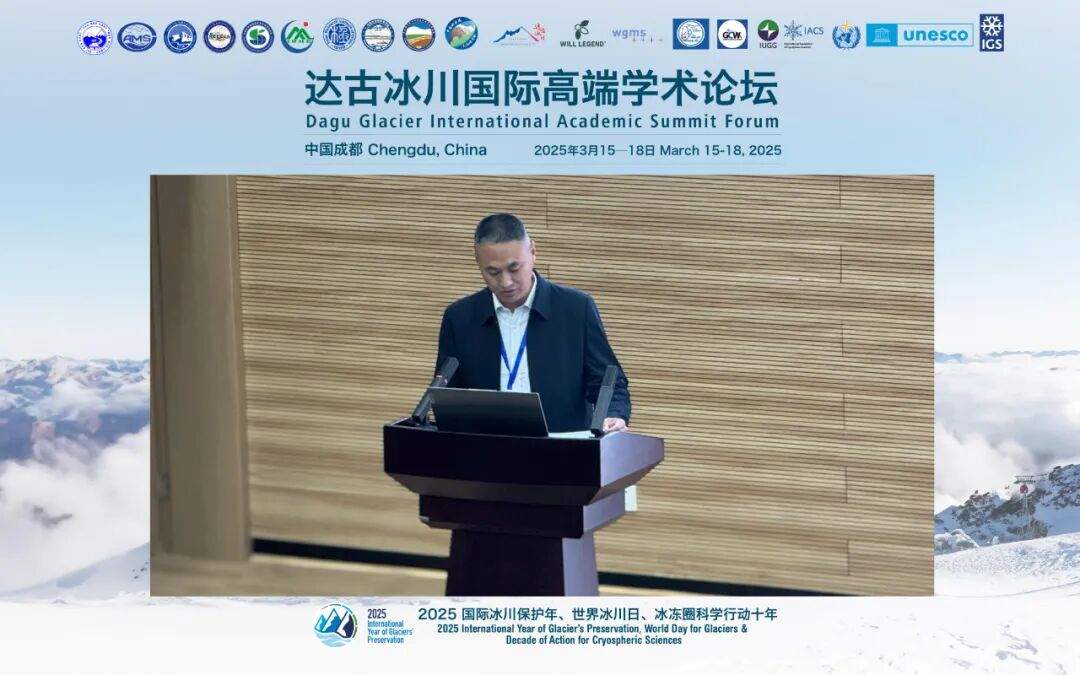
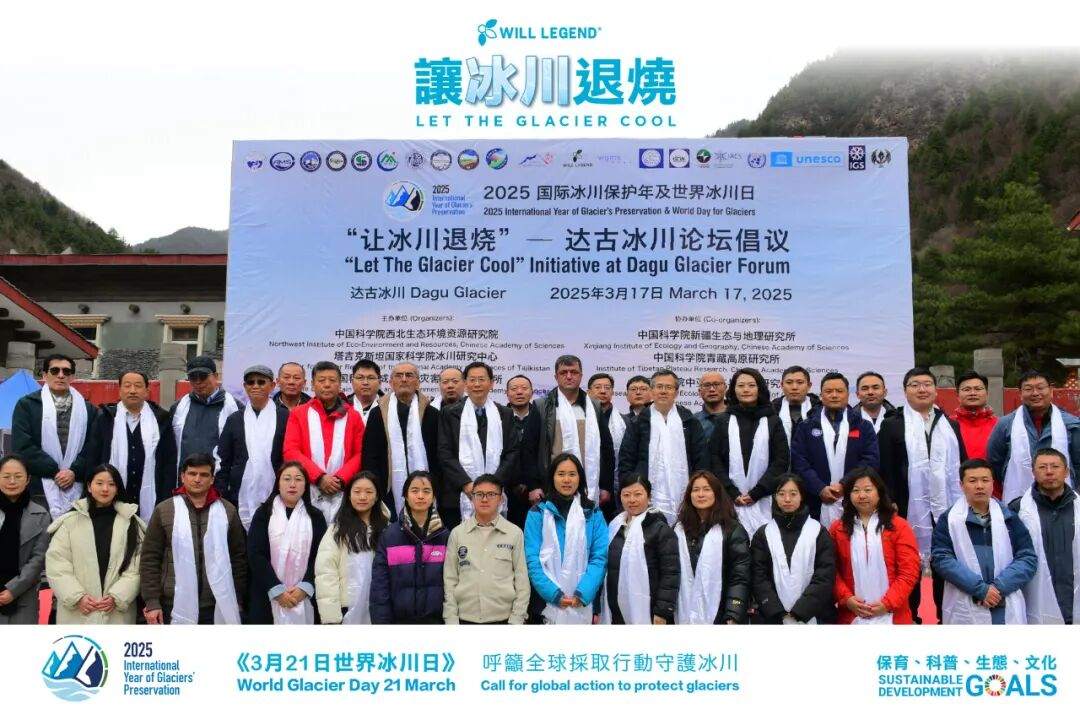
On March 16, 2025, the “2025 International Year of Glaciers’ Preservation”: Dagu Glacier International Academic Summit Forum was successfully concluded. The summit was co-organized by the Northwest Institute of Eco-Environment and Resources, Chinese Academy of Sciences, Center for Glacier Research of the National Academy of Sciences of Tajikistan, the Institute of Mountain Hazards and Environment, Chinese Academy of Sciences, Chengdu, and Sichuan Dagu Glacier Administration Bureau, and supported by the World Glacier Monitoring Service (WGMS), the International Association of Cryospheric Sciences (IACS) and other institutions. The conference organized 15 special invited and keynote reports. Experts and scholars from China and abroad focused on topics such as glaciers and sustainable development goals, rapid changes in the cryosphere on the Qinghai-Tibet Plateau, global glacier changes and climate change response, glacier protection and international cooperation, water resources changes and sustainable development in Central Asia, glacier disaster early warning and risk management, etc., to drive concerted action to protect water supplies and glaciers for future generations. Scientists “Let the Glacier Cool”. On March 17, 2025, a meaningful conservation and education action: “Let the Glacier Cool” Initiative – Dagu Glacier Forum was successfully held in Dagu Glacier Scenic Area. Led by Zhongqin Li, a researcher at the Tianshan Glaciological Station, scientists and other involved organizations were participating in this green, social-philanthropy event that connects the Mainland of China, Hong Kong and the world. Representatives held balloons symbolizing the world’s endangered glaciers and released them into the sky, aiming to arouse the global public’s attention to the issue of glacier melting and promote the implementation of glacier protection actions.
Background
Rising global temperatures are causing glaciers to retreat at an alarming rate, leading to water scarcity, rising sea levels, and increasing the chances of natural disasters like floods or landslides. These chain reactions jeopardize ecosystems, human livelihoods, and economies around the world. To address this pressing challenge, we must act now to reduce greenhouse gas emissions. The first World Day for Glaciers, declared by the UN in its resolution A/RES/77/158 along with the International Year of Glaciers 2025, encourage us all to act to preserve the vital role of glaciers in sustaining life on Earth for generations to come. In August 2024, the United Nations General Assembly (UNGA) adopted the resolution to declare the period from 2025 to 2034 as the “Decade of Action for Cryospheric Sciences”. This initiative, championed by the Republic of France and the Republic of Tajikistan and supported by a coalition of nations, aims to stimulate international scientific cooperation and foster sustainable development efforts in response to the alarming impact of climate change on glaciers, ice sheets, and permafrost. Safeguarding fresh water resources for billions of people. The “Let the Glacier Cool” conservation and education programme is under the “Glacier” of “Green-blueprint”. Starting from the Dagu Glacier in Sichuan and the Tianshan No. 1 Glacier in Xinjiang, it promotes “Let the Glacier Cool” to cool the Earth and slow down the rate of glacier melting. Glaciers cover about 11% of the Earth’s land area and contain about 70% of the world’s fresh water resources. They play an important role in regulating the Earth’s temperature, global thermal balance and water balance. Will Legend joined hands with the Northwest Institute of Eco-Environment and Resources, Chinese Academy of Sciences and the Dagu Glacier Administration Bureau to launch the “Glacier Journey”. Through The First in the Country Glacier Protection for Joint Action, the first “Third Pole Hong Kong Glacier Landmark” and “Third Pole Hong Kong Glacier Museum” were established on the Dagu Glacier on the Qinghai-Tibet Plateau to protect the fragile “Asian Water Tower”. “Let the Glacier Cool” took the lead in injecting start-up funds into the “Glacier Research and Talent Training Project” of the Northwest Institute of Eco-Environment and Resources, Chinese Academy of Sciences, as a means of training scientific research talents, promoting the sustainable development of glacier ecology, advocating faster reduction of carbon emissions, reducing greenhouse gas emissions, and implementing the United Nations Sustainable Development Goal of Clean Water (SDG6).
2025 International Year of Glaciers’ Preservation: Dagu Glacier International Academic Summit Forum
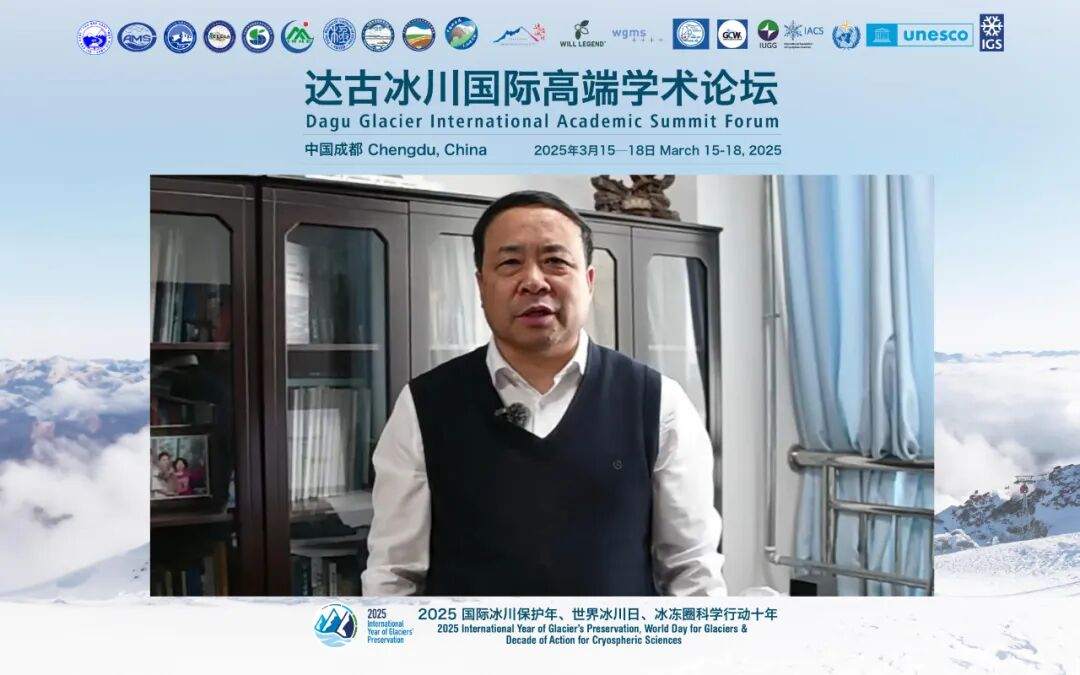
Qin Dahe, Academician of the Chinese Academy of Sciences delivered a speech More than 100 glaciologists, climate policy experts and representatives of international organizations from more than 10 countries including China, Tajikistan, Kyrgyzstan, the United States, the United Kingdom, Iceland and Norway participated in the Dagu Glacier International Academic Summit Forum on the 2025 International Year of Glaciers’ Preservation to jointly respond to the pressing global challenges of the 21st century, including endangered glaciers and climate change. The goal is to promote the United Nations’ 2025 International Year of Glaciers’ Preservation, World Day for Glaciers, and Decade of Action for Cryospheric Sciences initiatives. Professor Liss Marie Andreassen, President of the International Society of Cryospheric Sciences, Dahe Qin, Academician of the Chinese Academy of Sciences and President of the Chinese Cryospheric Sciences Society, Tandong Yao, Academician of the Chinese Academy of Sciences, Leader of the Second Qinghai-Tibet Scientific Expedition and President of the Chinese Qinghai-Tibet Plateau Research Association, and Qi Feng, Academician of the Chinese Academy of Engineering and President of the Northwest Institute of Eco-Environment and Resources, delivered speeches in succession. The conference adopted keynote reports, special reports, and the “Let the Glacier Cool” Initiative to protect glaciers and water resources.
Representatives and Experts Delivered Keynote Speeches
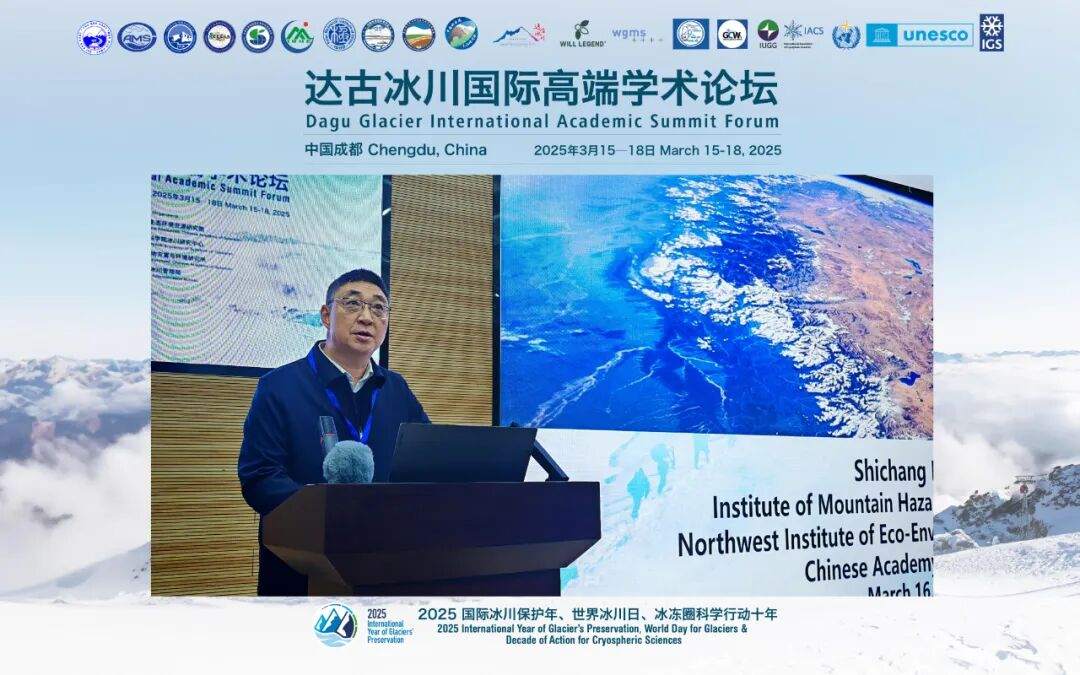
Shichang Kang, Professor, Director of Institute of Mountain Hazards and Environment, Chinese Academy of Science: Cryosphere Changes in the Tibetan Plateau
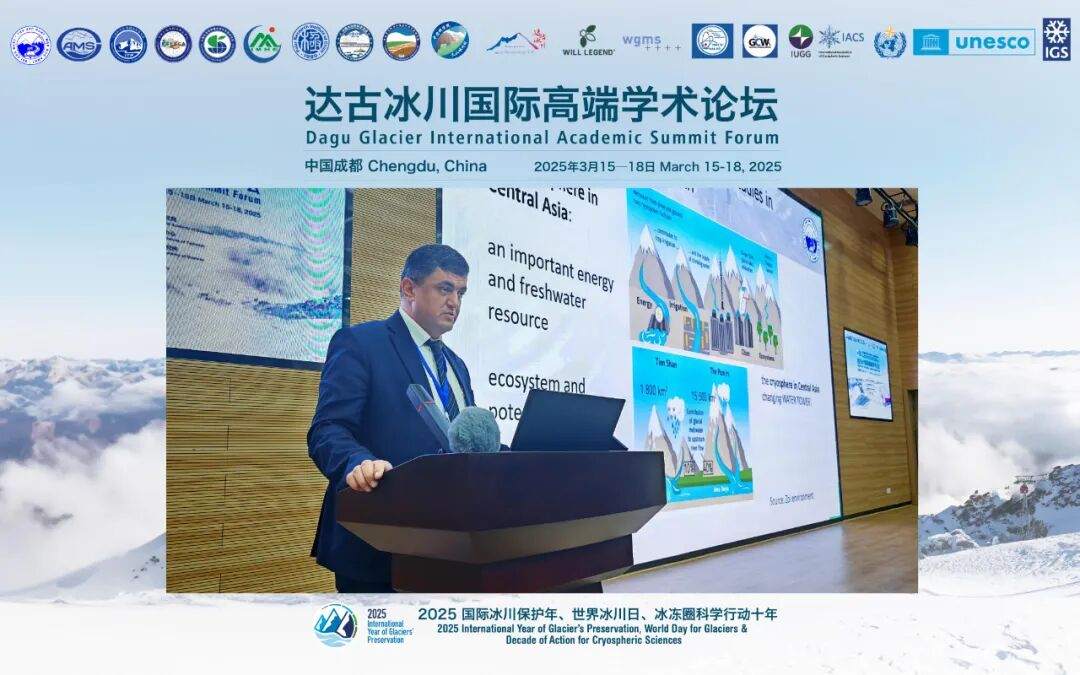
Sheralizoda Nazrialo, Professor, Director of the State Scientific Institution “Center for Glacier Research” of the National Academy of Sciences of Tajikistan : The Current State of Glaciation under Global Climate Change in Tajikistan
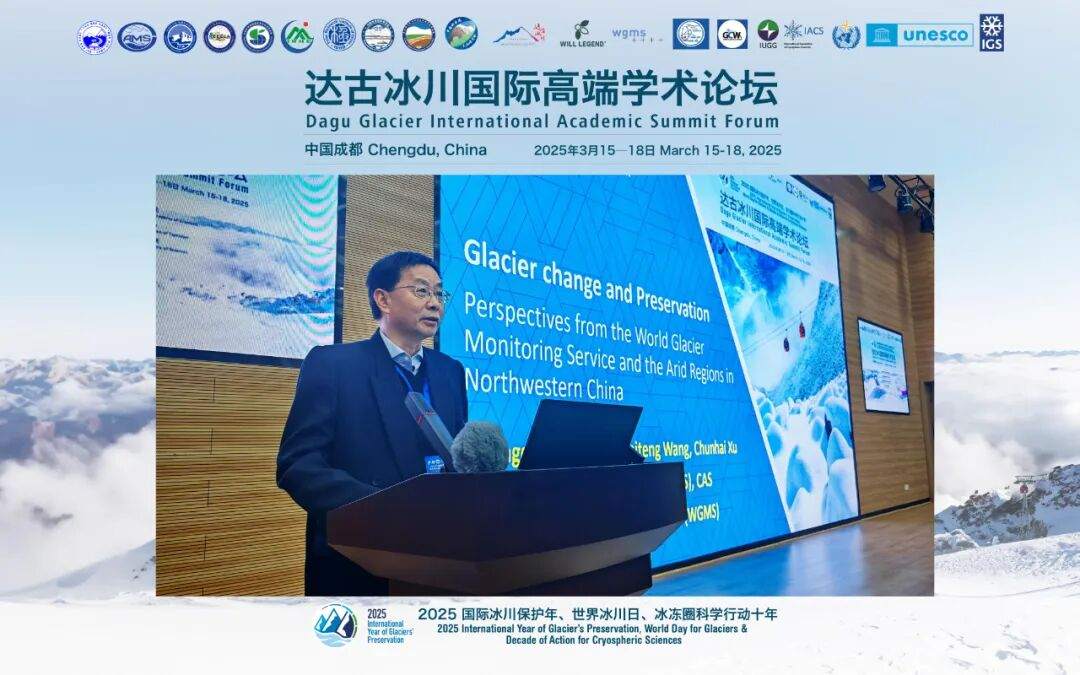
Zhongqin Li, Professor, Correspondent of World Glacier Monitoring Services (WGMS): Glacier Change and Preservation in the Arid Land in Northwestern China
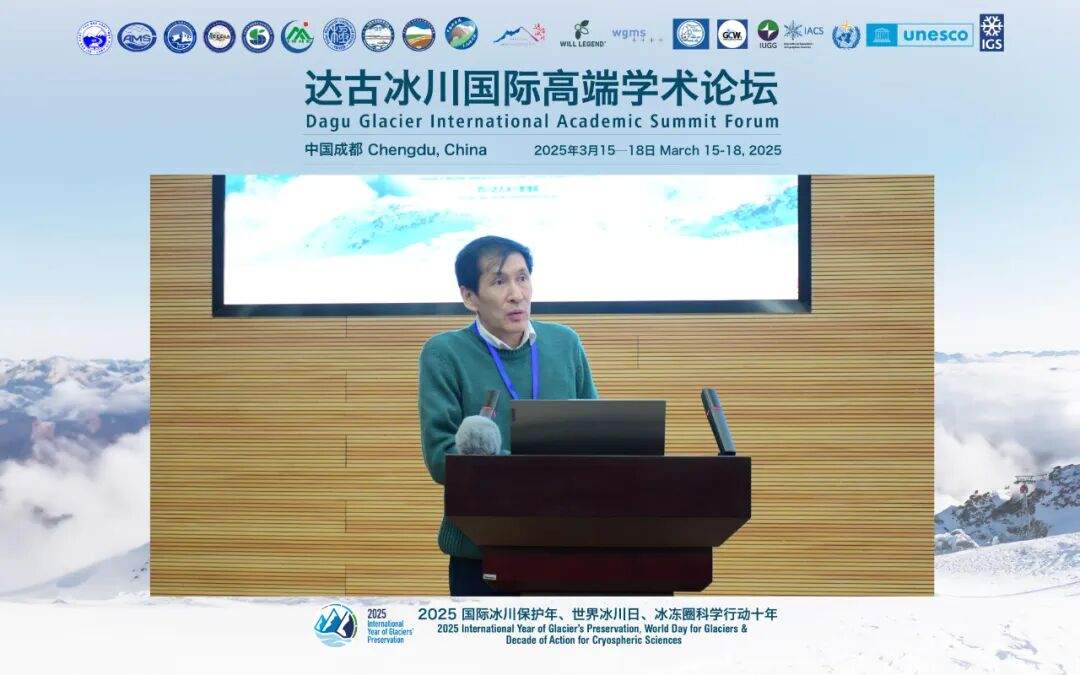
Tobias Bolch: The State and Fate of the Glaciers on the Third Pole
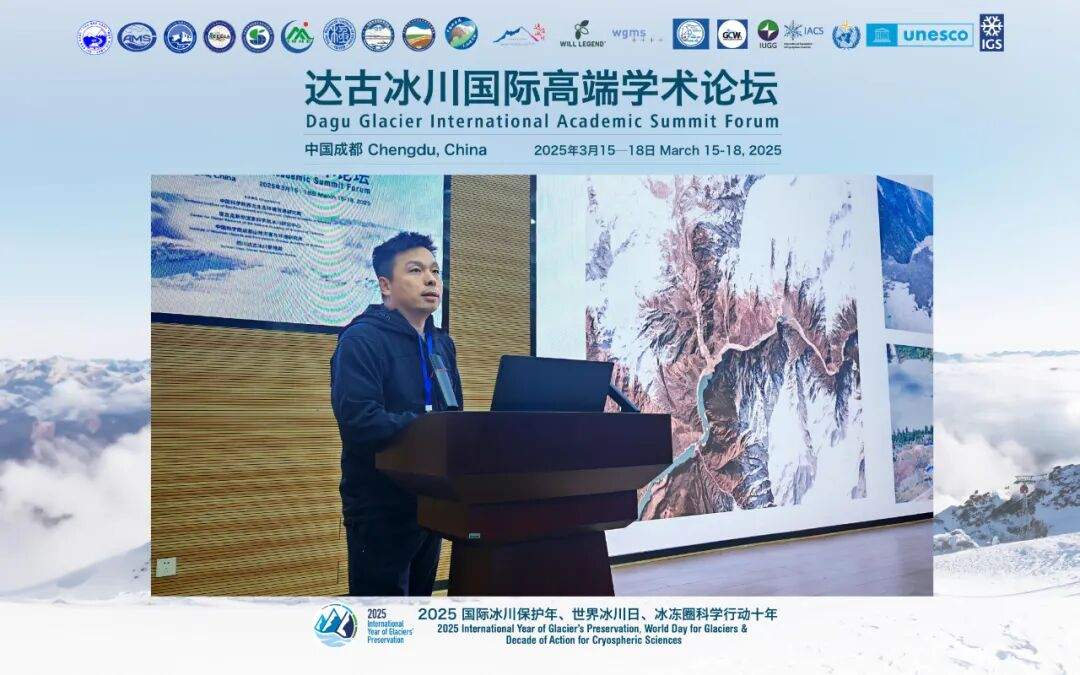
Minghu Ding, Professor, Vice President of International Association of Cryospheric Sciences (IACS): Risk of Glacier Collapse in the Southeast Tibetan Basin
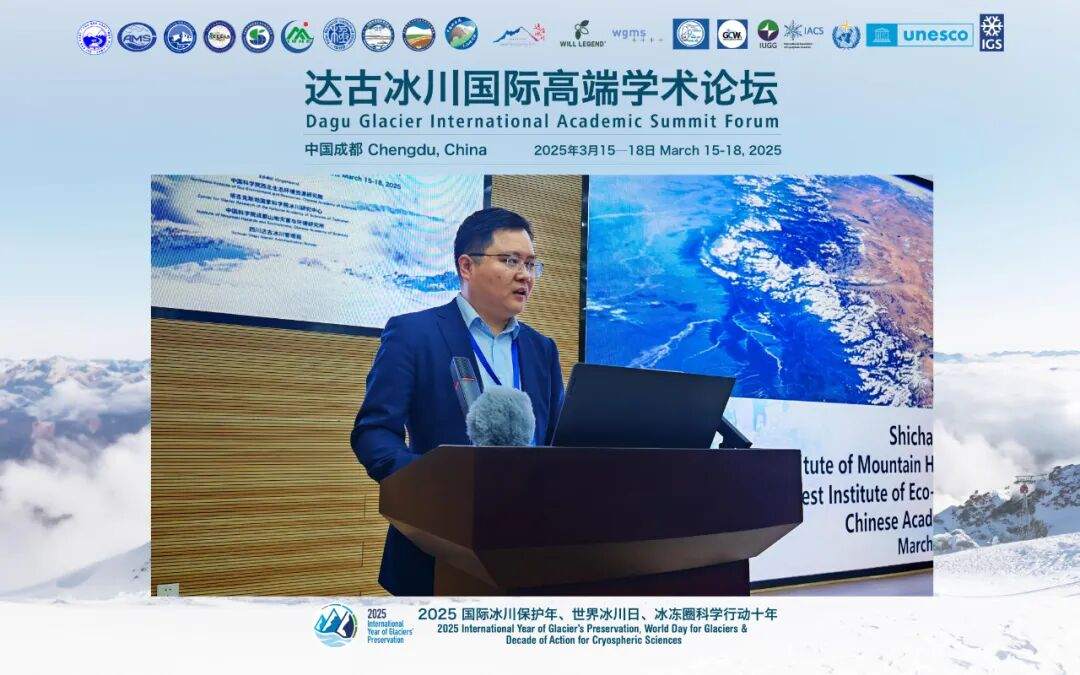
Feiteng Wang, Professor, Northwest Institute of Eco-Environment and Resources, Chinese Academy of Sciences: Mitigating Mountain Glaciers Melt with Geoengineering
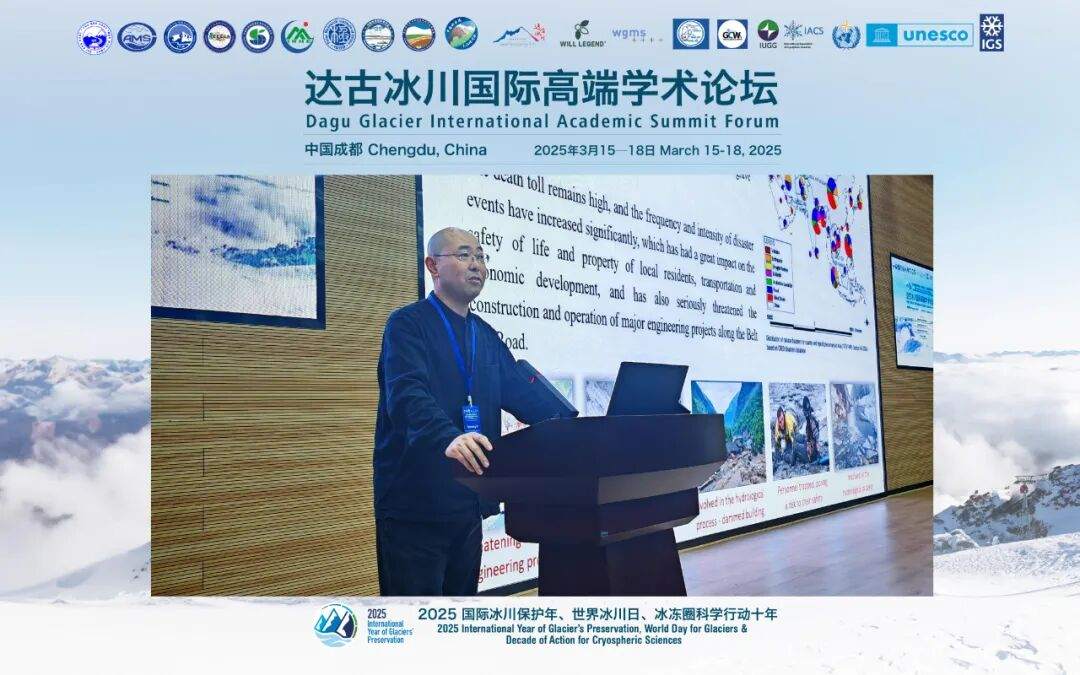
Yaoming Li, Professor, Vice Director of Central Asia Institute of Ecology and Environment, Chinese Academy of Sciences: Research Development and Demonstration of Three-Dimensional Monitoring and Risk Early Warning Technologies for Water-Related Disasters in High-Altitude Cold Mountainous Regions of Central Asia
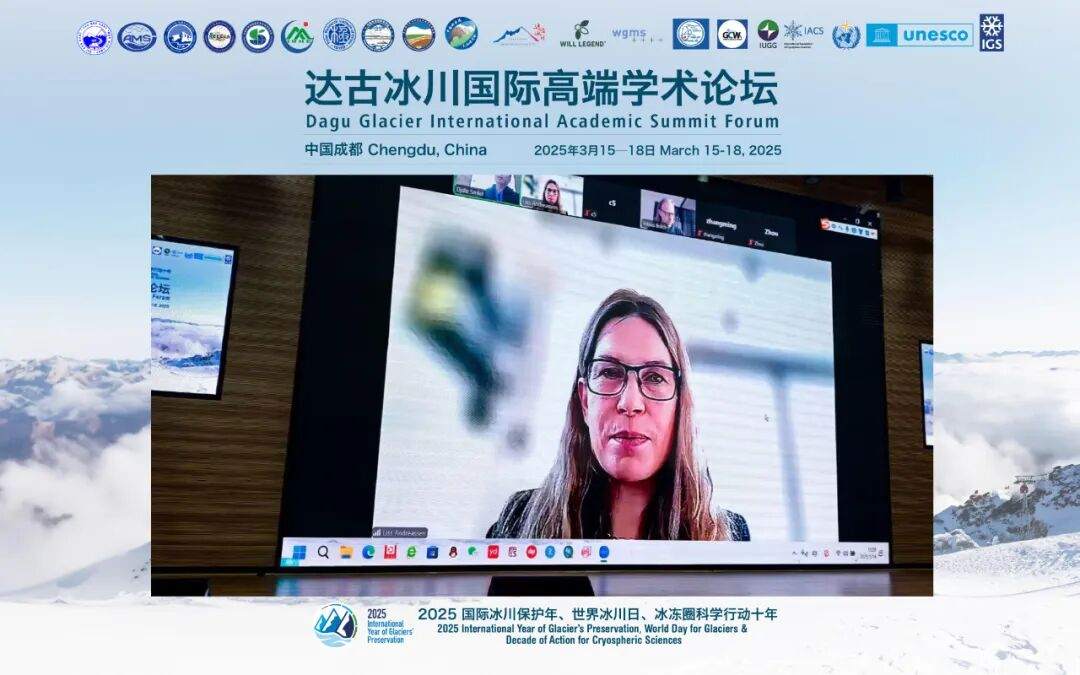
Liss M. Andreassen, Professor, President of International Association of Cryospheric Sciences (IACS): Vanishing Glaciers – a Perspective on IYGP from IACS and from Norway
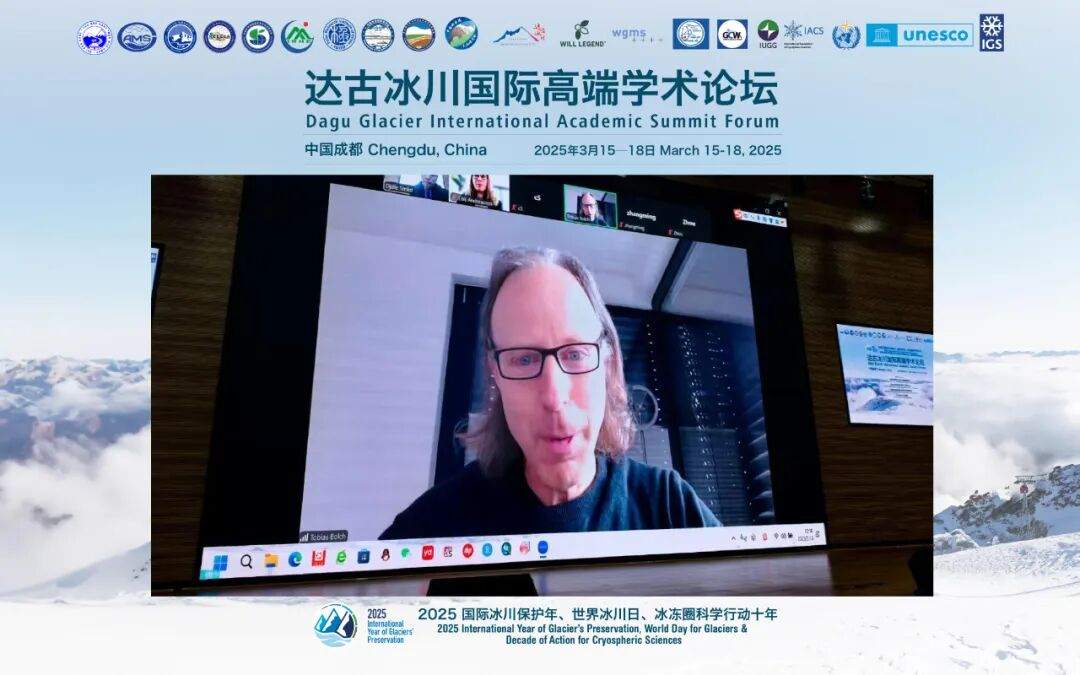
Tobias Bolch, Professor, Department of Geography and Sustainable Development, University of St. Andrews: The State and Fate of the Glaciers on the Third Pole
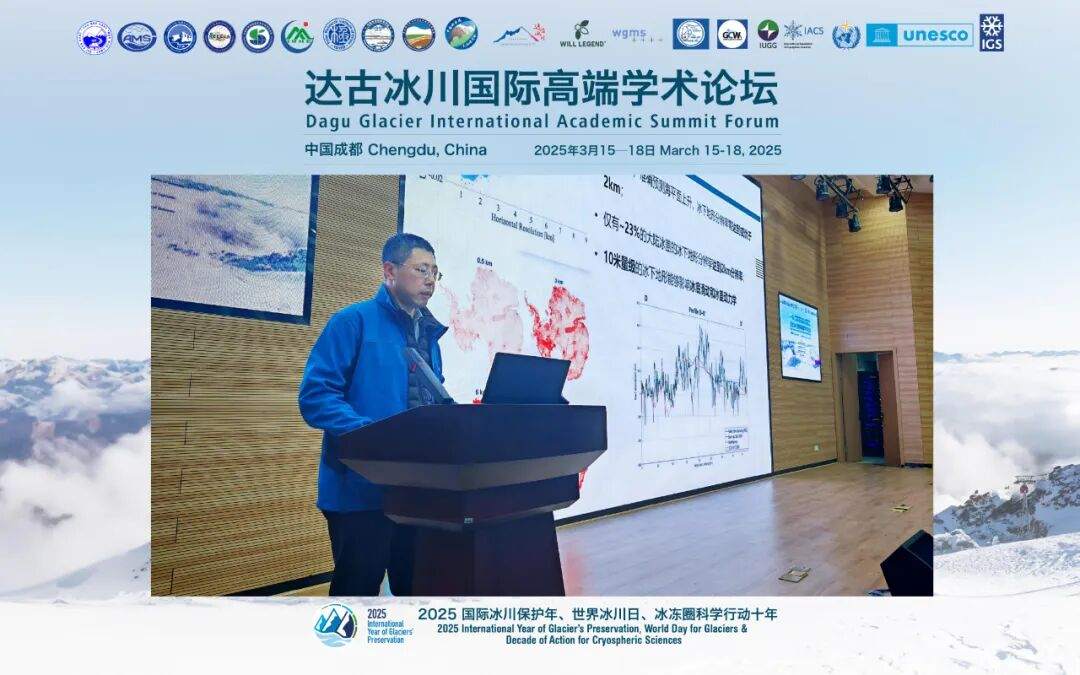
Xiangbin Cui, Professor, Director of Center for Polar Ice & Snow and Climate Change Research, Polar Research Institute of China: Antarctic Aerospace Scientific Surveys and Environmental Studies on the Underside of the Ice Sheet
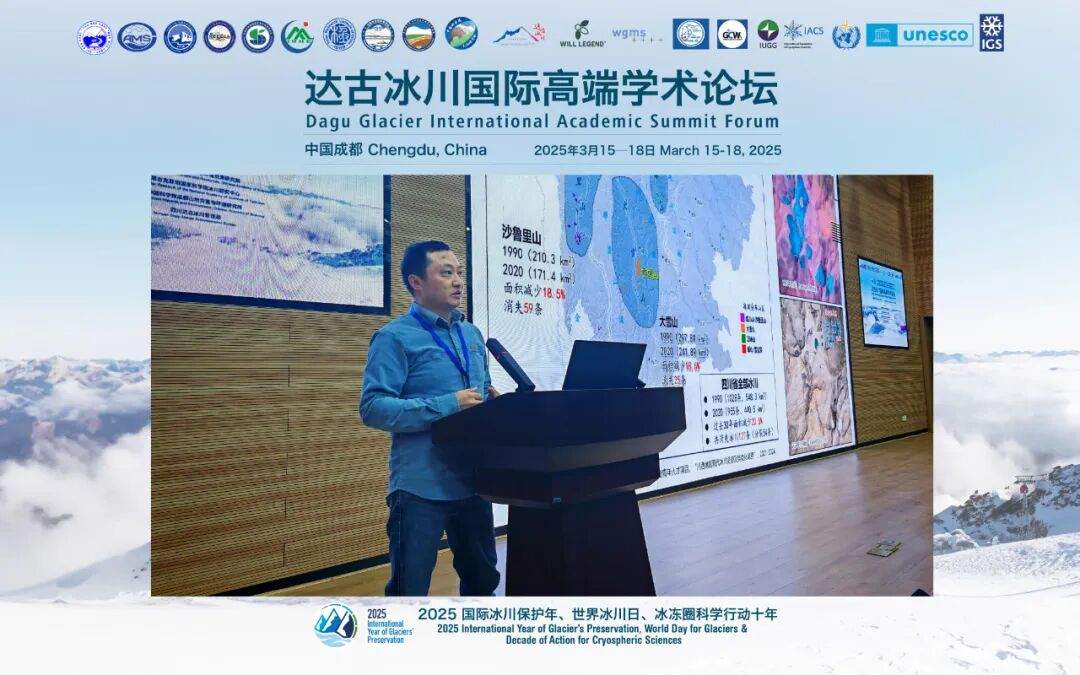
Qiao Liu,Professor, Institute of Mountain Hazards and Environment, Chinese Academy of Science: Observed Increasing Glacier and Paraglacial Instability in Mt. Gongga, Sichuan
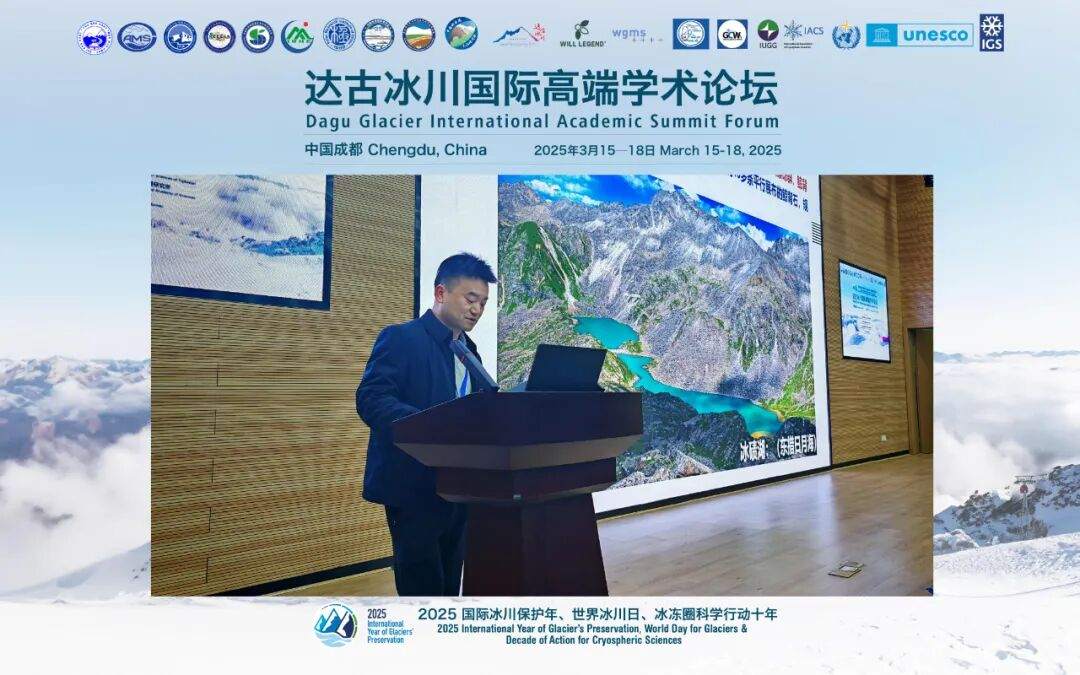
Shihai Huang,Vice Director of Sichuan Dagu Glacier Administration Bureau: The Economic Value of Dagu Glacier Conservation
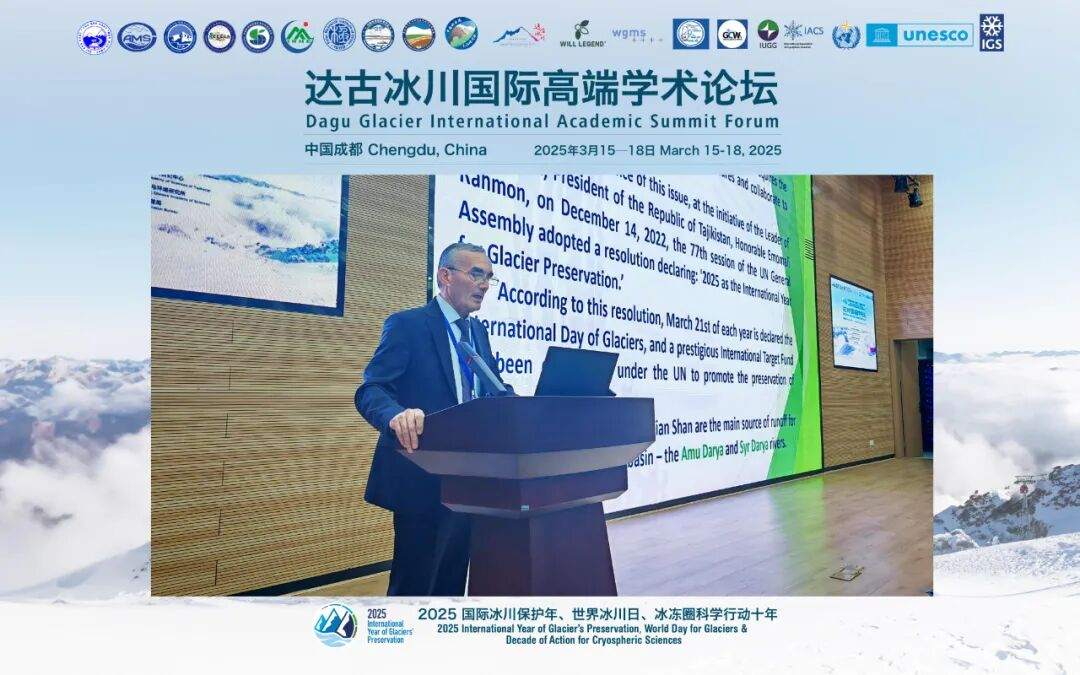
Yunus Mamadjanov, Professor, Scientific Secretary of Research Center for Ecology and Environment of Central Asia Dushanbe: The Impact of Climate Change on the Glaciers of Tajikistan: Challenges and Consequences
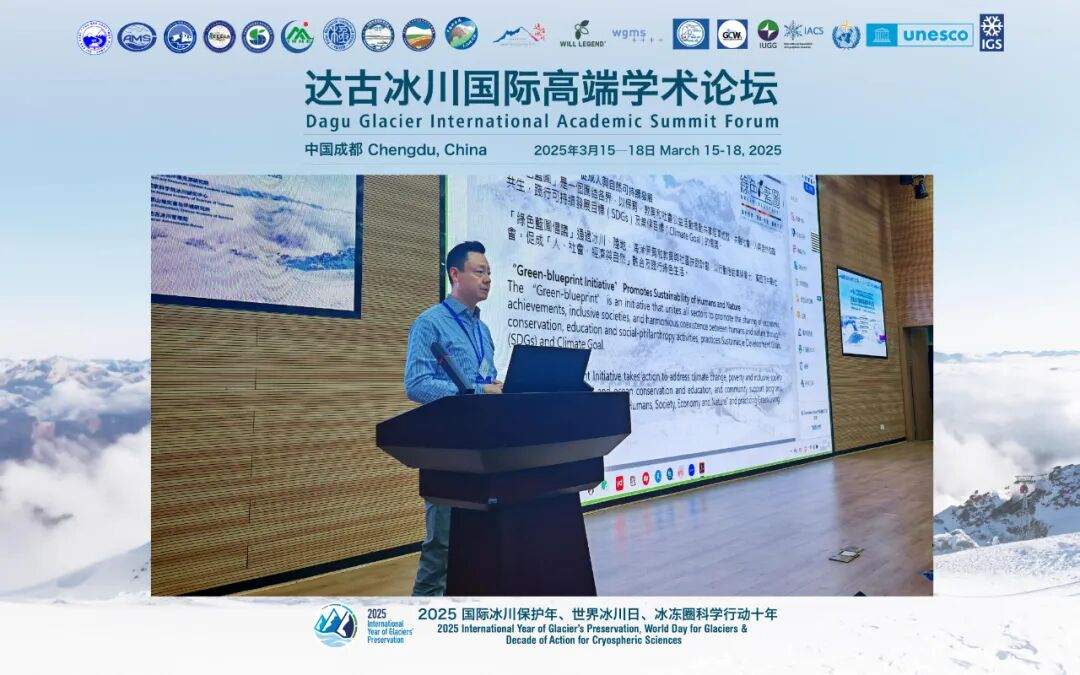
William Hung, CEO, Will Legend Eco Living (HK) Limited: “Let the Glacier Cool” Practicing Sustainable Development Goals
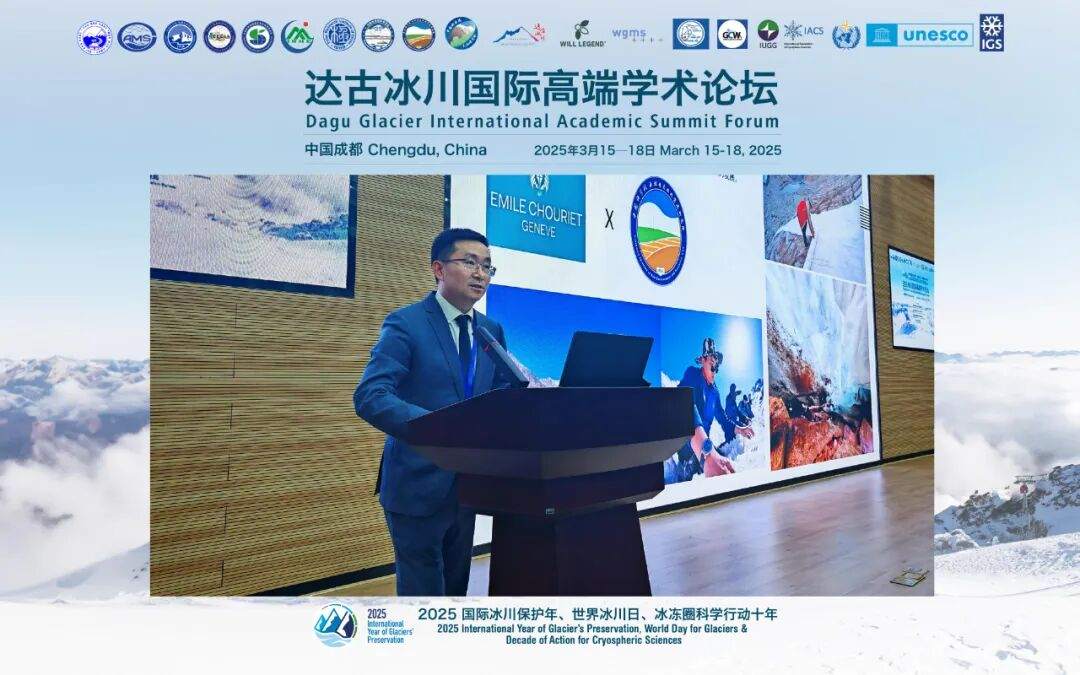
Jun Zhou, General Manager of Emile Chouriet: Glacier Conservation Contributed by Emile Chouriet
“Let the Glacier Cool” Initiative – Dagu Glacier Forum
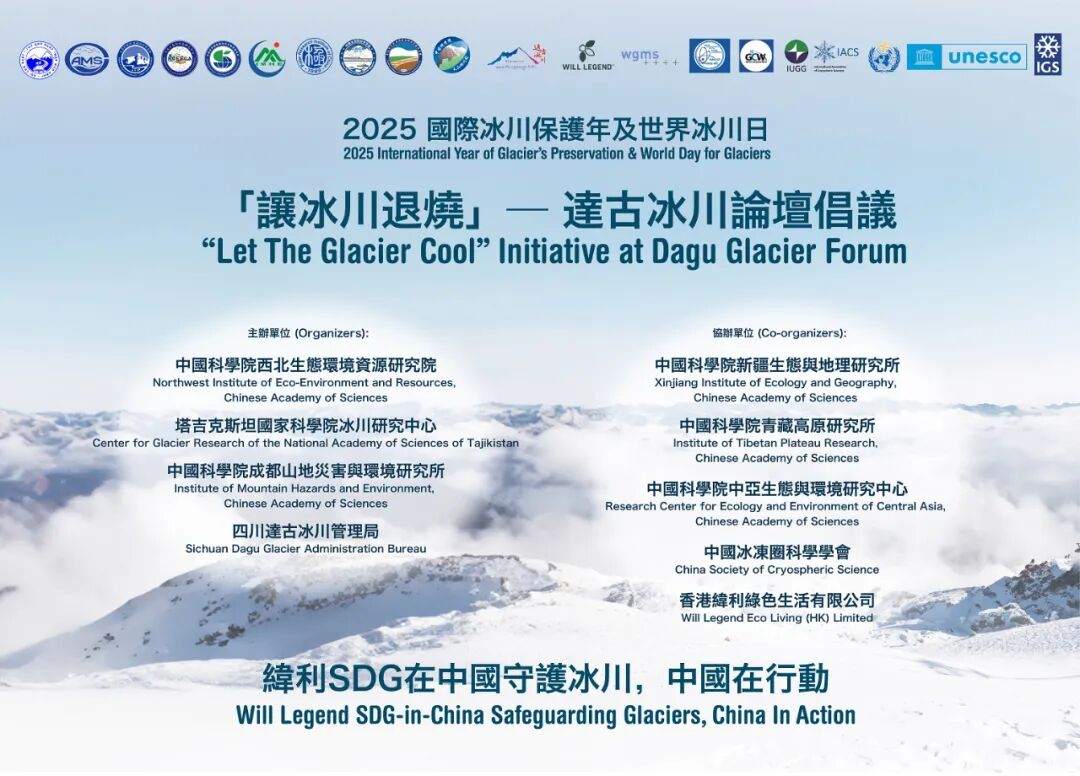
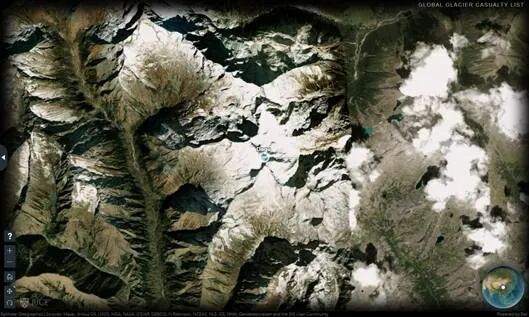
The Northwest Institute of Eco-Environment and Resources, Chinese Academy of Sciences, Center for Glacier Research of the National Academy of Sciences of Tajikistan, the Institute of Mountain Hazards and Environment, Chinese Academy of Sciences, Chengdu, and Sichuan Dagu Glacier Administration Bureau, Will Legend, and other scientific research and conservation institutions jointly launching the ” The First in the Country Glacier Protection for Joint Action”, promoting the “Let the Glacier Cool” Initiative, and calling on the world to take action to protect glaciers, and, advocating faster reduction of carbon emissions and greenhouse gas emissions, supporting the United Nations 2025 International Year of Glaciers’Preservation, Decade of Action for Cryospheric Sciences, March 21 World Day for Glaciers”, and March 22 World Water Day, leading Hong Kong and the people of the Mainland of China to jointly cool the Earth, slow down the melting of glaciers, and implement the Sustainable Development Goals (SDGs). On March 17, a public green action with special significance: “Let the Glacier Cool” Initiative – Dagu Glacier Forum was successfully held in Dagu Glacier. The event aims to arouse the global public’s attention to the issue of glacier melting and promote the implementation of glacier protection actions. At the same time, the forum announced the establishment of the “Third Pole Hong Kong Glacier Landmark” and the “Third Pole Hong Kong Glacier Museum” to enhance public awareness of glacier protection through popular science education. Through the “Let the Glacier Cool”, The First in the Country Glacier Protection for Joint Action, scientists, different sectors and public are connected to take joint action to address glacier disappearance. Dagu Glacier is Critically Endangered, Projected to Disappear by 2030. Safeguarding “The Nearest Distance”, “Let the Glacier Cool” Initiative calls for global action to protect glaciers! Glaciers are essential to Earth’s ecosystem, acting as critical freshwater reservoirs and indicators of the planet’s health. They provide water for millions of people, regulate sea levels, and support biodiversity. Over the past 35 years, Dagu Glacier has retreated by 76% and its area of glacial ice decreased from 2.10 km 2 in 1989 to 0.5 km 2 in 2023. Glaciologists predict that Dagu Glacier will disappear entirely by around 2030. In 2024, the Global Glacier Casualty List (GGCL) project selected glaciers that are about to melt away and have scientific research and socio-economic value as representatives from around the world to show the world the dramatic changes in glaciers and the urgency of protecting them. Dagu Glacier is the only one in China to be included. Since the year 2000, global warming has led to the disappearance of thousands of glaciers across the world.
Further Reading
Celebrations of the 1st World Day for Glaciers and World Water Day in Paris For the joint celebration of the first World Day for Glaciers and World Water Day 2025, a high-level event will take place on 20-21 March 2025 at UNESCO Headquarters in Paris.
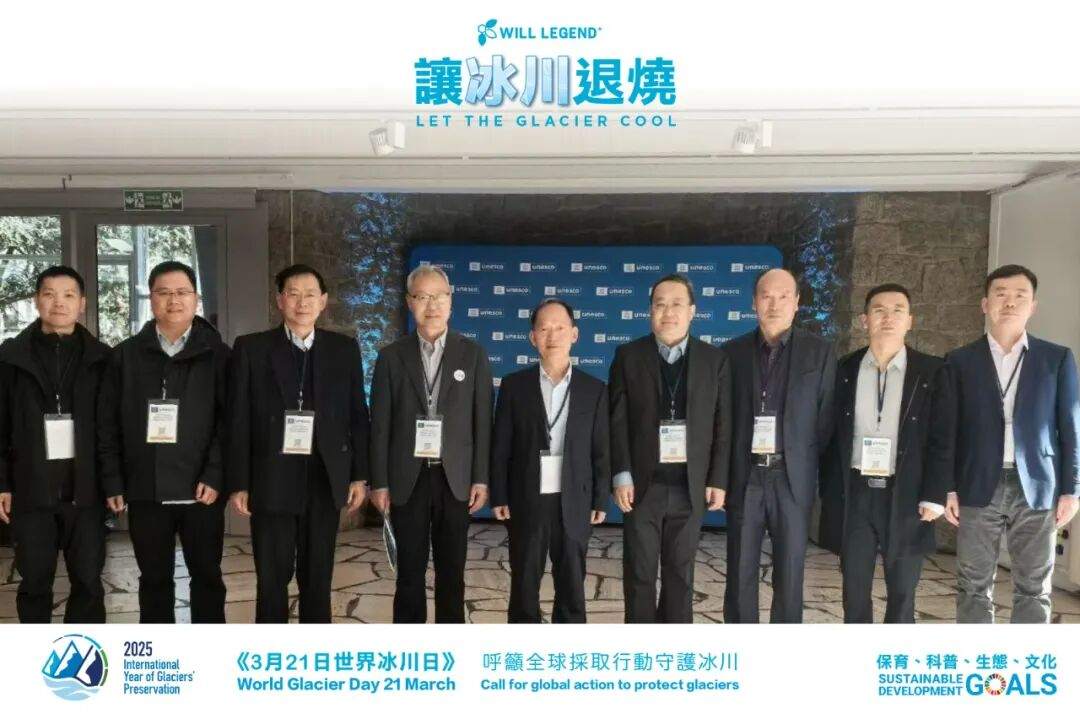
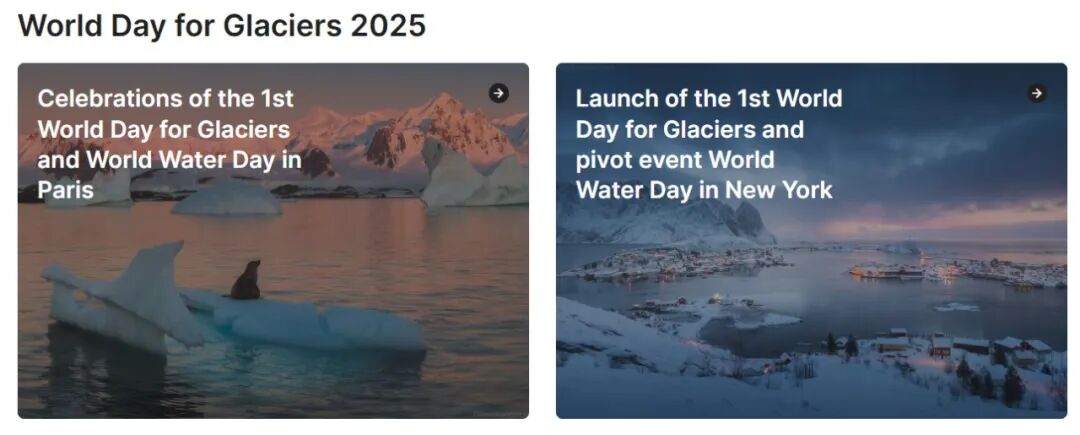
As part of the International Year of Glaciers’ Preservation 2025, a joint celebration of the World Day for Glaciers and World Water Day will be organized to highlight the accelerating threat of glacier melt and its impact on water security, communities and ecosystems. With glaciers melting at record rates, this joint celebration will underscore the importance of glaciers as “water towers of the world” for billions of people who rely on them. At the 36th UN-Water Meeting in 2022, UN-Water Members and Partners decided to align the World Water Day campaign theme as “Glaciers’ preservation” accompanied by the proclamation of March 21st of each year as the World Day for Glaciers starting in 2025. The event will also mark the launch of the 2025 World Water Development Report, themed “High Mountains and Glaciers”. The report emphasizes glaciers’ role in sustaining water supplies and maintaining ecosystem stability, offering data-driven insights to guide sustainable water management and adaptation strategies for communities worldwide. Further, the event will lay the foundation for the Decade of Action for Cryospheric Sciences (2025-2034), fostering international cooperation in scientific research and monitoring to address the impacts of cryosphere changes. For the joint celebration of the first World Day for Glaciers and World Water Day, a high-level event will take place on 20-21 March 2025 in UNESCO Headquarters in Paris. This event will serve as a platform for dialogue and action regarding the state of the world’s glaciers and their impacts on global water security, communities, and ecosystems.World leaders, policymakers, scientists, civil society and advocacy groups will come together to discuss the importance of glaciers in global water systems, their impact on ecosystems, sea levels, and human societies, and to drive concerted action to protect water supplies and glaciers for future generations. 20 March 2025 – 21 March 2025 Agenda 20 March 2025 Brainstorming Session – Decade of Action for Cryospheric Sciences Date: March 20, 2025 Location: UNESCO Headquarters, Paris – Room II Session 1 – Scientific Research: Cryosphere Observation and Modelling Panelists: Mr Yao Tandong, Professor, Chinese Academy of Sciences, Institute of Tibetan Plateau Research
The Secret Life of Glaciers World Water Day 2025 – United Nations Water
原文來源: 微信公眾號原文