


A Little Honey, a Shared Warmth: From the Roof of the World to Lion Rock
How far can a jar of glacier honey bring people together?
From beekeepers on the Qinghai–Tibet Plateau and in its neighbouring regions to communities in Hong Kong, a jar of Third Pole Glacier Honey connects snowy mountains with a coastal city. Through purchasing and sharing, it also creates a starting point for people in both places to contribute to community care.
Beekeepers receive support for their work. Hong Kong residents receive a gift of sweetness. Schools, businesses and community partners can follow the story and discover their own ways to take part.
Sweetness can be shared. Care can be passed on.
“You come from Hong Kong, I come from afar.
In different languages, we sing of the same hope.”
These lines from the Green-blueprint song have found expression in everyday life in Heishui and Hong Kong, through visits, purchases and acts of sharing.
The connection began with a journey to the glaciers in 2023.
A Chance Encounter, Three Years of Care
In 2023, William Hung, founder of Will Legend, travelled to Dagu Glacier at the invitation of Professor Wang Feiteng of the Northwest Institute of Eco-Environment and Resources, Chinese Academy of Sciences. Together, they met with the glacier administration to discuss the Let the Glacier Cool conservation and education initiative.
At the time, Heishui County was unfamiliar territory to William.
During that journey, he visited local villages, spoke with residents and met beekeepers. The glaciers left a powerful impression, as did the villagers’ hospitality and the warmth of their everyday lives.
Since then, he has tried to make time for community visits whenever he returns. He has crossed grasslands, explored upper and lower villages, visited beekeeping households and entered settlements more than 3,000 metres above sea level. He has watched the sunset and the distant San’ao snow mountains, and spoken with Tibetan and Qiang residents.
To understand a place, we need to listen to the people who live there: what they cherish, and what they hope the future might hold.
A Homegrown Apple, and the Joy of Family Coming Home
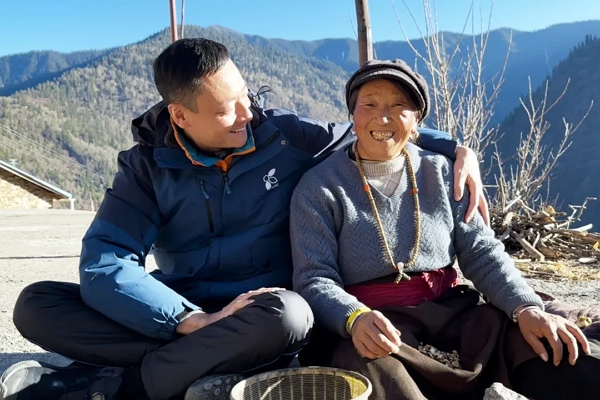
On his first visit to a Tibetan village at approximately 3,000 metres above sea level, William sat down with an elderly woman who had lived there for more than sixty years.
Did she ever visit the county town? How many cattle did her family keep? What did she usually do after getting up in the morning?
She pointed into the distance as she described the cattle and where they grazed. After the harvest, life became quieter: tending the vegetables and spending time in the sun. When the farming season returned, there was work to do in the fields. The family grew maize, wheat and potatoes, and had apple trees too.
As they talked, William mentioned the apple she had given him earlier.
“The apple you gave me was delicious.”
“We have apples. The apple trees are over there.”
“Did you grow them yourselves?”
“Yes, they’re ours.”
An apple gave this visitor from far away a taste of the work that filled her days. Through these ordinary exchanges, life in the mountains began to feel more familiar.
Later, William asked, “What makes you happiest?”
Smiling, she spoke about festivals and weddings, when people gathered to drink traditional chhaang and eat together.
William thanked her for welcoming them. She continued, explaining that her children and grandchildren would come home for the celebrations:
“The grandchildren all come together to spend time with us. We drink, eat meat, and we’re happy.”
From the cattle and vegetables to the apple she had offered her guest, she had been describing her daily life. When asked about happiness, she thought of the days when her children and grandchildren returned and everyone could be together.
William left that first visit having tasted an apple she had grown and heard how much she treasured those reunions.
He returned to Hong Kong, but the conversation stayed with him.
Returning to Heishui, Bringing Care in Person
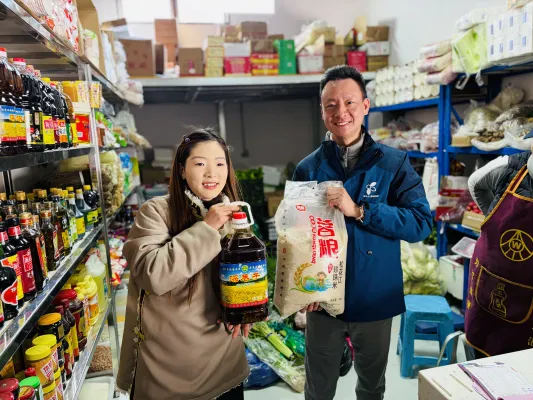
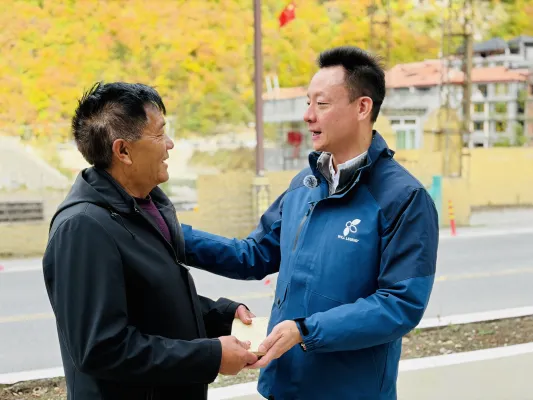
In November 2026, William returned to Dagu Glacier for the Let the Glacier Cool Second Symposium on Glacier Conservation. Between his conference commitments, he again made time to visit local communities and elderly residents.
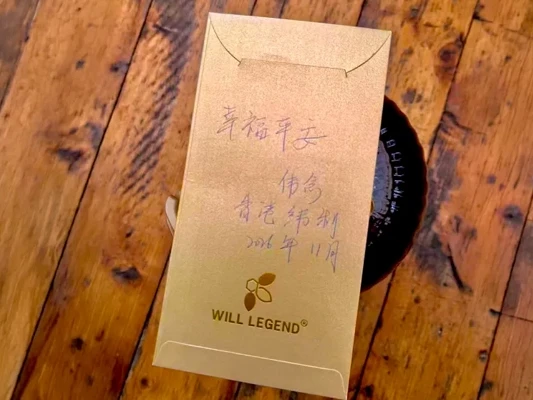
He purchased rice and cooking oil locally, and presented fifteen elderly villagers with gift envelopes containing cash contributions, alongside everyday supplies.
On the envelopes were four handwritten Chinese characters:
“幸福平安” — happiness and peace.
A bag of rice and a bottle of oil offered practical support. Returning in person, holding hands and asking how people had been brought a different kind of care.
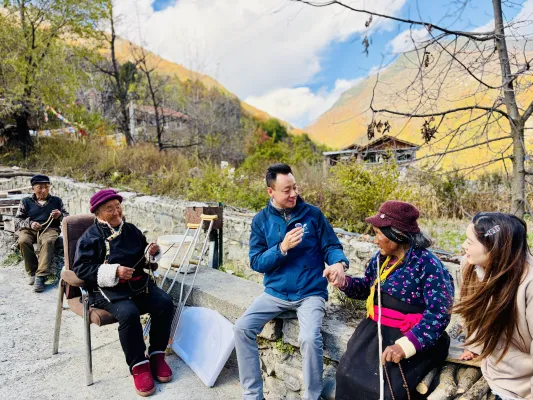
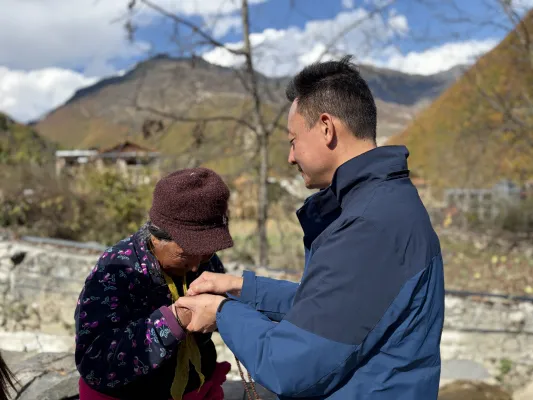
Supporting older people and giving back to communities have long mattered to William. In Heishui, those commitments had become personal: familiar faces, and people he could return to see.
Before he left, another elderly woman began to cry when she realised he was about to depart. William held her in an embrace.
As they said goodbye, she brought his hands to her forehead, offering her heartfelt blessing through her Tibetan way of farewell.
Hong Kong and Heishui are separated by a long journey across the mountains. Their languages may not always be fully understood by one another, but an embrace and a pair of clasped hands expressed their feelings clearly.
William had brought care to the village. He left carrying a blessing in return.
A chance encounter had grown into three years of care.
Across Mountains and Seas, Care Finds a Response
During this return visit, local content creator “Heishui Sangji Zhuoma” independently came to document William’s visits to villagers and older residents, and his purchase of everyday supplies.
In her video description, she wrote:
“High mountains and long roads cannot hold back an act of kindness. We share common roots; we are one family.
Bringing care to people in the mountains who need support, and gathering warmth.
Across mountains and seas, our hearts are together.”
She also shared her happiness that “William Ge”, as she called him, had come from Hong Kong to support people in Heishui, and that she could take part and contribute to rural revitalisation. “Ge” means “older brother” in Chinese and can be used as a warm, respectful form of address.
Care brought from Hong Kong found a response in Heishui. William visited in person, local friends participated, and the story travelled further through video.
Will Legend hopes that people watching will discover a step they would like to take themselves: caring for nature, supporting local livelihoods, or getting to know communities of different ethnic backgrounds.
In the interview, William also spoke about his hope that more people would visit Heishui, discover its landscapes and everyday life, and create further economic opportunities for the area.
One way he continued that connection himself was to purchase honey from local beekeepers again before leaving.
A Flower, a Bee, and Nature Working Together
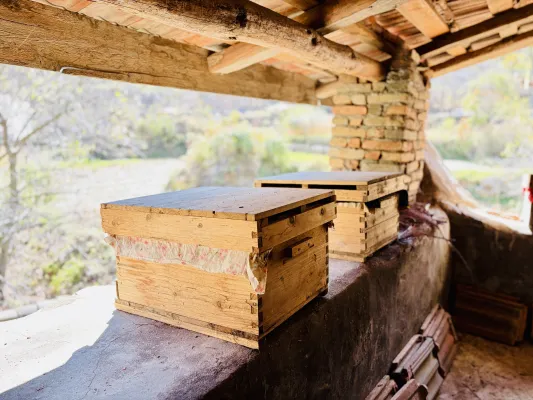
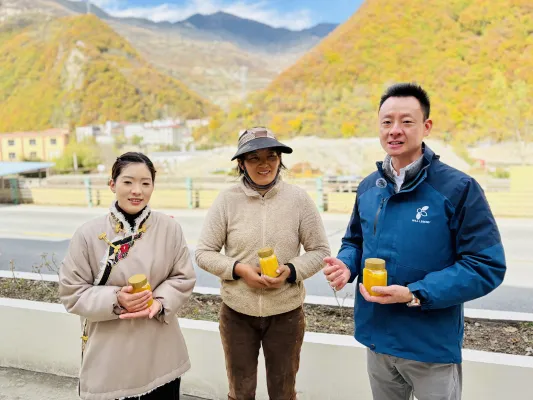
A jar of honey usually makes us think first of sweetness.
But visit a hive and listen to a beekeeper describe the work, and another story emerges: one involving flowers, bees, the seasons and people.
Flowers provide nectar and pollen. As bees move between flowers, they also help with pollination. Beekeepers watch flowering seasons, weather conditions and the needs of their colonies, caring for the hives and organising their work around the seasons.
During an earlier visit documented by Will Legend, a beekeeper known as Mr Cai explained:
“Wherever the climate is suitable and there are flowering plants, that is where we move the bees.”
His words express a close relationship between a beekeeper’s livelihood and the surrounding environment.
Many flowering plants rely on bees and other animals for pollination. Bees need flowers for food, while beekeepers depend on these natural relationships to make a living.
This is the connection Will Legend hopes to share through its honey-source story, “An Urban Wildlife Corridor in the Glacial Landscape”.
Starting with flowers and bees in glacier regions, we can also ask a question closer to home: could our schools, residential estates and communities provide more food and habitat for pollinating insects?
Through a flower and a bee, a distant conservation story becomes part of everyday life.
Continued Purchasing, Practical Support for Beekeepers
Since first visiting beekeepers in 2023, Will Legend has continued purchasing glacier honey, supporting the work of beekeepers on the Qinghai–Tibet Plateau and in its neighbouring regions.
Each purchase connects support with a product and a livelihood. Each occasion of sharing the honey in Hong Kong gives more people an opportunity to discover where that sweetness comes from.
For the person receiving it, the honey may be a thoughtful gift. For the beekeeper, it represents a purchase that supports their work. For a school or community, it can introduce the relationships between flowers, bees and the natural environment.
A jar of honey carries sweetness away from the mountains while leaving practical support behind.
A journey that began with glacier conservation has gradually become connected with local life through the people encountered along the way. Will Legend hopes that future visitors to Heishui will also make time to hear the beekeepers’ stories and learn how they work with nature.
Passing on the Sweetness, with the Lions beneath Lion Rock
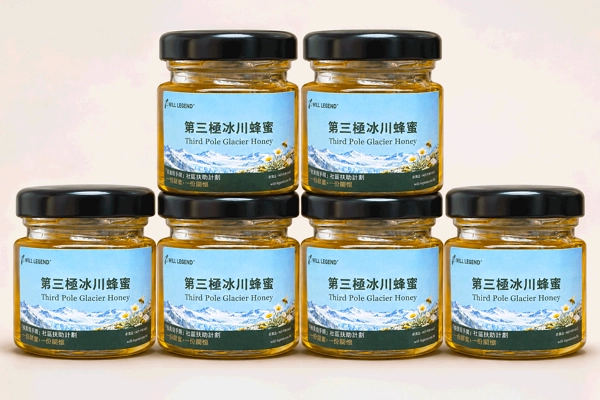
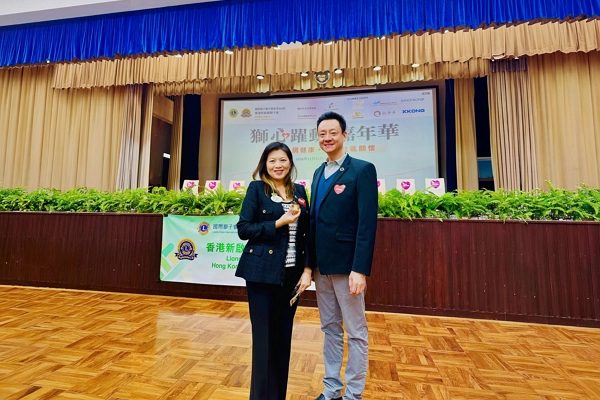
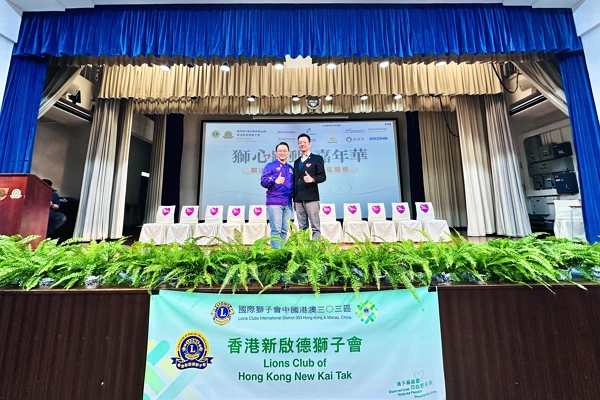
From the Roof of the World to the communities beneath Lion Rock, a jar of glacier honey connects the work of distant beekeepers with an act of care in Hong Kong.
The honey being shared carries Will Legend’s commitment to supporting beekeepers and giving back to the community.
At the invitation of the Lions Club of New Kai Tak Hong Kong, Will Legend participated as a supporting organisation and event sponsor of its community carnival, “獅心躍動・嘉年華”. Through the event on 21 November 2026, two hundred jars of glacier honey were shared with the Hong Kong community.
Here, “the Lions beneath Lion Rock” takes on a special meaning: the Lions Club brings people together in service, carrying care into the everyday lives of local residents.
Taste the sweetness of the glaciers. Savour the sweetness of nature.
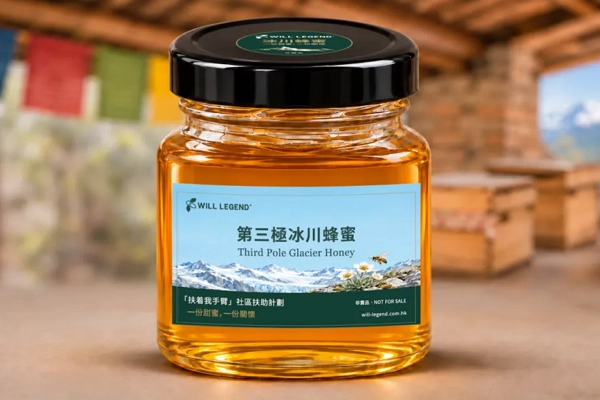
That sweetness carries the work of beekeepers, the partnership between flowers and bees, and the thoughtfulness of people willing to share.
From supporting beekeepers to sharing with communities, this care can continue to pass from one person to another, inviting more businesses, schools and organisations to take part.
From One Encounter to Wider Participation
William hopes that future glacier journeys will give participants opportunities to explore glacier science while also visiting nearby villages and listening to residents’ stories.
A conversation with a beekeeper can help students understand the relationship between ecology and livelihoods. A cultural exchange can help people from different backgrounds understand one another. Accommodation, meals, local products and cultural experiences involving residents may also create livelihood opportunities.
The woman William met in 2023 spoke of her happiness when her children and grandchildren came home, raising another question: if suitable local jobs were available, could more young people have the option of returning home to build their careers closer to their families?
More companionship for older people, more opportunities for young people, and more chances for families to be together are among the possibilities William hopes to help develop. These aspirations need to be discussed with local communities and pursued through sustained cooperation.
From learning about flowers and bees to supporting beekeepers; from returning to visit Tibetan elders to sharing honey with Hong Kong communities, the three aspirations of Green-blueprint—Environmental Protection, Social Good and Cultural Inclusion—take shape through actions people can join.
“You come from Hong Kong, I come from afar.
In different languages, we sing of the same hope.”
From the Roof of the World to Lion Rock, that hope can travel further with every encounter and every act of support.
What Would You Like Your Group to Bring Home from Its Next Journey?
Alongside memories of magnificent glaciers, it could be scientific knowledge, a conversation with a beekeeper, or the experience of getting to know a local community.
Businesses, organisations and schools can commission Will Legend to plan glacier journeys around their learning, team engagement or community care objectives. They can also propose elements they would like to include, such as village visits, encounters with different ethnic cultures, or opportunities to understand beekeeping and its relationship with nature. Will Legend works with local partners to agree on arrangements that connect participants’ interests with what communities wish to share.
Students can bring classroom questions into the field. Corporate teams can explore the connections between sustainability and local life through personal encounters. Organisations can develop community care into continuing exchange and cooperation.
Participation can also begin with a flower close to home.
Planting flowering species suited to the local environment can provide food for bees and other pollinators. A talk, a school planting activity or a community sharing session can help people discover the relationships between flowers, bees and their own lives. These are also ways to bring a distant glacier story into the places we live every day.
Businesses, organisations and schools can work with Will Legend to plan glacier journeys, nature education talks or community sharing activities. Through participation, students, employees and other groups can learn about nature and local life, turning care into practical action.
Explore Ways to Commission: will-legend.com.hk/sdg-partner-commission/
Connect with our Founder, William Hung: https://www.linkedin.com/in/william-hung-will-legend/
Project enquiries: info@will-legend.com.hk
Further Reading and Sources
1 | Will Legend Insights
Take a Taste of the Glacier and Savor the Sweetness of Nature
An account of visits to beekeepers and the connections between honey, the natural environment and local livelihoods.
2 | Local Content Creator “Heishui Sangji Zhuoma”
The interview video and its accompanying description, included in this article. Quotations have been translated from Chinese.
3 | Field Visit Records
William Hung’s firsthand account; the video and transcript of his conversation with an elderly Tibetan resident in 2023; photographs from the return visit; and information on Will Legend’s continued purchases of glacier honey.
4 | Lions Club of New Kai Tak Hong Kong
“獅心躍動・嘉年華” was held on 21 November 2026. Will Legend was one of the supporting organisations and event sponsors.
More in This Series
Previous article: “Frozen” – Glaciers at Dagu
From an encounter at Dagu Glacier to visits to Heishui’s villages and support for beekeepers, each exchange has helped the connection grow. In the next article, we will share how Will Legend’s continued honey purchases connect with educational initiatives, helping more people discover the relationship between bees and nature.