


What does the nectar on 4860 Dagu Glacier taste like? The answer is that it tastes sweet, gentle, fresh and natural. After drinking it, you will feel warm, satisfied and grateful. You are grateful for the cooperation between “Bee-man” humans, and nature for creating this amazing natural dessert – “SDG8 Glacial Honey™”.
“Urban Wildlife Corridor” on the Glaciers
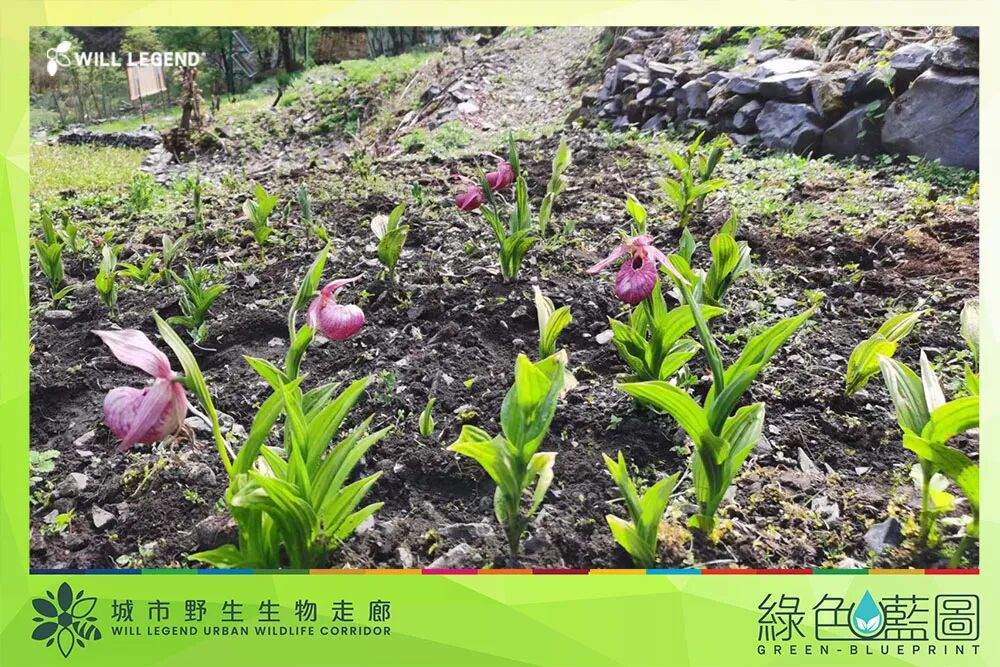
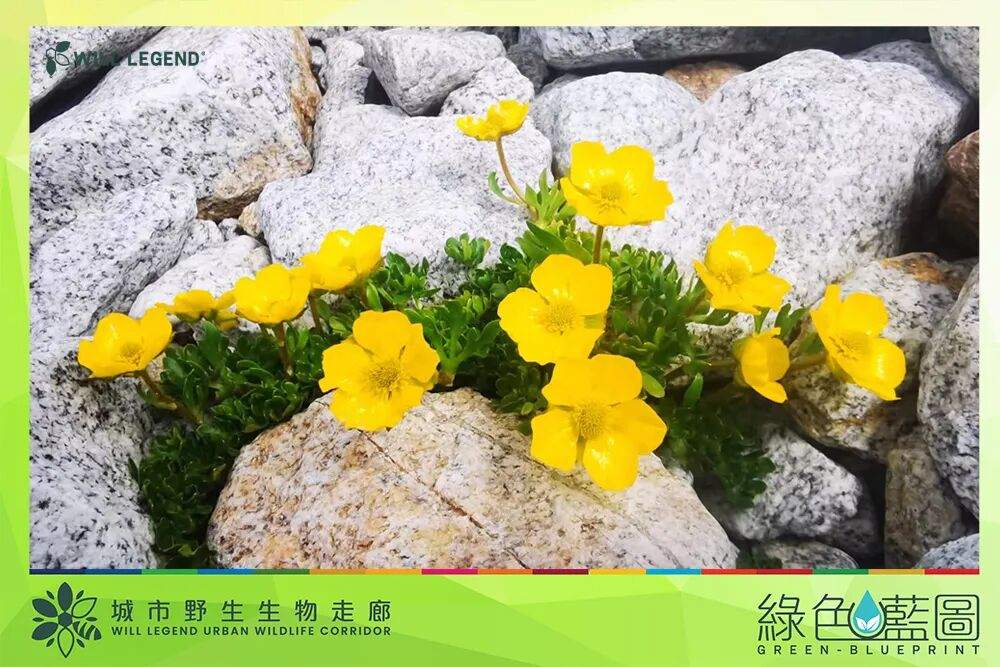
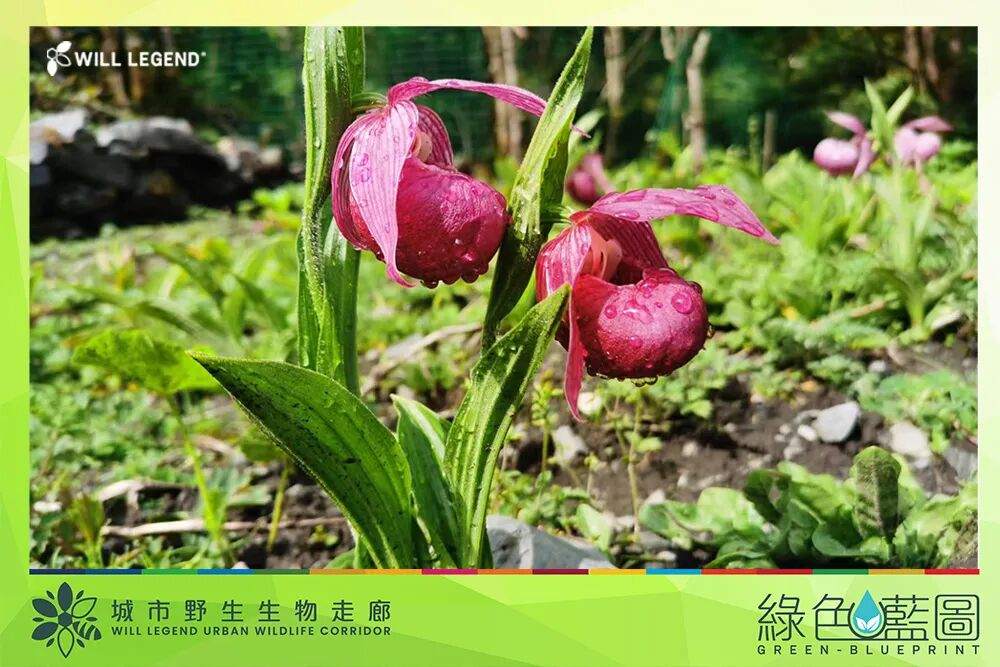
It is difficult for humans to live alone on the Earth as a single species, and sustainable social and economic growth is actually supported by biological and ecological diversity. Ecology, and economy are closely linked to each other, maintaining a balanced ecology essentially guarantees water, food and air that humans rely on to survive. With these three most important life elements for humans and living things, society and the economy can develop. Dagu Glacier Scenic Park uses alpine wildflower bases to build a “Natural Gas Station” for bees on the glaciers. Flowering plants become temporary “Rest and Power-up Stations” for bees, and other pollinating insects, and also serve as bees’ “Urban Wildlife Corridor”, shuttle between forests, between forests and grasslands, and between forests and beekeepers, to practice the peaceful coexistence of ecology and urban development.
United Nations Sustainable Development Goal 8 (SDG8)
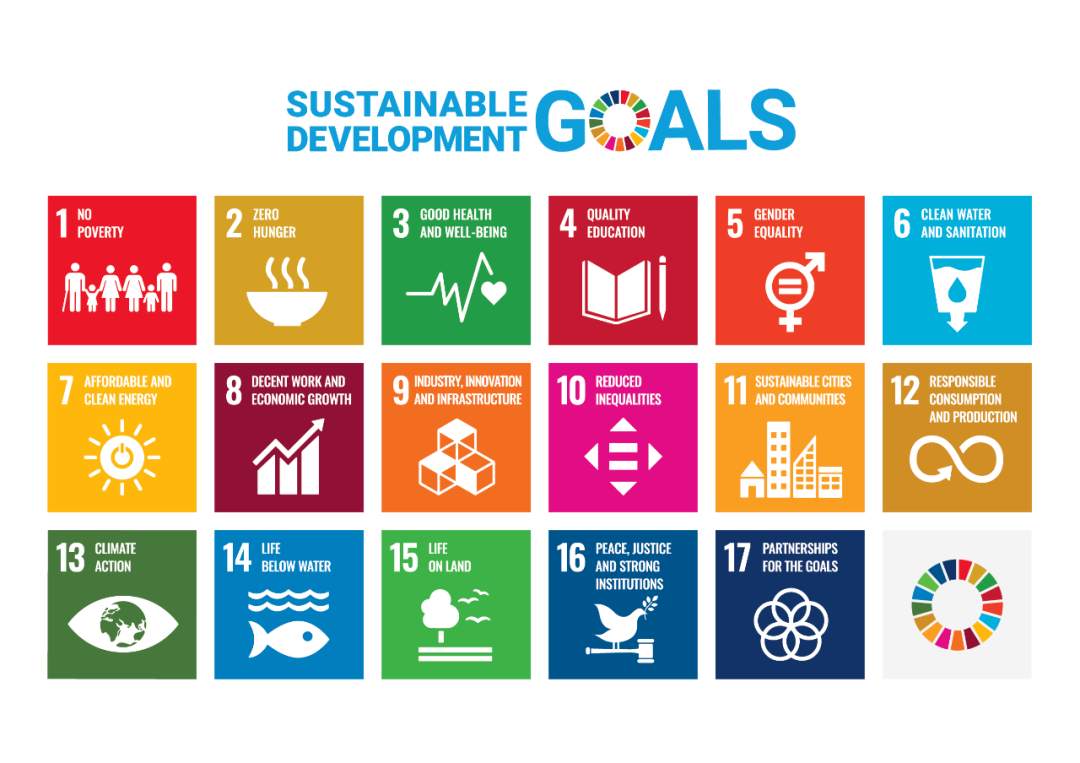
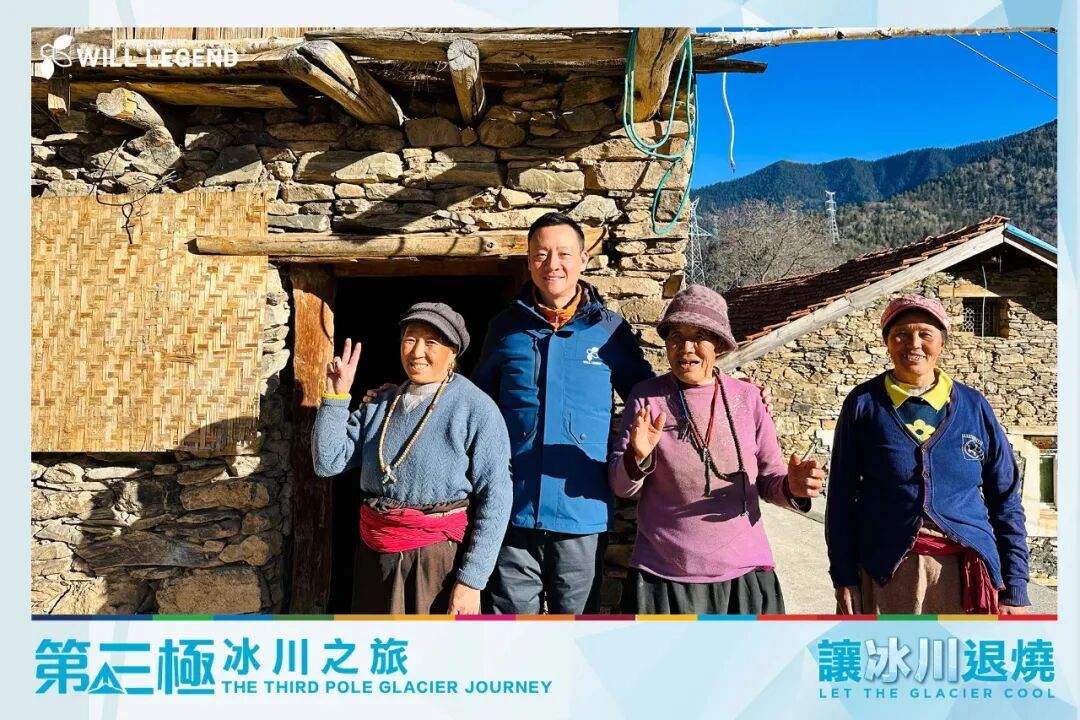
Why are rural development and UN SDG8 related? Hong Kong Will Legend implements the goals of charity, conservation, education and ethnic integration in a unique way. Leading by Hong Kong Will Legend, when our SDG and ESG Educational Tours/Research Trips arrive in the mainland, every purchase will enhance local economic growth, create job opportunities, and let local unique culture and products “go global”. In this way, even people living in mountainous areas or poor rural areas can obtain decent jobs and economic growth.
The country has vigorously promoted eco-tourism in recent years, and encouraged local people, including ethnic minorities, to improve development through green agriculture and homestays. In places where there are flowering plants on plateaus and mountainous areas, local people are encouraged to transform into beekeepers and raise bees. In addition to adapting to the geographical conditions of relying on the mountains, of course, they also want to share the economic results with particularly poor villages through green transformation. Through the visits of Will Legend Educational Tours/Research Trips, we support local people to gradually establish a green economy, practice rural revitalization, and the integration of nature and economy.
Small Bees Connecting the City and the Wild (Nature)
Land occupies about one-third of the Earth. It is the source of human life, and the cradle of human civilization. Only by taking good care of this precious pure land on the Earth can the future of human beings and nature be sustainable. Land (pure land) and clean water are essential elements for nurturing forests. Forests cover nearly 31% of the global land area, and are home to more than 80% of land animals, plants, insects and other species. With the development of cities and agriculture, the decline of forest ratio, and the increase of carbon emissions, the balance of nature has been destroyed, seriously affecting the terrestrial ecosystem, causing climate warming, increasing pollution, and the disappearance of species.
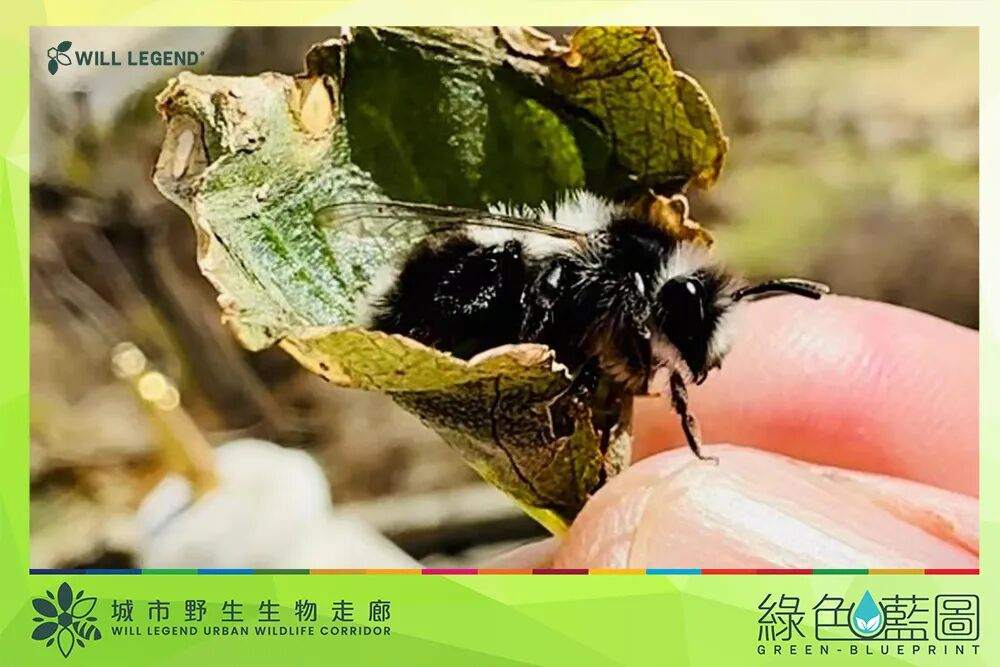
Little bees are the bridge connecting humans (city) and forests (nature), and they are also the cradle of biodiversity! Flowering plants are used to support pollinating insects such as bees, and then these industrious bees shuttle between forests, green corridors and cities, spreading the seeds of life to the pure land, promoting forest regeneration, mitigating climate warming, maintaining a livable climate, ensuring biological diversity, improving the quantity, and quality of agricultural production, and promoting the sustainable development goals of humans and nature.
Bees, Glaciers, Land and Ocean Merge into One, Weaving the Music of Nature
“Urban Wildlife Corridor” (or green corridors) refer to the planting of flowering plants in or around cities, including green belts, country parks, forest parks and nature reserves. “Urban” refers to human habitats, “Wildlife” refers to nature, especially forests, and “Corridor” refer to the habitats of living things. The bridge in the middle is the wildlife corridor that connects the natural forest with the city. The protagonist who breathes life into the bridge between humans and nature is the familiar docile and hardworking little bees.
“Tashi Willy Bee” helps increasing the forest coverage area, thereby effectively coping with climate warming, and maintaining the balance of the natural ecosystem. Pure land, glaciers and rivers cooperate to become the nannies of various creatures on land, providing activity space, habitats, water sources and food. With the help of forests, we can purify land and water so that we can produce the food that more than 8 billion people rely on for survival.
” Home for Bees, Safeguard Bees, Thank You All!”
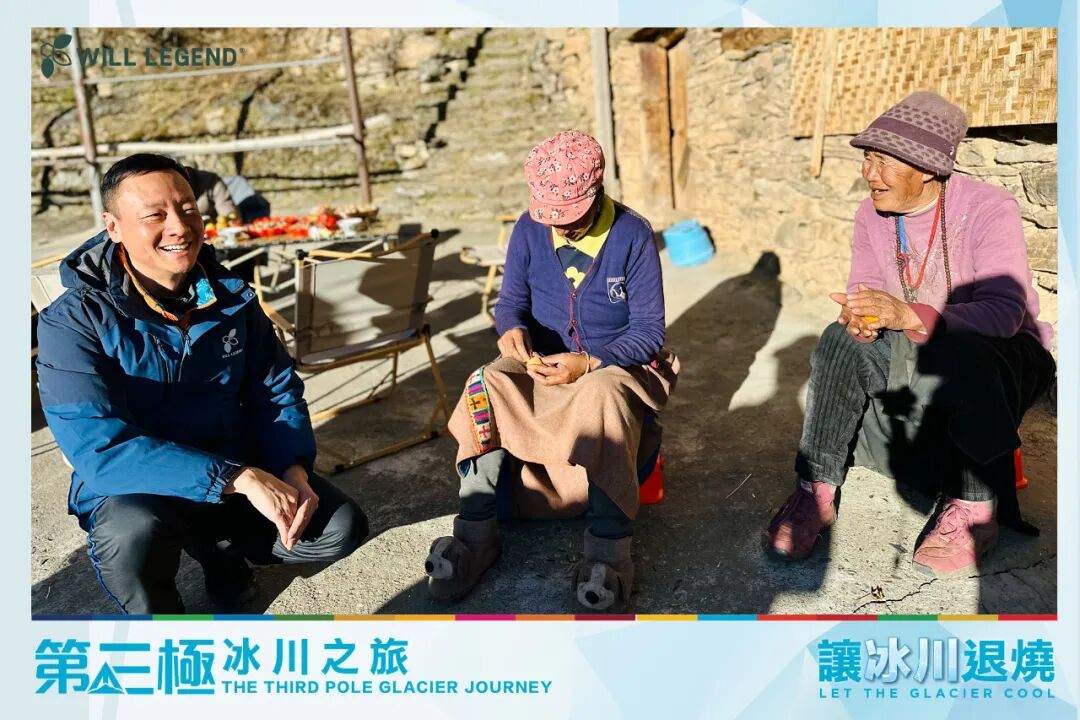
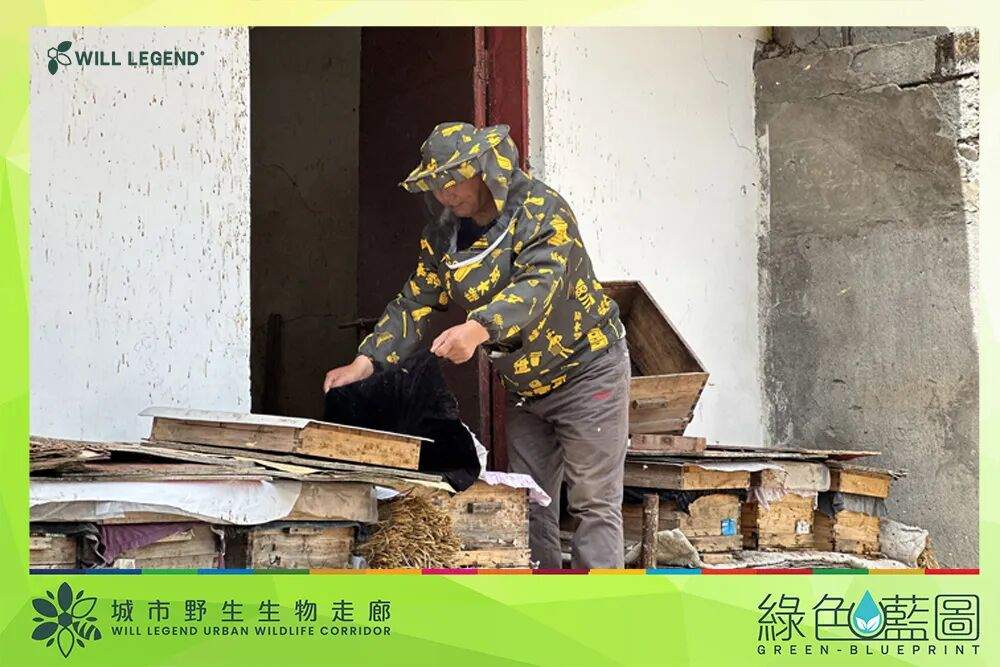
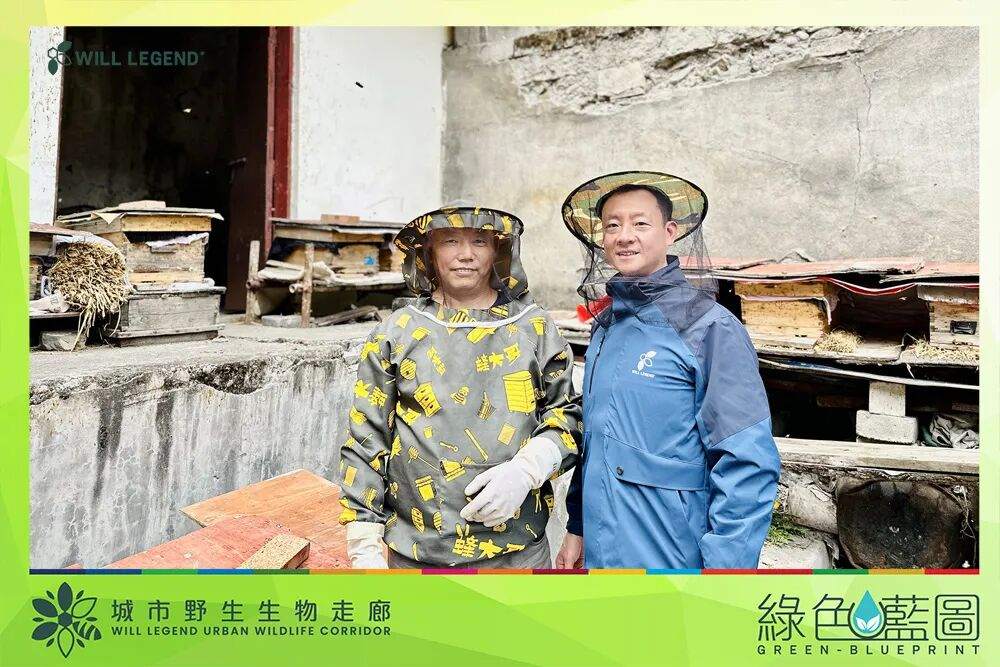
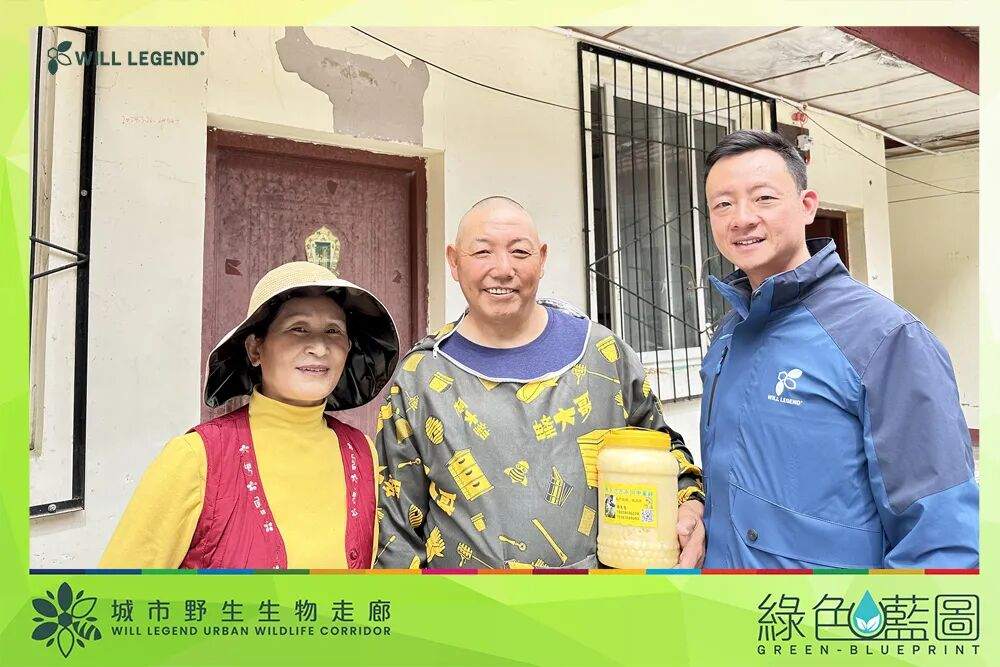
“You should put on a protective clothing first. Bees are relatively docile, and usually do not attack people. But because of the winter, I moved all the bee boxes back from the Dagu Glacier Mountain. Since there is little space for activities at home, I have to gather them together, so their tempers are “violent” than usual. We are all like this, whenever the climate conditions are suitable, and there are flowering plants, we will move the bees wherever we can! I have been keeping bees in the Dagu Glacier, I raise Asian bees. They are cold-resistant, very hard-working, and can pick good nectar. Unlike those Western bees (Apis mellifera), Asian bees are willing to pick nectar even from wildflowers with few nectar sources. Picky, so the honey collected by them will contain richer nutrients and better quality! ” Master Cai said.
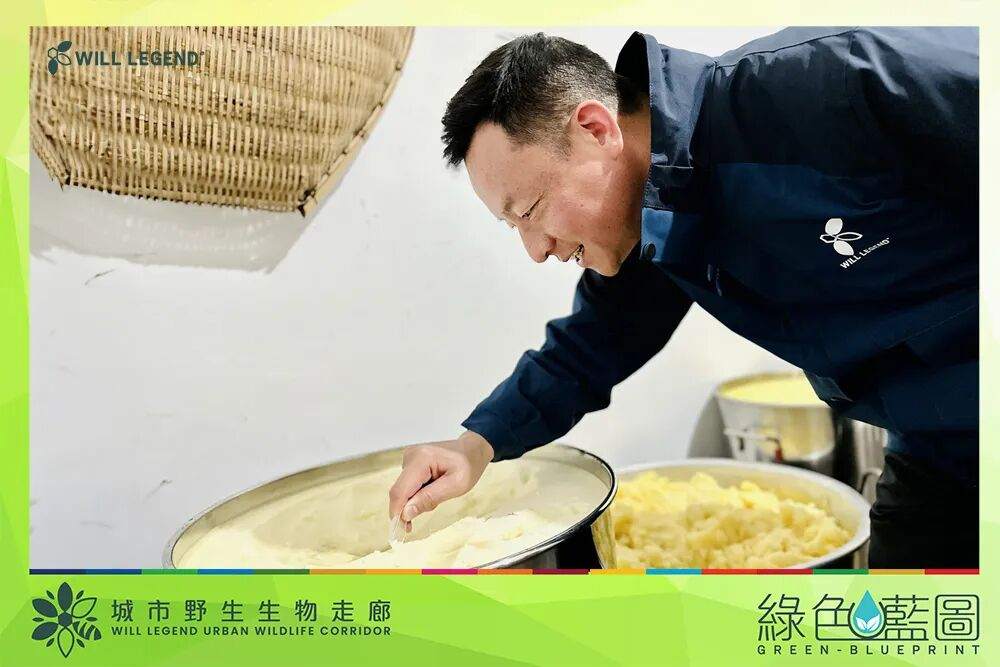
“You came all the way from Hong Kong, and you brought Hong Kong children here to study, communicate with us, and experience our lives. You also bought so much honey to take back to Hong Kong. I really hope that in the future, more people and children from Hong Kong and Macao will come to different villages to see different ethnic groups, so as to promote cultural exchanges and ethnic integration,” said Master Cai.
 “520” Master of SDG and ESG
Among the numbers that Chinese people love, I believe I do not need to explain the popularity of “520 I Love You”. Not only that, it turns out that this number also has a global level – the United Nations May 20th World Bee Day. Humanity depends on bees for survival – The Convention on Biological Diversity recognizes all aspects of the pollination crisis and its relationship with biodiversity and humans, and makes the protection of pollinators (such as small bees) a priority.
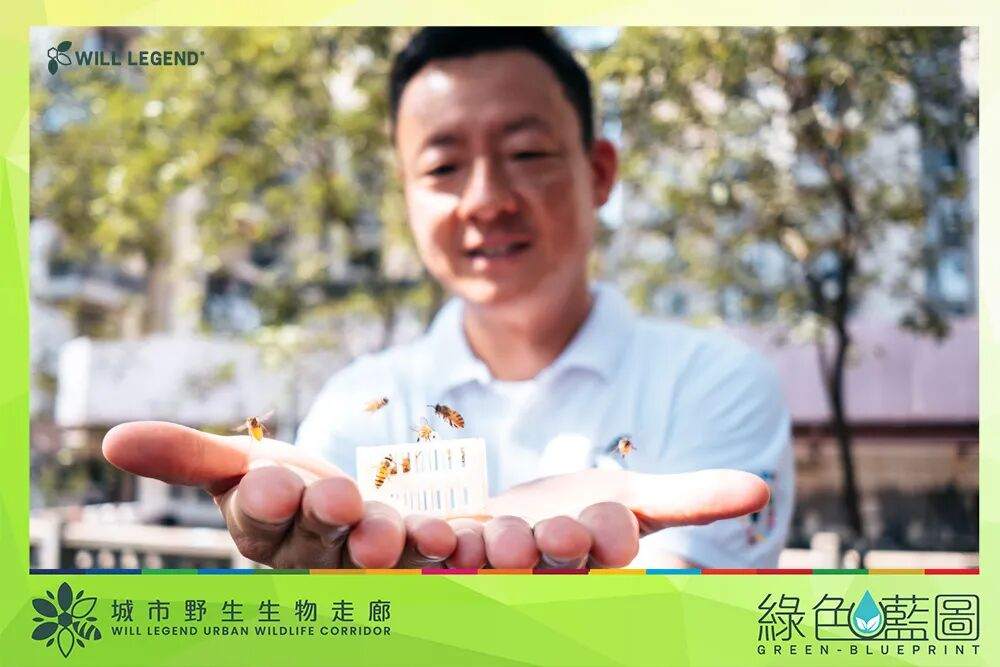
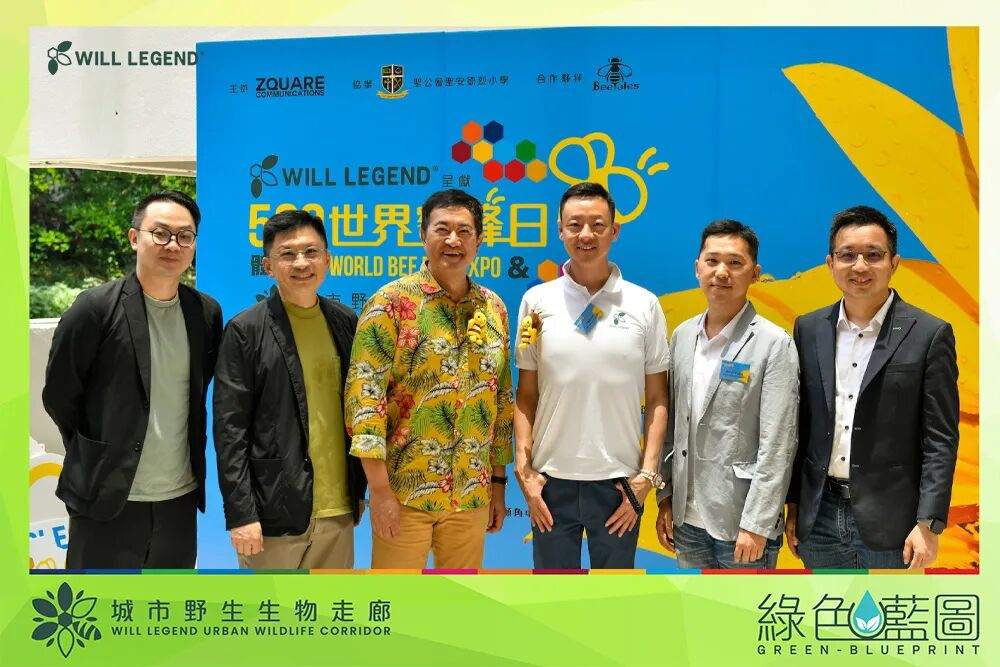
Willy Bee is the master chef of SDG and ESG – you may not think that the little bee actually covers the three major aspects of the United Nations Sustainable Development Goals (SDGs).
- (E) Economic: More than 75% of food crops
- (S) Social: Human food supply
- (E) Environmental: Nature, biodiversity
Urban and Wild Merge into One, Sounding the Melody of Nature
World Bee Day on May 20th. WL (Will Legend) represents human beings, and 520 (bees) represents nature (the Earth). “WL520” represents humans taking care of the Earth in a responsible way and coexisting peacefully with nature, practicing UN Sustainable Development Goals (SDGs).
Bees, and other pollinating insects are critical to ecosystem health and food security, they help maintain biodiversity and ensure the production of nutritious food. Pollination is a fundamental survival process in our ecosystems. Nearly 90% of the world’s wild flowering plant species rely entirely or to some extent on animal pollination, and pollination is equally important for more than 75% of the world’s food crops, and 35% of agricultural land.
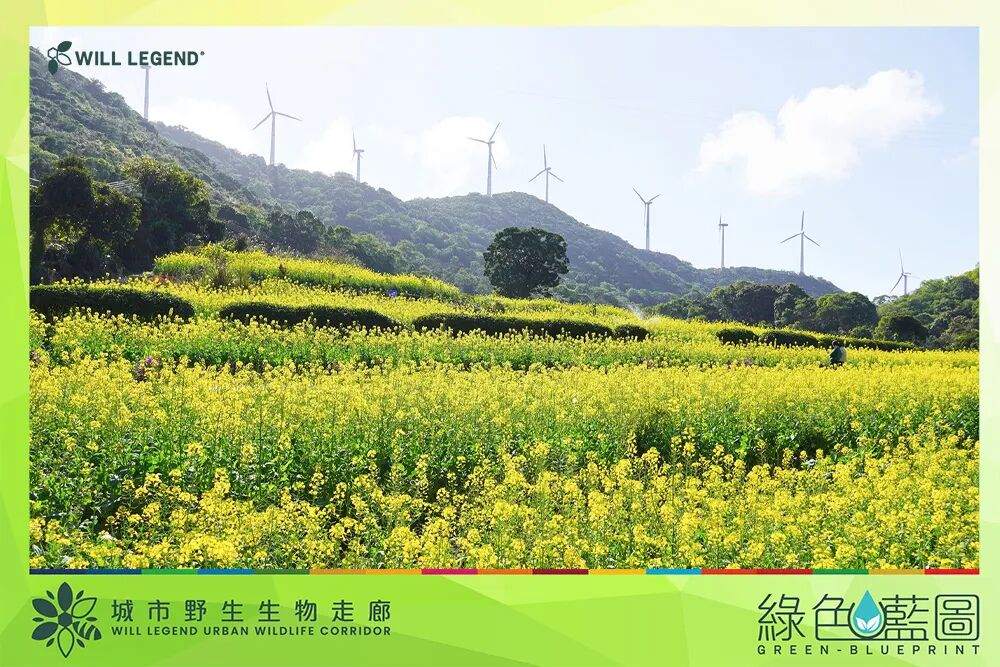
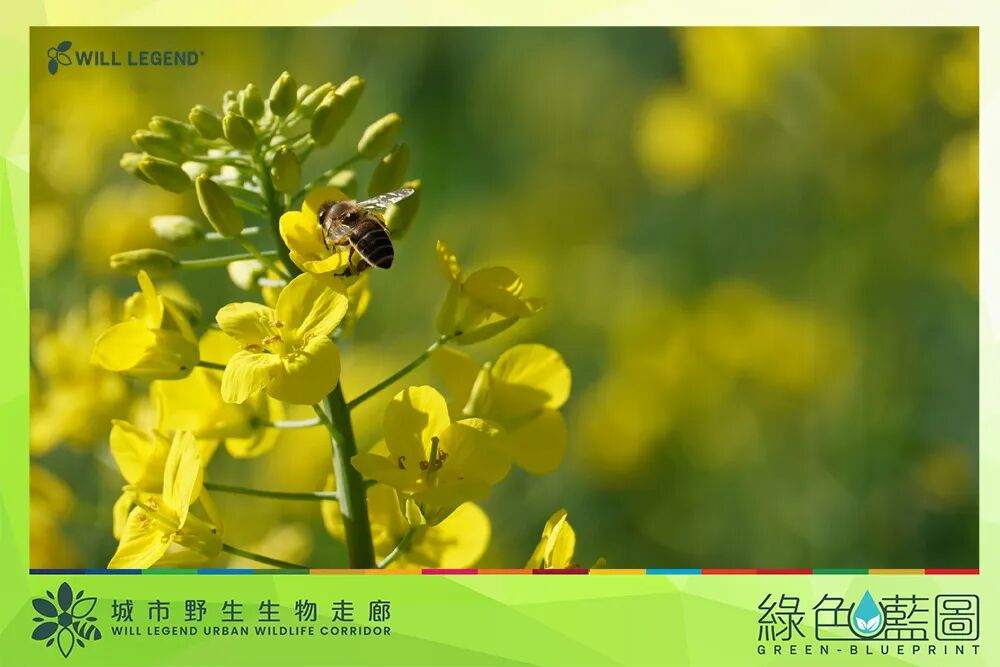
UN SDG8 Decent Work and Economic Growth Will Legend advocates raising bees, and beekeeping to a higher level
- Connecting bees and beekeeping to green agriculture, ecological construction and biodiversity
- Corporates support beekeeping in poor rural areas, subsidize them with glass bottles to replace plastic bottles, redesign labels and packaging to enhance the image and product efficiency
- Corporates and the government support “Willy Bee, and Flowery Matching Plan” as natural pollination service to green areas and parks in the city or even organic farms.
Will Legend “Green-blueprint Initiative” – 《Let the Glacier Cool》,《Urban Wildlife Corridor》and《Let the Ocean Breathe》and
The story begins with the Earth in 2050. At that time, the climate was severely warming, all glaciers had melted, and fresh water resources were almost impossible to find; ocean phytoplankton was extinct, and the Earth was filled with greenhouse gas carbon dioxide, making it no longer possible to breathe clean air; there were no forests on the land, and it was too polluted to grow food crops, living things are almost extinct. Tashi Willy Bee sincerely prayed to the sky to bless humans and nature. Finally, with the help of the power of nature, he returned to the Earth in 2020 through time and space, and then embarked on a journey to find the last piece of pure land on the Earth with Dele Flowery. By planting the seeds of life, and rewriting the “Green-blueprint” of humans and nature, and hope to reverse the fate of the Earth.
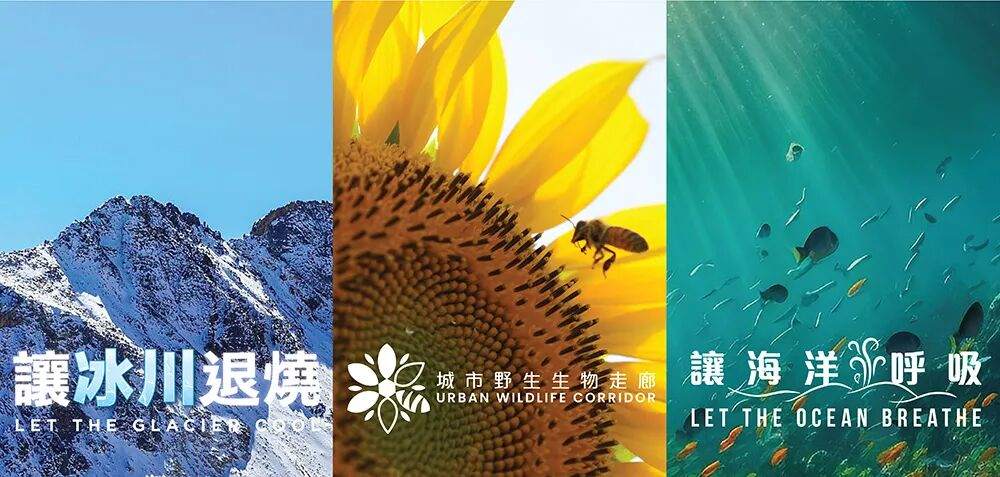
Hong Kong Will Legend uses Glaciers, Land and Ocean programmes to outline a “Green-blueprint” for humans and nature. Glaciers conserve clean freshwater resources, and the water nourishes the land with rich nutrients. The water then follows rivers, and flows into the ocean; “Let the Ocean Breathe.” The ocean exhales oxygen, and absorbs the greenhouse gas carbon dioxide; “Let the Glacier Cool”, glaciers maintaining a balance between accumulation, and ablation stabilizes the Earth’s temperature, achieves sustainable water resources, and fosters biodiversity and food crops in “Urban Wildlife Corridors.” This recurring force of nature ultimately allows the health, peace and prosperity of humans and nature to develop sustainably.
Hong Kong Will Legend supports the United Nations’ Paris Agreement, Water Action Agenda, Convention on Biological Diversity, World Glacier Day on March 21, World Bee Day on May 20, and World Oceans Day on June 8.
“Corporate ESG”, and “SDG8 & Reduce 96.7%™ Low Carbon Products” form Sustainable Development (Sustainability)
Whether it is “SDG8 Products or Reduce 96.7%™ Low Carbon Products”, they are both very good examples that can be included in the “Community Giving-back Programme” to support the community. It is no longer in the form of a slogan, nor it is done for the sake of doing it. It is truly a giving back work to society and environment. Corporates (organizations) can choose to support Hong Kong Will Legend “Community Giving-back SDG8 & Reduce 96.7%™ Low Carbon Products”, sponsoring schools with insufficient resources, low-income students, other people in need and social welfare organizations (charities), etc. to practice climate action sustainable development goal.
原文來源: 微信公眾號原文