


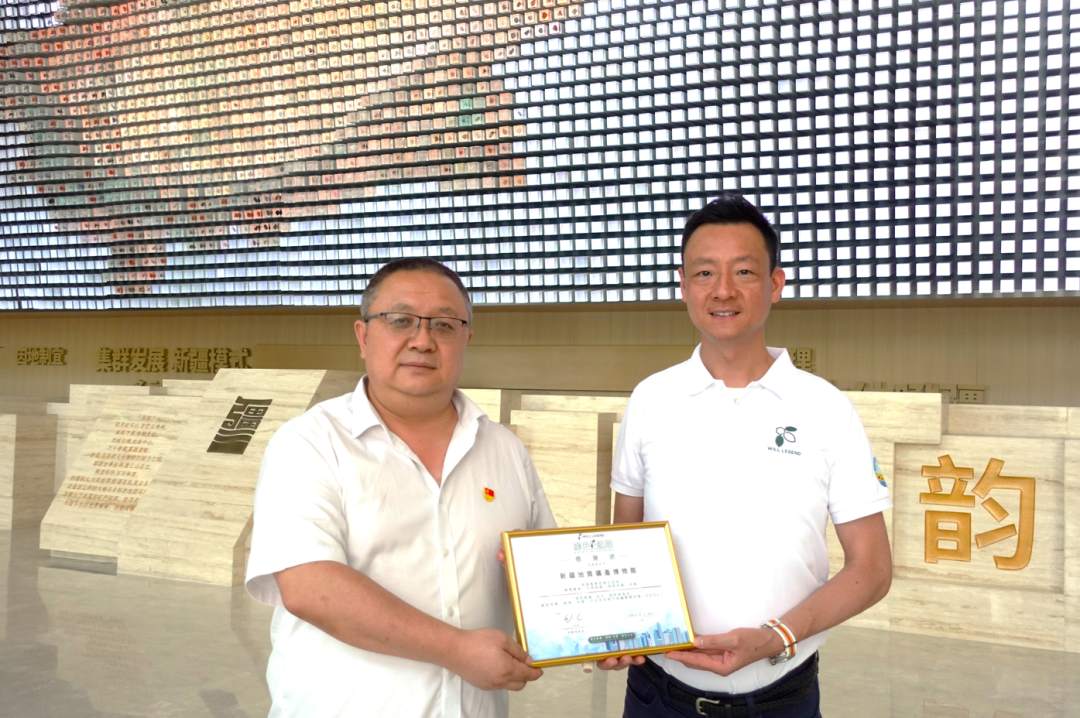
33 tons Armanty meteorite fell in Xinjiang, Will Legend achieved a first in Hong Kong. Starting last year, Will Legend led S.T.F.A. Lee Kam Primary School to visit the Xinjiang Geological and Mineral Museum, practicing conservation, education, science outreach, and cultural exchange.
Different languages, but the same hope.
“Gifted Xinjiang, Mineral Charm”: You come from Hong Kong.
“Symphony Hong Kong, Beautiful Xinjiang”: I come from afar.
Integration of Two-places.
In 2025, the first trip of “Let the Glacier Cool – Xinjiang Tianshan No. 1 Glacier Journey” visited the Xinjiang Geological and Mineral Museum and carried out experiential learning activities on geological science smoothly under the guidance of the tour guide. The museum has an exhibition area of 6,000 square meters and houses more than 12,000 specimens of minerals, rocks, ores, and animal and plant fossils, including more than 100 first-class specimens. This experiential education trip opened a wonderful window for Hong Kong students to explore Earth science and Xinjiang’s unique natural resources.
On July 4th this year, teachers and students from Lee Kam Primary School visited this national science education base again, practicing conservation, education, science outreach, and cultural exchange. Around 20 students went to the Urumqi Economic and Technological Development Zone (Toutunhe District) to embark on an Academic Study Tour of the Xinjiang Geological and Mineral Museum. “In the future, the Economic Development Zone (Tou District) will continue to increase investment in experiential education trips. On the one hand, it will improve the facilities and services of the existing study bases and enrich the course content; on the other hand, it will tap into new cultural and tourism resources, create more distinctive study sites, and promote the high-quality development of the cultural and tourism study industry.” – Wu Qiang, Deputy Director of the Culture, Sports and Tourism Bureau of Urumqi Economic and Technological Development Zone (Touhunhe District, Urumqi City) “We hope that both sides will take this cooperation as a new starting point and work together to deepen the pragmatic cooperation between Hong Kong and Xinjiang in the fields of geological science, culture and education.” – Xinjiang Geology and Mineral Resources Museum
“Green-blueprint” Promotes Sustainable Development of Humans and Nature
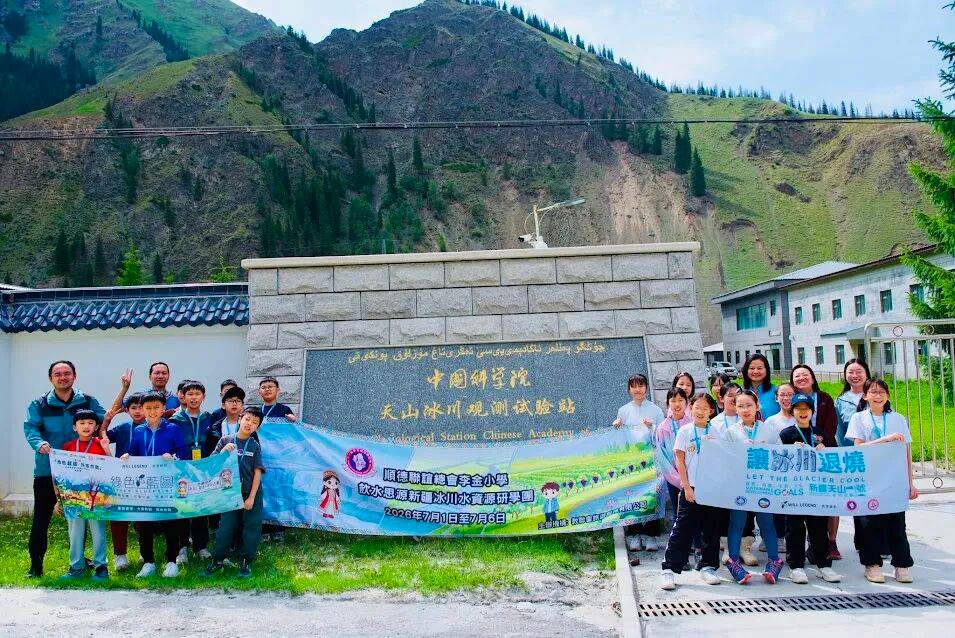
This six-day academic study tour to Lee Kam Primary School, themed “Green-blueprint – Let the Glacier Cool”, was organized by Will legend. As a green philanthropic enterprise, Will Legend actively practices the concept of “Symphony Hong Kong, Beautiful Xinjiang, Integration of Two Places”, promoting the integrated development of humans, society, economy, and nature. In the future, Will Legend will actively promote academic study tours from Hong Kong schools and corporate/charitable organization delegations to its partners in Xinjiang, advancing green development in both places, sharing economic achievements with the people of Xinjiang, promoting rural revitalization, and achieving sustainable development for both people and nature.
The Nation’s First “Green-blueprint – Ethnic Integration” Initiative
Will Legend established the nation’s first “Green-blueprint – Ethnic Integration” initiative, reaching out to communities and living areas of different ethnic groups, starting with Environmental Protection, and simultaneously practicing Social Philanthropy. The HK very first students practicing “science outreach and exchange” at the Tianshan Grand Canyon and with Kazakh herders and forging a strong sense of community for Chinese Nation. Here, students gained a deeper understanding of the importance of “Let the Glacier Cool – protecting glaciers and water sources” for humans, society, the economy, and nature. Forests, lakes, rivers, wildlife, and even the green economy derived from this natural landscape, including ecotourism, all achieve sustainable development because of the “Integration of Glacier, Land, and Ocean”.
Pooling Global Strength for Lasting Contributions
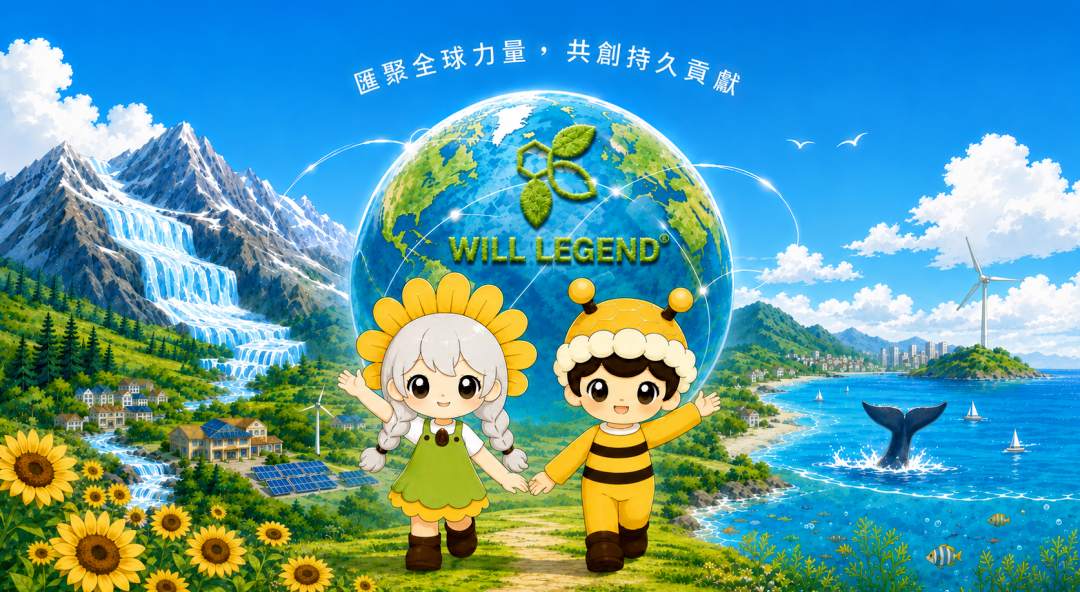
Willy Bee and Flowery visit communities and schools, promoting the “Glacier, Land, and Ocean Journey”. They guide the public to begin by protecting glaciers, embarking on a glacier journey, and then extending that protection to land and oceans, thus safeguarding the Earth’s health holistically. Along the way, they joine hands with the public to practice social philanthropy, connecting people from both places to achieve ethnic integration. They educate the public, especially young people, that green development and a low-carbon, non-toxic lifestyle are the cornerstones for achieving a balanced coexistence between humans, society, the economy, and nature. They believe that this will be the best form of geoengineering, mitigating global warming and climate change, and bringing a peaceful, healthy, and prosperous future.
Science Outreach: Xinjiang Geological and Mineral Museum & “Let the Glacier Cool” 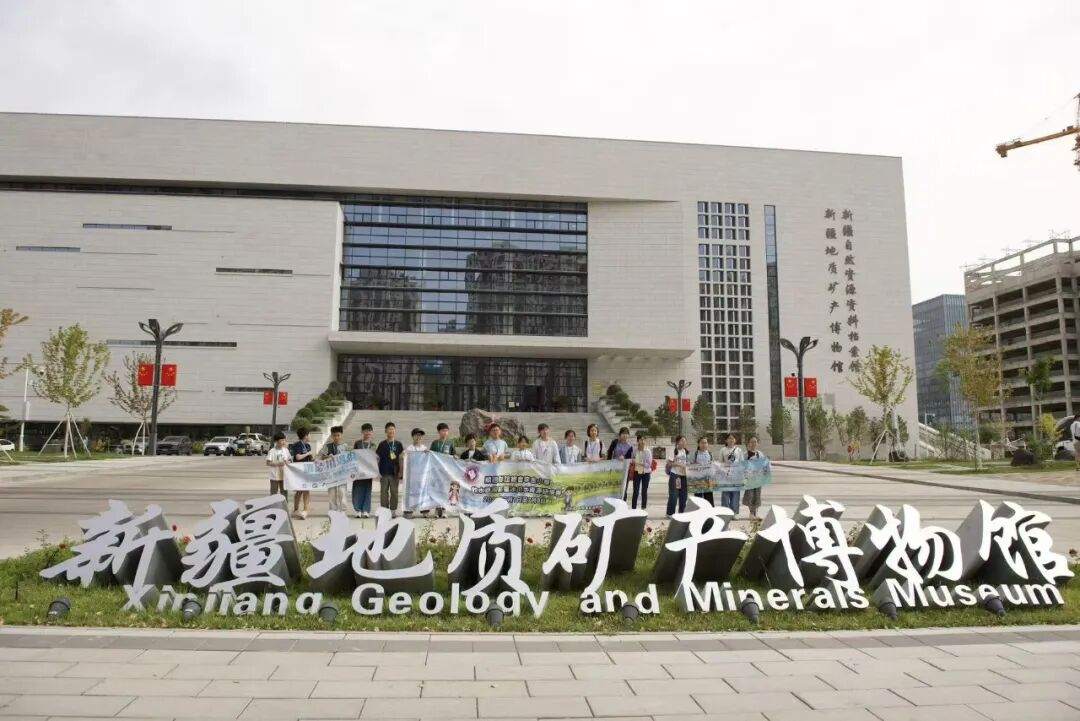
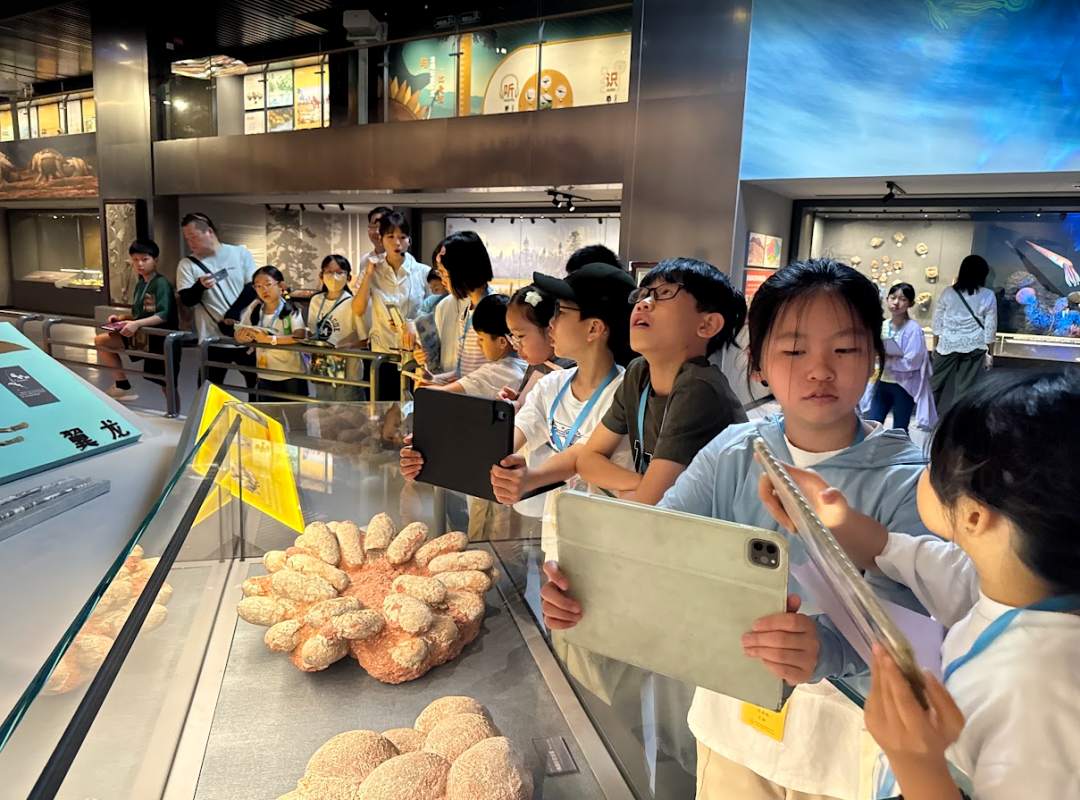
Will Legend fully integrates the core philosophy of the “Green-blueprint”, the harmonious coexistence between humans and nature, into the mission of “Integration of Two Places” – that is, ethnic integration. This connects different sectors and people in both places, implementing conservation, education, science outreach, cultural exchange, and sustainable development goals. “Let the Glacier Cool – Xinjiang Tianshan Glacier No. 1 Journey” is one of the everyday measures to address climate change under the first national joint action for glacier protection, and is not a tourism product. The entire trip can fully help enterprises, organizations/institutions, and schools demonstrate their efforts and contributions to protecting glaciers and water, “When drinking water, remember its source. Same roots, same heart”, and promoting the SDG. Xinjiang is in the core of the Central Asian Orogenic Belt, spanning the two major metallogenic domains of Paleo-Asian and Tethys. Its mineral resources are widely distributed in the “three mountains and two basins” earning it the reputation of “every mountain has gold, copper, and iron, and every basin is a treasure trove”. Beneath the vast land of Xinjiang lies a natural treasure trove, sculpted by millions of years of geological evolution. The development of mining, geological research, and the contributions of resources to economic and social development are like a magnificent and powerful symphony.
A Balanced Coexistence of Humans, Society, Economy, and Nature
Nature has bestowed upon Xinjiang a wealth of treasures, including glaciers, snow-capped mountains, and abundant minerals, which have shaped Xinjiang’s unique characteristics in green energy, green economy, lifestyle, and culture.
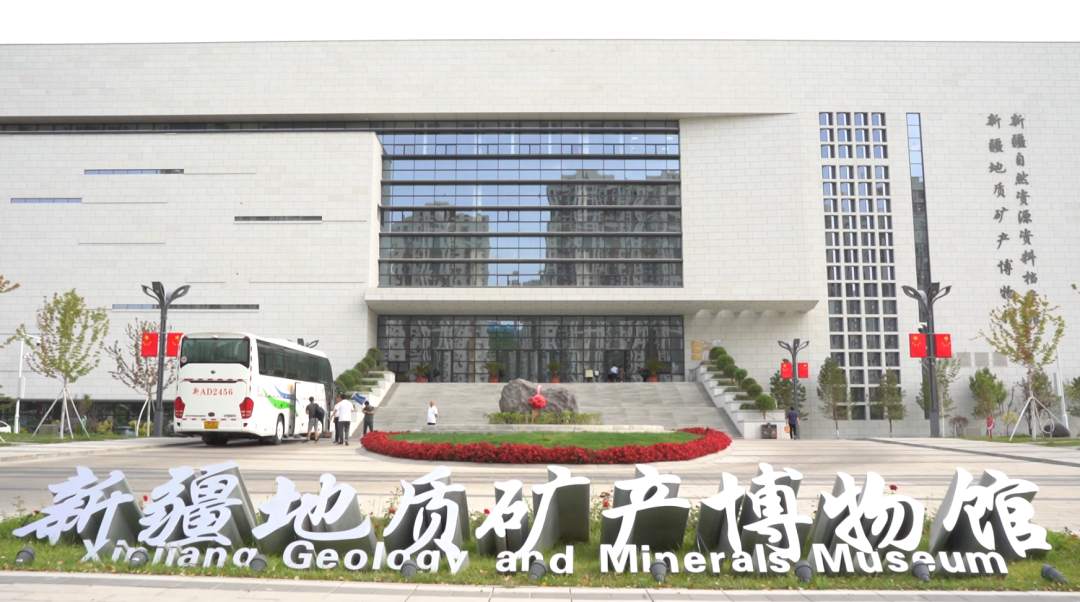
The new Xinjiang Geological and Mineral Museum
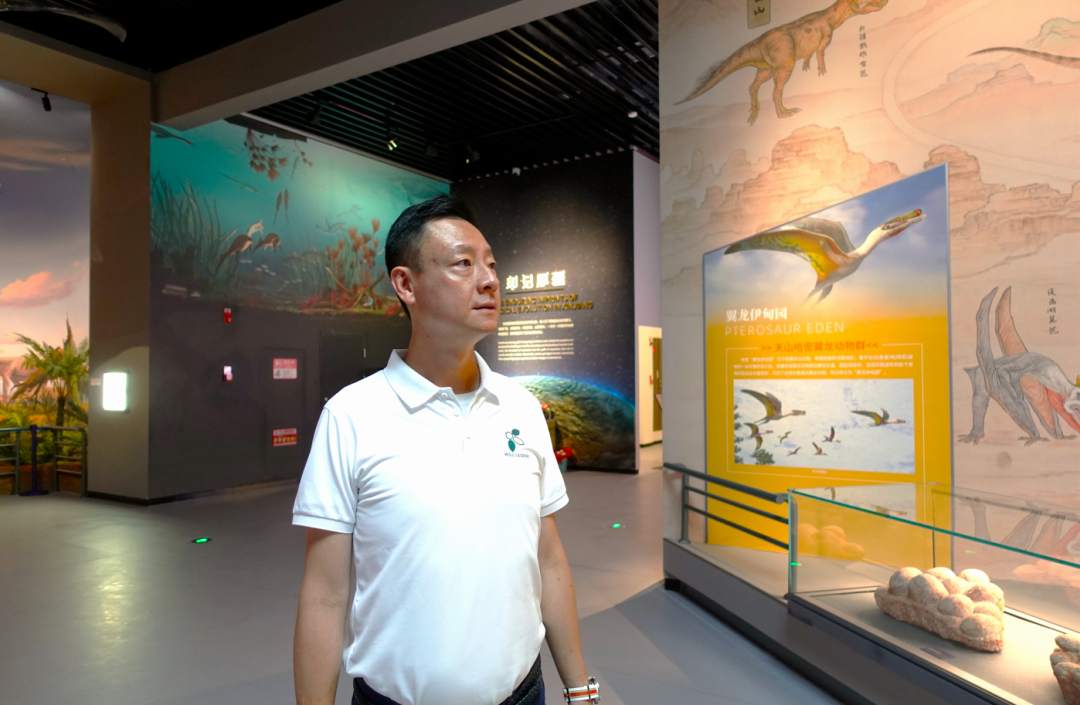
It has a building area of nearly 7,300 square meters and an exhibition area of 6,000 square meters. It officially opened in September 2025. As a national natural resources’ science outreach base and a national science education base, the Xinjiang Geological and Mineral Museum is not only an important window for Xinjiang’s external exchanges but also a crucial venue for popularizing geological knowledge and promoting science and technology education. The museum’s permanent exhibition is themed “Xinjiang’s Gifted Mineral Resources and Splendid Chapters” and the exhibition halls are divided into eight thematic exhibition halls: “The Origin of Xinjiang” ,”The Evolution of Xinjiang”, “The Imprint of Xinjiang”, “The Creation of Xinjiang”, “The Mining Power of Xinjiang”, “A Three-Dimensional View of Xinjiang”, “Brilliant Treasures” and “The Soul of Geology”.
Aletai meteorite (previously also known as the Armanty meteorite or Xinjiang meteorite)
Armanty is an Iron IIIE meteorite which was discovered in 1898. In 1965, it was transported to the city of Urumqi and is now located in front of the entrance to the local museum. In the international meteorite community and among collectors, it has now been officially incorporated and named the “Aletai Iron Meteorite”. Armanty is the largest main fragment (main body) found in this massive meteorite shower.
Science Outreach: Tianshan Grand Canyon, Kazakh Herders and “Let the Glacier Cool”
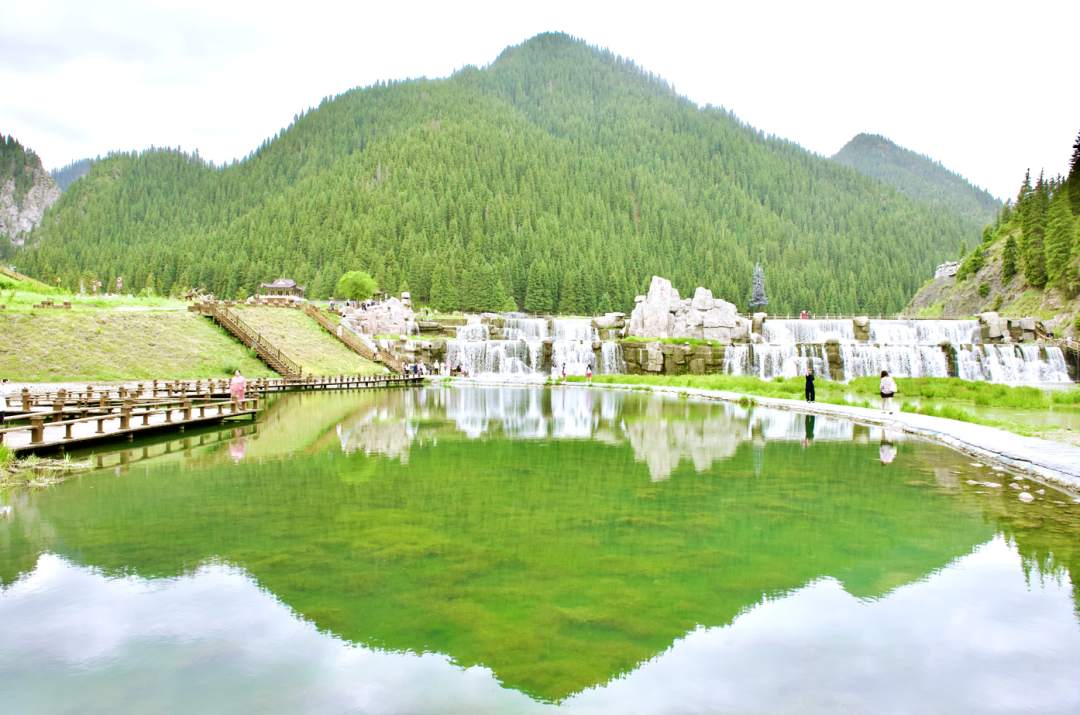
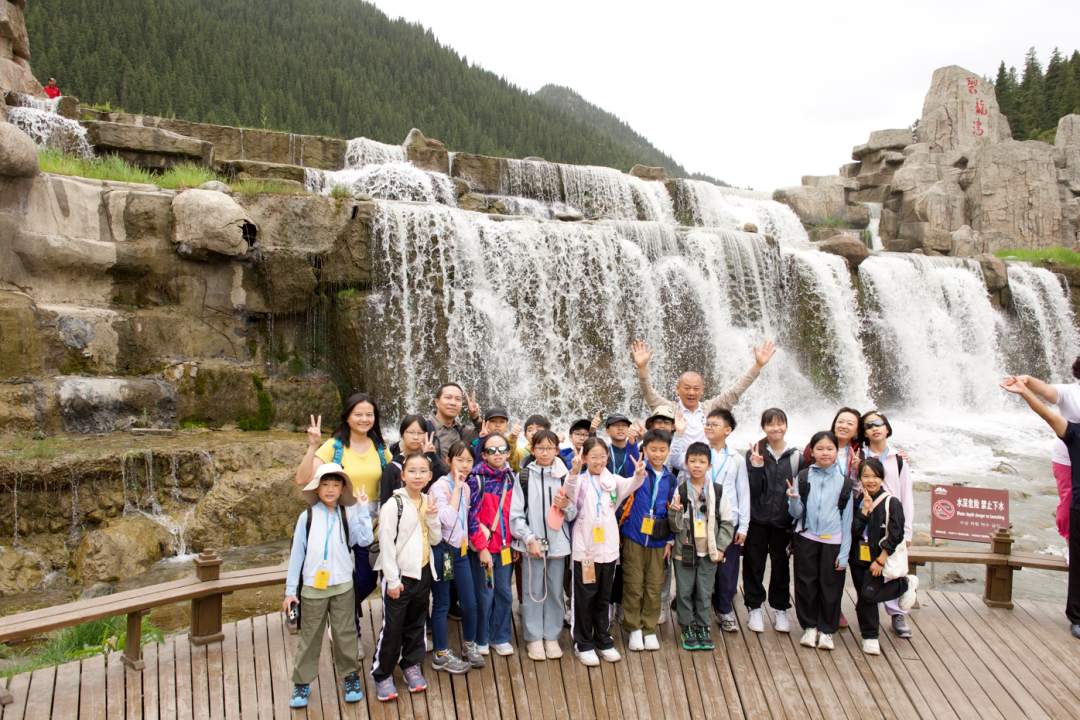
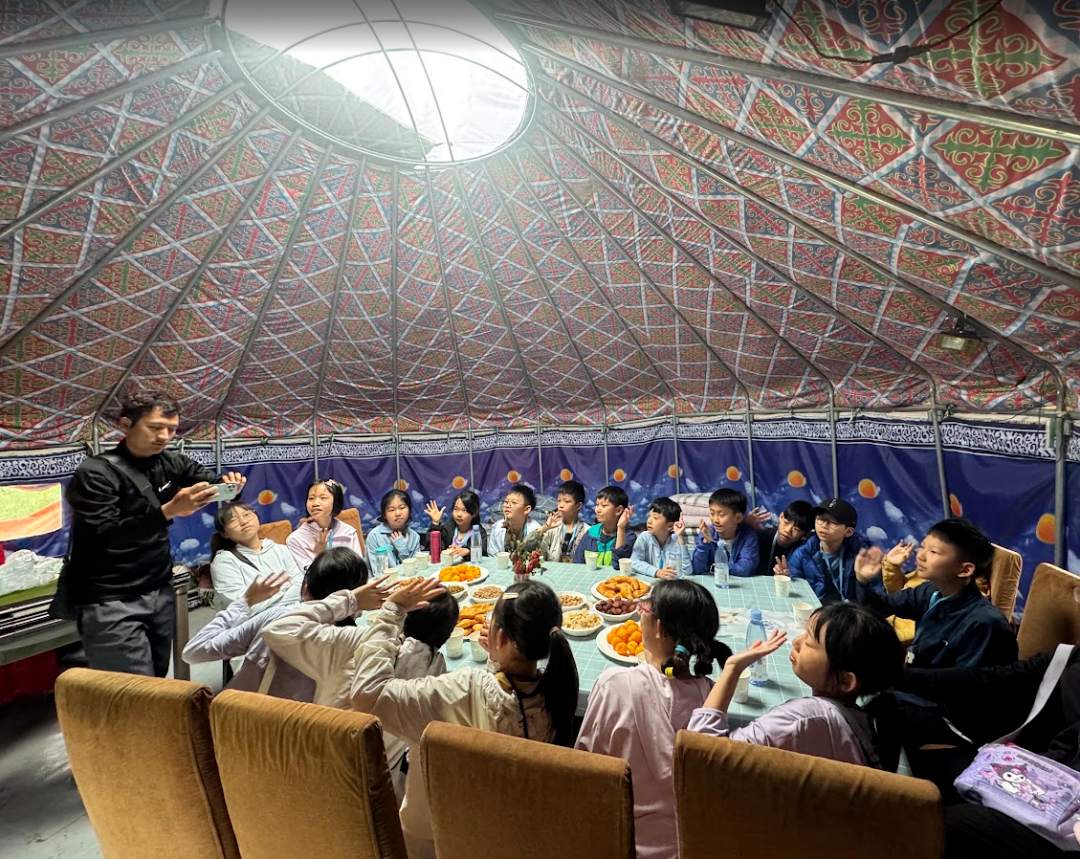
This national forest park has an average annual temperature of only 4-6℃. The surface water of the Tianshan Grand Canyon primarily originates from glaciers and permanent snow cover formed by atmospheric precipitation in the Tianshan Mountains. The main river within the Tianshan Grand Canyon is the Urumqi River. As the altitude increases, the scenic area is divided into three loops, encompassing eight unique attractions: the Tianshan Dam Leisure Area, the Zhaobishan Resort and Recreation Area, the Niuyahu Forest and Pine Forest Scenic Area, the Jiasidaban Scenic Area, the Swan Lake Natural Scenic Area, the Kazakh Ethnic Culture Park, the Alpine Grassland Ecological Area, and the Snow Mountain and Glacier Scenic Area. The Grand Canyon scenic area is mainly inhabited by six ethnic groups. The most prominent are the Kazakh herders, many of whom maintain traditional Kazakh lifestyles, customs, and pastures. Akyu (white yurts – dome-shaped, detachable tents covered with white wool felt and easily moved seasonally) are scattered across the grasslands, valleys, and lakesides, where the melodious sound of the dombra (the most representative plucked instrument of the Kazakh people) can often be heard. 100 sheep, 30 cows, and 10 horses! At noon, the students were invited to the home of Nurpai Kakm, a kind Kazakh herdsman, to enjoy a special ethnic lunch, including fragrant milk tea, crispy baursak, smooth ghee, and sweet and sour milk curds (Xinjiang cheese), along with tender hand-pulled meat, fragrant rice, local roasted meat, and a horseback riding experience. On July 5th, at midday when the city was at its hottest, as teachers and students entered the Grand Canyon at an average altitude of 2,020 meters, the hustle and bustle of the city gradually faded away. Here, students gained a deeper understanding of the importance of water to life on Earth. The forests, lakes, rivers, wildlife, and even the ecotourism that has developed based on this natural scenery, all owe their sustainable growth and development to glaciers. “I see! By protecting the glaciers, we protect the land; by protecting the land, we protect the oceans; by protecting the oceans, we protect the glaciers. Nature and humans are closely linked, influencing and relying on each other.” Flowery said
The “Green-blueprint” advocates the philosophy of “Integration of Glacier, Land, Ocean” to take action to address the climate crisis, poverty, and health, fostering the harmonious coexistence between humans and nature.
原文來源: 微信公眾號原文