


2025 World Oceans Day: Wonder, Sustaining What Sustains Us
“Let the Ocean Breathe”: Every Second Breath of Oxygen We Take Comes from the Ocean
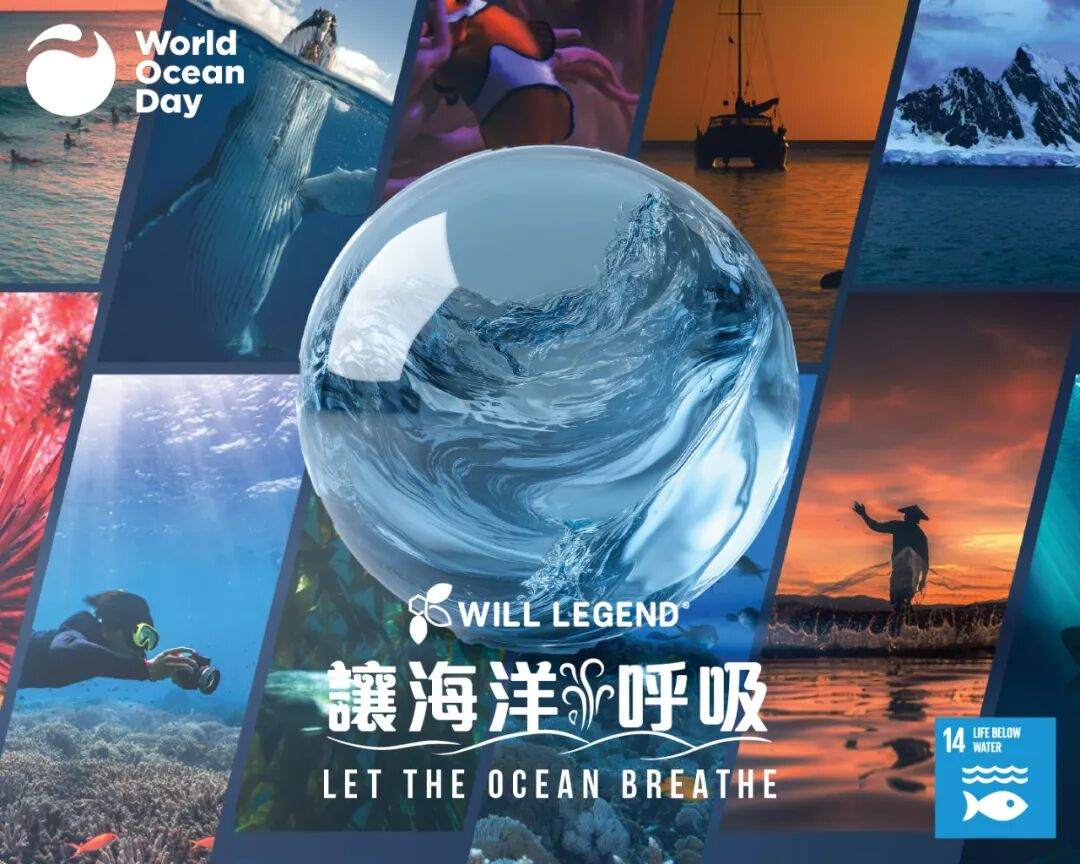
“The ocean is fundamental to life on our planet and to our future. The ocean is an important source of the planet’s biodiversity and plays a vital role in the climate system and water cycle. The ocean provides a range of ecosystem services, supplies us with oxygen to breathe, contributes to food security, nutrition and decent jobs and livelihoods, acts as a sink and reservoir of greenhouse gases and protects biodiversity, provides a means for maritime transportation, including for global trade, forms an important part of our natural and cultural heritage and plays an essential role in sustainable development, a sustainable ocean-based economy and poverty eradication.” – political declaration of the 2022 united nations ocean conference
Wonder, Sustaining What Sustains Us
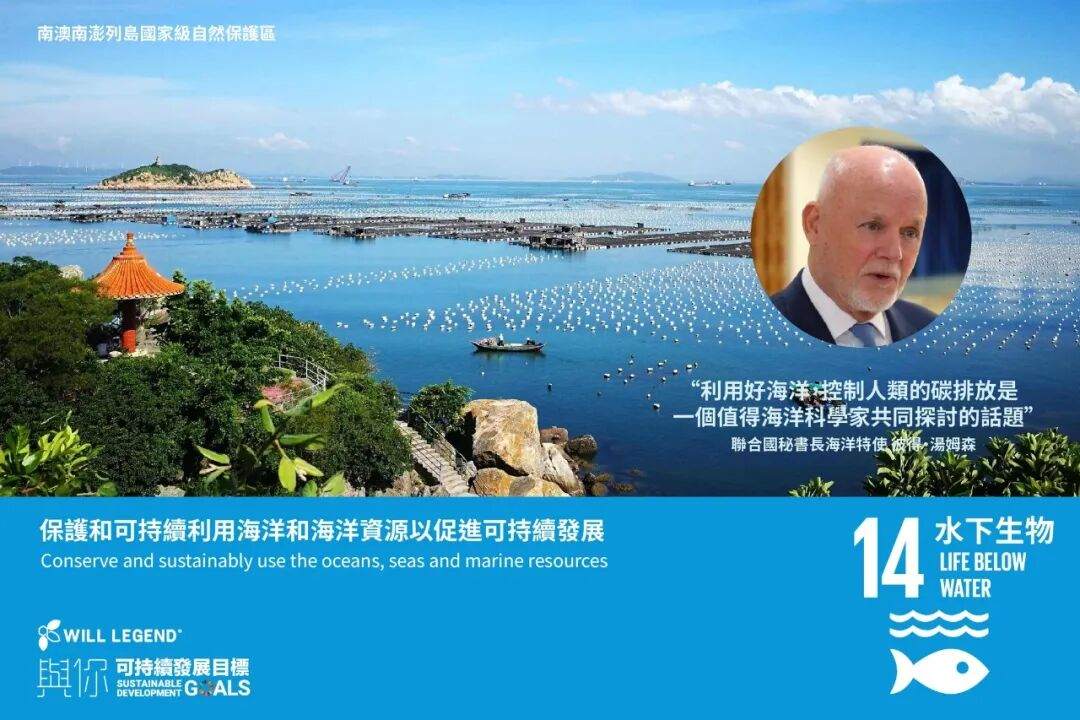
The ocean covers over 70% of the planet. It is our life source, supporting humanity’s sustenance and that of every other organism on earth. The ocean produces at least 50% of the planet’s oxygen, it is home to most of earth’s biodiversity, and is the main source of protein for more than a billion people around the world. Not to mention, the ocean is key to our economy with an estimated 40 million people being employed by ocean-based industries by 2030. With 90% of big fish populations depleted, and 50% of coral reefs destroyed, we are taking more from the ocean than can be replenished. We need to work together to create a new balance with the ocean that no longer depletes its bounty but instead restores its vibrancy and brings it new life. “Wonder: Sustaining what sustains us” is the theme for World Oceans Day 2025, a year marked by the UN Decade of Ocean Science and the celebration of the World Ocean Conference. With this new vision, the day celebrates the wonder that the ocean inspires in us: its beauty, its mystery, and its vital role in our lives and on the planet. This day reminds us of our deep connection with the sea and calls for its protection through decisions guided by curiosity, wisdom, and a commitment to collective well-being.
2025 UN Ocean Conference Held in Nice, France
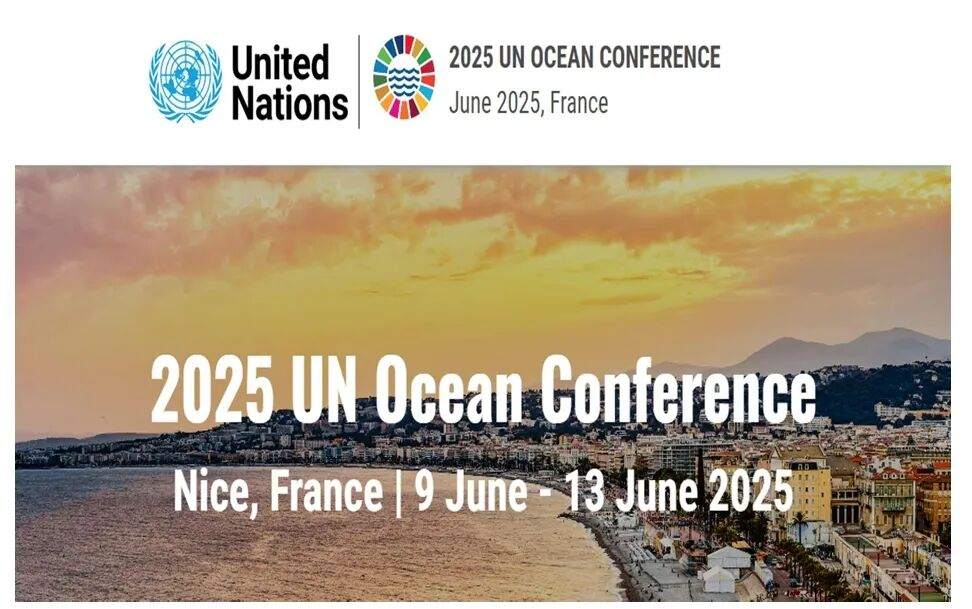
The high-level 2025 United Nations Conference to Support the Implementation of Sustainable Development Goal 14: Conserve and sustainably use the oceans, seas and marine resources for sustainable development (the 2025 UN Ocean Conference) will be co-hosted by France and Costa Rica and held in Nice, France, from 9 – 13 June 2025. The overarching theme of the Conference is “Accelerating action and mobilizing all actors to conserve and sustainably use the ocean”. The Conference aims to support further and urgent action to conserve and sustainably use the oceans, seas and marine resources for sustainable development and identify further ways and means to support the implementation of SDG 14. It will build on existing instruments to form successful partnerships towards the swift conclusion and effective implementation of ongoing processes that contribute to the conservation and sustainable use of the ocean. The Conference will involve all relevant stakeholders, bringing together Governments, the United Nations system, intergovernmental organizations, international financial institutions, other interested international bodies, non-governmental organizations, civil society organizations, academic institutions, the scientific community, the private sector, philanthropic organizations, Indigenous Peoples and local communities and other actors to assess challenges and opportunities relating to, as well as actions taken towards, the implementation of Goal 14. The Conference will build on the previous UN Ocean Conferences, hosted by Sweden and Fiji in 2017 in New York and by Portugal and Kenya in 2022 in Lisbon.
Will Legend SDG14 “Let the Ocean Breathe” Mitigates Climate Crisis
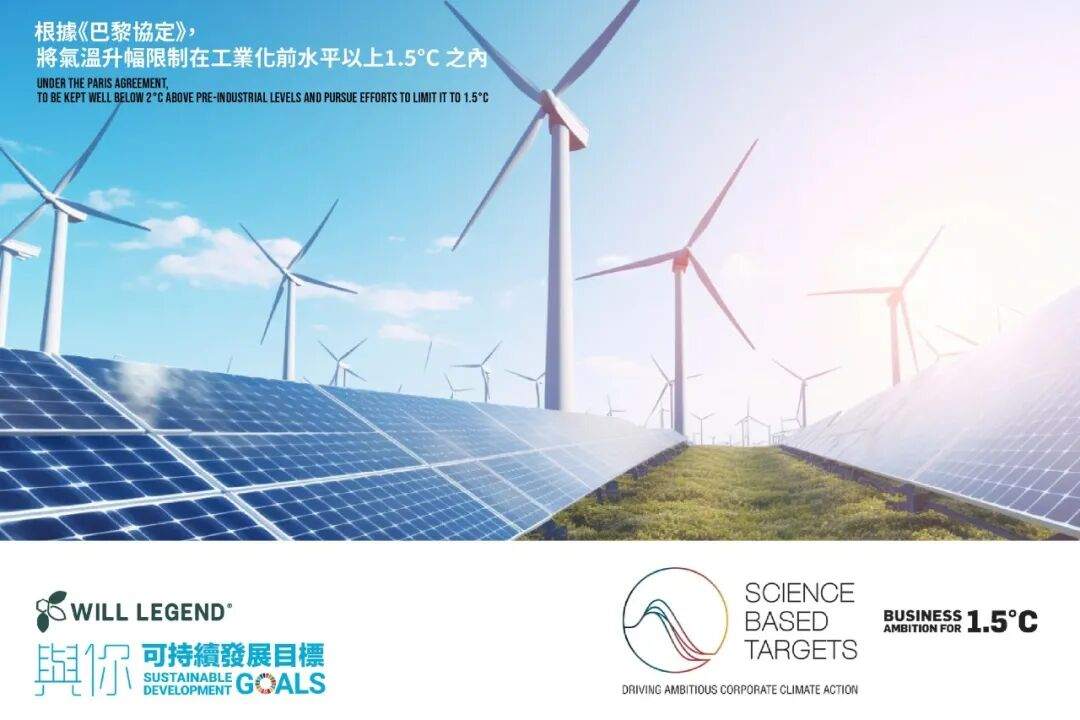
The ocean absorbs about 40% of the planet’s carbon dioxide and produces about 50% of oxygen. “Green-blueprint – Glacier, Land, Ocean” implements the United Nations Sustainable Development Goals. The Intergovernmental Panel on Climate Change’s special report on global warming shows that once global temperatures rise by more than 2°C above pre-industrial levels, we will lose most of the world’s coral reefs. At the same time, the World Meteorological Organization warns us that according to the current trend of carbon dioxide emissions, the temperature will rise by 3°C to 5°C by the end of this century. In other words, if the current trend of greenhouse gas emissions continues, coral extinction will double. In view of this, the United Nations General Assembly launched the International Decade of Ocean Science for Sustainable Development 2021-2030 (Ocean Decade), aiming to reverse the decline in ocean health and convene global ocean stakeholders to form a common framework. The framework will ensure that ocean science can create better conditions for countries to achieve sustainable development of the ocean. The United Nations also designated June 8 of each year as “World Ocean Day”, hoping to awaken the public to jointly protect the ocean. The ocean covers more than 70% of the Earth, supporting the lives of humans and every living thing on Earth. However, nearly 90% of the large fish in the ocean have disappeared, and nearly 50% of the coral reefs have been destroyed. Humans demand more from the ocean than they actually need, and more than the power of nature can repair itself. Like the vision of the international community, Will Legend hopes to create a healthy and resilient ocean to achieve harmonious coexistence between humans and nature.
Oceans, The Polar Regions, Cryosphere and Glaciers are Closely Connected
Will Legend calls on the public to protect the oceans, avoid overfishing, and reduce pollution of the oceans, so that the oceans can continue their mission given by nature – producing more than half of the oxygen on Earth and absorbing about 40% of carbon dioxide (greenhouse gases) in the atmosphere, mitigating climate warming and “Let the Glacier Cool”. When climate warming is alleviated, glacier melting and accumulation return to balance, protecting the element of life – Water. Water nourishes the Earth to open up the “Urban Wildlife Corridor” and build sustainable cities; healthy land nurtures food crops, grows flowering plants (Sunflower Biodiversity Charging Station), and protects the “Home for Bees”. Through the process of bee pollination, forest regeneration and biodiversity are raised. Humans protect the land and let clean water flow back into the ocean with nutrients – “Let the Ocean Breathe”.
Protecting the Oceans, Glaciers and Cryosphere – Polar Research Institute of China Promotes Marine Protection and Implements SDG-in-China
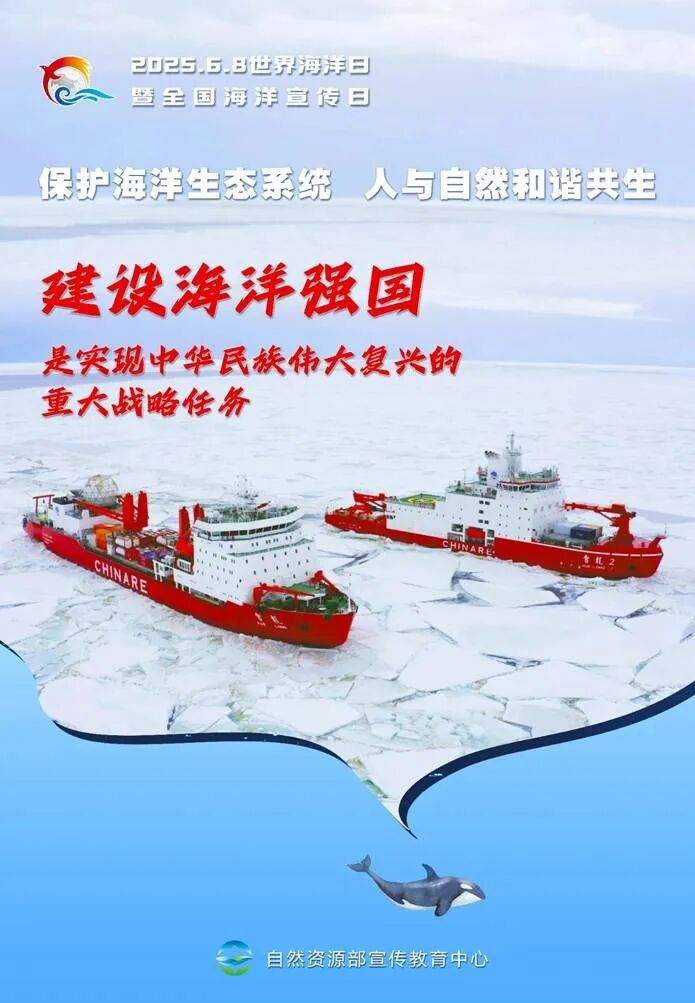
On February 7, 2024, President Xi Jinping sent a congratulatory letter on the completion of the building of the Qinling Station and its operation in Antarctica.“The completion of the building of the Qinling Station will provide a strong guarantee for scientists in China and around the world to continue to explore the mysteries of nature and bravely ascend the peak of science.” Xi called for better understanding, protection and utilization of the polar regions to make new and greater contributions to the benefit of humanity and the building of a community with a shared future for humanity. In order to better implement President Xi’s efforts to promote the world towards a better future of sustainable development, and learn from President Xi’s spirit of promoting the UN 2030 Agenda for Sustainable Development and achieving the Sustainable Development Goals (SDGs). The Polar Research Institute of China and the Publicity and Education Center of the Ministry of Natural Resources will organize the “Polar Research Institute 2025 World Ocean Day and National Ocean Publicity Day Theme Open Day Event” from June 7 to 8, 2025. The activities include exploring the polar science museum and listening to polar science lectures. Through public participation, scientists take actions to call on more people to pay attention to global climate change. The event fully matches the theme of the National Ocean Publicity Day, which is “Protecting the Marine Ecosystem and Harmonious Coexistence between Humans and Nature”, and promotes the construction of a large-scale ecological protection and restoration pattern from the top of the mountain to the ocean, jointly building a community with a shared future for the ocean, and implementing SDG-in-China.
Will Legend “Let The Ocean Breathe” Conservation & Education Programme
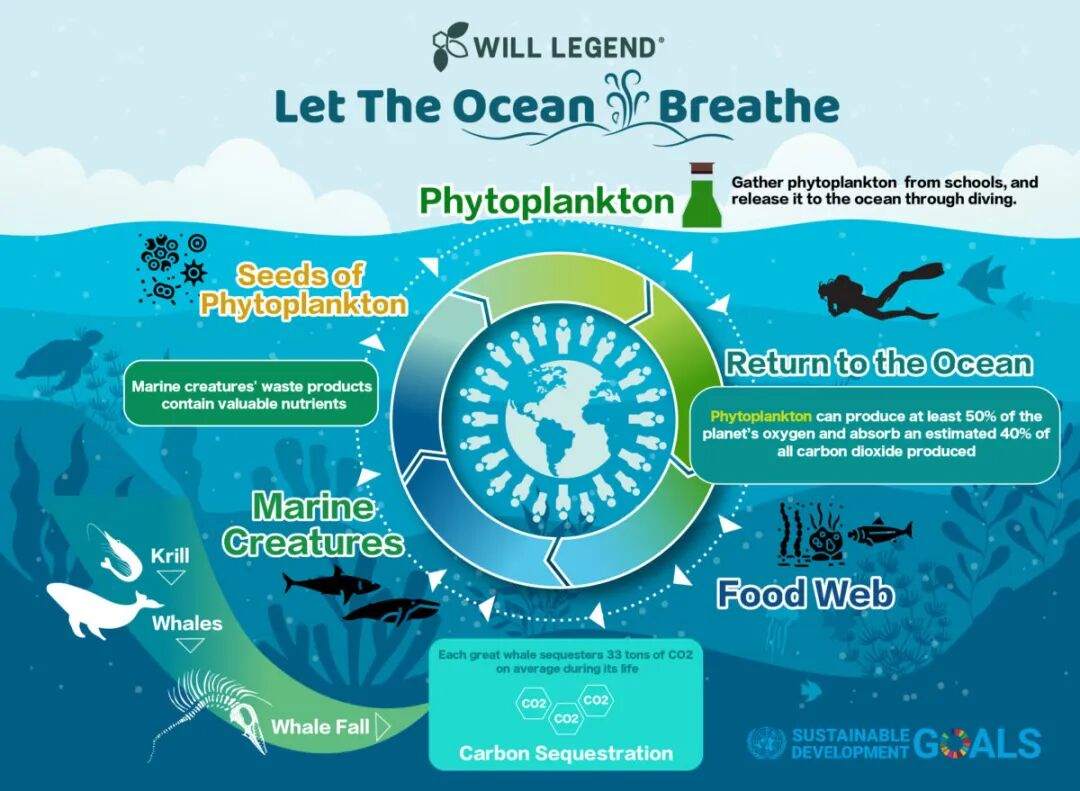
Every Second Breath of Oxygen We Take Comes from the Ocean. The “Let the Ocean Breathe” Conservation and Education Programme belongs to the “Ocean” under the “Green-blueprint”. Starting from China’s waters, we promote the idea of “Let the Ocean Breathe”, absorbing heat and carbon dioxide, reducing the impact of climate change, and at the same time exhaling oxygen, supporting the lives of humans and every creature on the Earth. Will Legend launches the “Blue Ocean and Polar Journey”, working with enterprises, philanthropic organizations, teachers and students to promote the protection of the ocean, reduce marine pollution, moderate the use of marine resources, and restore marine biodiversity; promote the protection and sustainable use of the ocean and marine resources, implement the United Nations Sustainable Development Goal Underwater Life (SDG14) and 1.5 Climate Goal, and build a livable Earth. “Let the Ocean Breathe” uses the story “Little Algae and Big Whale – A Journey Across the Ocean” to compile a fairy tale book to promote marine protection and let the ocean breathe. Will Legend organizes “Green-blueprint” for schools: Green School Talk SDG4™, ESD&STEAM Self-study Channel™ and SDG&STEAM™ Educational Tour (Study Tour), to promote teachers and students to protect the ocean and implement the United Nations Sustainable Development Goals for Quality Education (SDG4). Will Legend organizes “Green-blueprint” for companies and organizations: SDG-in-China™ Research Trip, 1.5°C-ClimateAction™ SDG13, Seminar, ESG Action Plan Strategy™ Meeting, SDG&ESG Environmental Protection and Social-philanthropy Sponsorship, to promote the three major United Nations “Rio Conventions” and “Decade of Cryosphere Science Action”, green development, so that the world can reduce carbon emissions faster, so as to achieve the “3060” carbon peak and carbon neutrality goals, and implement the United Nations Sustainable Development Goals Climate Action (SDG13).
“Green-blueprint – Glacier, Land and Ocean” Integration
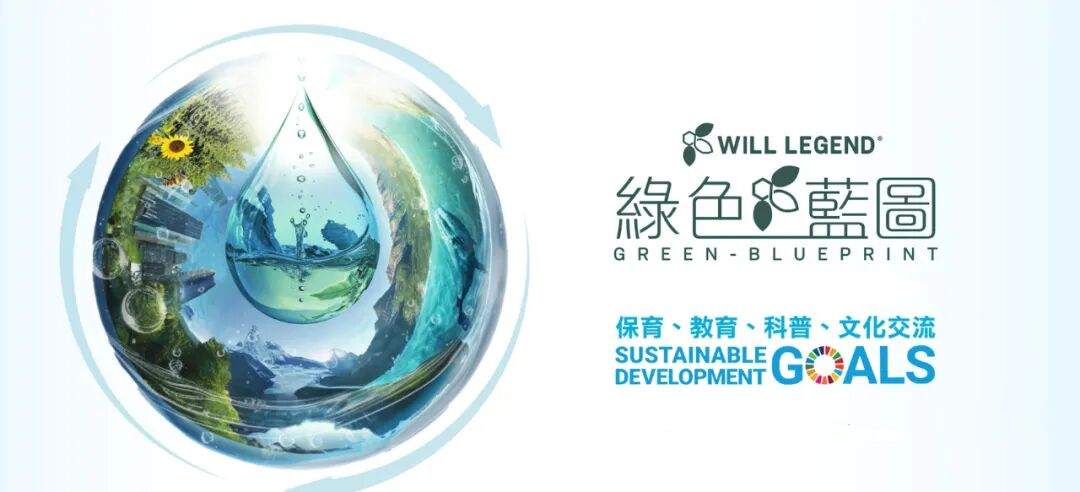
“Green-blueprint – Glacier, Land, Ocean” represents the “Let the Glacier Cool, Urban Wildlife Corridor, and Let the Ocean Breathe” Conservation and Education programmes respectively, which is closely related to the United Nations Sustainable Development Goals. Due to the fact that glaciers, land, and oceans have always been less well-known by the outside world, they are considered to be just a geographical division and name, so that the public ignores their absolute importance to the survival of humans and organisms. In fact, glaciers, land, and oceans respectively protect the most important elements of human life – Water, Food, and Air. By protecting glaciers, we protect the land; by protecting the land, we protect the ocean; by protecting the ocean, we protect the glaciers. Nature and humans are closely linked, influencing and relying on each other. “Safeguard the last piece of pure land on the Earth, Let the Glacier Cool, Let the Ocean Breathe, run through the pulse to Urban Wildlife Corridor, draw a Green-blueprint – glacier, land and ocean integration, promote green development, nurture biodiversity, promote the sustainability of humans and nature”– The Sustainable Conservation Goals of Will Legend
原文來源: 微信公眾號原文