


Will Legend “Home for Bees” is one of the Education for Sustainable Development (ESD) Activities and is an Extended Learning of “Urban Wildlife Corridor”
By protecting bees, and nurturing biodiversity, Will Legend works with schools, enterprises/corporates, and organizations to practice environmental conservation, build eco (green) living, green public spaces, inclusive communities, and safe settlements to resist disasters.
“Home for Bees SDG11™ Charter”
For Will Legend, supporting the “Home for Bees SDG11™ Charter” is to advocate:
.Adopt “Relocate & Return” for conservation instead of killing bees with pesticides
.Reduce or stop using traditional pest control methods and toxic pesticides
.Adopt Sustainable-health and Non-toxic methods to protect bees, land, plants and the environment
.Support beekeepers in mountainous areas, and rural areas so that they can continue to safeguard bees
.Support environmental conservation to protect bees, and inspire the public to make cities sustainable
Education for Sustainable Development (ESD) Activity for Schools
May 20 is “World Bee Day”. The “520 World Bee Day Experience Exhibition” organized by the green-philanthropy enterprize Will Legend was held at St. Andrew’s Primary School in Sham Shui Po. Total 9 schools participated in the “Urban Wildlife Corridor”, “Sunflower Biodiversity Station™”, “Home for Bees SGD11™” and “Sustainability Achievements” exhibitions feature a variety of five-sense games and experiential activities. Sustainability expert Dr. Chan was invited to share the secrets of sustainable living. There is also a bee box display to encourage students to protect bees and build a green campus. Artists Patrick Dunn Tse Fung, Hidy Yu Hiu Tung, singers HOPUI, Katie Hui, etc. attended the support event. Event ambassador Katie Hui sang the event theme song “A Sustainability Dream” for the first time. Dr Chan, Vice President of the Hong Kong UNESCO Association, shared about the meaning of sustainability and live.
Smaller but Greater
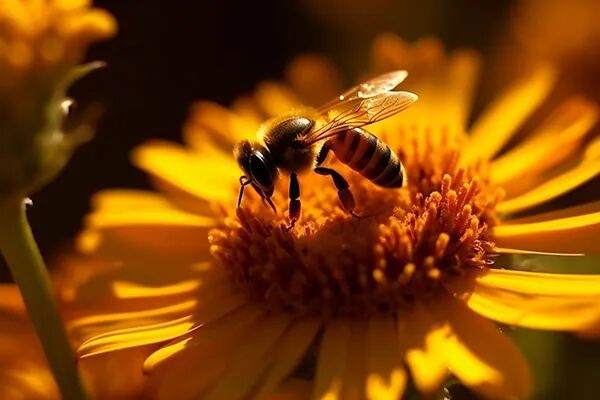
Bees are important pollinators of agricultural crops. They are not only an indispensable role in the ecosystem, but also have an important impact on global food supply and even the fight against poverty. Bees are small insects live in nature and spend their days foraging and reproducing. Some people consider them pests because they accidentally cross our boundaries. By interacting with bees firsthand, Will Legend hopes to showcase the gentle nature of bees and help people understand that they are an important part of the natural world. Every day, bees work hard to collect nectar and pollen along with other pollinators and animals, helping to solve global food supply issues and alleviate hunger in developing countries. Pollination is a fundamental process for the survival of our ecosystems. Around 90% of the world’s wild flowering plant species depend, entirely, or at least in part, on insect & animal pollination, along with more than 75% of the world’s food crops and 35% of global agricultural land. It’s however, bees and other pollinators, such as butterflies, bats and hummingbirds, are increasingly under threat from human activities.
Livable Homes, Home for Bees
In order to raise awareness of the importance of pollinators and their contribution to sustainable development, the United Nations has designated May 20th as World Bee Day (WL 520 World Bee Day). Through our “Home for Bees” conservation and education programme, Will Legend aims to educate the public on the importance of protecting bees & other pollinators, and understand the threats they face. This will greatly contribute to the survival & reproduction of plants, support the regrowth of forests, reduce carbon emissions to achieve carbon neutrality, increase global food supply & quality and maintain a livable climate, livable homes, and achieve the sustainable goal to a balanced coexistence between humans and nature.
“Relocate & Return” Bees to Nature
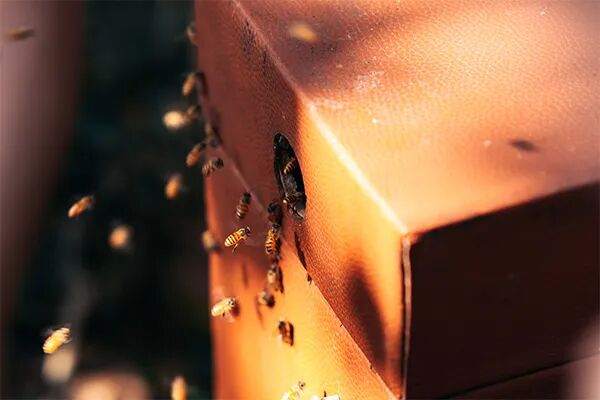
Most of the public cannot distinguish between bees (Apidae) and wasps (Vespidae). The Asian honeybees and Western honeybees commonly found in Hong Kong have gentle temperaments. In contrast, wasps or hornets, such as the Asian giant hornets, belong to a category with strong aggressiveness. In addition, bees can only use their stingers once and they will die after use, so they rarely attack other species, including humans. Instead, they are often the targets of attacks and hunting. In the past, whether it was a private or public organizations, once someone reported or complained about the discovery of either bees or wasps, and regardless of where it was found, the vast majority of handling methods involved pest control companies directly exterminating the bee colony. Even if a small number of bee farmers were willing to take in the bees, they rarely release them back into nature. Will Legend hopes that the public will accept the coexistence with bees, and create sustainable cities and inclusive communities. When bees are too close to homes and workplaces, public can contact Will Legend. Then, we will collaborate with bee conservation groups to “relocate” the bees to conservation centers. After the bees are settled down, an assessment will be conducted. If we find that the bee colony is capable of surviving on its own, we will help the bees to “return” to nature, allowing them to play their crucial role in the natural world, contributing biodiversity and food crops.
Make A Home for Bees, Make A Future for Humans
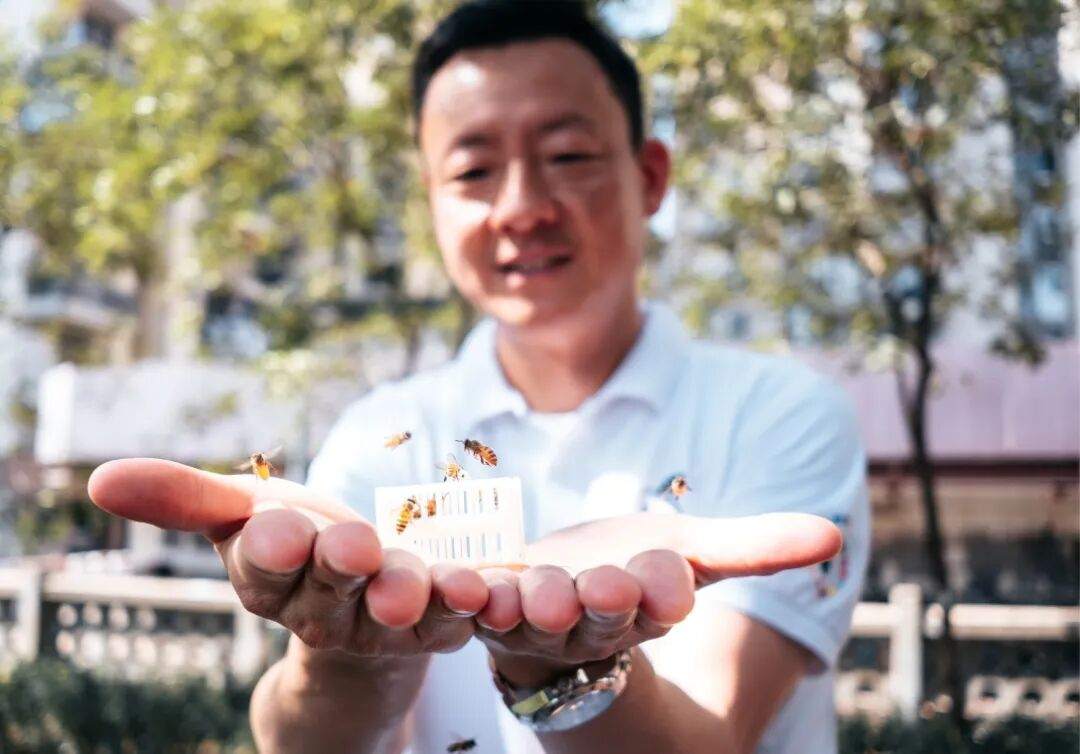
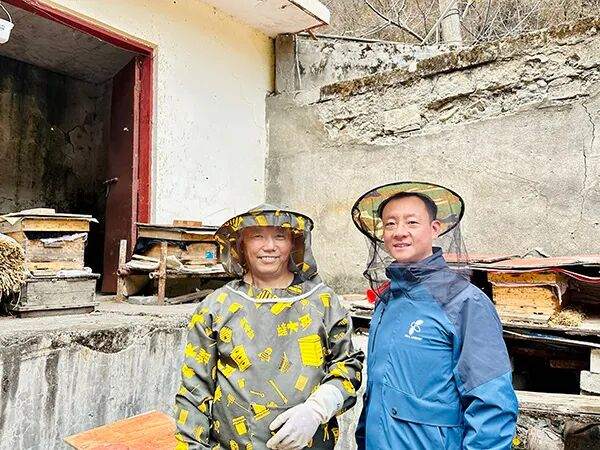
Preserving bees in their original habitats is the best option for both the bees and the ecosystem, as each relocation results in a certain amount of bee loss. Even if bees are found in workplaces, homes, or parks, if they are not causing any disturbance, it is best to leave the bees there to continue their natural role endowed by nature. Will Legend hopes that the public can accept gentle-natured bees and learn to coexist with them, in order to achieve the sustainable development of humans and nature (the Earth). Will Legend supports “Relocate & Return” for conservation, reduces or stops using traditional pest control methods and toxic pesticides. Through supporting the “Home for Bees SDG11™ Charter”, adopting Sustainable-health and Non-toxic methods to protect bees, soil, plants and the environment. In addition to provide direct economic support to the conservation organizations, we also purchase honey from beekeepers in mountainous areas and rural areas, so that they can continue to safeguard bees, safeguard the future of humans.
Through the protection of bees, Will Legend brings out the need to achieve harmonious coexistence between humans and nature when planning development in cities and communities, so that to achieve the United Nations Sustainable Development Goal SDG11 Make cities and human settlements inclusive, safe, resilient and sustainable.
原文來源: 微信公眾號原文