


Let The Ocean Breathe Connects Hong Kong & Mainland of China, Build Biodiversity with Big Whale, Small Algae and Marine Elf
In order to avoid toxic substances in the air, Willy Bee took a deep breath and immediately dived into the South China Sea at 23.5 degrees north latitude – the last pure ocean on Earth.
Marine Elf
Then a pink-white halo slowly swam towards Willy Bee. “I am the elf and goodwill ambassador that connects the land (green corridor) and the ocean. In 2020, glaciers, rivers, forests, land and oceans were originally connected and integrated. Due to humans’ harsh demands, nature could no longer cure itself. As a result, the climate began to warm, extreme weather occurred frequently, all glaciers had melted, and fresh water resources were almost impossible to find; ocean phytoplankton disappeared, and the Earth was filled with greenhouse gas carbon dioxide, makes it impossible for living things to breathe clean air; forests have also disappeared from the land, the land is so polluted that food can no longer be grown, and living things are almost extinct.” Chinese white dolphin said.
“I know that bees are messengers connecting to heaven. Can you pray to heaven and then take my two friends back to the Earth 30 years ago to find the last piece of pure land on Earth together? You’ll take the pure land there as a starting point, educate humans the belief of living harmoniously with nature. Besides, you’ll promote the integration of humans, society, economy and nature, so as to achieve sustainable development for the future of humans and nature.” said the Chinese White Dolphin.
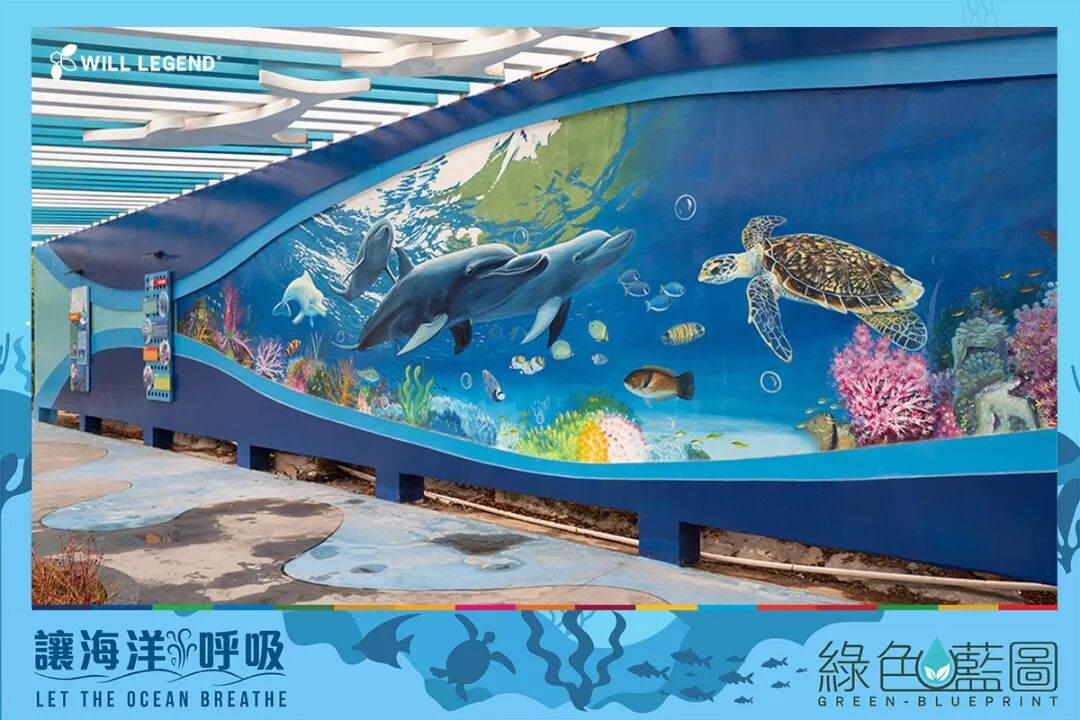
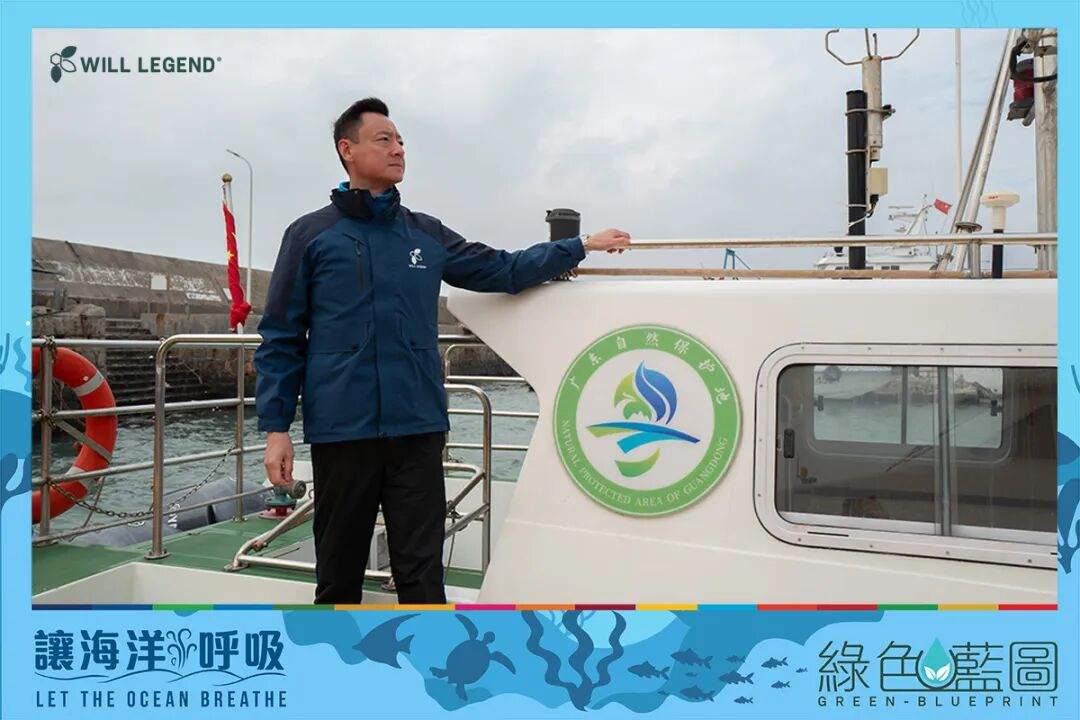
Hong Kong Will Legend “Let The Ocean Breathe” Conservation & Education Programme
The United Nations designated June 8 every year as “World Oceans Day” in the hope of awakening the public to jointly protect the oceans. The ocean covers more than 70% of the Earth, and supports the life of humans and every living thing on the Earth. However, nearly 90% of the large fish in the ocean have disappeared, and nearly 50% of the coral reefs have been destroyed. Humans take far more from the ocean than they actually need, and more than the force of nature that can cure itself. Hong Kong Will Legend and the Nanpeng Marine Reserve Management Bureau encourage the public to work together to stop over-consumption of marine resources. Instead, we should start from the source, cultivating phytoplankton to absorb carbon dioxide from the atmosphere, exhale oxygen to the Earth, and provide an important foundation for the marine food web. At the same time, humans should also learn to protect the environment, reduce carbon emissions, catch fish appropriately, reduce ocean pollution, restore marine biodiversity and marine ecosystems, and let the ocean breathe.
The Ocean Crossing Journey of Small Algae & Big Whale
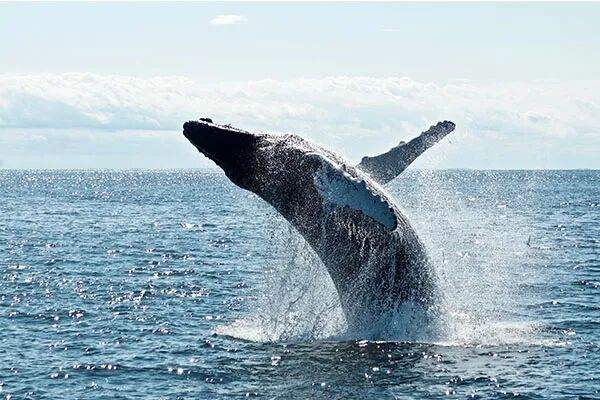
The story begins with the big whales dive underwater to find food and return to the water surface to breathe. Whales bring minerals up to the ocean surface through their vertical movement, called the “Whale Pump”. From time to time, the big whales migrate their feeding and breeding grounds across oceans, called the “Whale Conveyor Belt”. For every journey, they always bring with their good friends – the tiny algae, or more precisely, the microalgae (Phytoplankton). It turns out that whales’ waste products contain substances — especially iron and nitrogen, the nutrients which phytoplankton need for growing. The is how the tiny algae work with big whales and produce oxygen to the atmosphere.
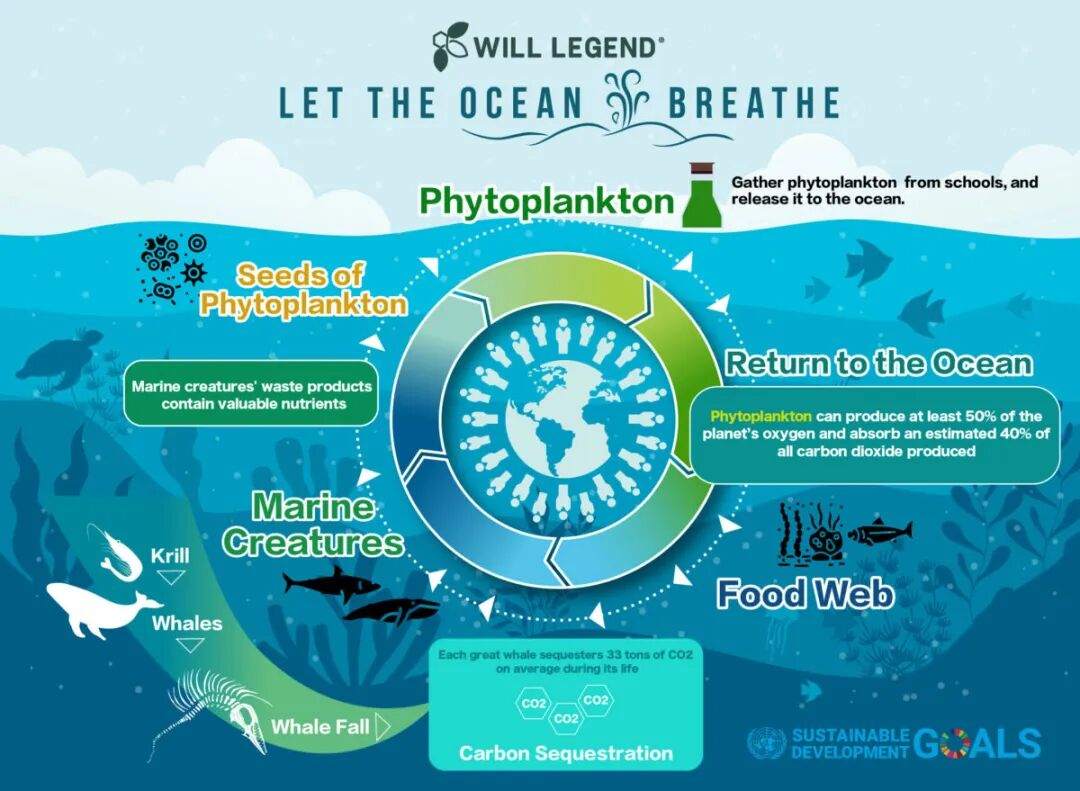
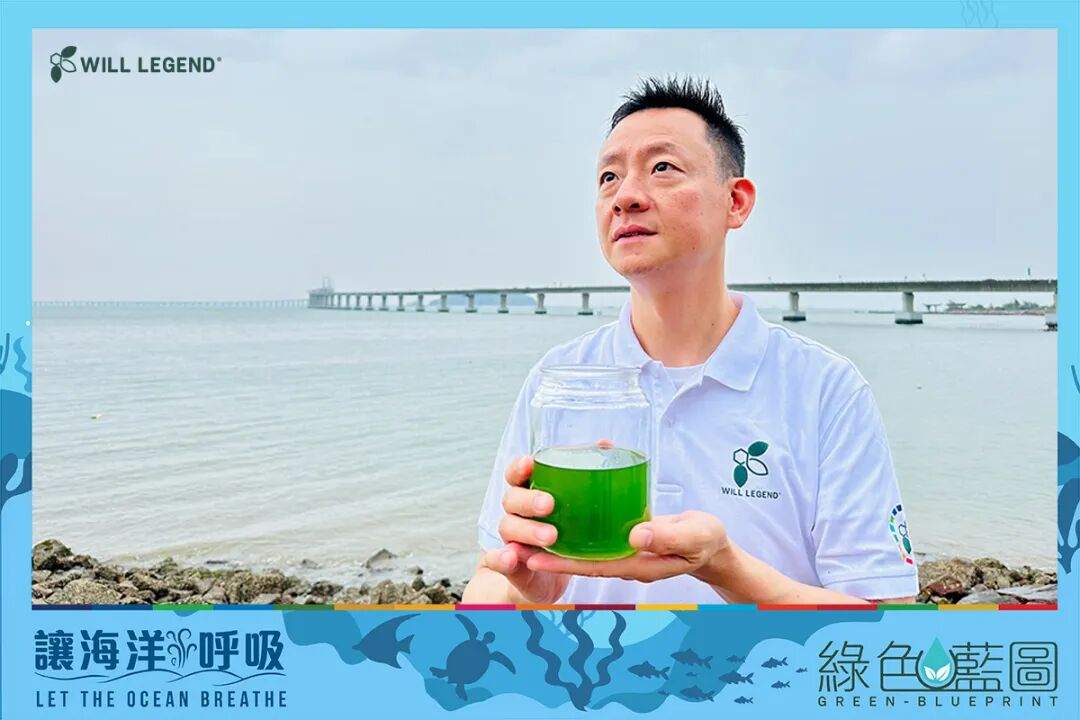
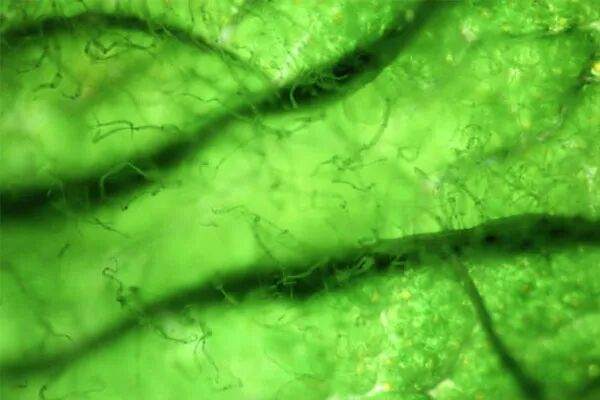
The ocean produces oxygen through the phytoplankton (microalgae). These single-celled photosynthetic marine algae live near the surface. Microalgae are generally very good at turning carbon dioxide, nutrients and water into proteins, fats and carbohydrates through photosynthesis. They provide food for a wide range of sea creatures in a balanced ecosystem. Just like plants, they consume carbon dioxide, make carbohydrates using light energy, produce at least 50% of the planet’s oxygen. Besides, these microscopic creatures absorb about 37 billion metric tons of carbon dioxide (CO2), an estimated 40 percent of all CO2 produced. This is equivalent to the amount of CO2 absorbed by 1.70 trillion trees — four Amazon forests’ worth. Whales accumulate carbon in their bodies during their long lives, each great whale sequesters 33 tons of CO2 on average. When they die, they sink to the bottom of the ocean, taking that carbon out of the atmosphere for centuries. A tree, meanwhile, absorbs only up to 48 pounds of CO2 approximately a year. Therefore, phytoplankton and whales are the excellent examples of carbon sequestration.
Build a Cradle of Ecosystem, Nurture Biodiversity
Biological diversity resources are the pillars upon which we build civilizations. Fish provide 20% of animal protein to about 3 billion people; Over 80% of the human diet is provided by plants; As many as 80% of people living in rural areas in developing countries rely on traditional plant‐based medicines for basic healthcare. The United Nations established the Kunming-Montreal Global Biodiversity Framework (also known as the Biodiversity Plan) with the purpose of promoting the belief of harmonious coexistence between humans and nature. It is hoped that different countries, organizations, and sectors can support the implementation of diversity in their own ways. Safeguard the last piece of pure land on Earth, let the glacier cool, let the ocean breathe, run through the pulse to wildlife corridor, draw a “Green-blueprint”, build a cradle of ecosystem, nurture biodiversity, make human health and prosperity sustainable. Hong Kong Will Legend protects glaciers and water resources, food and biodiversity, marine ecology and clean air through the Glacier, Land and Ocean Programmes respectively. Regarding biodiversity, it is easier for the public to understand that there are many types of plants and animals, and a large number of microorganisms are included. But it turns out that real biodiversity also includes ecosystems such as glaciers, rivers, forests, lakes, deserts, grasslands and oceans. To put it simply, all species on the Earth are interconnected. Each ecosystem has different connections, interactions and influences, and in the end, a beautiful Earth can be achieved.
Safeguard The Ocean, Let the Ocean Breathe
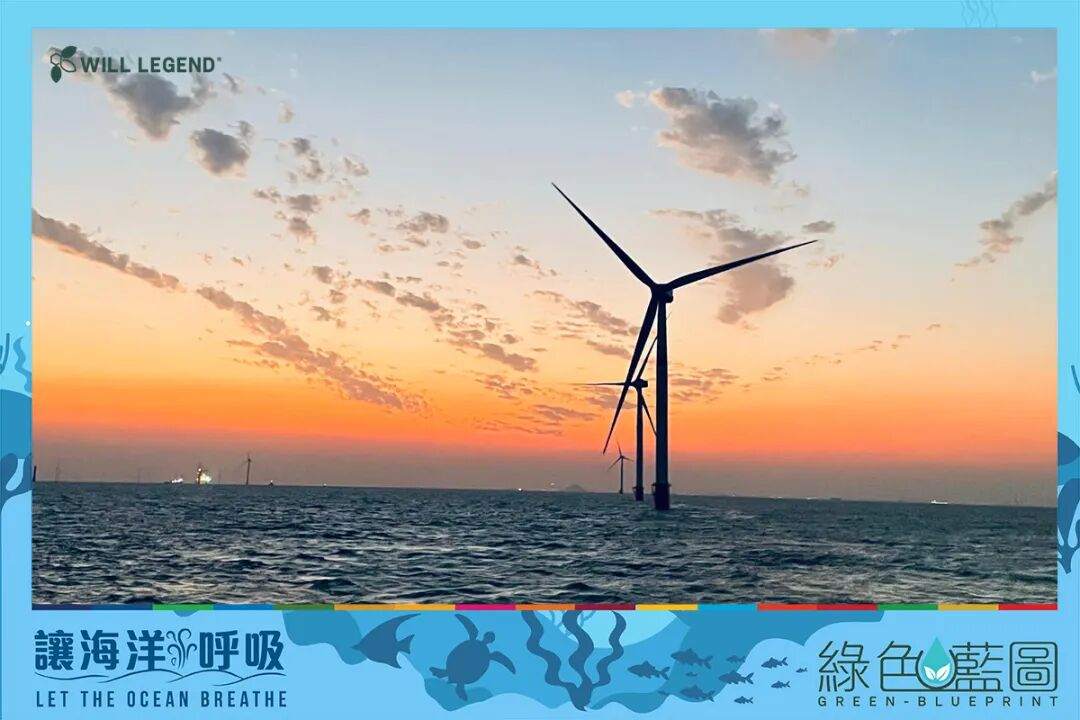
The increasing emissions of greenhouse gases caused by human activities have led to global warming. The situation is like covering the Earth with a quilt, preventing heat from being reflected into space, causing the Earth’s temperature to rise. Currently, we are experiencing unprecedented rapid climate warming due to human activities, such as the greenhouse gas carbon dioxide produced by burning fossil fuels. As the temperature rises, the Earth also begins to suffer from “illness”. The reason is that everything, and all living things on the Earth are closely intertwined with each other. Once nature loses its ability to balance, humans will not be able to survive alone. Hong Kong Will Legend advocates the use of green energy as a “Greenhouse Cooling Patch” to cool the Earth. Effectively reduce greenhouse gas emissions through clean energy such as solar power, wind power and hydropower. At the same time, we support the “Belt and Road Initiative” to promote the green and low-carbon transformation of international energy cooperation, and cooperate with especially developing countries, to carry out solar, wind and hydropower projects to increase the proportion of renewable energy power generation, and help the world reduce carbon emissions faster to achieve carbon peak and carbon neutrality goals, and practice the sustainable development of humans and nature. Hong Kong Will Legend supports green finance to transform traditional industries into green and low-carbon transformation, transform them into green industries and build sustainable development business models. At the same time, it also strongly advocates new energy corporates such as wind and solar power and enterprises related to the new energy automobile industry chain, through in-depth ESG work participation in society and communities, on one hand, corporates can practice corporate social responsibility (CSR), and on the other hand, it can simultaneously achieve the policy of corporate economic sustainability (Sustainability), jointly accelerate the green forwarding process, and allow the world to reduce carbon emissions faster, so as to achieve the “3060” carbon peak and carbon neutrality goals, and practice the sustainable development of humans and nature. As global warming caused by climate change becomes more severe, Hong Kong Will Legend believes that programmes organized and led at the social and community levels can be implemented more effectively. Absorbing the greenhouse gas carbon dioxide from the atmosphere, adopting green energy to address climate change, and achieve long-term solutions through glacier, land and ocean conservation and education programmes are vital to humans and ecosystems. The essence behind the various sustainable development activities created by Hong Kong Will Legend is to make the public, and our next generations pay more attention to the “health” of the Earth from the perspective of education and popular science.
National Marine Nature Reserve
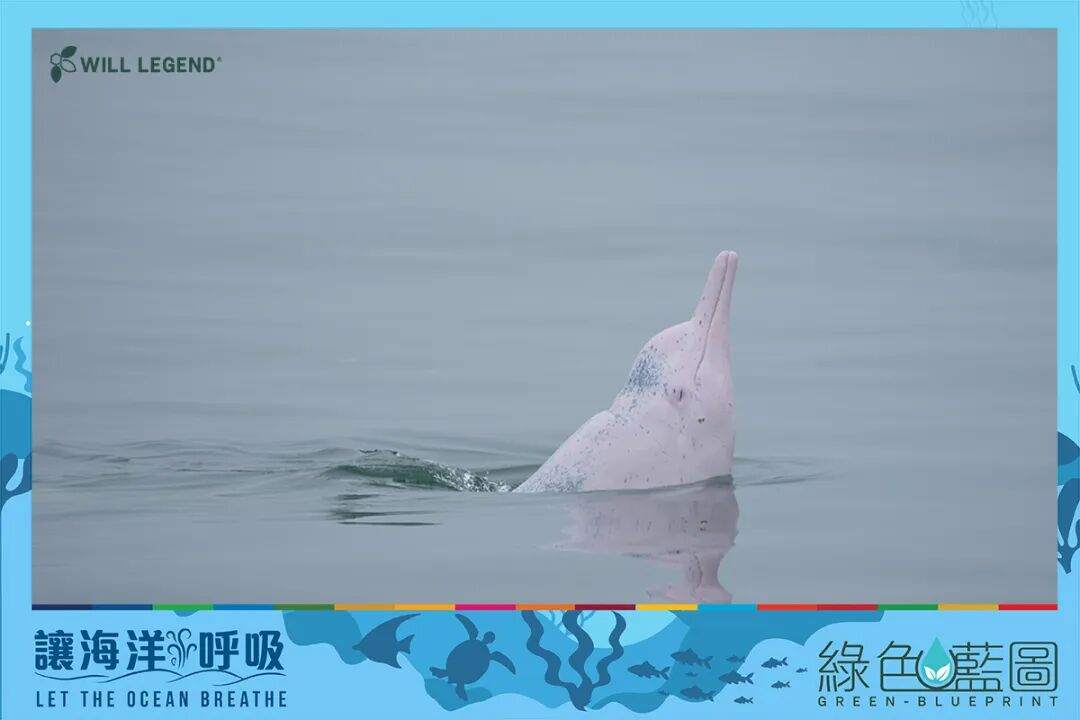
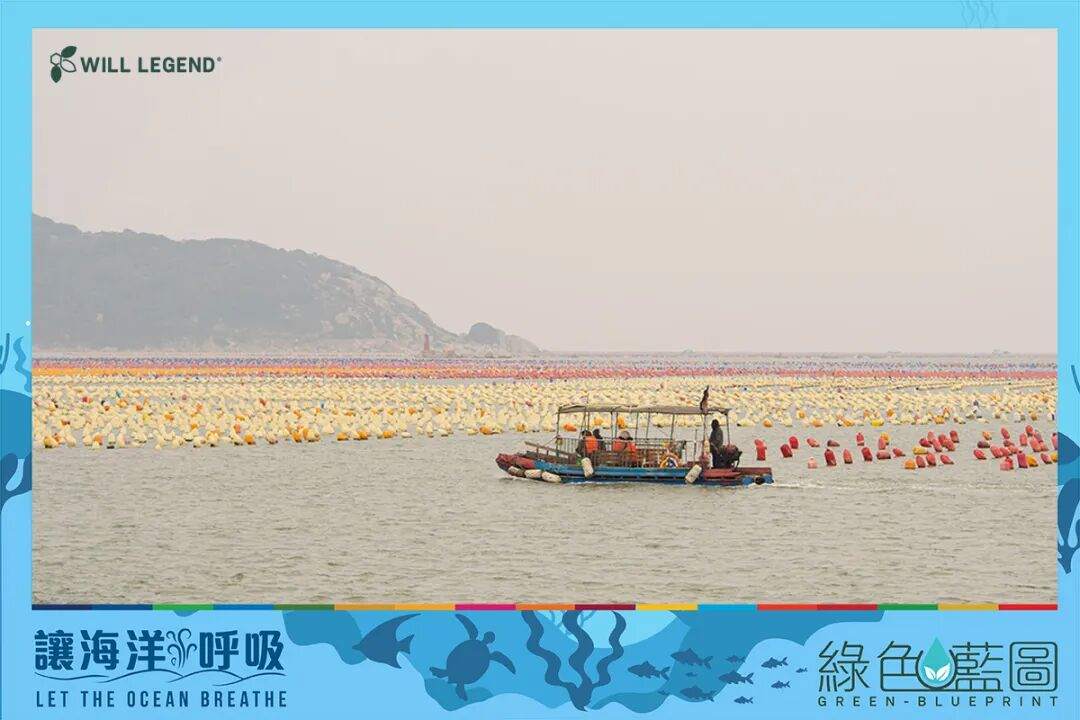
China’s four main sea areas include the Bohai Sea, the Yellow Sea, the East China Sea and the South China Sea. These sea areas are located around China, and belong to China’s offshore waters, with a total area of approximately more than 4.7 million square kilometers. Among them, the South China Sea is located in the south of China. It is connected to the Pacific Ocean in the east and the Indian Ocean in the west through narrow straits or waterways. It is a semi-enclosed sea that runs from northeast to southwest, spanning about 2,000 kilometers from north to south and about 1,000 kilometers from east to west, with a total area of approximately 3.5 million square kilometers. The Nanpeng Islands National Nature Reserve has a total sea area of 35,679 hectares. It is located in the southeast of Nan’ao Island, at the intersection of the three provinces of Guangdong, Fujian and Taiwan, the East China Sea, and the South China Sea. It is close to the Tropic of Cancer and is the transition zone from the tropics to the subtropics. It has obvious geographical advantages, unique hydrological and climatic conditions, peculiar seabed topography and rich biodiversity. It was included in the list of internationally important wetlands in 2015 and is known as “A Typical Treasure House of Marine Biological Resources in The South China Sea” and “A Living Natural Museum in The Northern South China Sea”. It has a marine ecological exhibition hall, a migratory bird nature reserve, and an island national forest. There are as many as 1,308 species of marine life distributed in the reserve, including 314 species of marine vertebrates. There are 17 species of national Class I and II protected animals, and 8 species of key protected animals in Guangdong Province. It is also a migratory and habitat area for many rare, and protected aquatic wildlife such as Chinese white dolphins, finless porpoises, nautiluses, sea turtles, yellow-lipped fish, seahorses, staghorn corals and rose corals.
Hong Kong Will Legend – A Journey to Safeguard Oceans
Hong Kong Will Legend educates public, and encourages kids to create their unique “Ocean Oxygen Tank” by planting phytoplankton (microalgae). By growing phytoplankton to learn how these tiny creatures can sequester carbon (carbon sequestration, carbon absorption or carbon fixation), and form the bases of aquatic food webs (primary marine food web) for zooplankton and krill. These zooplankton and krill will become the food sources of other marine creatures including whales. Phytoplankton builds a balanced ecosystem, saving marine creatures and whales. And of course, most importantly, it let the ocean breathe (absorb carbon dioxide and produce oxygen to the atmosphere). Starting from the “seeds” of phytoplankton, these microalgae will be returned to the ocean. Ultimately microalgae will be transforming into “Ocean Oxygen Tank”. This is the “Green-blueprint” that Will Legend extends from glaciers, lands to oceans, so as to fulfill harmonious coexistence between humans, and nature, achieve peace, health, and prosperity, create more beautiful Earth for our next generations. 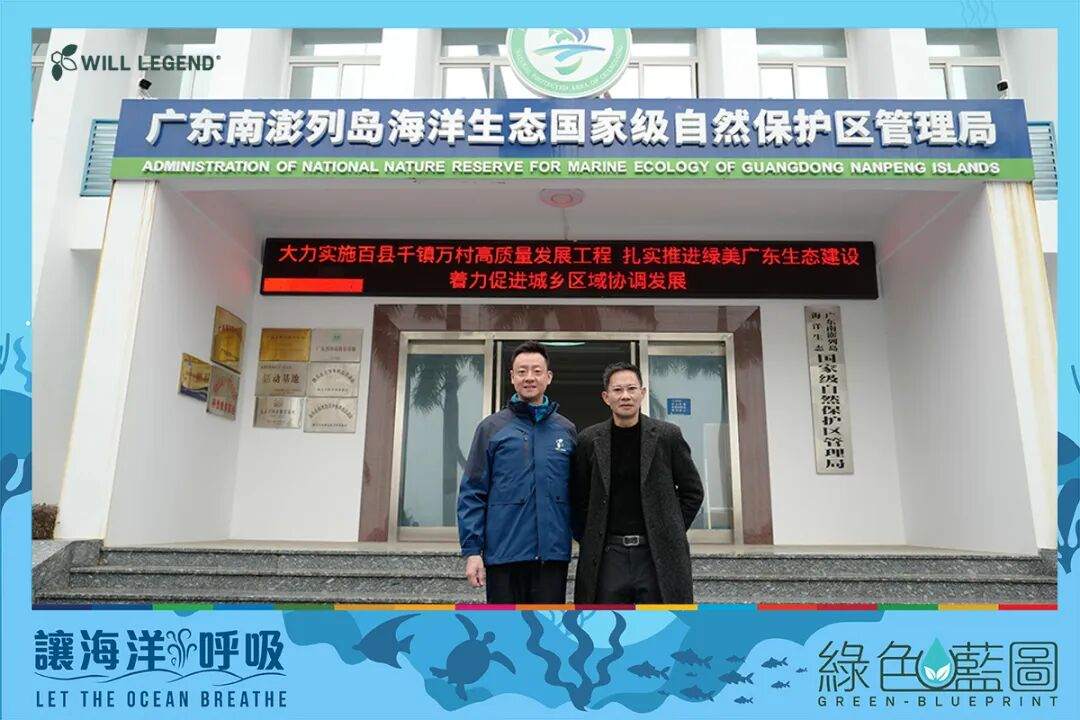
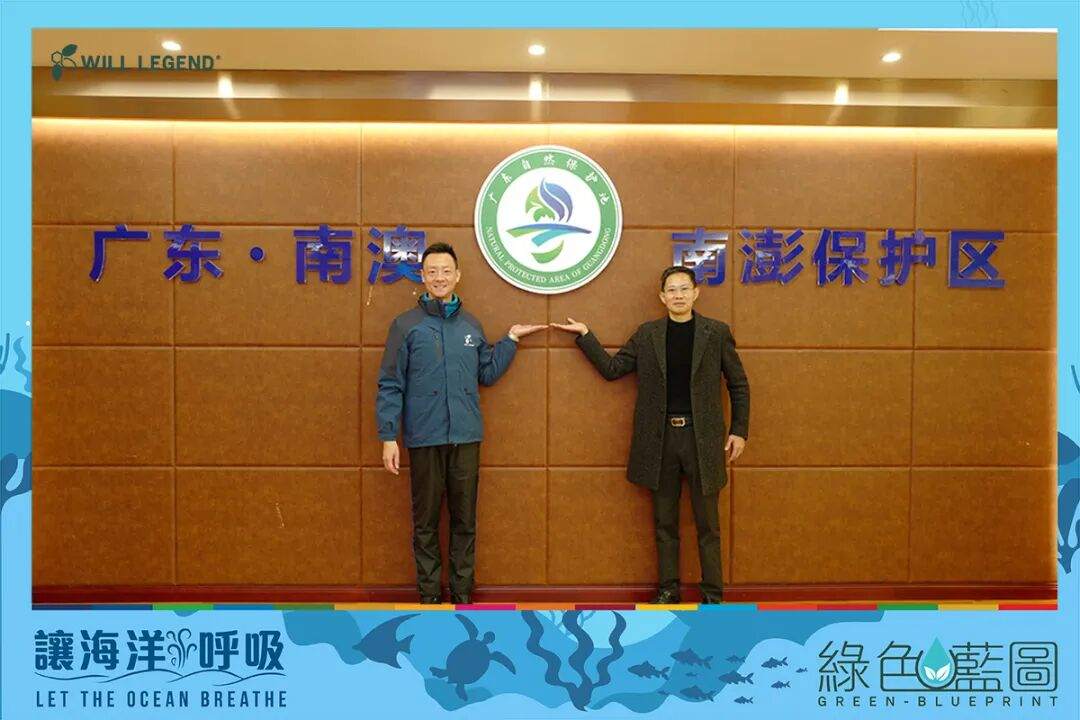
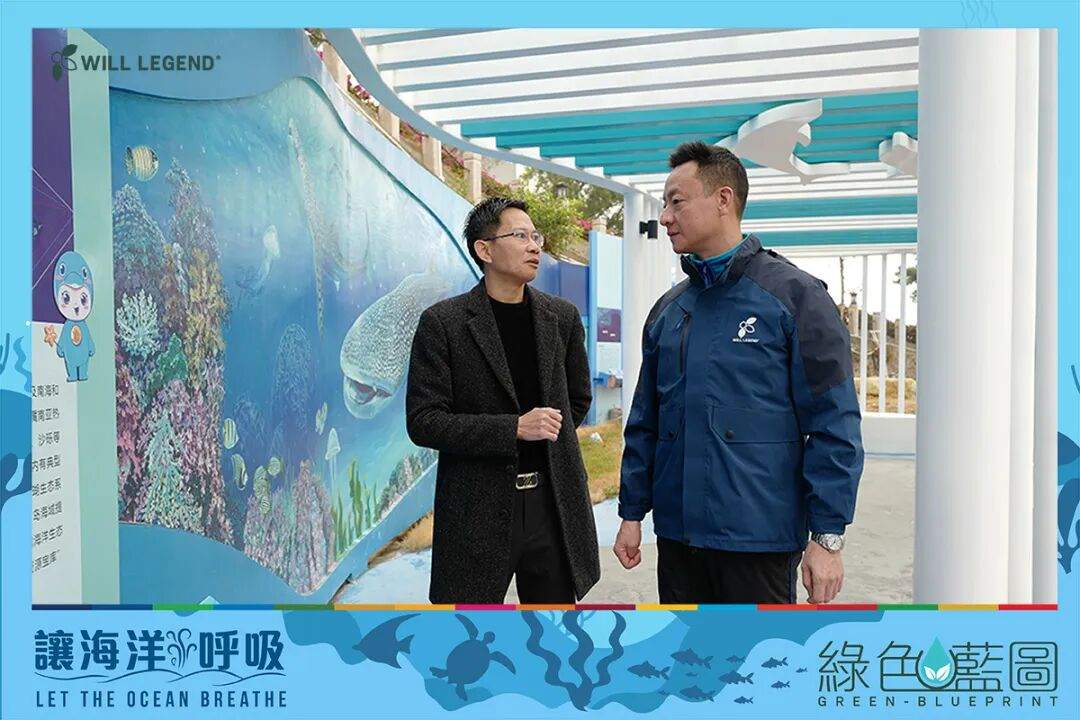
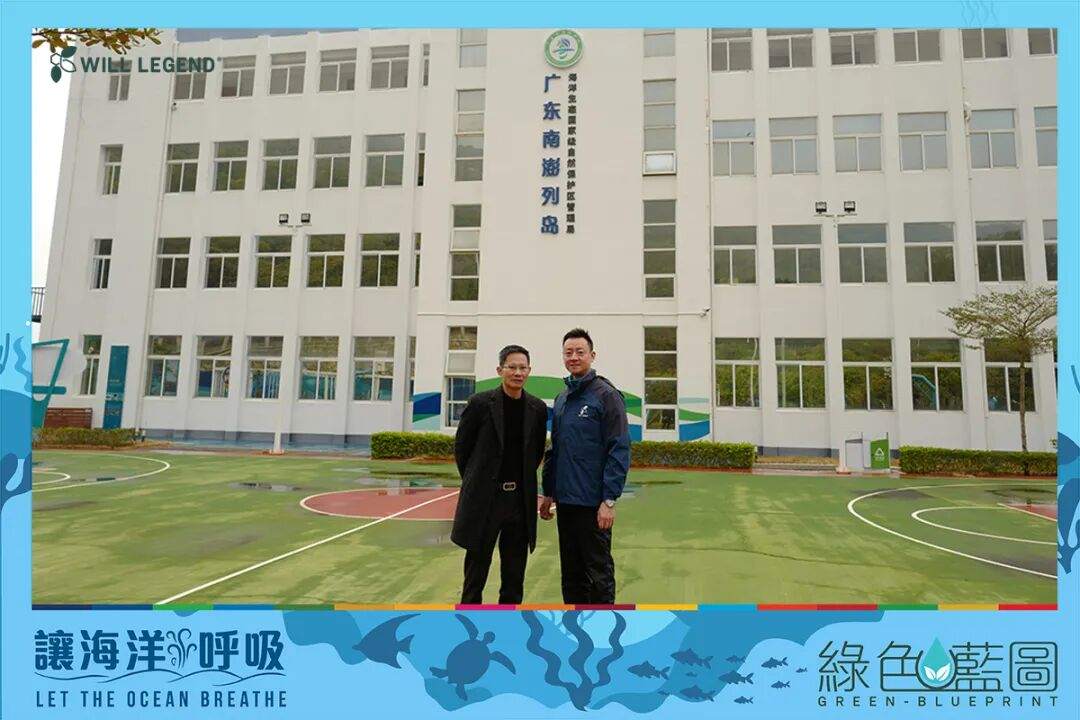
Will Legend “Let the Ocean Breathe” Conservation & Education Programme has received support from Guangdong Nanpeng Islands Ocean Ecology National Nature Reserve Administration (Nanpeng Marine Reserve) Management Bureau, to carry out SDG&ESG Educational Tours and Research Trips, Study Tours and Student Mainland Exchange Programme in the reserve, to implement the “Belt and Road Initiative” sustainable development goals for humans and nature. At the same time, we advocate the protection of the ocean, marine microalgae and marine ecology through “Education and Promotion” work, so that the public, especially the next generation, can understand that protecting the ocean is equivalent to protecting mankind’s most precious clean air, nature and the earth, and practice humans and nature sustainable development goals.
原文來源: 微信公眾號原文